NZ Dog Vaccination Schedule: What Your Dog Needs & When
Understand the essential NZ dog vaccination schedule, including core & non-core vaccines, costs, and why it's vital for your dog's health.
Ensuring your beloved canine companion is properly vaccinated is one of the most crucial steps in responsible pet ownership here in Aotearoa. The core NZ dog vaccination schedule typically involves a series of puppy shots starting from 6-8 weeks, followed by boosters for adults. These vaccinations protect against highly contagious and often deadly diseases like Distemper, Hepatitis, and Parvovirus (DHP), with Leptospirosis and Kennel Cough often recommended depending on your dog's lifestyle and location. Understanding this schedule is key to safeguarding your dog's health and contributing to a healthier wider Kiwi dog community.
Understanding Core vs. Non-Core Vaccines in New Zealand
In New Zealand, like many parts of the world, dog vaccines are generally categorised as 'core' or 'non-core'. This distinction helps you and your vet tailor a vaccination plan that's just right for your dog, considering their age, lifestyle, and where you live. New Zealand vets generally follow established veterinary vaccination guidelines, which keeps the standard of care consistent across the country.
Core Vaccines: These are considered essential for all dogs, regardless of their lifestyle or geographic location within New Zealand, due to the severity and widespread nature of the diseases they protect against. They include:
- Canine Distemper Virus (CDV): A severe, highly contagious viral disease that attacks the respiratory, gastrointestinal, and nervous systems. It's often fatal.
- Canine Adenovirus (CAV): This causes infectious canine hepatitis, a serious liver infection. It can also lead to 'blue eye' (corneal oedema).
- Canine Parvovirus (CPV): A highly contagious and often deadly virus that attacks the gastrointestinal tract, leading to severe vomiting, diarrhoea, and dehydration. Puppies are especially vulnerable.
These three are often combined into a single vaccine, commonly referred to as the 'DHP' or 'C3' vaccine. Protecting against these diseases is paramount for any dog in New Zealand.
Non-Core Vaccines: These are recommended based on an individual dog's risk of exposure. Your vet will discuss your dog's environment, social interactions, and travel habits to determine if these are necessary. Common non-core vaccines in NZ include:
- Leptospirosis (Lepto): This bacterial disease is transmitted through the urine of infected animals (often rats, mice, or livestock) and is prevalent in certain rural and semi-rural areas of New Zealand, particularly in regions with dairy farming like the Waikato, Taranaki, and parts of the South Island. It can cause severe kidney and liver damage and is zoonotic, meaning it can spread to humans. If your dog enjoys tramping, swimming in natural waterways, or lives on a lifestyle block, this vaccine is highly recommended.
- Kennel Cough (Canine Infectious Tracheobronchitis): This is a highly contagious respiratory disease caused by a combination of bacteria (Bordetella bronchiseptica) and viruses (Canine Parainfluenza Virus, Canine Adenovirus). While usually not life-threatening, it's very unpleasant. It's highly recommended for dogs that frequently interact with other dogs, such as those attending doggy daycare, boarding kennels, dog shows, or even regular trips to busy dog parks or the local footpath.
It's important to note that Rabies vaccination is NOT required for dogs in New Zealand, as our strict biosecurity measures, overseen by the Ministry for Primary Industries (MPI), have kept New Zealand rabies-free. This is a significant advantage for Kiwi pet owners!
The Puppy Vaccination Schedule: Building Immunity from the Start
Puppies are born with some immunity passed on from their mother's milk (maternal antibodies). However, this immunity wanes over time, leaving them vulnerable. The puppy vaccination series is designed to provide protection as this maternal immunity fades. A typical NZ puppy vaccination schedule looks like this:
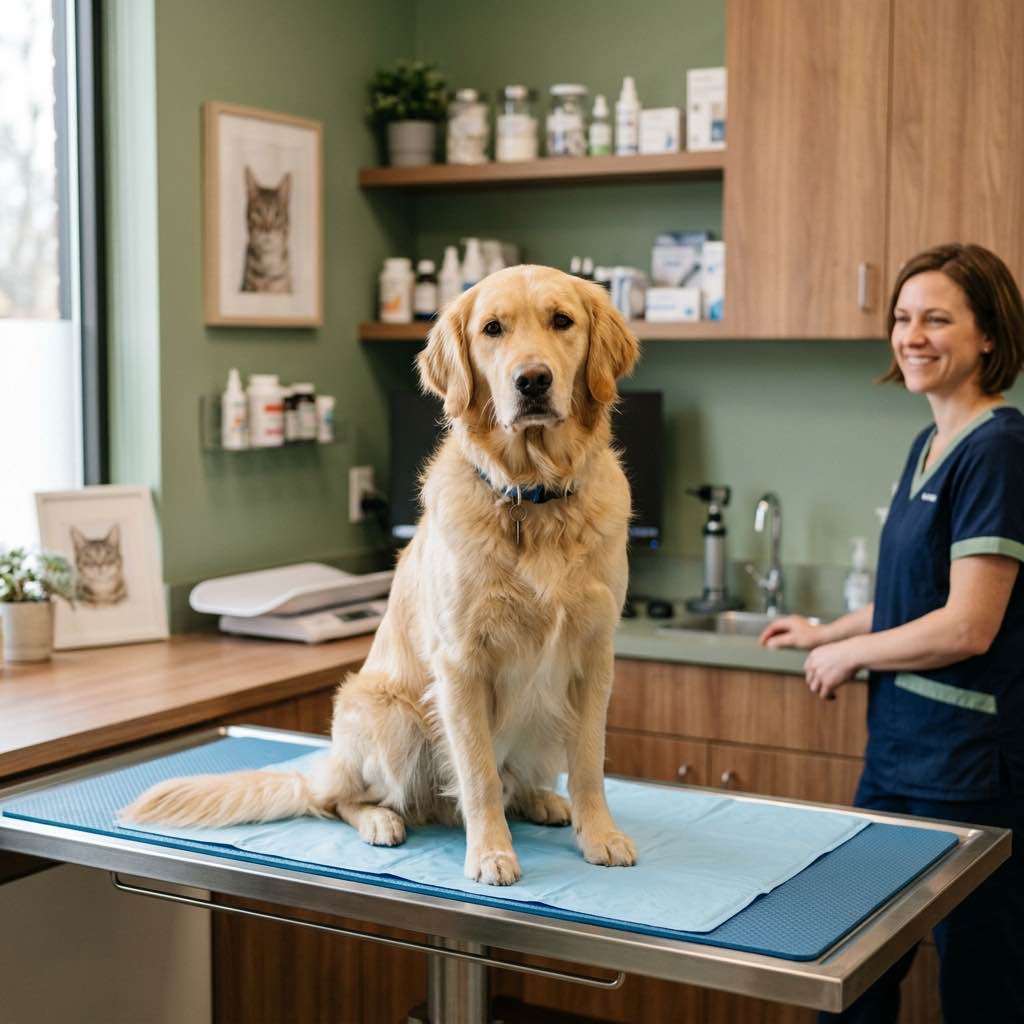
- 6-8 Weeks Old (First Vaccination): This is usually the first DHP (Distemper, Hepatitis, Parvovirus) shot. Some vets may also include the first Lepto vaccine at this stage, especially if the puppy is in a high-risk area or will be going to one.
- 10-12 Weeks Old (Second Vaccination): A crucial booster for DHP. If Lepto was started at 8 weeks, the second Lepto booster would also be given now. If Kennel Cough is recommended, the first dose (often an intranasal vaccine) might be given at this stage.
- 16 Weeks Old or Older (Final Puppy Vaccination — for ALL puppies): The last DHP shot of the puppy series should be given at 16 weeks of age or later, for every puppy — not just "high-risk" ones. In a proportion of puppies the mother's antibodies keep neutralising the vaccine until around 16 weeks, so a series that finishes at 10-12 weeks can leave those pups unprotected against parvovirus and distemper. High-risk pups (shelters, large litters, parvo hot-spots) and larger breeds like a German Shepherd are no exception — they equally must not finish the series before 16 weeks.
During this period, it's vital to keep your puppy safe. Avoid areas where unvaccinated dogs might frequent, like dog parks, until they've completed their primary vaccination course. Socialisation is important, but it must be done safely – perhaps with fully vaccinated adult dogs you know or in controlled puppy classes with strict vaccination requirements.
Adult Dog Vaccination Schedule: Maintaining Protection
Once your dog has completed their puppy series, they'll need regular booster vaccinations to maintain their immunity throughout their life. The frequency of these boosters has evolved over the years, with many vets now adopting a triennial (every three years) schedule for core vaccines, while non-core vaccines like Lepto and Kennel Cough typically require annual boosters.
- 6-Month Booster (WSAVA 2024 update): Rather than waiting until 12-16 months, current WSAVA guidance recommends a core (DHP) booster at 6 months (26 weeks) of age, or an antibody (serology) test after 20 weeks, to catch the small number of puppies that didn't respond to the earlier doses. This replaces the older "first booster at 15-16 months" advice. Annual Lepto and Kennel Cough boosters (if applicable) are given alongside.
- Subsequent Core Boosters (DHP): After this 6-month booster, many vets in NZ now recommend DHP boosters every three years. This is based on scientific evidence showing that core vaccines provide robust immunity for longer than a single year in most adult dogs. However, this is always at your vet's discretion and may vary based on the specific vaccine product used and your dog's individual health.
- Subsequent Non-Core Boosters (Lepto, Kennel Cough): These typically require annual boosters to maintain effective protection, as the immunity they provide is generally shorter-lived than core vaccines.
Regular annual health checks are still essential, even if your dog isn't receiving all their vaccines every year. These appointments allow your vet to perform a thorough physical examination, discuss any health concerns, and ensure your dog is thriving. This is also the perfect time to discuss your dog's lifestyle changes and adjust their vaccination schedule if needed.
The Cost of Vaccinations in NZD
Vaccination costs in New Zealand can vary depending on your veterinary clinic's location (city vs. rural), the specific vaccines administered, and whether it's part of a general health check. As a general guide, you can expect the following:
- Puppy Vaccinations: Each DHP shot (there are usually 2-3) typically costs between $80 - $120 NZD, often including a vet consultation fee. If Lepto and Kennel Cough are added, each of these might add an extra $40 - $70 NZD per shot. So, a full puppy course could range from $250 - $450 NZD in total over several visits.
- Adult Annual Boosters: An annual DHP booster (if given annually) plus a vet consultation might cost $90 - $150 NZD. If your dog receives annual Lepto and/or Kennel Cough, this could add another $50 - $100 NZD to the annual visit. For triennial DHP, you'd pay the consultation fee plus the non-core vaccines annually, and then a larger fee for the DHP booster every third year.
These prices are estimates. It's always best to contact your local vet clinic for their current pricing. Remember, while it seems like an upfront cost, vaccinations are a far more affordable and humane option than treating a serious, preventable disease.
Why Vaccinate? The Power of Prevention
Vaccinations are a cornerstone of preventative healthcare for good reason. They work by exposing your dog's immune system to a weakened or inactive form of a disease-causing agent, allowing their body to develop antibodies without actually getting sick. This prepares their immune system to fight off the real disease if they encounter it in the future.
The benefits of vaccinating your dog are immense:
- Protection from Deadly Diseases: Diseases like Parvovirus and Distemper are highly contagious, incredibly severe, and often fatal, especially in puppies. Vaccinations offer robust protection.
- Reduced Suffering: Preventing illness means your dog avoids pain, discomfort, and the stress of treatment.
- Lower Veterinary Costs: Preventing disease is almost always less expensive than treating it. A severe case of Parvovirus, for example, can incur thousands of dollars in veterinary bills for intensive care, let alone the emotional toll.
- Community Health: When a high percentage of dogs in a community are vaccinated, it creates 'herd immunity', making it much harder for diseases to spread. This protects vulnerable animals who might be too young or too unwell to be vaccinated themselves.
- Responsible Pet Ownership: In New Zealand, local councils often require proof of vaccination for dog registration, especially for certain breeds or if your dog attends council-run facilities. While not a direct legal requirement for all vaccinations, it's part of being a responsible Kiwi pet parent.
Potential Side Effects and What to Look For
While vaccinations are overwhelmingly safe and beneficial, like any medical procedure, they can have side effects. Most reactions are mild and short-lived, indicating that your dog's immune system is responding as it should.
Mild Side Effects (usually resolve within 24-48 hours):
- Lethargy or Mild Fever: Your dog might be a bit quieter or sleepier than usual.
- Soreness or Swelling at the Injection Site: A small lump or tenderness where the needle went in.
- Decreased Appetite: Your dog might not be as keen on their kai for a day.
- Mild Sneezing or Coughing (especially after intranasal Kennel Cough vaccine): This is normal as the vaccine stimulates local immunity.
Serious Allergic Reactions (Rare but require immediate veterinary attention):
- Facial Swelling: Swelling around the eyes, muzzle, or ears.
- Hives: Bumps or itchy skin all over the body.
- Vomiting or Diarrhoea: More severe than mild stomach upset.
- Difficulty Breathing: Laboured breathing, wheezing.
- Collapse or Weakness: Your dog seems disoriented or unable to stand.
If you notice any of these more serious signs, contact your vet immediately. They are equipped to handle allergic reactions quickly and effectively. Always monitor your dog closely for the first 24 hours after vaccination.
NZ-Specific Considerations and Resources
New Zealand's unique environment and strong biosecurity mean some specific considerations for dog vaccinations:
- Leptospirosis Risk: As mentioned, if you live in or frequently visit rural areas, particularly those with dairy farms or abundant wildlife, the Lepto vaccine is highly recommended. The Waikato, Taranaki, and parts of the South Island are known for higher Lepto prevalence. Discuss your lifestyle with your vet.
- SPCA NZ: If you adopt a dog from SPCA NZ, they will typically come with their first vaccinations done and a clear plan for completing the series. They are a fantastic resource for general pet care advice.
- Dogs New Zealand (NZKC): This organisation promotes responsible dog ownership, including health and welfare. They often have resources on breed-specific health concerns and general vaccination advice.
- MPI (Ministry for Primary Industries): While not directly involved in individual pet vaccinations, MPI's biosecurity efforts are why we don't need rabies vaccines, protecting all our Kiwi pets.
- Local Councils: Councils like Auckland Council, Wellington City Council, or Christchurch City Council often have bylaws regarding dog registration and responsible ownership. While not always a direct requirement for specific vaccinations, ensuring your dog is healthy and protected is part of being a good citizen and pet owner.
Remember, your local vet is your best resource for tailored advice. They know the specific disease risks in your 'section' of New Zealand and can provide the most accurate and up-to-date recommendations for your dog, whether it's a bustling city Labrador Retriever or a rural Border Collie on a bach.
What to Look For: Supporting Your Dog's Immune Health Naturally
While vaccinations are paramount, supporting your dog's overall immune health through natural means can complement their protection and aid recovery. This isn't about replacing vaccines, but rather about bolstering their natural defences.
- High-Quality Nutrition: A balanced diet rich in essential nutrients, vitamins, and minerals is the foundation of a strong immune system. Look for dog food with whole, identifiable ingredients, good sources of protein, and healthy fats. Avoid excessive fillers or artificial additives.
- Probiotics and Prebiotics: A healthy gut microbiome is directly linked to a robust immune system. Consider natural sources of probiotics (like fermented foods if appropriate for dogs, or specific dog-friendly supplements) and prebiotics (found in fibre-rich foods like pumpkin or chicory root) to support gut health.
- Omega-3 Fatty Acids: Found in fish oil, flaxseed oil, or green-lipped mussel powder (a fantastic NZ-sourced supplement!), Omega-3s have anti-inflammatory properties and can support overall immune function.
- Antioxidant-Rich Foods: Incorporate dog-safe fruits and vegetables like blueberries, carrots, or spinach into their diet (in moderation) to provide antioxidants that combat cellular damage.
- Stress Reduction: Chronic stress can suppress the immune system. Ensure your dog has a calm, stable environment, regular exercise, and positive social interactions. For puppies, safe and positive socialisation experiences are key.
- Herbal Support (Consult your vet): Certain herbs like Echinacea or Astragalus are sometimes used to support immune function, but always discuss these with your vet before introducing them, especially around vaccination times.
Remember, these natural approaches are supportive measures. They do not replace the critical protection offered by vaccinations. Always prioritise your vet's advice regarding your dog's health and vaccination schedule.
Quick Summary
- Core vaccines (DHP) are essential for all NZ dogs to protect against Distemper, Hepatitis, and Parvovirus, with a primary puppy series and adult boosters.
- Non-core vaccines like Leptospirosis and Kennel Cough are recommended based on lifestyle and location, especially for dogs in rural areas or those frequently socialising.
- NZ does not require Rabies vaccination due to strict biosecurity measures by MPI.
- Puppies typically receive 2-3 DHP shots starting at 6-8 weeks, with the final dose at 16 weeks or older, followed by a booster at 6 months of age and then triennial core boosters for adults, with non-core vaccines often boosted annually.
- Vaccinations are a cost-effective, humane way to prevent deadly diseases, with typical costs ranging from $80-$150 NZD per shot/booster, and vital for community health and responsible pet ownership.
Sources
- WSAVA Vaccination Guidelines Group, Guidelines for the Vaccination of Dogs and Cats (2024) — core vs non-core definitions; puppy series every 2–3 weeks from 4 weeks to 5 months of age, checked 2026-07-20: https://wsava.org/wp-content/uploads/2024/04/WSAVA-Vaccination-guidelines-2024.pdf
- WSAVA, Vaccination Guidelines hub (current global guidance and vaccination tables), checked 2026-07-20: https://wsava.org/global-guidelines/vaccination-guidelines/
- Merck Veterinary Manual, Canine Distemper (clinical background on a core-vaccine disease), checked 2026-07-20: https://www.merckvetmanual.com/generalized-conditions/canine-distemper/canine-distemper
*Vaccination timing must be set by your own vet — schedules vary with local disease risk, lifestyle and the specific vaccine brand used in your clinic.*
Free PetMall tools
Related guides
petmall.co.nz
Shop at PetMall
The products below are practical support items for your pet. PetMall ships across New Zealand.
- Dog FoodStart with food that matches your dog's life stage and activity level — and change brands slowly over 7–10 days.
- Dog TreatsTraining rewards and everyday treats — small, soft pieces work best for consistent reinforcement.
- Dog ToysA small rotation of chew, fetch, and puzzle toys usually works better than buying a large variety at once.
- Dog GroomingA gentle brush and the right shampoo make maintenance easier — especially for dogs that get muddy on walks.
- Leads & HarnessesComfort matters: padded contact points and adjustable fit help reduce rubbing on longer walks or tramping weekends.
- Flea & Worm TreatmentFor NZ conditions, look for protection that fits your routine (monthly vs longer-lasting) and your dog's weight range.