Pet Breed Guide NZ
Teddy Guinea Pig
The Teddy Guinea Pig is a delightful small pet, cherished for its distinctive short, dense, and crinkly coat that gives it a 'teddy bear' appearance. Unlike the long-haired varieties, their unique fur is relatively low maintenance, making them a popular choice for first-time owners and families alike. Known for their gentle and curious nature, Teddy Guinea Pigs are social creatures who thrive on interaction, often 'wheeking' with excitement when their owners approach. They are a fantastic addition to many Kiwi homes, offering companionship and joy. In New Zealand, Teddy Guinea Pigs are generally legal to keep, though prospective owners should always confirm current MPI guidelines and local council regulations before bringing one home.
Photo Gallery
NZ Ownership Snapshot
Verified NZ Status- Noise Level
- moderate
- Social Needs
- groups
- Animal Type
- guinea pig
- Diet Type
- Hay-led herbivore diet with vegetables and pellets
- UVB Required
- No
Verified MPI pet-import pathway: guinea pigs may be imported as pets only from Australia under MPI requirements. Local council bylaws and animal welfare obligations may still apply.
Breed Snapshot
- Size
- small
- Lifespan
- 4-6 years
- Origin
- USA
- Care Focus
- Social guinea pig breed that does best with compatible companionship and gentle handling.
- NZ Price
- NZD $40 - $80 per animal (from reputable breeders or pet stores)
- Annual Vet Cost
- Estimated annual vet/care costs can range from NZD $100 - $300, covering routine check-ups, potential parasite treatments, and minor health issues. More complex issues or emergencies could significantly increase this. It's important to note that access to exotic vets in New Zealand is limited, and costs for specialised care can be higher due to scarcity.
Personality Scores
NZ Lifestyle Fit
Teddy Guinea Pigs are highly suitable for various New Zealand home types, from city apartments to larger suburban sections or rural properties. Their compact size means they don't require vast amounts of space, but a spacious hutch or indoor enclosure is essential. In terms of climate, they are sensitive to extreme temperatures. While they can tolerate Auckland's humidity with good ventilation, they will need extra protection and warmth during the colder South Island winters. Outdoor hutches must be robust, predator-proof, and offer excellent shelter from rain, wind, and sun. There are no specific regional restrictions for Teddy Guinea Pigs within NZ, but owners should always check with their local council as regulations can vary. Legally, they can be sourced from reputable pet stores, ethical breeders, or animal rescue organisations like the SPCA NZ, ensuring you acquire a healthy and well-socialised animal.
Verified MPI pet-import pathway: guinea pigs may be imported as pets only from Australia under MPI requirements. Local council bylaws and animal welfare obligations may still apply.
About the Teddy Guinea Pig
The Teddy Guinea Pig, originating from the United States, is a beloved breed of Cavia porcellus, or domestic guinea pig. Renowned for its unique, dense, and crinkly coat that resembles a plush toy, this small pet offers a charming and affectionate presence in any home. With a typical lifespan of 4-6 years, Teddy Guinea Pigs provide several years of companionship. They are herbivores, requiring a diet rich in hay, fresh vegetables, and quality pellets to maintain their health and vitality. Their relatively small size and docile temperament make them a popular choice among small pet enthusiasts across the globe, including here in New Zealand.
What They Look Like
The defining characteristic of the Teddy Guinea Pig is its short, dense, and wavy or crinkly coat, which stands upright rather than lying flat. This gives them a distinctly 'fluffy' or 'woolly' appearance, quite different from smooth-coated or long-haired breeds. Their fur is soft to the touch and comes in a wide array of colours and patterns, including solids, agoutis, and Himalayans. They typically weigh between 700g to 1.2kg and measure around 20-30cm in length. They possess the classic guinea pig body shape: a compact, cobby body with short legs, a broad head, and large, expressive eyes. Their ears are usually short and floppy, adding to their endearing look.
Personality & Behaviour
Teddy Guinea Pigs are known for their friendly, docile, and curious personalities. They are highly social animals and thrive when kept in groups, ideally same-sex pairs or small herds to prevent unwanted breeding. They communicate through a variety of vocalizations, from excited 'wheeks' when food is near or their owners appear, to soft 'purrs' when content, and alarm 'squeals' if startled. While not typically aggressive, they can be shy initially and require patient handling to build trust. Once comfortable, they enjoy gentle interaction, lap time, and exploring their environment. They are active during the day, making them engaging pets for families. Providing ample space and enrichment is key to their happiness and well-being.
Life in New Zealand
Teddy Guinea Pigs are well-suited to life in New Zealand homes, provided their specific care requirements are met. Their legal status as a generally legal small pet means Kiwis can enjoy their companionship, though it's crucial to adhere to MPI guidelines and local council rules. They adapt well to indoor living, which is often preferable given New Zealand's varied climate, protecting them from extreme temperatures, especially the cold South Island winters or humid Auckland summers. Sourcing them from reputable breeders or rescue organisations is recommended to ensure healthy, well-socialised animals. Their relatively straightforward care makes them accessible pets for many, fitting into various lifestyles from city apartments to suburban sections.
Is This the Right Pet for You?
Bringing a Teddy Guinea Pig into your home is a commitment that typically spans 4-6 years. Prospective owners should be prepared to provide a spacious, clean enclosure, a consistent diet of high-quality hay, fresh vegetables, and pellets, and regular social interaction. While their grooming needs are moderate compared to long-haired breeds, they still require attention. They are social animals, meaning owning at least two is highly recommended for their well-being, which doubles the commitment. If you're looking for an interactive, gentle, and relatively low-maintenance small pet that thrives on companionship and brings a unique charm with its 'teddy bear' coat, then a Teddy Guinea Pig could be the perfect addition to your whānau.
Fun Facts
Fact 1
Teddy Guinea Pigs get their name from their dense, crinkly coat that resembles a plush teddy bear.
Fact 2
Unlike many other mammals, guinea pigs cannot synthesise their own Vitamin C and must get it from their diet.
Fact 3
When excited or happy, guinea pigs often perform a behaviour called 'popcorning,' where they jump straight up in the air.
Fact 4
Teddy Guinea Pigs communicate through a wide range of vocalizations, including 'wheeks,' 'purrs,' and 'chirps.'
Fact 5
Despite their name, guinea pigs are not pigs and do not come from Guinea; they originated in the Andes region of South America.
Related Breeds
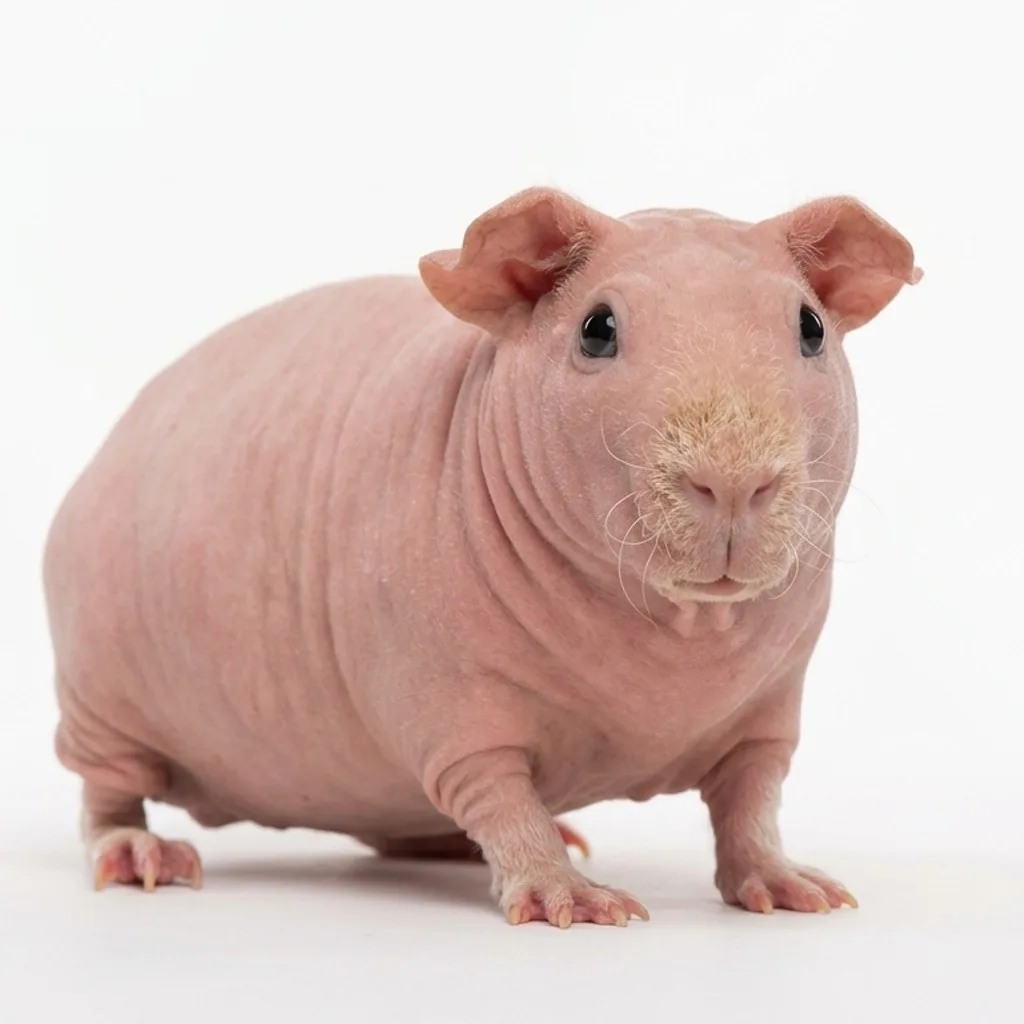
Skinny Pig (Hairless Guinea Pig)
The Skinny Pig is a near-hairless guinea pig, smooth-skinned apart from a little fuzz on the muzzle, feet and legs, and it comes in colours ranging from pink to black, chocolate and spotted. Developed in Canada, it keeps the stocky build and sociable habits of a coated guinea pig: gentle, curious, rarely inclined to bite, and talkative, wheeking for food and purring when settled. Skinny Pigs live roughly four to six years and do best in pairs or small groups, with daily handling and supervised floor time outside the cage. The trade-off is climate control. Bare skin means indoor housing in a warm, draught-free room around 20-24C, out of direct sun, and frequent checks for dryness, cuts and fungal skin trouble. Like all guinea pigs they need unlimited hay and a vitamin C source. Best suited to a household ready for hands-on daily care rather than a low-effort pet.
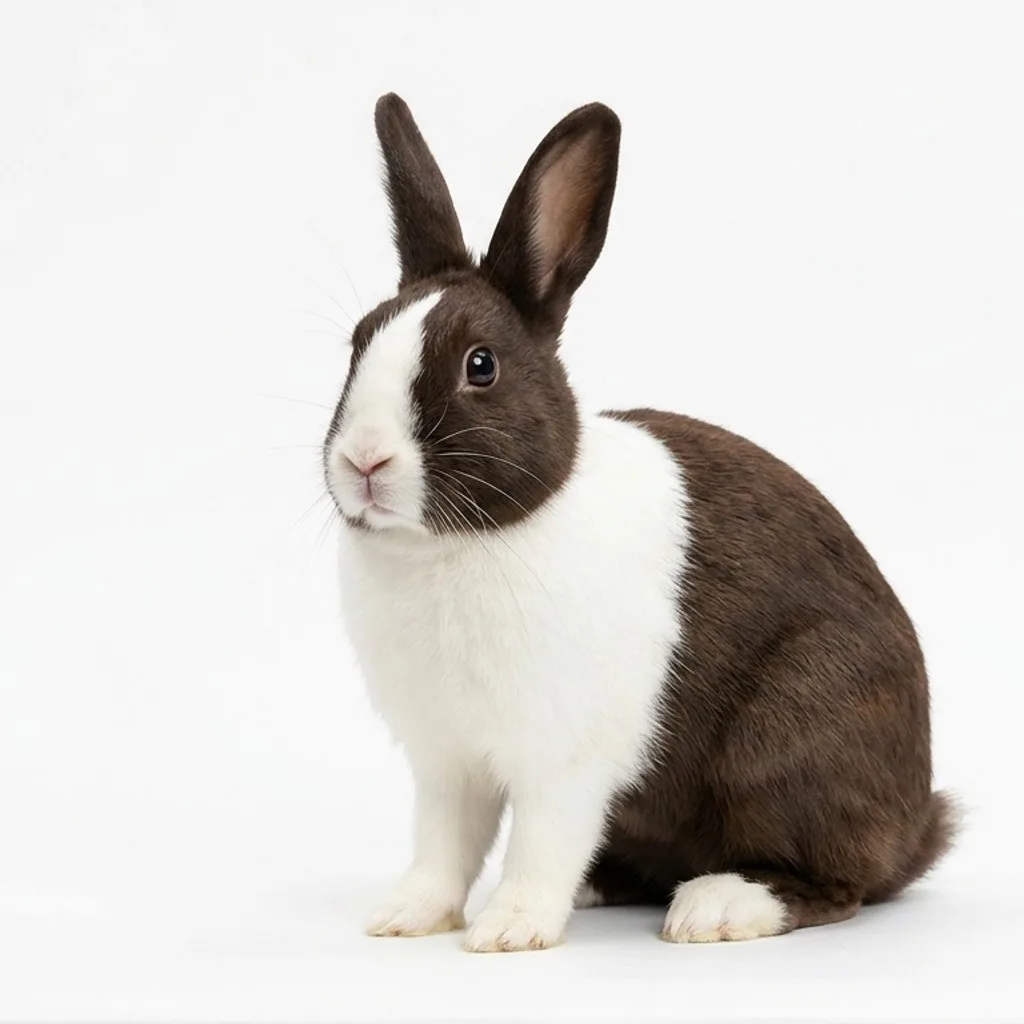
Dutch Rabbit
The Dutch Rabbit is a compact, boldly marked rabbit of roughly 1.8 to 2.5 kilograms, placid and even-tempered enough to suit families wanting a calm small pet. Its pattern is the giveaway: a white blaze running up the face between the eyes and a white saddle across the shoulders and back, meeting cleanly against a coloured head and rear in black, blue, chocolate, grey or tortoise. The short, dense, soft coat keeps grooming light: a weekly brush and nail trims every four to six weeks. Dutch Rabbits are intelligent, curious without being hyperactive, and become genuinely affectionate once settled, particularly where gentle handling starts early. They are social, do best in compatible pairs, take to litter training and settle into a household routine. They need three to four hours of supervised exercise daily in a secure, rabbit-proofed space, with housing that keeps out predators such as stoats and ferrets. Over a lifespan of 8 to 12 years they suit a household able to commit to daily care.
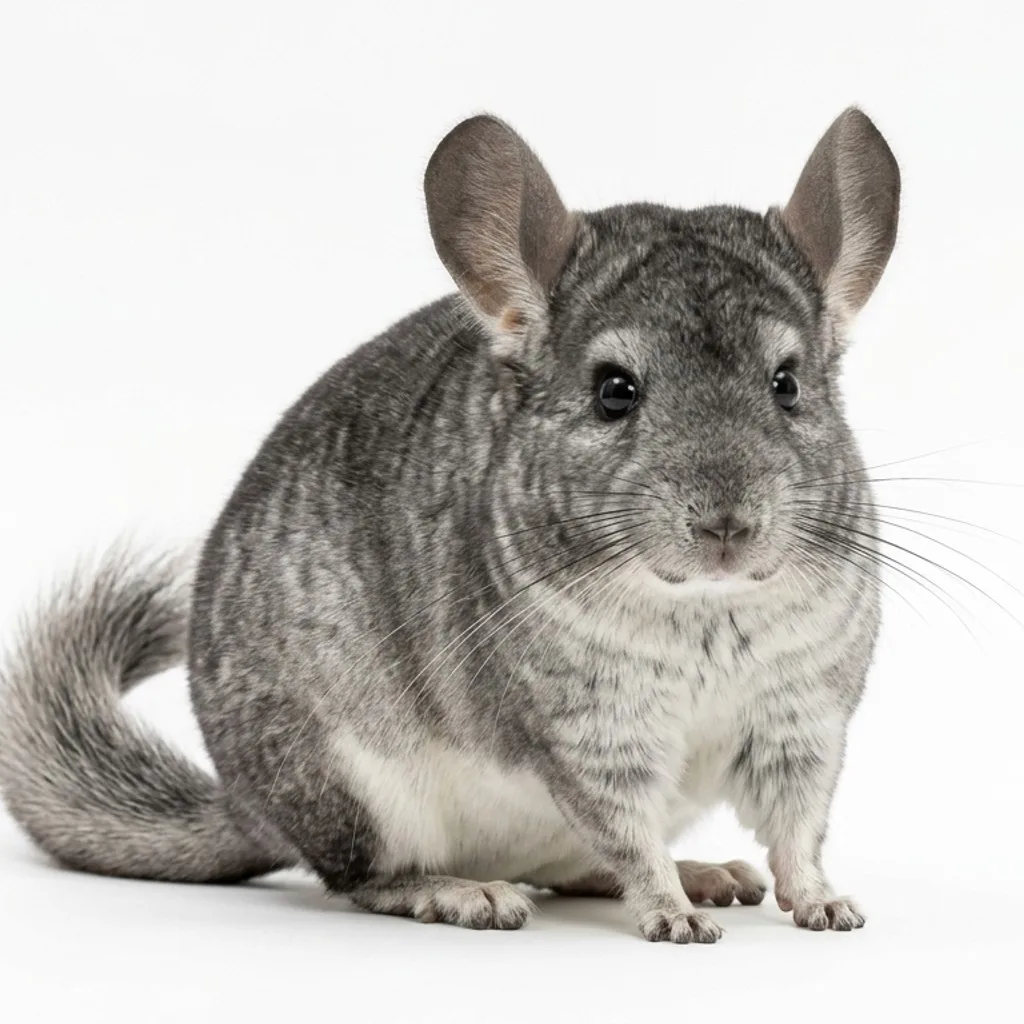
Chinchilla
The Chinchilla is a dense-furred rodent from the Andes of South America, active mainly at dawn and dusk and unusually long-lived for a small pet at fifteen to twenty years. Adults weigh roughly 400 to 800 grams, with a body of 25-35 cm plus a bushy tail, and coats running from the standard grey through beige, white, black and sapphire. Character is curious, agile and playful rather than cuddly: chinchillas would mostly rather climb, explore and chew than sit on a lap, and they turn skittish without calm, regular handling. They are social animals, usually kept in same-sex pairs or small groups. Care is specific, meaning a tall multi-level cage, a daily dust bath of ten to fifteen minutes, unlimited timothy hay with chinchilla-formulated pellets, and a room held below 25C, because heat is genuinely dangerous to them. A long-term pet for a patient household, not a starter animal.
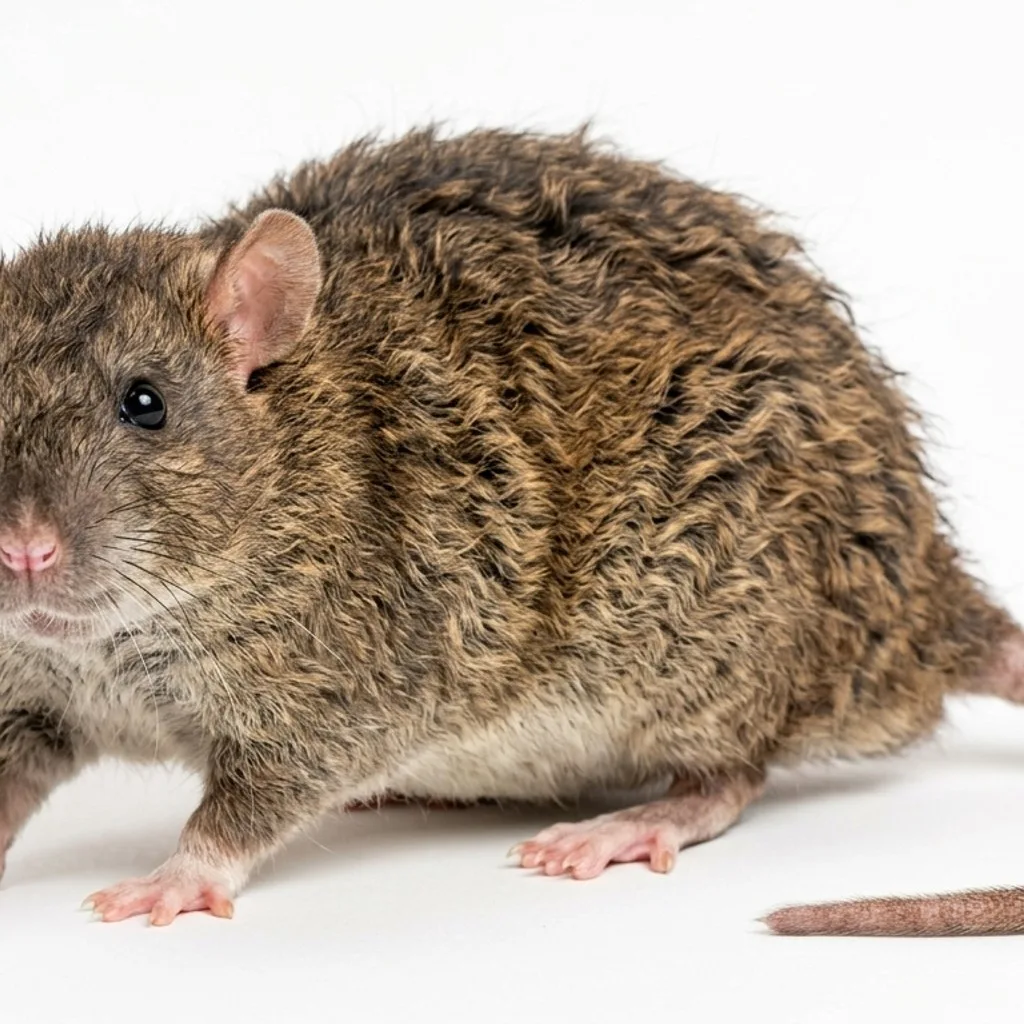
Rex Rat
Rex rats are fancy rats with a curly coat and curled whiskers — the same species and the same care as any pet rat. Pet rats are legal in NZ, but the rex coat is not present in New Zealand's closed rat gene pool (importing rats is banned) — NZ rats come in standard and NZ Angora coats only. They need company of their own kind and daily out-of-cage time. Watch for respiratory infection (Mycoplasma pulmonis), bumblefoot and age-related tumours. Typical lifespan is 2-3 years.
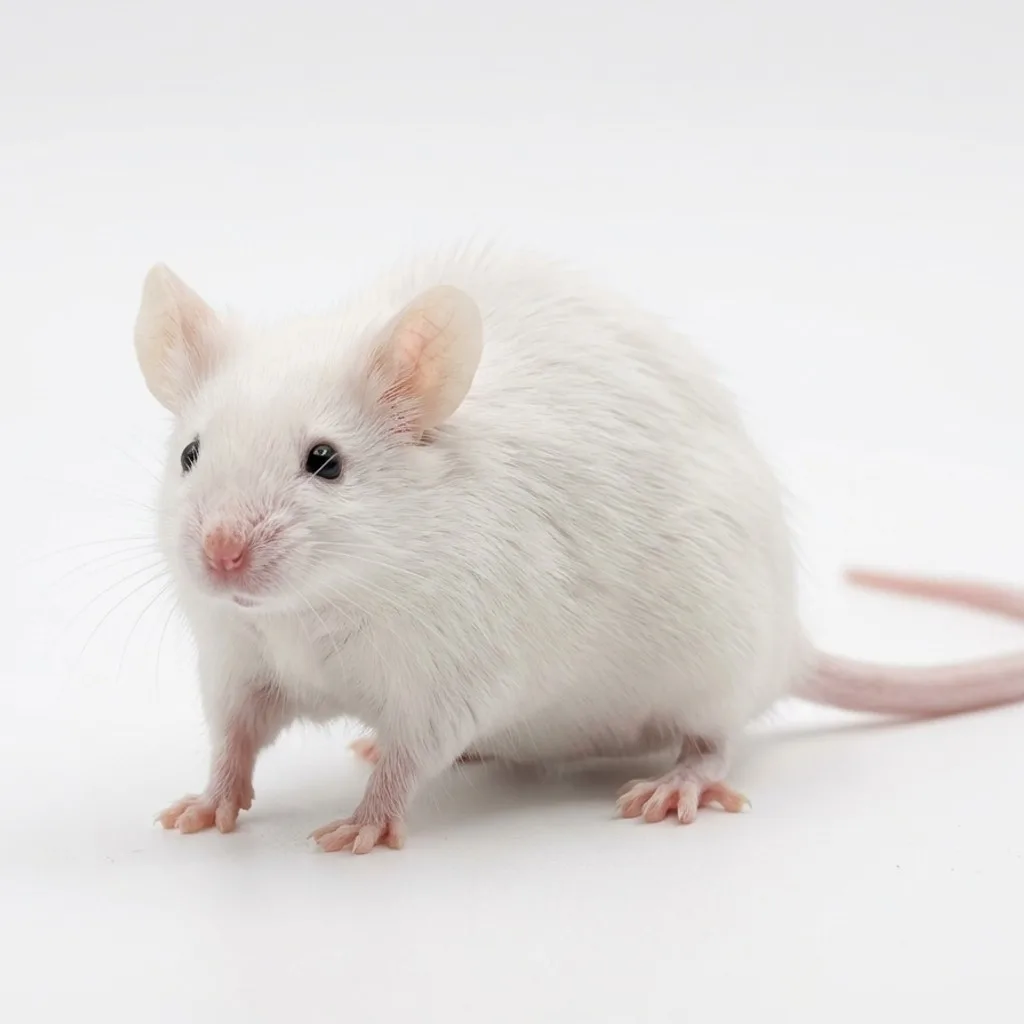
Fancy Mouse
Fancy mice are legal to keep in New Zealand and are the smallest of the common pet rodents here. They need genuinely secure housing, deep bedding to burrow in, and careful, patient handling — they are watchers more than cuddlers. Health issues to watch are respiratory infection, skin mites and tumours in older females. Typical lifespan is 1-3 years.
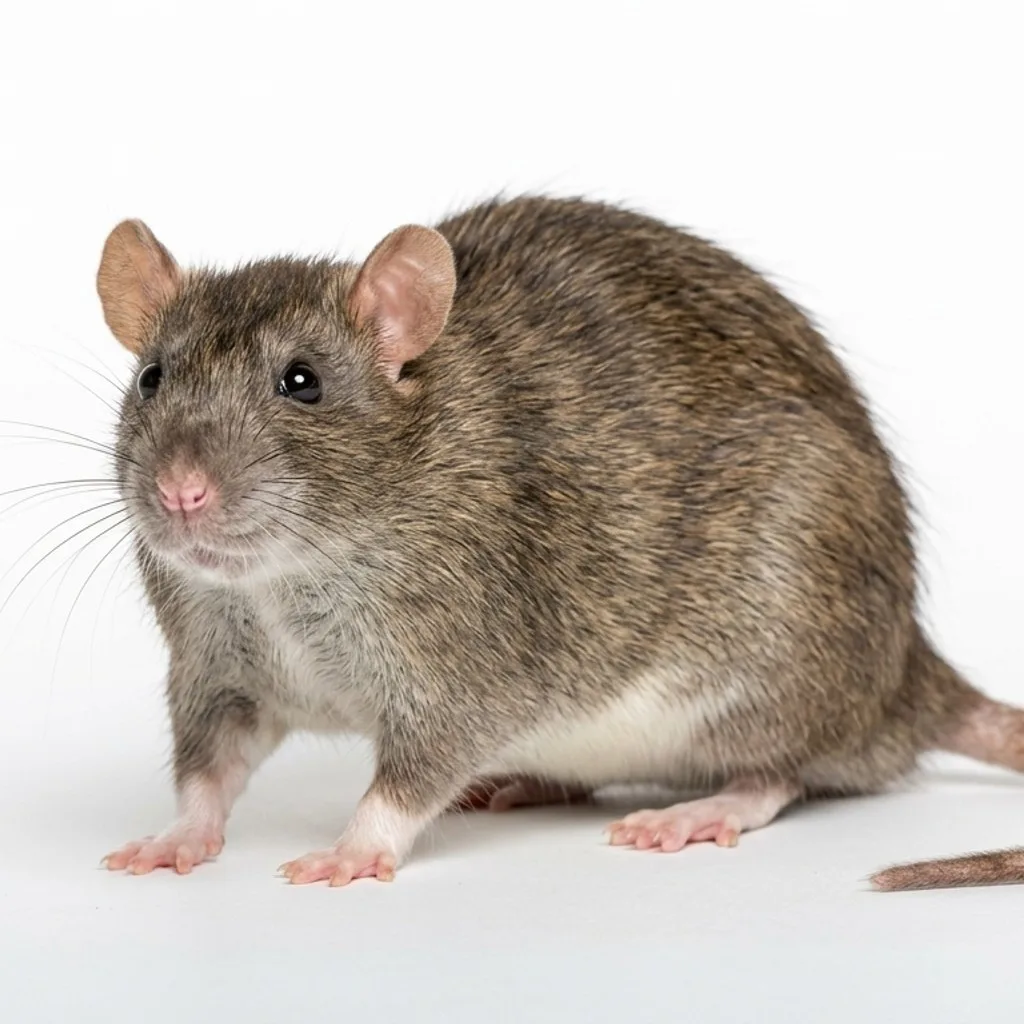
Fancy Rat
Fancy rats are the standard pet rat kept in New Zealand and are legal to keep here. They are highly social and need company of their own kind plus daily out-of-cage time — a single rat in a bare cage is a welfare problem, not a saving. The two health issues to plan for are respiratory infection (Mycoplasma pulmonis) and mammary tumours in older females. Typical lifespan is 2-3 years.