Pet Breed Guide NZ
Green Iguana
The Green Iguana, a striking arboreal reptile from Central and South America, is renowned for its vibrant green scales, impressive size, and distinctive dewlap. As pets, they are captivating but demand significant commitment, thriving only in meticulously controlled environments that replicate their tropical origins. They are primarily herbivorous, requiring a specific diet and crucial UVB lighting to prevent common health issues. In New Zealand, Green Iguanas are legal to own from existing stock, meaning no new imports are permitted. Prospective Kiwi owners must be prepared for the substantial space, heating, and humidity requirements, and always confirm local council and MPI regulations before acquiring one.
Photo Gallery
NZ Ownership Snapshot
Prohibited in NZ- Noise Level
- quiet
- Social Needs
- solitary
- Diet Type
- Primarily herbivorous
- UVB Required
- Yes
Green Iguanas are not on the NZ MPI approved species list and cannot be legally kept as pets in New Zealand.
Breed Snapshot
- Size
- large
- Lifespan
- 10-15 years
- Origin
- Central/South America
- Care Focus
- Enclosure-focused reptile with handling tolerance and activity needs that should be checked in a species-specific care guide.
- NZ Price
- NOT AVAILABLE IN NZ — prohibited species, no lawful source or price
- Annual Vet Cost
- Estimated annual vet/care costs in NZD for a Green Iguana can range from $200 - $600+, excluding initial setup costs or major medical emergencies. This covers routine check-ups, potential parasite treatments, and general health monitoring. However, access to exotic reptile veterinarians in New Zealand is limited, and specialist consultations or emergency treatments can quickly escalate into thousands of dollars due to the specialised knowledge and equipment required.
Personality Scores
NZ Lifestyle Fit
Green Iguanas are not suitable for typical New Zealand apartment living due to their immense size and the requirement for a very large, custom-built enclosure. Even in larger homes or bach properties, a dedicated space for their vivarium is essential. Climate-wise, New Zealand's varied weather presents challenges; while Auckland's humidity might be somewhat beneficial, consistent warmth and high humidity must be artificially maintained, especially in colder regions like the South Island. This means significant insulation and heating costs. There are no specific regional restrictions beyond the general MPI guidelines, but local councils may have bylaws. Sourcing is strictly from existing NZ stock, typically via private sales or specialist reptile groups. Always verify the seller's legal ownership and ensure you comply with MPI and local council regulations before acquiring a Green Iguana.
NZ legal status not yet verified against MPI, EPA, DOC and regional council records. Don't treat this page as confirmation that the species can legally be imported, bought, sold, bred or kept in New Zealand — check those official sources first.
No — you cannot legally keep a Green Iguana (Iguana iguana) in New Zealand. While these large, herbivorous lizards are common in the international pet trade, they are strictly prohibited under New Zealand's environmental protection legislation. There are no legal captive populations of Green Iguanas in New Zealand, and importing them for private keeping is entirely illegal.
Why Green Iguanas are not legal in NZ
Green Iguanas are classified as a "new organism" under the Hazardous Substances and New Organisms (HSNO) Act 1996. This legislation states that any animal species not established in New Zealand prior to 29 July 1998 cannot be imported, kept, or bred without specific, highly restricted approvals, which are not granted for private pet owners.
The Environmental Protection Authority (EPA) maintains a strict ban on importing exotic reptiles to protect New Zealand's unique island ecology. Detailed rules on prohibited organisms are available on the EPA Prohibited Organisms portal.
Green Iguanas pose a substantial biosecurity threat. If they were to escape and establish in the wild, their herbivorous diet would put immense pressure on native Kiwi flora, and they could introduce exotic pathogens to native geckos and skinks. The species is completely absent from the NZHS Exotic Pets whitelist.
Because of these strict bans, Green Iguanas have historically been targeted by wildlife smugglers. For example, New Zealand courts have prosecuted individuals for smuggling operations, including a notable 2016 conviction where a smuggler was caught attempting to bring a green iguana, corn snake, and veiled chameleons into the country. You can read about these biosecurity violations on the Wikipedia Wildlife Smuggling in New Zealand page.
What if someone offers you one?
Because there are zero legal breeding lines of Green Iguanas in New Zealand, any individual offered for sale is highly likely to be smuggled. Smuggling wild animals or purchasing smuggled new organisms is a severe offence under both the Biosecurity Act 1993 and the HSNO Act 1996. Doing so carries heavy penalties, including substantial fines and potential imprisonment.
Smuggled reptiles undergo no quarantine, meaning they carry an extremely high risk of importing devastating reptile diseases (such as adenovirus or ranavirus) that could wipe out native lizard populations.
If you are offered a Green Iguana or witness someone advertising one for sale online, you should report it immediately to the Ministry for Primary Industries (MPI) via their confidential biosecurity hotline at 0800 80 99 66. Reporting these incidents helps safeguard New Zealand's native ecosystem.
Legal reptiles to keep instead
If you are fascinated by large, impressive reptiles but want to stay strictly within the law, New Zealand has several excellent, approved alternatives that are legally bred and kept by Kiwi hobbyists:
- Bearded Dragon: The Central Bearded Dragon (Pogona vitticeps) is an excellent alternative. They grow to a substantial size (around 50-60 cm) and are widely regarded as one of the friendliest and most interactive lizards in the world. Read our bearded dragon guide to learn more.
- Blue-Tongue Skink: The Eastern Blue-Tongue Skink (Tiliqua scincoides) is another large, docile, and legal exotic reptile. Keep in mind that they are managed as regional pests in some areas (like Auckland), which restricts breeding and sale, but keeping existing pets remains legal. Read our blue-tongue skink profile for details.
- Crested Gecko: If you want a lizard with unique physical features and a friendly nature, the Crested Gecko (Correlophus ciliatus) is highly popular, legal, and easy to care for indoors. See our crested gecko guide.
Sources
- Environmental Protection Authority (EPA). Prohibited organisms in New Zealand, checked 2026-07-04: https://www.epa.govt.nz/industry-areas/new-organisms/prohibited-organisms-in-new-zealand/
- Wikipedia. Wildlife smuggling in New Zealand, checked 2026-07-04: https://en.wikipedia.org/wiki/Wildlife_smuggling_in_New_Zealand
- New Zealand Herpetological Society (NZHS). Approved exotic pet registry, checked 2026-07-04: https://www.reptiles.org.nz/herpetofauna/exotic-pets
Fun Facts
Fact 1
Green Iguanas possess a 'parietal eye' or 'third eye' on the top of their head, which can detect changes in light and shadow, helping them sense aerial predators.
Fact 2
Their prominent dewlap is not just for display; it also helps them regulate their body temperature by increasing the surface area exposed to the sun or air.
Fact 3
Iguanas are excellent swimmers and can hold their breath for extended periods, using their powerful tails to propel themselves through water.
Fact 4
Despite their name, Green Iguanas can change their colouration to shades of blue, orange, or brown depending on their mood, health, temperature, and even social status.
Fact 5
They have extremely sharp, serrated teeth designed for shearing plant material, and can deliver a painful bite if threatened.
Related Breeds
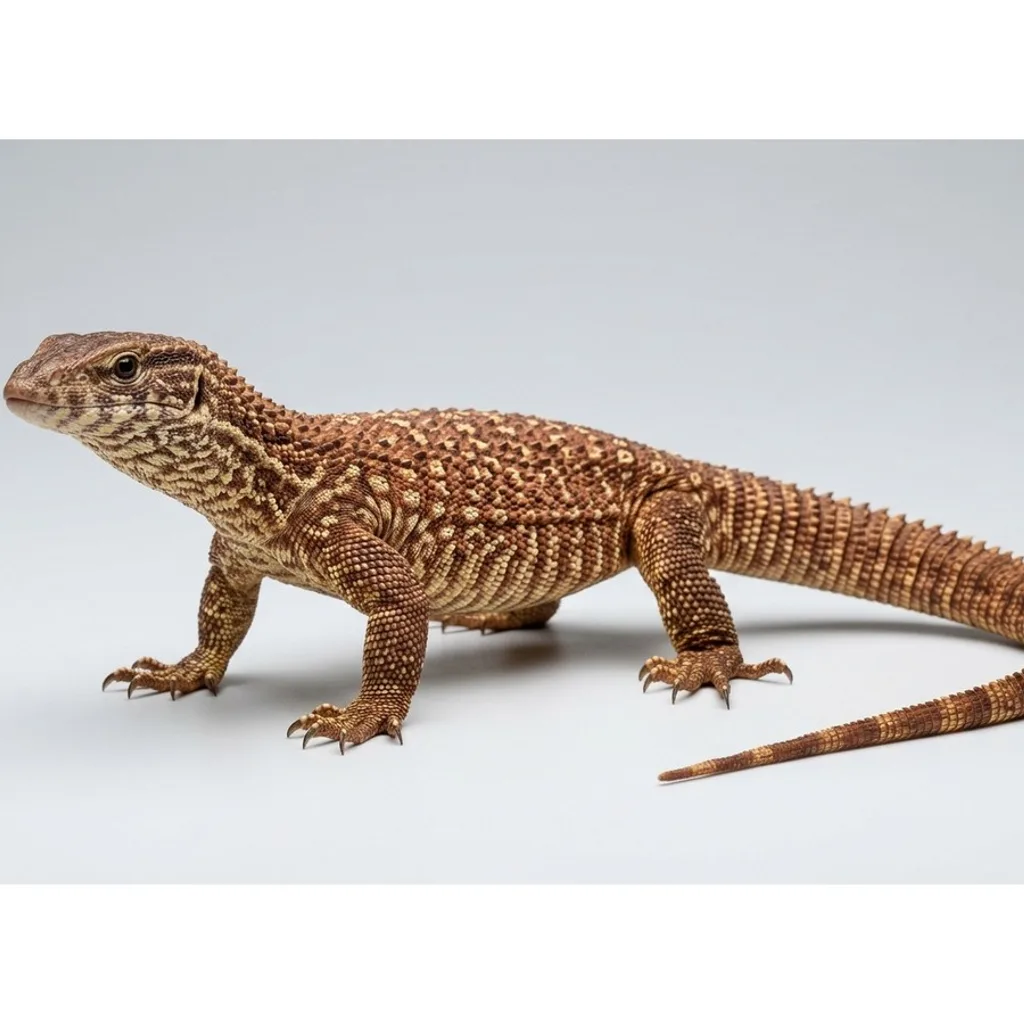
Ackie Monitor
The Ackie Monitor is not legally keepable in New Zealand; this page details the legal framework and approved alternative reptile species.
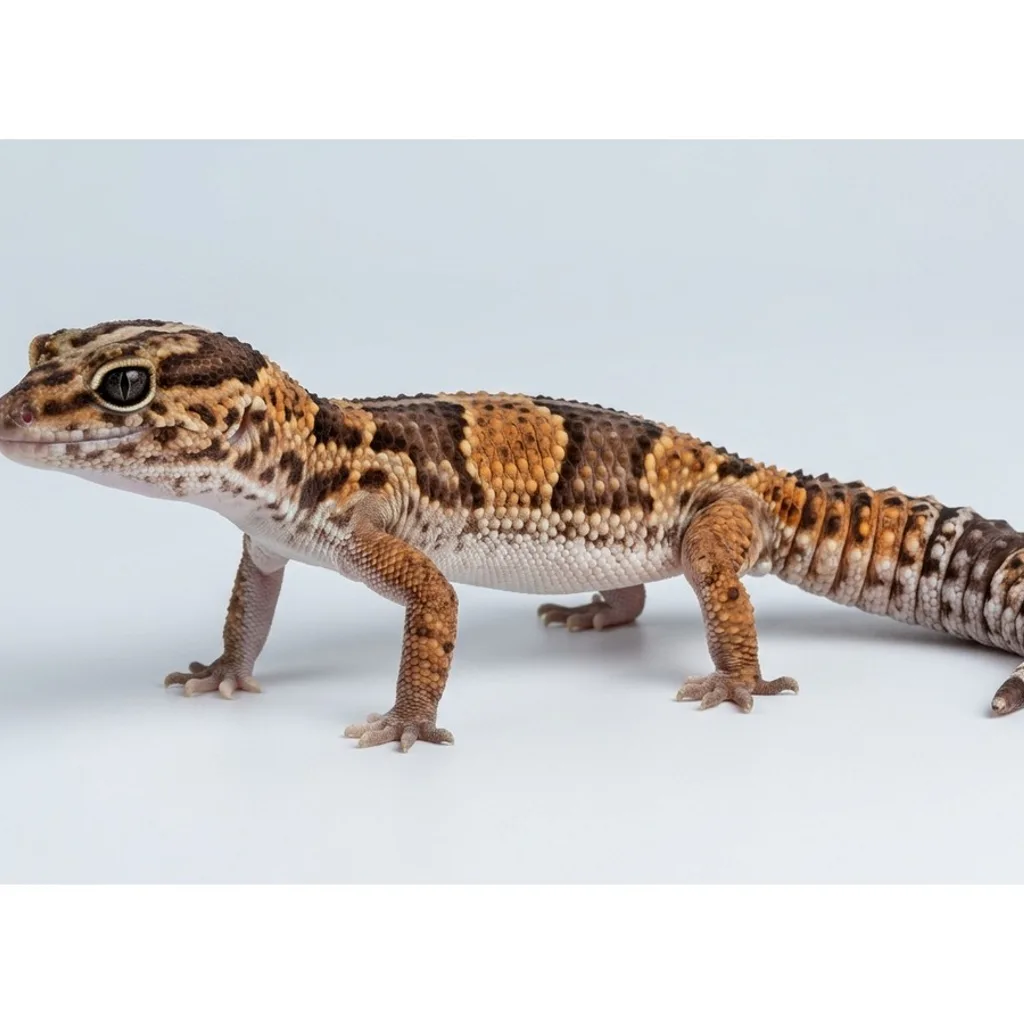
African Fat-tailed Gecko
The African Fat-tailed Gecko is a popular beginner reptile overseas, but it is prohibited in New Zealand: there is no legal captive population, reptile imports for the pet trade are not permitted, and under the HSNO Act 1996 it counts as a "new organism" that cannot lawfully be kept. This page explains the species and the NZ legal reality rather than how to keep one here. Typical lifespan in captivity overseas is 15-20 years.
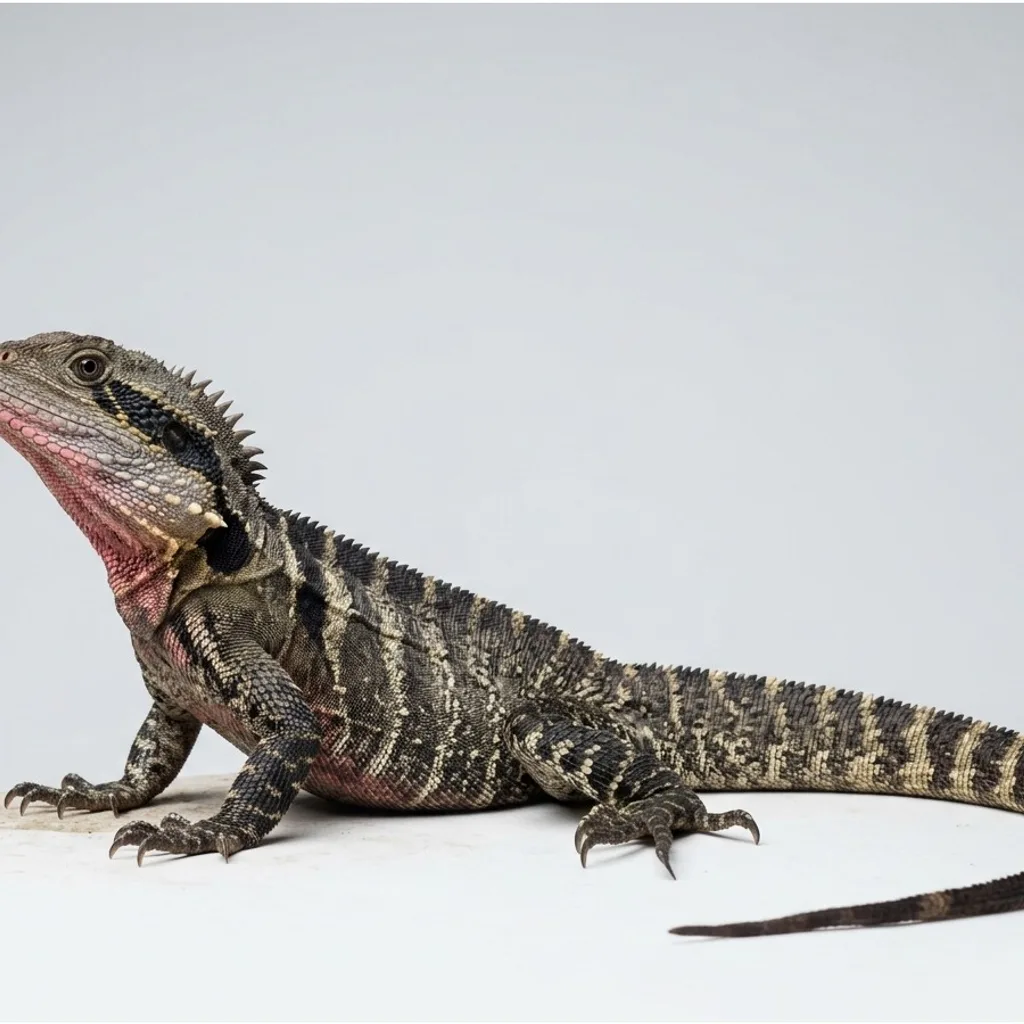
Australian Water Dragon
Australian Water Dragons are large, active semi-arboreal lizards native to Australia. They need large vertical climbing enclosures, high humidity, and a swimming pool, and are the only water dragon legal in NZ.
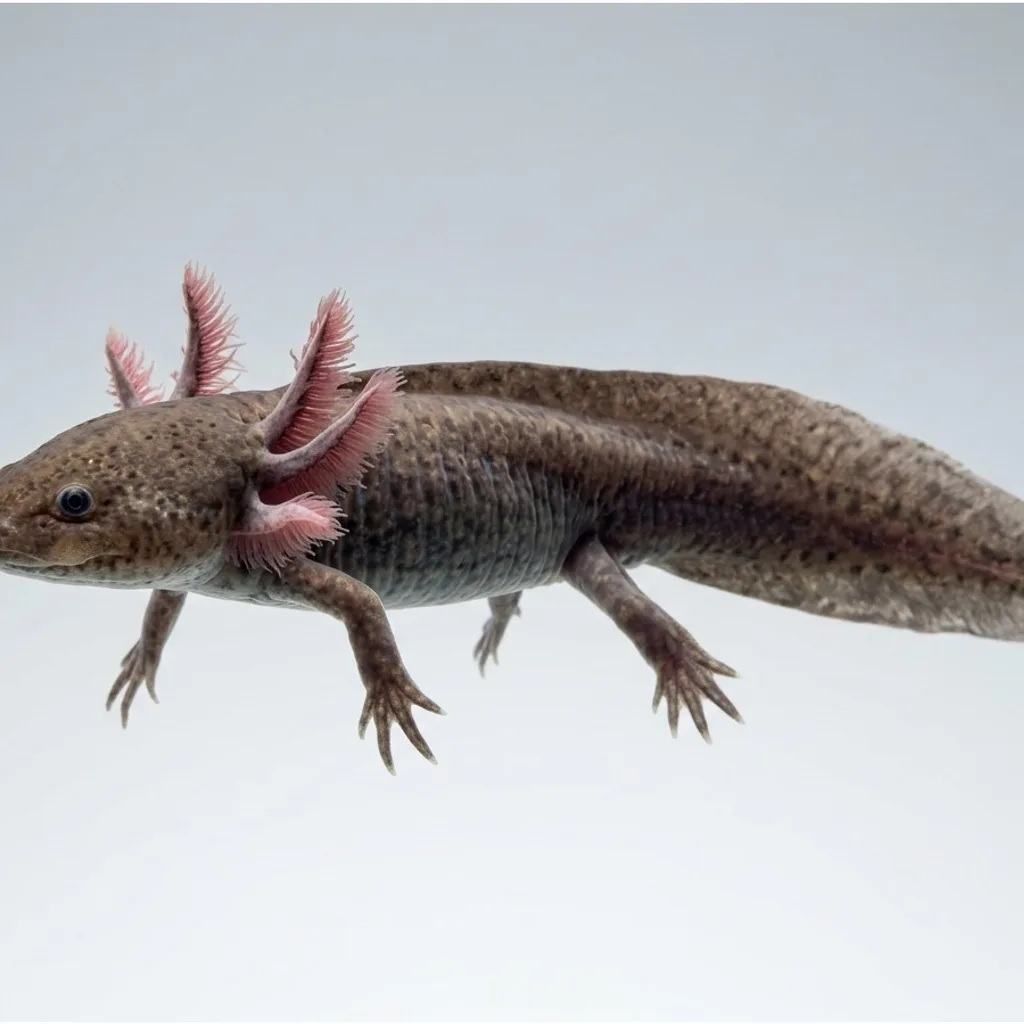
Axolotl (Mexican Walking Fish)
Axolotls are neotenic, fully aquatic salamanders native to Mexico. Famous for their branch-like external gills and smiling expressions, they are popular, low-maintenance aquarium pets in NZ.