Pet Breed Guide NZ
Rope Fish
The Rope Fish, also known as the Reedfish or Snakefish, is a captivating freshwater species originating from the swamps and slow-moving rivers of West Africa. With its elongated, serpentine body and distinctive dorsal finlets, it brings an ancient, prehistoric charm to a home aquarium. These medium-sized fish are known for their impressive lifespan, often living between 15 to 18 years with proper care. They are peaceful, bottom-dwelling predators that thrive in well-planted tanks with plenty of hiding spots. In New Zealand, the Rope Fish is generally legal to keep, offering Kiwi aquarists a unique and long-term aquatic companion, provided they confirm current MPI and local council guidelines.
Photo Gallery
NZ Ownership Snapshot
Verified NZ Status- Noise Level
- quiet
- Social Needs
- groups
- Water Type
- freshwater
- Tank Size
- 120L minimum
- Diet Type
- Prepared aquarium food, frozen foods, and species-appropriate live or vegetable foods
- UVB Required
- No
Not listed on Schedule 4 (Approved Species) of MPI's Import Health Standard: Ornamental Fish and Marine Invertebrates (ORNAMARI.ALL, 20 September 2021) — species not on the schedule cannot be imported. Verified 4 September 2026. Source: https://www.mpi.govt.nz/dmsdocument/17425-Ornamental-fish-and-marine-invertebrates-from-all-countries-Import-Health-Standard
Breed Snapshot
- Size
- medium
- Lifespan
- 15-18 years
- Origin
- West Africa
- Care Focus
- Best researched for compatible tank mates, grouping, and stable water conditions.
- NZ Price
- NZD $40 - $100 per fish
- Annual Vet Cost
- Estimated annual vet/care costs for a Rope Fish are relatively low, typically NZD $50 - $150. This primarily covers quality food, water conditioners, filter media, and potential medication for common ailments. However, access to exotic fish veterinarians in New Zealand is limited. While general vets may offer some assistance, specialist care for complex fish health issues can be scarce and potentially expensive if a specialist consultation is required. Prevention through excellent water quality and appropriate diet is key to minimising vet needs.
Personality Scores
NZ Lifestyle Fit
Rope Fish are well-suited for various New Zealand home types, from apartments to larger houses, provided a sufficiently sized aquarium (120L minimum) can be accommodated. Their quiet nature and minimal space requirements outside of their tank make them ideal for urban living. Climate considerations are important for their tank environment; while Auckland's humidity or the South Island's colder temperatures won't directly affect an indoor, heated aquarium, stable water temperature (24-28°C) is crucial. Ensure your heating system is reliable, especially during colder months. There are no specific regional restrictions on keeping Rope Fish within New Zealand, as their legal status is generally permissible nationwide. However, always double-check with MPI and your local council. Legally sourcing Rope Fish in NZ is typically done through reputable pet stores specialising in aquatic life or through established local breeders. Avoid any unregulated or black-market sources to ensure the health of the fish and compliance with NZ biosecurity laws.
NZ legal status not yet verified against MPI, EPA, DOC and regional council records. Don't treat this page as confirmation that the species can legally be imported, bought, sold, bred or kept in New Zealand — check those official sources first.
About the Rope Fish
The Rope Fish (Erpetoichthys calabaricus) is a truly unique and ancient species, often considered a 'living fossil' due to its primitive characteristics. Hailing from the freshwater environments of West Africa, particularly in countries like Nigeria, Cameroon, and Congo, these fascinating fish are known for their eel-like bodies and a series of small, individual dorsal finlets rather than a single continuous fin. They are not true eels but belong to the Polypteridae family, related to bichirs. Rope Fish are nocturnal and crepuscular, meaning they are most active during dawn, dusk, and nighttime, exploring their environment for food. With a potential lifespan of 15 to 18 years, they represent a significant long-term commitment for any aquarist. Their calm demeanour and intriguing appearance make them a popular choice for experienced freshwater enthusiasts looking for something out of the ordinary.
What They Look Like
Distinguished by their long, slender, snake-like bodies, Rope Fish can grow to an impressive length of up to 50-60 centimetres in a suitable aquarium environment, though they are often smaller in captivity. Their colouration typically ranges from olive green to brown on the dorsal side, fading to a lighter yellow or cream on their belly, often with a subtle marbled pattern. They possess small, pectoral fins that resemble paddles and a series of 8-15 small, individual dorsal finlets along their back, which are a hallmark of their species. Their eyes are relatively small, and they have a unique, almost cartilaginous skeletal structure. These fish also have a pair of functional lungs, allowing them to breathe atmospheric air, which is a key adaptation for their natural habitat where water quality can fluctuate.
Personality & Behaviour
Rope Fish are generally peaceful and shy, preferring to spend their days hidden amongst plants, driftwood, or rockwork. They are primarily bottom-dwellers and will often be seen resting on the substrate or slowly gliding through the lower levels of the tank. Despite their predatory nature, they are not aggressive towards tank mates that are too large to be considered food. They are social animals and thrive best when kept in groups of three or more, which encourages more active and confident behaviour. When kept alone, they can become withdrawn and stressed. Their nocturnal habits mean they are most active after the lights go out, diligently searching for food with their keen sense of smell. They are known for their ability to squeeze through incredibly small gaps, so a secure, tightly fitting lid is absolutely essential for their enclosure.
Life in New Zealand
For Kiwi aquarists, the Rope Fish offers a unique addition to a freshwater setup. Its legal status in New Zealand is generally permissible, meaning it's not a prohibited species under the Biosecurity Act. However, prospective owners must always adhere to the mandatory legal instruction: this animal is generally legal in NZ, but owners should still check current MPI (Ministry for Primary Industries) guidance and local council rules before acquiring one. Sourcing should always be from reputable, legal pet stores or breeders within New Zealand to ensure compliance and the health of the fish. Given their preference for stable tropical conditions, they are well-suited to indoor aquariums across New Zealand, from the humid Northland to cooler South Island regions, provided the tank's heating and filtration are robust.
Is This the Right Pet for You?
Bringing a Rope Fish into your home is a rewarding experience, but it requires a commitment to providing a specific environment. Their long lifespan means you'll be caring for them for many years, so consider the long-term dedication. They need a spacious aquarium (120L minimum for a small group) with excellent filtration and plenty of hiding spots. Their social nature means they thrive in groups, which means more space and resources are needed. While generally peaceful, their predatory instincts mean careful consideration of tank mates is crucial. If you're an experienced aquarist looking for an intriguing, low-maintenance (once established) fish with a unique personality and are prepared to provide a secure, species-appropriate habitat, then the Rope Fish could be an excellent addition to your Kiwi home.
Fun Facts
Fact 1
Rope Fish possess both gills and a pair of primitive lungs, allowing them to breathe atmospheric air, a trait that helps them survive in low-oxygen waters.
Fact 2
They are often called 'living fossils' because their lineage dates back millions of years, with very few changes in their physical form.
Fact 3
Despite their snake-like appearance, Rope Fish are not true eels but belong to the ancient Polypteridae family, which also includes bichirs.
Fact 4
Rope Fish are expert escape artists and can squeeze through incredibly small openings, making a completely secure tank lid essential.
Fact 5
They have a keen sense of smell, which they use to locate food in their natural, often murky, habitats and in the aquarium.
Related Breeds
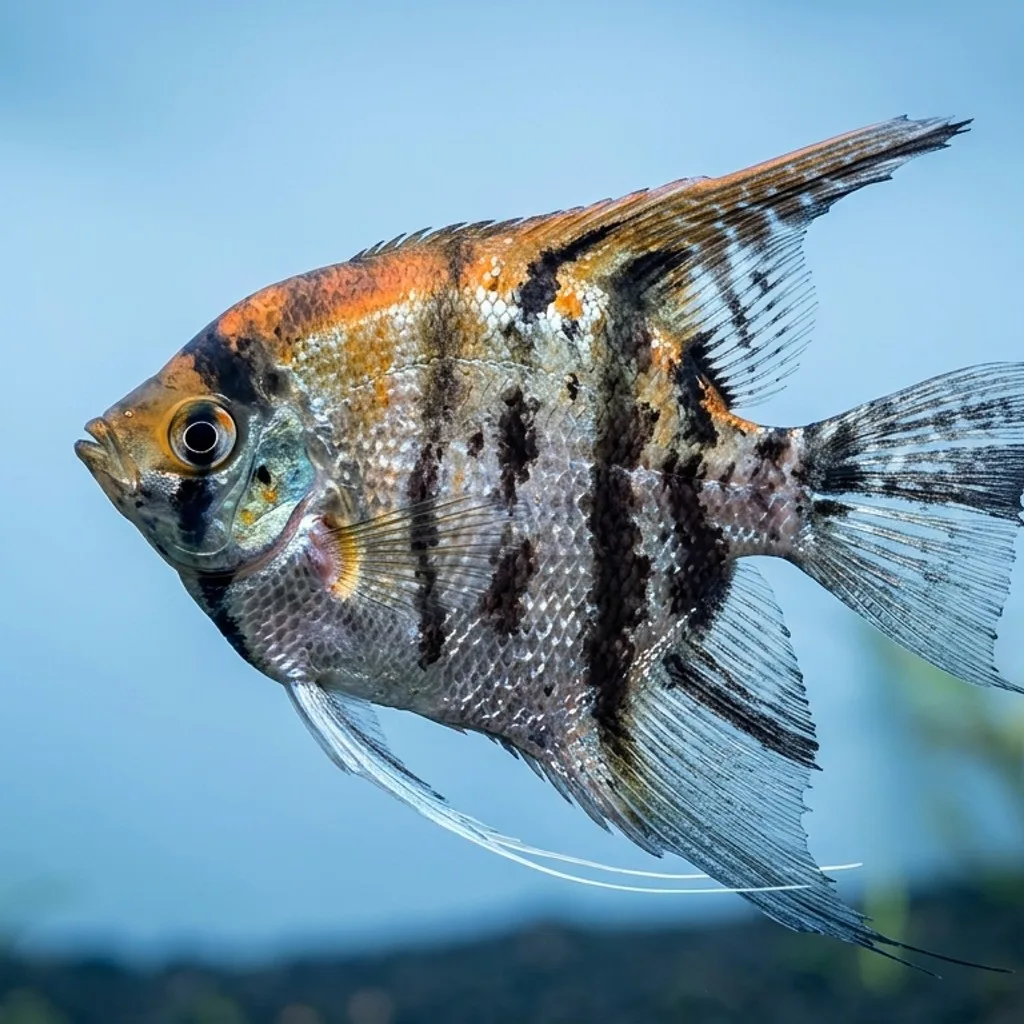
Angelfish
The Angelfish (Pterophyllum scalare) is a tall, disc-shaped freshwater cichlid from the slow-moving waters of the Amazon basin, recognised instantly by its long, trailing dorsal and anal fins. Adults reach around 15cm in length and 20cm in height including those fins, and can live 10 to 15 years, so the species is a long commitment rather than a starter fish. Angelfish are semi-aggressive by nature: usually calm in a settled community tank, but territorial while breeding or when kept in cramped quarters, and small tank mates may be treated as prey. They do best in groups of four to six in a tank of at least 120 litres, where a lone fish tends to become withdrawn. Selective breeding has produced marble, koi, black, albino and veiled forms alongside the wild silver body with dark vertical stripes. Angelfish suit intermediate aquarists who can hold water parameters steady and plan tank mates with care.
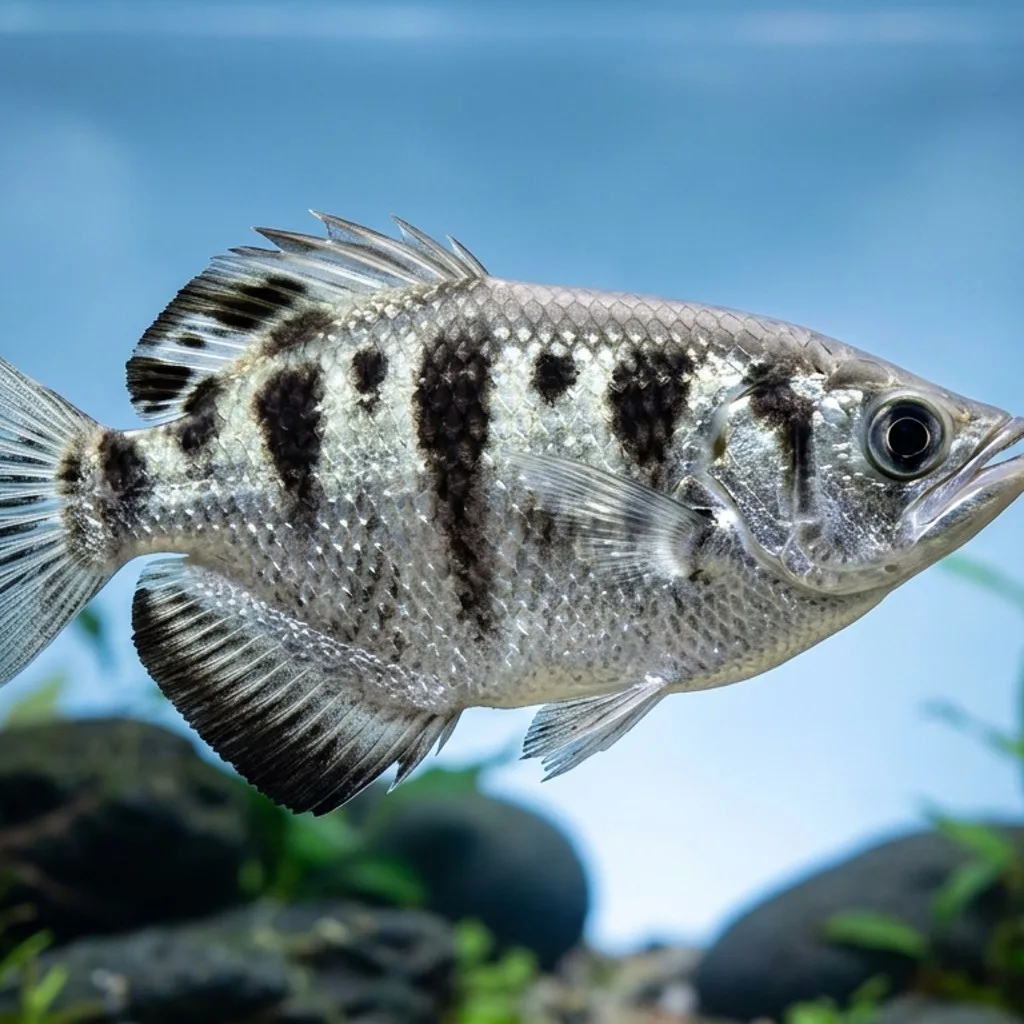
Archerfish
Archerfish is a medium fish originating from Indo-Pacific. It is listed on Schedule 4 (approved species) of MPI’s Import Health Standard for ornamental fish, so it can be legally imported and sold through the NZ aquarium trade. MPI classes it as a higher-risk species with additional import quarantine conditions. Typical lifespan is 5-10 years.
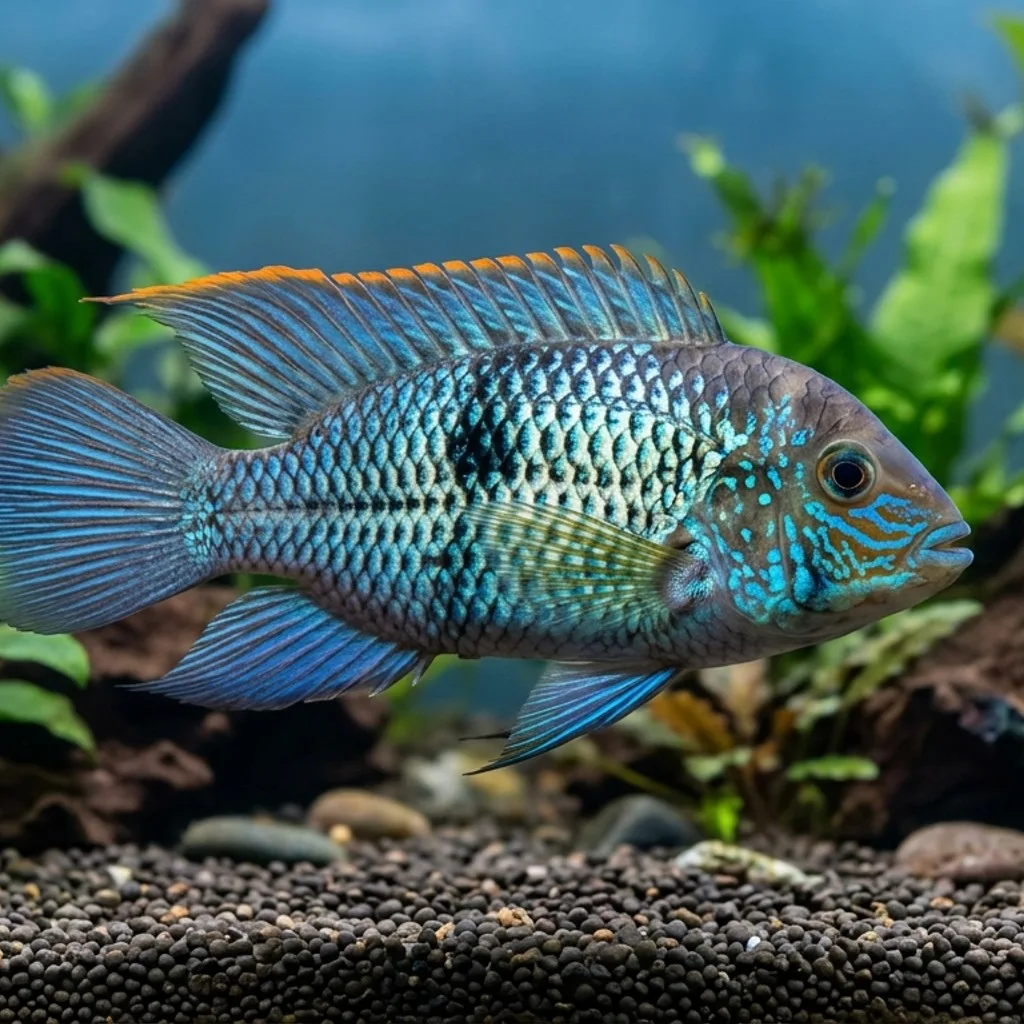
Blue Acara
Blue Acara is a medium fish originating from South America. It is listed on Schedule 4 (approved species) of MPI’s Import Health Standard for ornamental fish, so it can be legally imported and sold through the NZ aquarium trade. Typical lifespan is 7-10 years.
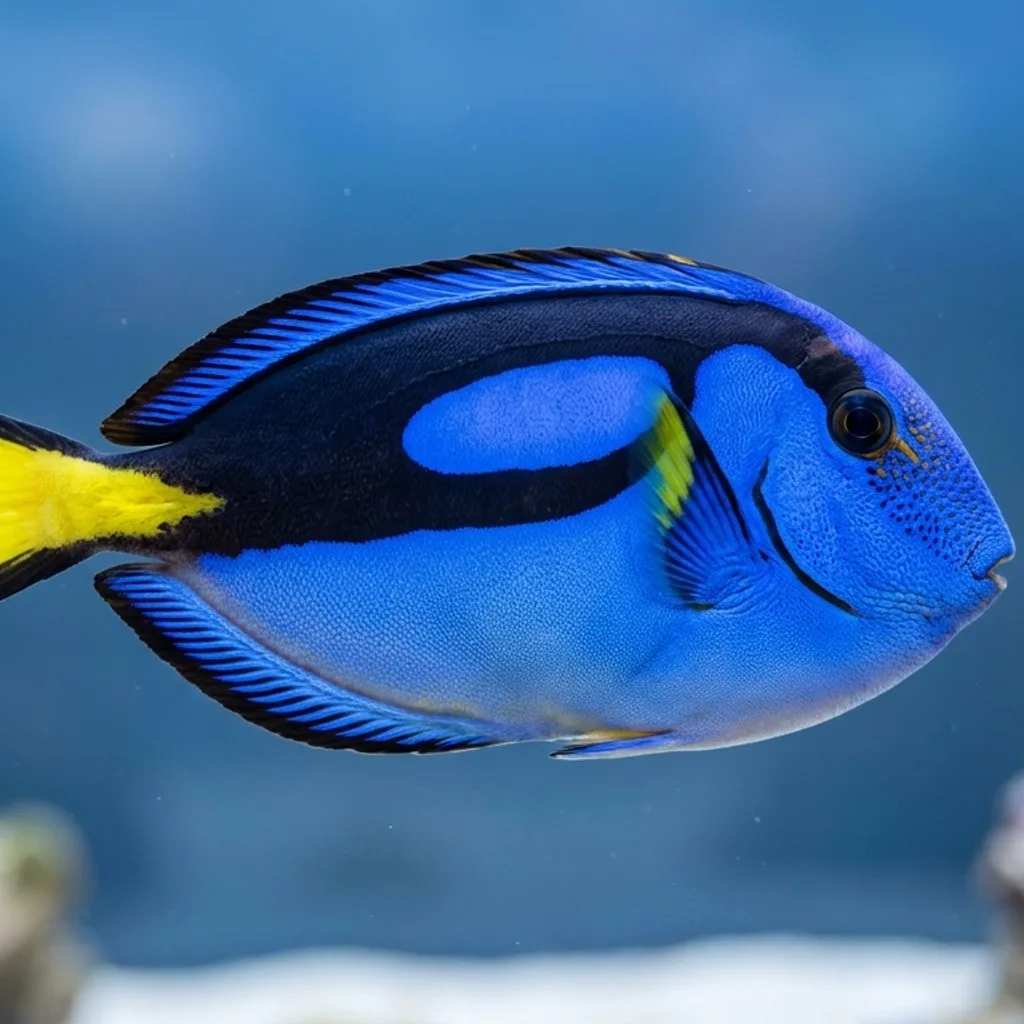
Blue Tang
Blue Tang is a medium fish originating from Indo-Pacific. It is listed on Schedule 4 (approved species) of MPI’s Import Health Standard for ornamental fish, so it can be legally imported and sold through the NZ aquarium trade. Typical lifespan is 8-20 years.