Pet Breed Guide NZ
Blue Tang
The Blue Tang (Paracanthurus hepatus) is an iconic and visually striking saltwater fish, instantly recognisable by its vibrant blue body, yellow tail, and black 'palette' mark. Famous for its role in popular culture, this surgeonfish brings a dynamic splash of colour and activity to a well-maintained marine aquarium. Originating from the Indo-Pacific, Blue Tangs are active swimmers requiring ample space to thrive. Their unique appearance and engaging behaviour make them a popular choice for experienced aquarists. In New Zealand, the Blue Tang is generally legal to keep, but prospective Kiwi owners must always verify current MPI guidance and local council regulations before acquiring one.
Photo Gallery
NZ Ownership Snapshot
Verified NZ Status- Noise Level
- quiet
- Social Needs
- groups
- Water Type
- saltwater
- Tank Size
- 120L minimum
- Diet Type
- Prepared aquarium food, frozen foods, and species-appropriate live or vegetable foods
- UVB Required
- No
Listed on Schedule 4 (Approved Species) of MPI's Import Health Standard: Ornamental Fish and Marine Invertebrates (ORNAMARI.ALL, 20 September 2021). Verified 4 September 2026. Source: https://www.mpi.govt.nz/dmsdocument/17425-Ornamental-fish-and-marine-invertebrates-from-all-countries-Import-Health-Standard
Breed Snapshot
- Size
- medium
- Lifespan
- 8-20 years
- Origin
- Indo-Pacific
- Care Focus
- Best researched for compatible tank mates, grouping, and stable water conditions.
- NZ Price
- NZD $80 - $300+ (depending on size and availability from legal sources)
- Annual Vet Cost
- Estimated annual vet/care costs for a Blue Tang in NZ are relatively low for routine issues, typically NZD $0 - $50 for general supplies and preventative care. However, if a fish becomes ill and requires specialist veterinary intervention, costs can escalate significantly (NZD $100 - $500+ per consultation/treatment). It's important to note that access to exotic animal veterinarians with specific expertise in fish health is limited in New Zealand, and such services can be expensive due to their specialised nature.
Personality Scores
NZ Lifestyle Fit
Blue Tangs are suitable for New Zealand homes that can accommodate a large saltwater aquarium, typically 120 litres minimum, though significantly larger tanks (300L+) are recommended for their long-term health and swimming needs. This makes them more suited to larger homes or dedicated fish rooms rather than small apartments, unless the apartment can house a substantial tank. Climate considerations in NZ, from Auckland's humidity to the South Island's colder temperatures, mean that a reliable aquarium heater and stable room temperature are essential to maintain the tropical conditions these fish require. There are no specific regional restrictions on Blue Tangs in NZ beyond general local council bylaws, but owners should always check with their local authority. Legally, Blue Tangs can be sourced from reputable specialist marine aquarium stores across New Zealand, ensuring they are healthy and legally imported.
NZ legal status not yet verified against MPI, EPA, DOC and regional council records. Don't treat this page as confirmation that the species can legally be imported, bought, sold, bred or kept in New Zealand — check those official sources first.
About the Blue Tang
The Blue Tang, scientifically known as Paracanthurus hepatus, is a captivating marine fish native to the coral reefs of the Indo-Pacific. Renowned for its stunning electric blue colouration, bright yellow tail, and distinctive black marking resembling a painter's palette, it's a favourite among aquarists and a familiar face from animated films. These active swimmers can live for 8 to 20 years in captivity with proper care, growing to a medium size that demands a substantial aquarium. While beautiful, their specific care requirements, including a large tank and stable water parameters, mean they are best suited for intermediate to advanced saltwater enthusiasts. They are primarily herbivores, grazing on algae, but also consume zooplankton.
What They Look Like
The Blue Tang is unmistakable. Its body is a deep, vivid blue, often deepening in intensity when stressed or at night. A striking black mark, unique to each individual, extends from the eye, along the dorsal fin, and curves down towards the caudal peduncle, resembling a painter's palette. The caudal fin (tail) is a brilliant yellow, providing a stark contrast to the blue body. Like all surgeonfish, they possess a sharp, retractable spine (scalpel) on either side of the caudal peduncle, which they can use for defence, hence their common name 'surgeonfish'. Juveniles are often brighter yellow with blue spots, gradually transitioning to their adult blue colouration as they mature.
Personality & Behaviour
Blue Tangs are generally peaceful fish, though they can exhibit territorial behaviour, especially towards other tangs or fish with similar body shapes. They are active swimmers, constantly exploring their environment and grazing on algae. In the wild, they often live in small groups or large aggregations, particularly when feeding. In an aquarium setting, they appreciate plenty of swimming space and rockwork for hiding and grazing. They are not typically aggressive towards other non-tang species, making them suitable for a diverse community tank, provided tank mates are not overly boisterous or predatory. Their constant movement and vibrant colour add significant life to a marine setup.
Life in New Zealand
In New Zealand, the Blue Tang is generally considered legal to keep as a pet fish. However, as with all exotic species, responsible ownership is paramount. Prospective owners in Aotearoa should always undertake due diligence by consulting the latest guidance from the Ministry for Primary Industries (MPI) and their local council. This ensures compliance with any specific regulations or biosecurity requirements that may be in place. Sourcing Blue Tangs from reputable NZ pet stores or specialist aquatic suppliers is crucial to ensure the health and legal provenance of the fish. Providing a suitable, large, and stable marine environment is key to their welfare in a Kiwi home.
Is This the Right Pet for You?
Keeping a Blue Tang is a rewarding experience but requires commitment. Their need for a large saltwater aquarium (120L minimum, with larger being significantly better for long-term health), stable water parameters, and a varied diet means they are not a 'starter' fish. You'll need to be prepared for regular water testing, water changes, and a consistent feeding schedule. If you have the space, time, and dedication to maintain a thriving marine environment, and are prepared for the ongoing costs associated with a large saltwater setup, then the Blue Tang can be an incredibly beautiful and engaging addition to your home. Their long lifespan means they are a long-term commitment, offering years of vibrant enjoyment.
Fun Facts
Fact 1
Blue Tangs are famous for their role as 'Dory' in the animated films 'Finding Nemo' and 'Finding Dory'.
Fact 2
They possess a sharp, retractable spine near their tail, resembling a surgeon's scalpel, which they use for defence.
Fact 3
Their colour can change intensity, often becoming darker or mottled when stressed or resting at night.
Fact 4
Juvenile Blue Tangs are typically bright yellow with blue spots, gradually changing to blue as they mature.
Fact 5
In the wild, they are primarily herbivores, playing a crucial role in controlling algae growth on coral reefs.
Related Breeds
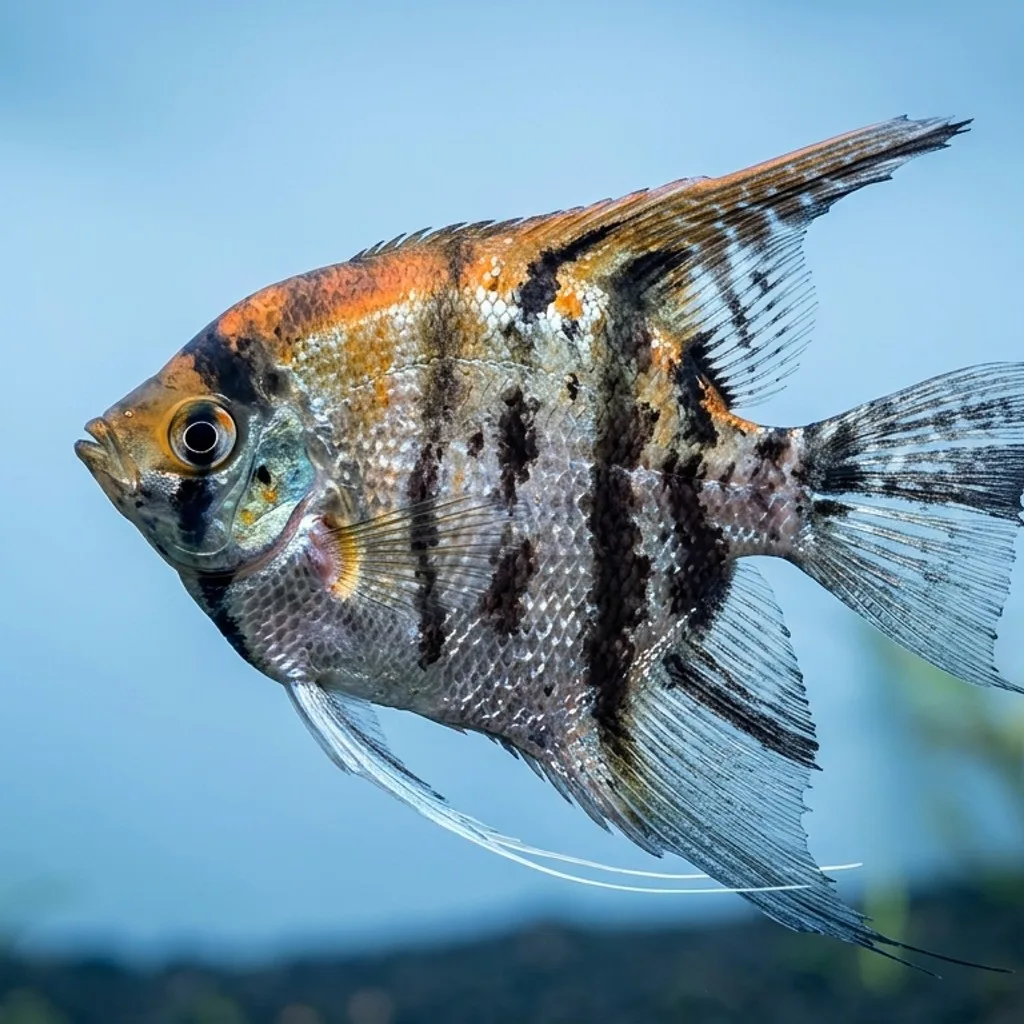
Angelfish
The Angelfish (Pterophyllum scalare) is a tall, disc-shaped freshwater cichlid from the slow-moving waters of the Amazon basin, recognised instantly by its long, trailing dorsal and anal fins. Adults reach around 15cm in length and 20cm in height including those fins, and can live 10 to 15 years, so the species is a long commitment rather than a starter fish. Angelfish are semi-aggressive by nature: usually calm in a settled community tank, but territorial while breeding or when kept in cramped quarters, and small tank mates may be treated as prey. They do best in groups of four to six in a tank of at least 120 litres, where a lone fish tends to become withdrawn. Selective breeding has produced marble, koi, black, albino and veiled forms alongside the wild silver body with dark vertical stripes. Angelfish suit intermediate aquarists who can hold water parameters steady and plan tank mates with care.
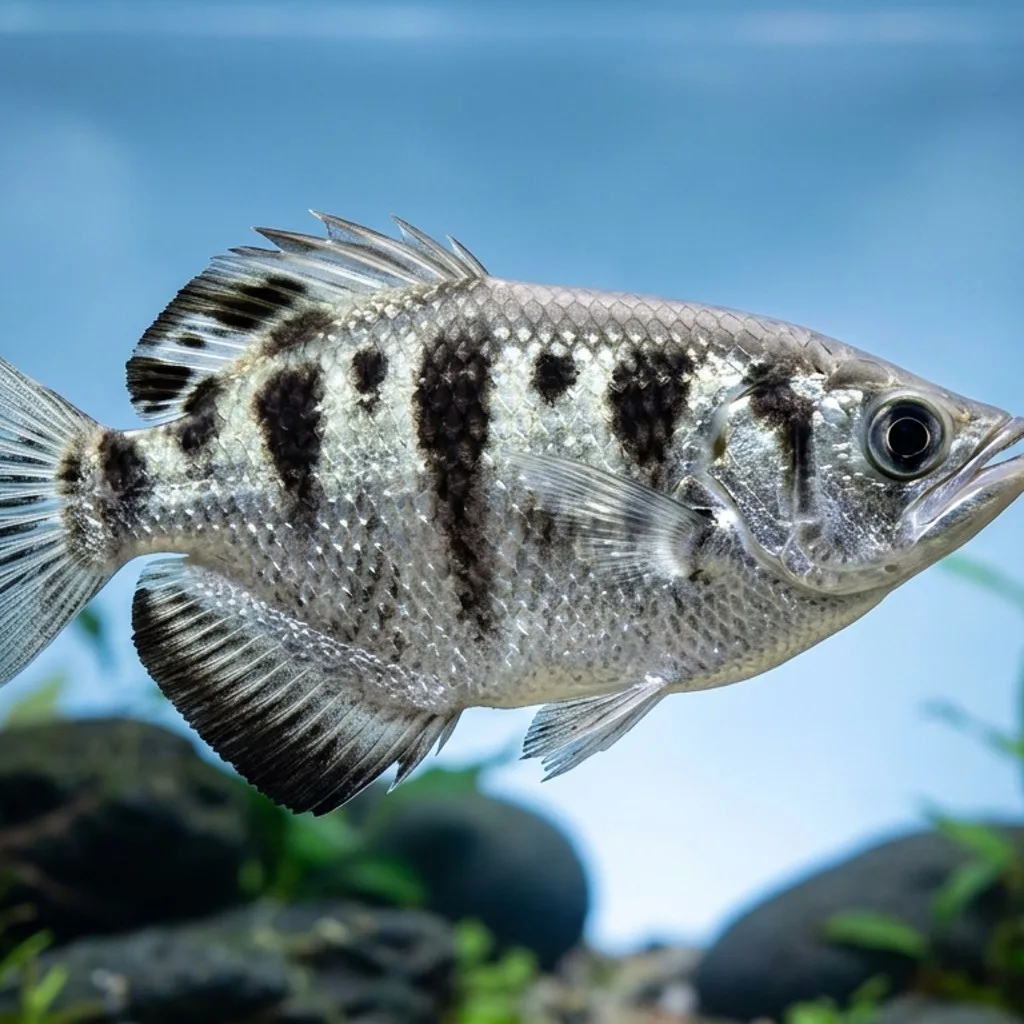
Archerfish
Archerfish is a medium fish originating from Indo-Pacific. It is listed on Schedule 4 (approved species) of MPI’s Import Health Standard for ornamental fish, so it can be legally imported and sold through the NZ aquarium trade. MPI classes it as a higher-risk species with additional import quarantine conditions. Typical lifespan is 5-10 years.
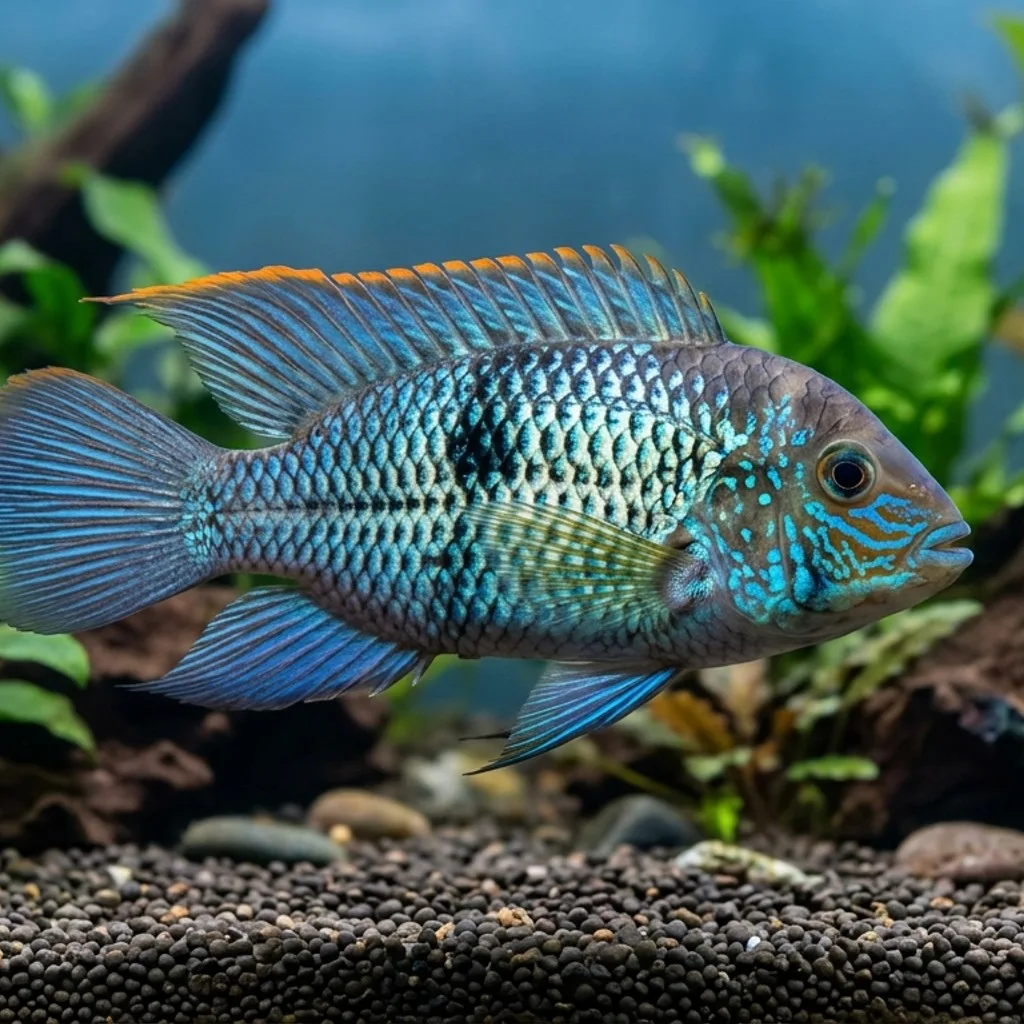
Blue Acara
Blue Acara is a medium fish originating from South America. It is listed on Schedule 4 (approved species) of MPI’s Import Health Standard for ornamental fish, so it can be legally imported and sold through the NZ aquarium trade. Typical lifespan is 7-10 years.
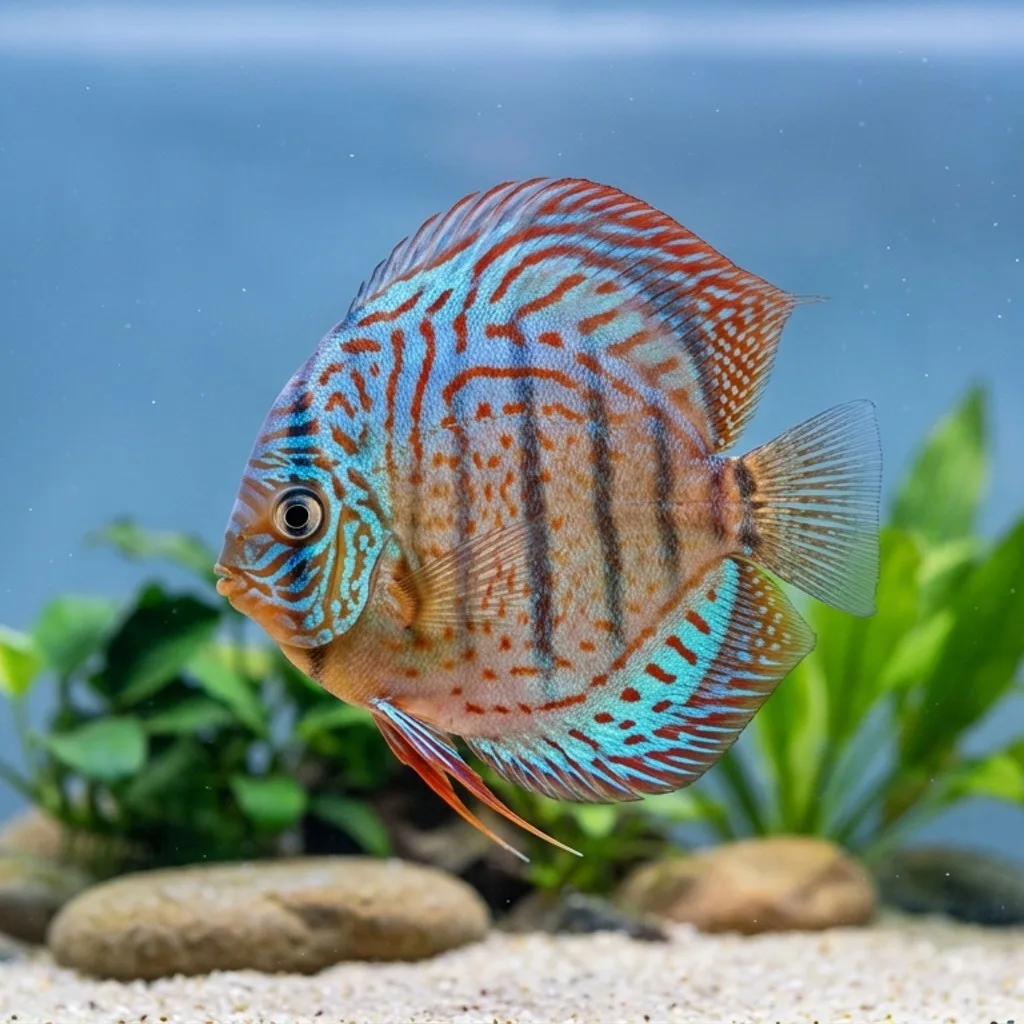
Discus
Discus is a medium fish originating from Amazon River. It is listed on Schedule 4 (approved species) of MPI’s Import Health Standard for ornamental fish, so it can be legally imported and sold through the NZ aquarium trade. MPI classes it as a higher-risk species with additional import quarantine conditions. Typical lifespan is 10-15 years.