Pet Breed Guide NZ
Archerfish
The Archerfish, a fascinating inhabitant of the Indo-Pacific's brackish waters, is renowned for its extraordinary hunting technique: spitting jets of water to knock insects off overhanging vegetation. These medium-sized fish, typically living 5-10 years, bring a unique blend of intelligence and predatory instinct to a home aquarium. They are social creatures, thriving in groups, and require a minimum 120L tank to accommodate their active nature and need for space. Their captivating behaviour makes them a truly engaging pet. In New Zealand, Archerfish are generally legal to keep, offering Kiwi aquarists a chance to observe this remarkable species, provided they confirm current MPI and local council regulations before acquiring one.
Photo Gallery
NZ Ownership Snapshot
Verified NZ Status- Noise Level
- quiet
- Social Needs
- groups
- Water Type
- brackish
- Tank Size
- 120L minimum
- Diet Type
- Prepared aquarium food, frozen foods, and species-appropriate live or vegetable foods
- UVB Required
- No
Listed on Schedule 4 (Approved Species) of MPI's Import Health Standard: Ornamental Fish and Marine Invertebrates (ORNAMARI.ALL, 20 September 2021), flagged as a higher-risk species with additional import conditions under Schedule 3. Verified 4 September 2026. Source: https://www.mpi.govt.nz/dmsdocument/17425-Ornamental-fish-and-marine-invertebrates-from-all-countries-Import-Health-Standard
Breed Snapshot
- Size
- medium
- Lifespan
- 5-10 years
- Origin
- Indo-Pacific
- Care Focus
- Best researched for compatible tank mates, grouping, and stable water conditions.
- NZ Price
- NZD $40 - $100 per fish (for juveniles/sub-adults)
- Annual Vet Cost
- Estimated annual vet/care costs for Archerfish in NZ can range from NZD $50 - $150, primarily for specialist fish medications or water testing kits. Access to exotic fish veterinarians in New Zealand is extremely limited, and most common issues are managed by experienced aquarists or general vets with an interest in aquatic health. Major health crises might incur higher costs if a specialist consultation is required and available.
Personality Scores
NZ Lifestyle Fit
Archerfish are best suited for experienced Kiwi aquarists with larger homes or dedicated fish rooms, as they require a minimum 120L tank for a small group, ideally larger. Their brackish water needs mean a specialised setup, which can be maintained in most New Zealand climates, though stable indoor temperatures are crucial. In Auckland's humid climate, evaporation might be slightly higher, requiring regular top-offs with dechlorinated water. In colder South Island regions, robust heating systems are essential to maintain their preferred tropical temperatures. There are no known regional restrictions on keeping Archerfish in NZ, but owners should always verify with their local council. Legally sourcing Archerfish in New Zealand is typically done through reputable specialist aquarium stores or dedicated breeders who can provide healthy, legally imported stock. Avoid unverified online sellers to ensure compliance with MPI regulations.
NZ legal status not yet verified against MPI, EPA, DOC and regional council records. Don't treat this page as confirmation that the species can legally be imported, bought, sold, bred or kept in New Zealand — check those official sources first.
About the Archerfish
Archerfish (Toxotes species) are truly one of nature's marvels, originating from the mangrove estuaries and freshwater rivers of the Indo-Pacific region. Their most famous trait, and the one that gives them their name, is their ability to shoot down prey with a well-aimed jet of water. This incredible hunting strategy, combined with their striking appearance and intelligent behaviour, makes them a captivating addition to a well-maintained aquarium. They are a medium-sized fish, typically reaching lengths of 15-20 cm, and can live for 5 to 10 years with proper care. While often associated with brackish water, some species can adapt to pure freshwater, though a slightly saline environment is generally preferred for optimal health. They are active, schooling fish that require ample space and a stimulating environment to thrive.
What They Look Like
Archerfish possess a distinctive body shape, often described as compressed and somewhat deep-bodied, allowing for agile movements in their natural habitat. Their most notable feature is their large, upward-pointing mouth, perfectly adapted for their unique hunting method. They typically exhibit a silvery-grey to greenish-brown base colouration, adorned with several prominent, dark vertical bands or spots along their flanks. These markings provide excellent camouflage amongst the roots and shadows of mangrove forests. Their fins are generally short and rounded, with a dorsal fin positioned far back on their body. Their eyes are relatively large, providing excellent vision for spotting prey both above and below the water's surface.
Personality & Behaviour
Archerfish are highly intelligent and social fish, best kept in groups of at least three to five individuals to encourage natural schooling behaviours and reduce stress. In a solitary setting, they can become shy or aggressive. They are active swimmers and spend much of their time near the surface, scanning for insects. Their hunting prowess is not just for show; it's a genuine display of problem-solving and precision. They can be observed 'spitting' at targets, often adjusting their aim for refraction. While generally peaceful towards fish too large to be considered prey, they can be opportunistic eaters and may attempt to consume smaller tank mates. They are curious and can even learn to recognise their owners, often coming to the front of the tank during feeding times.
Life in New Zealand
Archerfish are a legal species to keep in New Zealand, offering Kiwi aquarists a unique and engaging pet. However, prospective owners must always conduct due diligence by checking the latest regulations from the Ministry for Primary Industries (MPI) and their local council. While generally permitted, specific regional bylaws or updated national guidelines could apply. Sourcing Archerfish in New Zealand typically involves specialist aquarium stores or reputable breeders who can ensure the fish are healthy and legally acquired. Given their brackish water requirements, setting up an appropriate environment is crucial, especially considering New Zealand's varied climates, from Auckland's humidity to the South Island's cooler temperatures, which can influence tank heating and stability.
Is This the Right Pet for You?
Keeping Archerfish is a rewarding experience, but it requires commitment and a suitable setup. Their need for a spacious, brackish tank (minimum 120L for a small group) means they are not ideal for beginner aquarists or those with limited space. Their diet, which includes live insects and high-quality prepared foods, also demands attention. If you are fascinated by unique behaviours, enjoy observing intelligent fish, and are prepared to provide a dedicated environment, Archerfish could be an excellent choice. They are a long-term commitment, living up to 10 years, so ensure you are ready for the responsibility. For those in New Zealand, the opportunity to care for these remarkable 'spitting' fish is a privilege, provided all legal and care requirements are met.
Fun Facts
Fact 1
Archerfish can shoot a stream of water up to 3 metres to knock insects off leaves.
Fact 2
They compensate for light refraction when aiming, showing remarkable intelligence.
Fact 3
Some Archerfish species can adapt to both freshwater and brackish environments.
Fact 4
Their large, upward-pointing mouth is perfectly designed for their unique hunting style.
Fact 5
Archerfish can learn to recognise their owners and often 'beg' for food.
Related Breeds
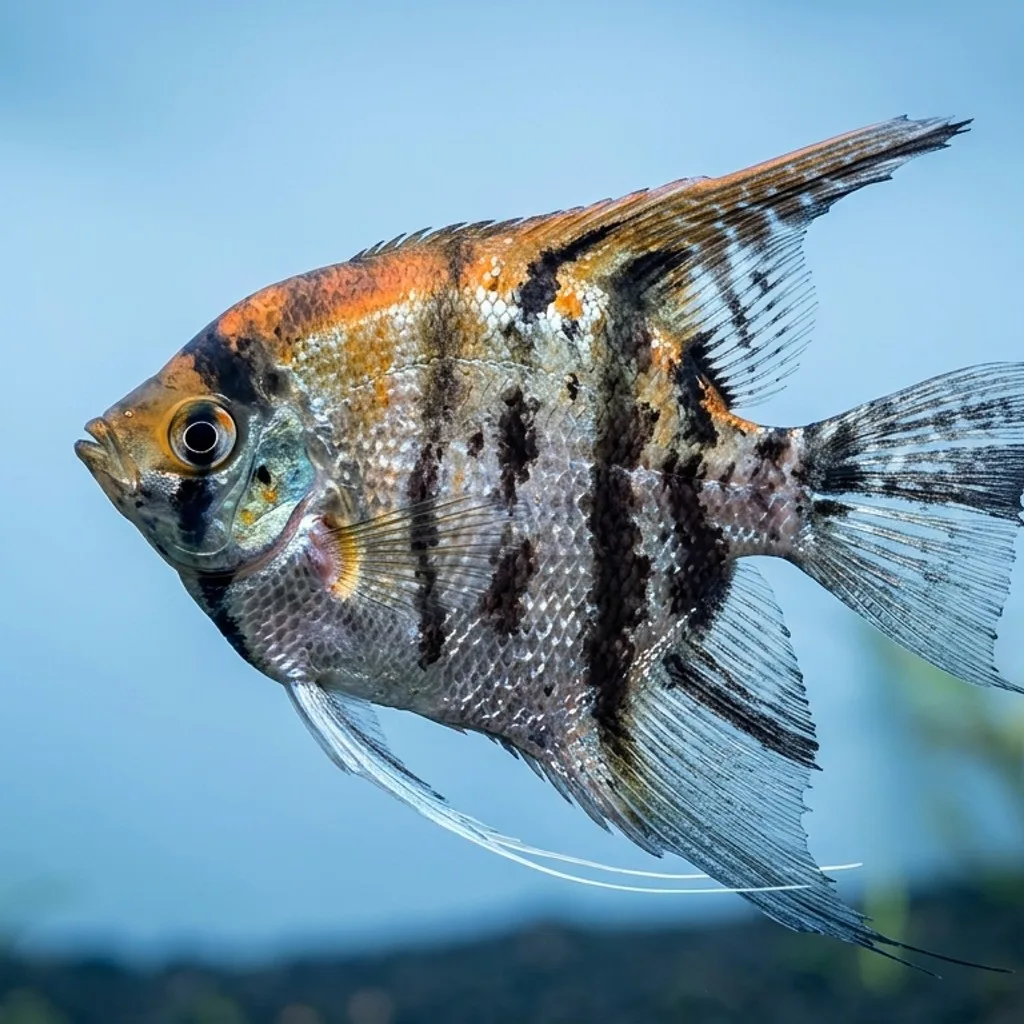
Angelfish
The Angelfish (Pterophyllum scalare) is a tall, disc-shaped freshwater cichlid from the slow-moving waters of the Amazon basin, recognised instantly by its long, trailing dorsal and anal fins. Adults reach around 15cm in length and 20cm in height including those fins, and can live 10 to 15 years, so the species is a long commitment rather than a starter fish. Angelfish are semi-aggressive by nature: usually calm in a settled community tank, but territorial while breeding or when kept in cramped quarters, and small tank mates may be treated as prey. They do best in groups of four to six in a tank of at least 120 litres, where a lone fish tends to become withdrawn. Selective breeding has produced marble, koi, black, albino and veiled forms alongside the wild silver body with dark vertical stripes. Angelfish suit intermediate aquarists who can hold water parameters steady and plan tank mates with care.
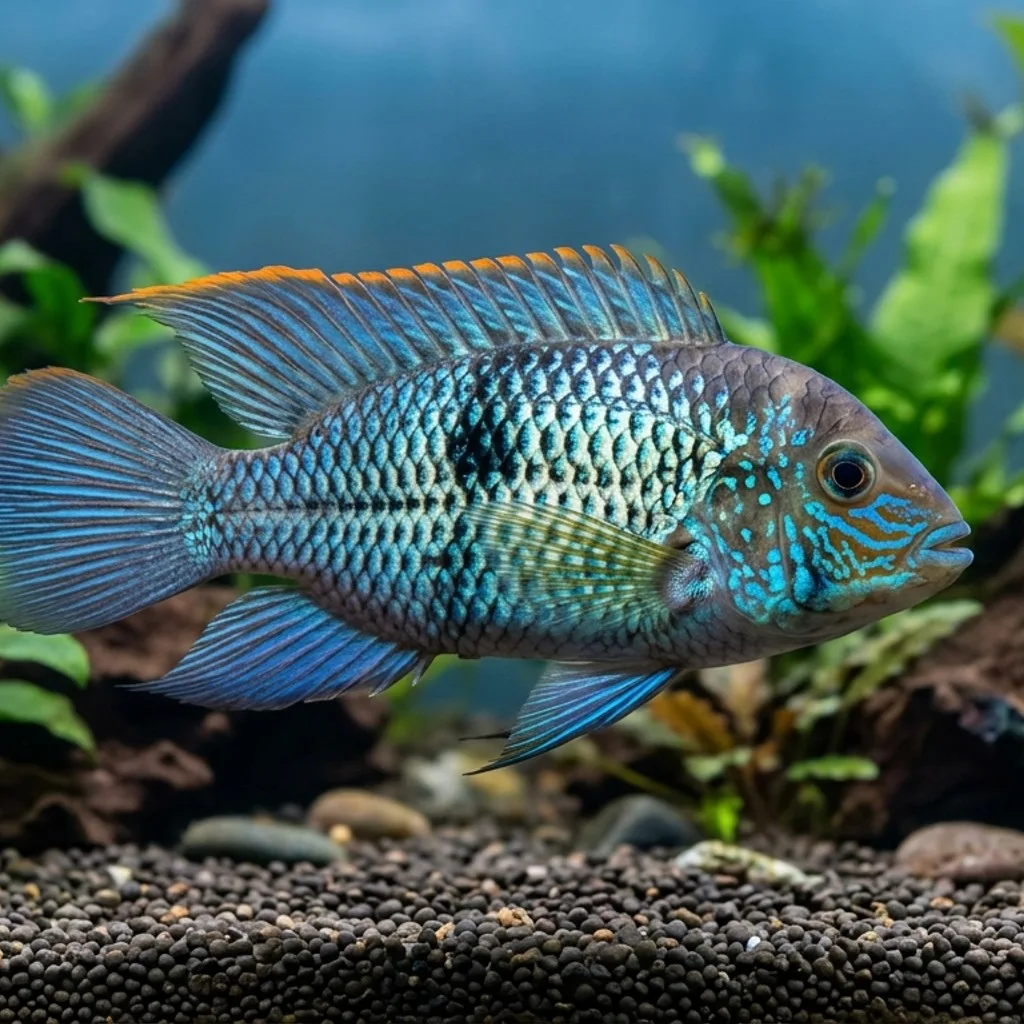
Blue Acara
Blue Acara is a medium fish originating from South America. It is listed on Schedule 4 (approved species) of MPI’s Import Health Standard for ornamental fish, so it can be legally imported and sold through the NZ aquarium trade. Typical lifespan is 7-10 years.
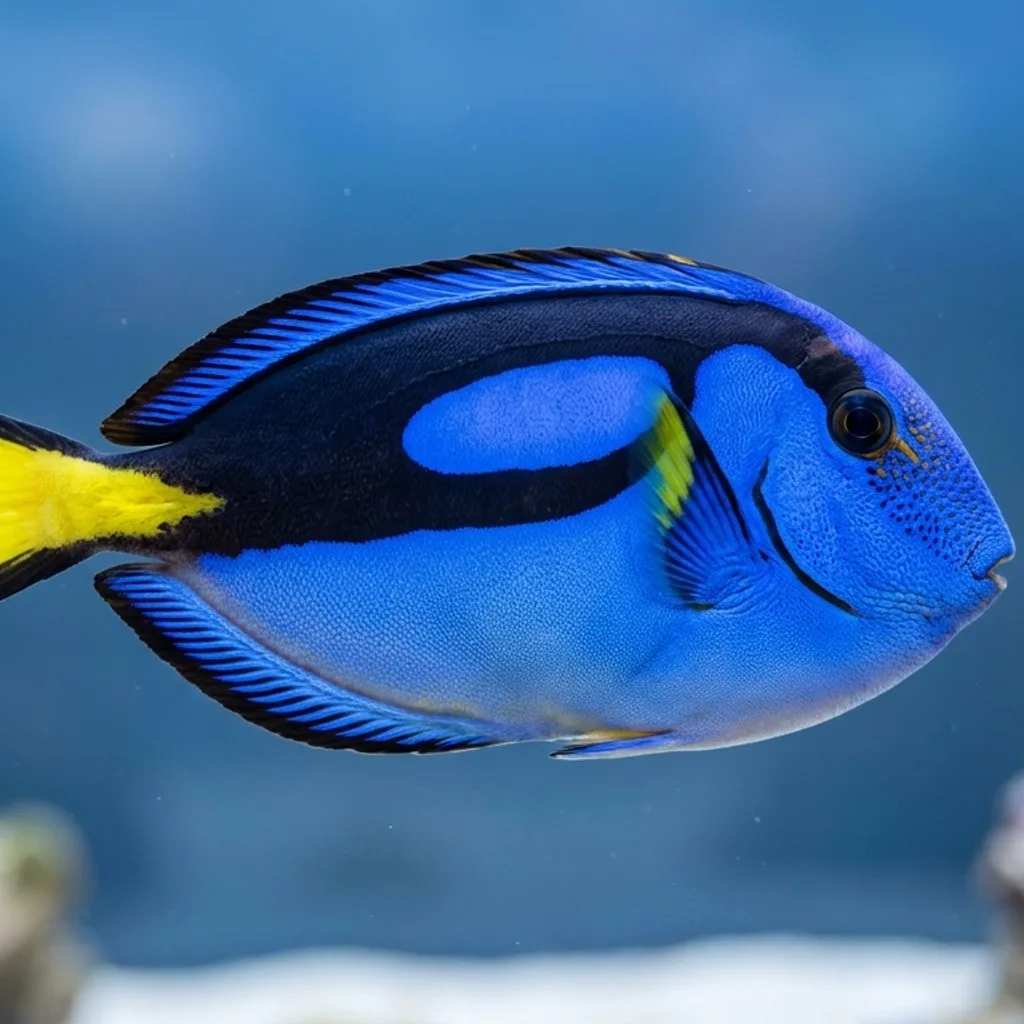
Blue Tang
Blue Tang is a medium fish originating from Indo-Pacific. It is listed on Schedule 4 (approved species) of MPI’s Import Health Standard for ornamental fish, so it can be legally imported and sold through the NZ aquarium trade. Typical lifespan is 8-20 years.
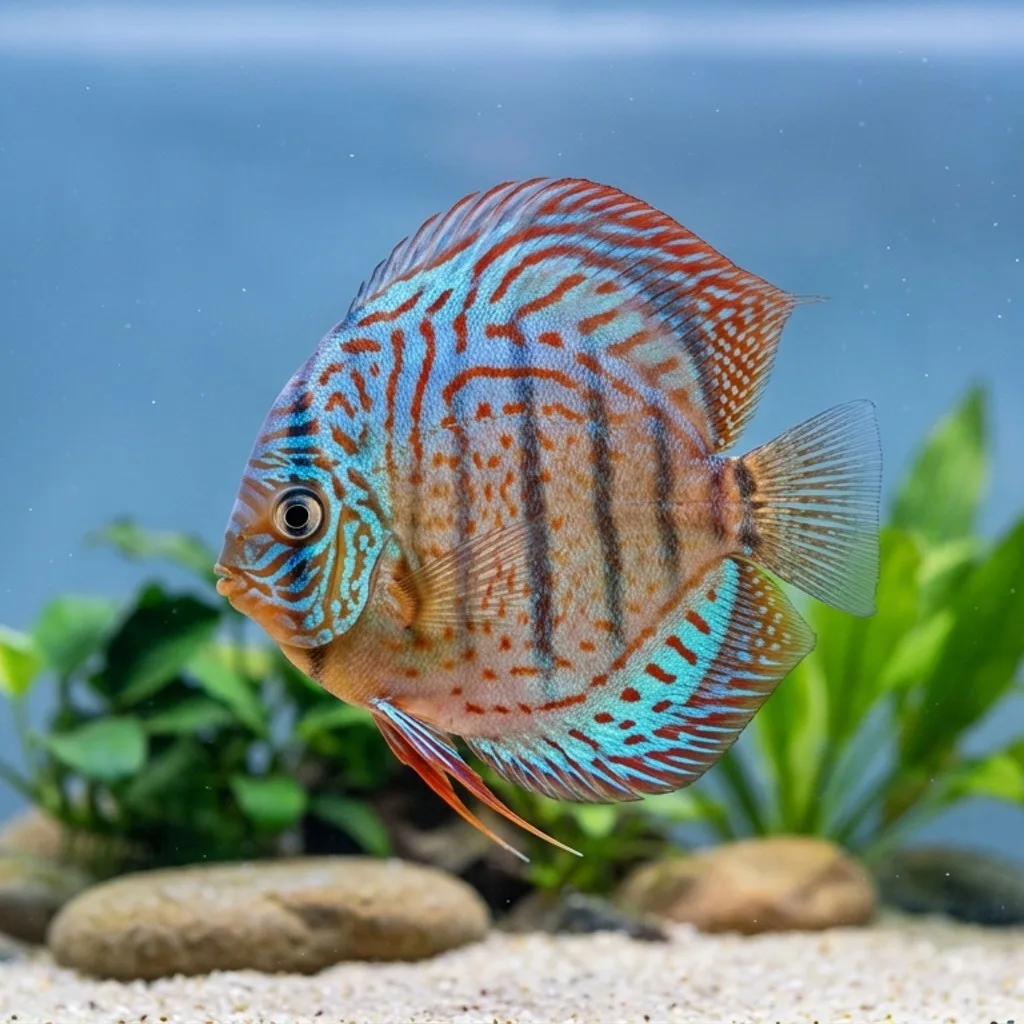
Discus
Discus is a medium fish originating from Amazon River. It is listed on Schedule 4 (approved species) of MPI’s Import Health Standard for ornamental fish, so it can be legally imported and sold through the NZ aquarium trade. MPI classes it as a higher-risk species with additional import quarantine conditions. Typical lifespan is 10-15 years.