Pet Breed Guide NZ
Koi Carp
Koi Carp, originating from Japan, are magnificent, large ornamental fish renowned for their vibrant colours and patterns. These intelligent and social fish can live for decades, often becoming cherished members of a family. They are known to recognise their owners and can even be hand-fed, displaying unique personalities. In New Zealand, Koi Carp are classified as a restricted species. This means prospective owners must navigate specific regulations set by the Ministry for Primary Industries (MPI) and local councils, making it crucial to understand and comply with all legal requirements before considering them as pets in Aotearoa.
Photo Gallery
NZ Ownership Snapshot
Restricted in NZ- Noise Level
- quiet
- Social Needs
- groups
- Water Type
- pond
- Tank Size
- Outdoor pond only
- Diet Type
- Prepared aquarium food, frozen foods, and species-appropriate live or vegetable foods
- UVB Required
- No
Restricted pest species: MPI/DOC identify koi carp as regulated pest fish. Do not move, release, or keep without checking current DOC, MPI, and regional rules.
Breed Snapshot
- Size
- large
- Lifespan
- 25-35 years
- Origin
- Japan
- Care Focus
- Best managed in species-appropriate pond setups with careful stocking and water-quality planning.
- NZ Price
- NZD $100 - $1000+ (highly variable based on size, age, lineage, and legal sourcing; availability is very limited due to restrictions)
- Annual Vet Cost
- NZD $150 - $400+ per year (for routine water testing, pond maintenance supplies, and potential treatment for common ailments. Emergency vet care for fish is highly specialised and limited in NZ, potentially costing $500-$1500+ per incident if an exotic vet is available and able to treat)
Personality Scores
NZ Lifestyle Fit
Koi Carp are exclusively suited for large, well-established outdoor ponds in New Zealand, not indoor aquariums or small water features. The pond must be robustly constructed and secured to prevent any escape into natural waterways, a critical requirement given their restricted status. Climate-wise, Koi are hardy and can tolerate the varied New Zealand conditions, from the humid summers of Auckland to the colder winters of the South Island, provided the pond is deep enough to prevent freezing solid. However, consistent water quality is paramount regardless of region. Sourcing Koi legally in NZ is challenging due to their restricted status. They cannot be freely bought or sold in pet shops. Any acquisition must be through legal channels, typically from licensed breeders or individuals with appropriate permits, and always with MPI approval. It is illegal to import Koi Carp into New Zealand. Always verify the legality of any transaction with MPI and your local council.
Restricted pest species: MPI/DOC identify koi carp as regulated pest fish. Do not move, release, or keep without checking current DOC, MPI, and regional rules.
About the Koi Carp
Koi Carp (Cyprinus rubrofuscus) are a domestic subspecies of the Amur carp, selectively bred for their striking colours and patterns. Hailing from Japan, these iconic fish are a symbol of luck, prosperity, and perseverance. With lifespans often exceeding 25-35 years, and some even reaching 50 years or more, Koi are a long-term commitment. They are large fish, capable of growing up to 90cm in length, requiring substantial outdoor pond environments rather than indoor aquariums. Their calm demeanour and interactive nature make them a captivating addition to a well-maintained pond, offering a serene focal point for any Kiwi garden.
What They Look Like
Koi Carp are celebrated for their incredible diversity in appearance. They possess a robust, elongated body, typical of carp species, with large scales and two pairs of barbels on their upper lip. Their most distinguishing feature is their kaleidoscope of colours and patterns. Varieties include 'Kohaku' (red and white), 'Sanke' (red, white, and black), 'Showa' (black, red, and white), 'Ogon' (solid metallic colours like gold or platinum), and many more, each with unique markings and names. These patterns are often symmetrical and can change slightly as the fish matures, adding to their allure. Their vibrant hues become even more pronounced in clear, well-maintained pond water.
Personality & Behaviour
Koi Carp are generally peaceful and social fish, thriving in groups. They are known for their intelligence and can learn to recognise the people who feed them, often swimming to the surface in anticipation. With patience, some Koi can even be gently hand-fed, creating a unique bond with their owners. They are active swimmers, gracefully navigating their pond environment. While primarily calm, they can become stressed by poor water quality or overcrowding. Their social nature means they should not be kept alone, preferring the company of other Koi or similarly large, peaceful pond fish. They are not known for aggression towards other fish, making them suitable for a well-planned community pond.
Life in New Zealand
Keeping Koi Carp in New Zealand comes with significant legal responsibilities. Due to their potential to become an invasive pest if released into natural waterways, Koi are classified as a 'restricted' species under the Biosecurity Act 1993. This means that buying, selling, breeding, or transporting Koi Carp requires specific permits and adherence to strict regulations from the Ministry for Primary Industries (MPI) and potentially local councils. Unauthorised possession or release of Koi can result in substantial fines and legal penalties. Any pond housing Koi must be secure to prevent escape, and owners must ensure they understand and comply with all legal obligations. It's vital to check the latest MPI guidelines and local council bylaws before even considering acquiring these fish.
Is This the Right Pet for You?
Koi Carp are not a pet for the faint of heart or those seeking a low-maintenance option. They require a significant commitment in terms of space, time, and financial investment. A large, well-filtered outdoor pond is essential, not a small indoor tank. Prospective owners must be prepared for the ongoing maintenance of a pond, including water quality management, feeding, and seasonal care. Furthermore, the legal restrictions in New Zealand mean a considerable amount of research and paperwork is required to ensure compliance. If you have the space, resources, and dedication to meet their specific needs and navigate the legal landscape, Koi Carp can offer decades of beauty and companionship. However, for many Kiwis, the commitment and restrictions may make other pond fish a more suitable choice.
Fun Facts
Fact 1
Koi Carp can live for over 50 years, with some famous individuals reaching over 200 years old.
Fact 2
The word 'Koi' is a shortened form of 'Nishikigoi', which means 'brocaded carp' in Japanese.
Fact 3
Koi are often associated with good luck, prosperity, and perseverance in Japanese culture.
Fact 4
They are omnivores and can be trained to eat from their owner's hand.
Fact 5
The most expensive Koi ever sold fetched over NZD $2.5 million at auction in Japan.
Related Breeds
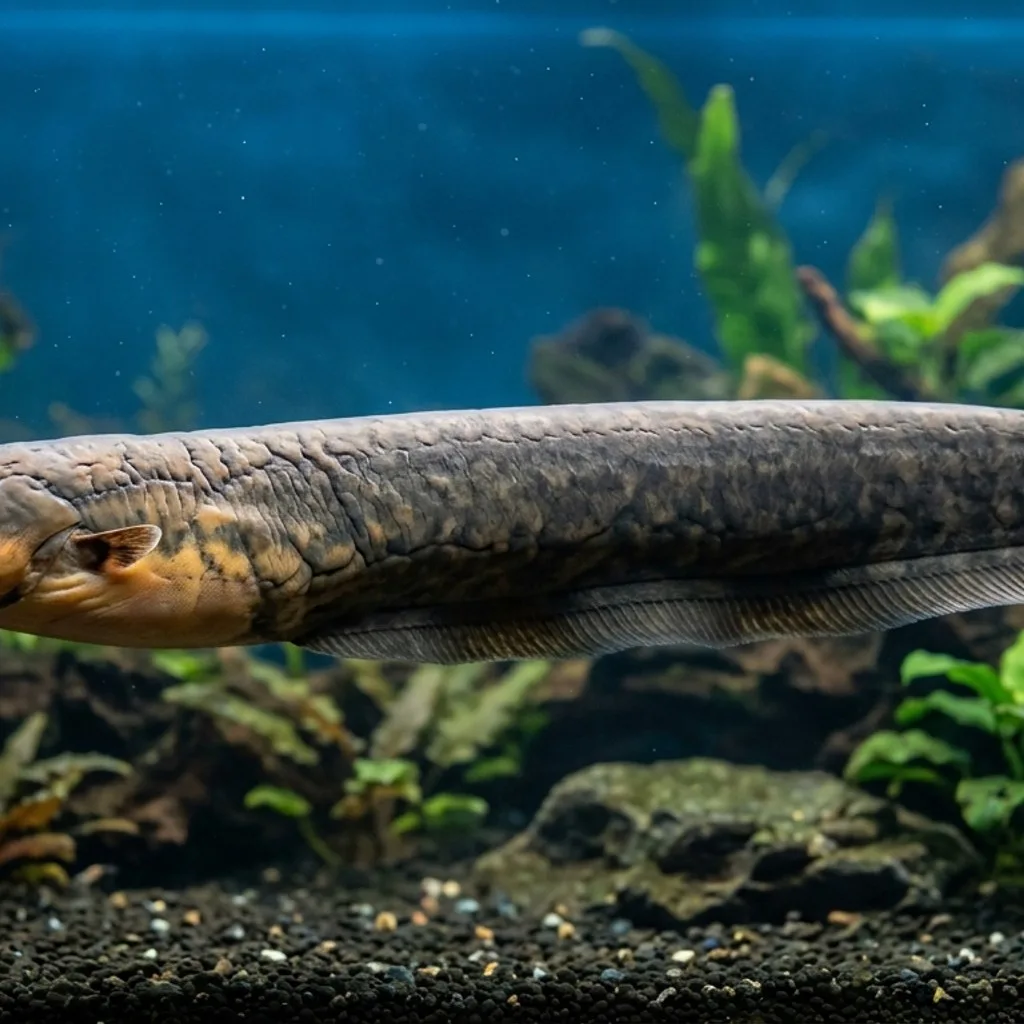
Electric Eel
Electric Eel is a large fish originating from South America. It is not on MPI’s approved species list for ornamental fish imports, so it cannot legally be brought into New Zealand for the aquarium trade and is effectively unavailable here. Typical lifespan is 10-22 years.
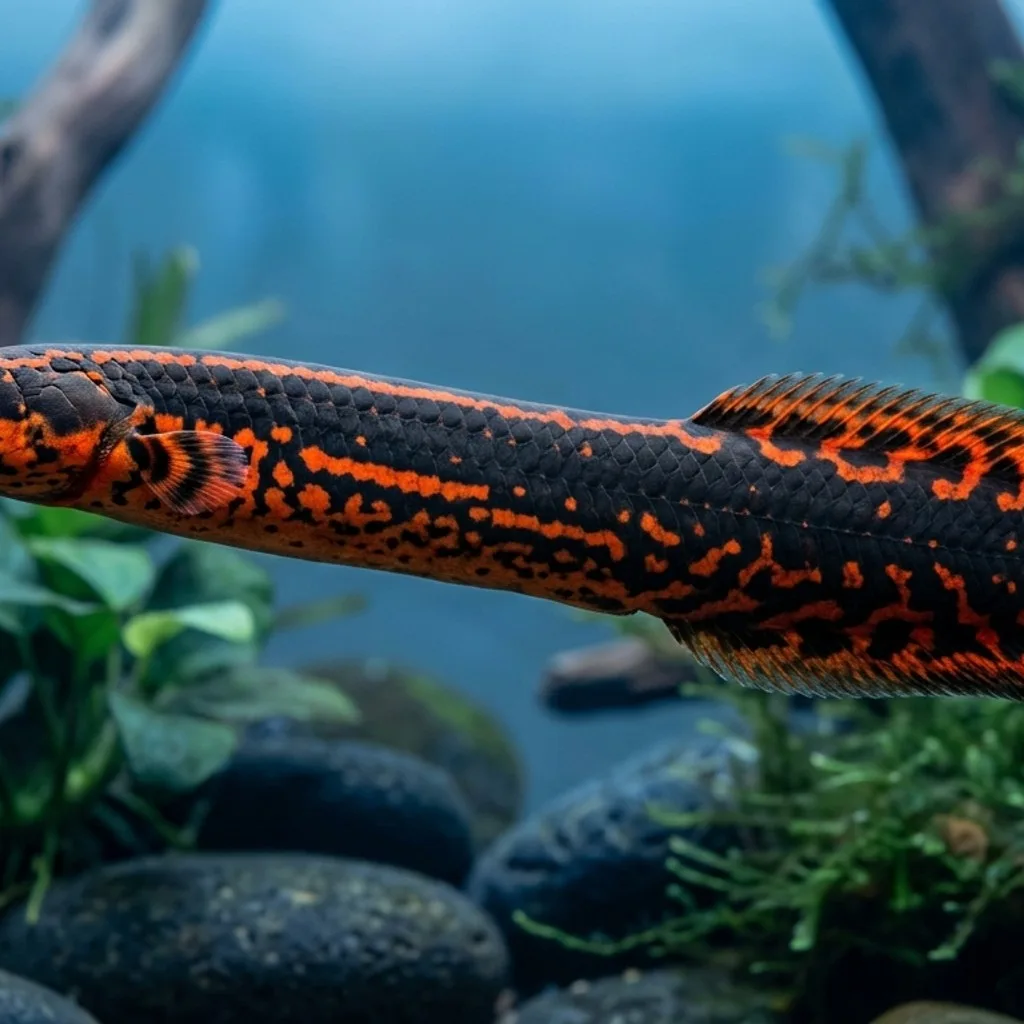
Fire Eel
Fire Eel is a large fish originating from Southeast Asia. It is listed on Schedule 4 (approved species) of MPI’s Import Health Standard for ornamental fish, so it can be legally imported and sold through the NZ aquarium trade. MPI classes it as a higher-risk species with additional import quarantine conditions. Typical lifespan is 10-18 years.
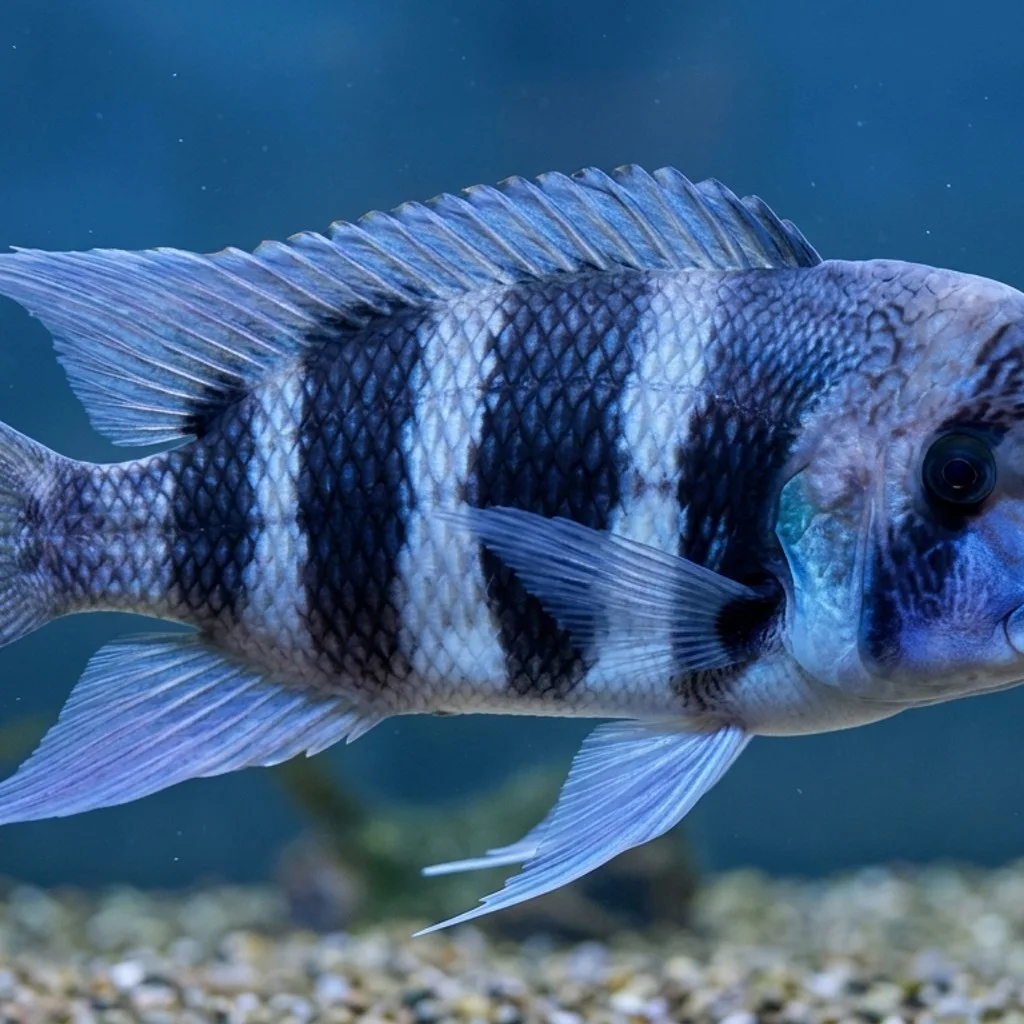
Frontosa Cichlid
Frontosa Cichlid is a large fish originating from Lake Tanganyika. It is listed on Schedule 4 (approved species) of MPI’s Import Health Standard for ornamental fish, so it can be legally imported and sold through the NZ aquarium trade. Typical lifespan is 15-25 years.
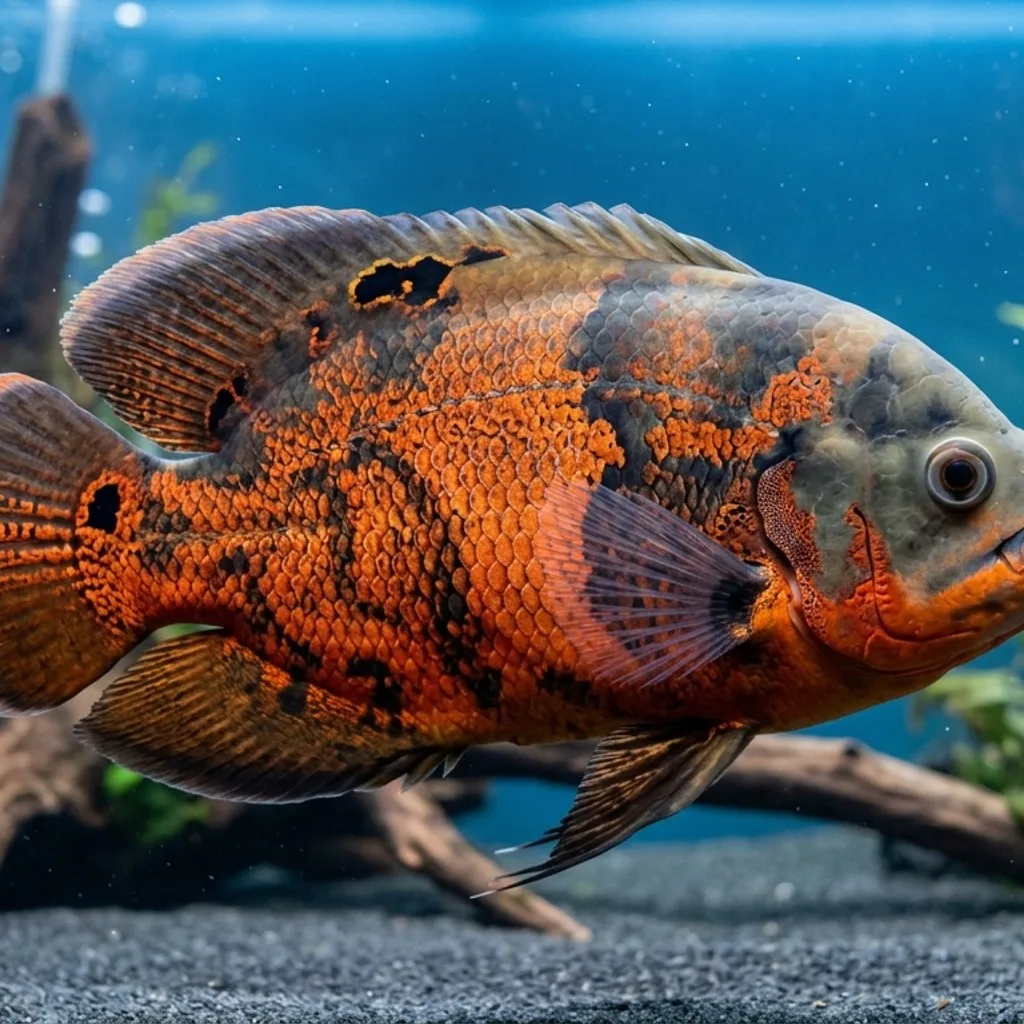
Oscar Fish
The Oscar (Astronotus ocellatus) is a large, heavily built cichlid from the slow-moving waters of the Amazon basin, nicknamed the water puppy of the aquarium hobby for its habit of watching its keeper, responding to movement outside the glass and taking food by hand. Adults reach 30 to 45 centimetres and live 10 to 15 years, and a single adult needs a minimum of 250 litres. Oscars are intelligent and opinionated: they dig up substrate, shift ornaments to suit themselves, and can turn territorial towards smaller or more docile tank mates. They are messy, heavy-waste feeders, so powerful filtration and weekly water changes of 25 to 30 per cent matter more here than with most community fish. Wild colouring is mottled olive to brown with orange eye-spots near the tail, and albino, red, tiger and veil-tailed forms are also kept. Best suited to experienced aquarists with the space for a very large tank.