Pet Breed Guide NZ
Electric Eel
The Electric Eel (Electrophorus electricus) is a truly unique and fascinating freshwater fish, renowned for its incredible ability to generate powerful electric shocks. Native to the murky waters of South America, these large, serpentine fish can grow over two metres long, making them a formidable presence in any aquatic environment. Their electric organs are used for both hunting prey and self-defence, delivering jolts strong enough to deter large predators. Keeping an Electric Eel is a highly specialised undertaking, demanding extensive knowledge, a massive tank, and a significant commitment. In New Zealand, the Electric Eel is classified as 'restricted', meaning prospective owners must navigate strict regulations and obtain necessary permits from MPI and local councils before considering ownership.
Photo Gallery
NZ Ownership Snapshot
Verified NZ Status- Noise Level
- quiet
- Social Needs
- solitary
- Water Type
- freshwater
- Tank Size
- 250L minimum
- Diet Type
- Carnivore
- UVB Required
- No
Not listed on Schedule 4 (Approved Species) of MPI's Import Health Standard: Ornamental Fish and Marine Invertebrates (ORNAMARI.ALL, 20 September 2021) — species not on the schedule cannot be imported. Verified 4 September 2026. Source: https://www.mpi.govt.nz/dmsdocument/17425-Ornamental-fish-and-marine-invertebrates-from-all-countries-Import-Health-Standard
Breed Snapshot
- Size
- large
- Lifespan
- 10-22 years
- Origin
- South America
- Care Focus
- Best researched for compatible tank mates, grouping, and stable water conditions.
- NZ Price
- NZD $2,000 - $10,000+ (highly variable, reflecting rarity, import costs, and permit fees for legal acquisition)
- Annual Vet Cost
- NZD $500 - $1,500+ annually (specialist exotic vet consultations, medication, diagnostics; costs are high due to limited availability of vets experienced with large fish and potential need for sedation for examination)
Personality Scores
NZ Lifestyle Fit
Keeping an Electric Eel in a New Zealand home is an undertaking of immense scale and complexity, primarily due to their 'restricted' legal status and colossal size. These animals are not suitable for typical residential settings, including apartments or even most suburban houses, due to the requirement for a tank that can easily exceed 2,000 litres. The sheer weight of such a setup, combined with the water, necessitates a structurally reinforced floor. While climate considerations like Auckland's humidity or the South Island's cold aren't directly critical for an indoor, temperature-controlled aquarium, maintaining stable water parameters and temperature within such a large volume requires significant energy and advanced equipment. Regional restrictions are paramount: prospective owners must verify specific bylaws with their local council in addition to obtaining MPI permits. Sourcing legally in NZ is exceptionally difficult, likely requiring a specialist importer who can navigate the complex permit process and biosecurity requirements, rather than a standard pet shop. This animal is for dedicated, expert aquarists with substantial resources and a willingness to comply with strict regulations.
NZ legal status not yet verified against MPI, EPA, DOC and regional council records. Don't treat this page as confirmation that the species can legally be imported, bought, sold, bred or kept in New Zealand — check those official sources first.
About the Electric Eel
The Electric Eel, scientifically known as Electrophorus electricus, is not a true eel but rather a type of knifefish, belonging to the order Gymnotiformes. Originating from the freshwater rivers and floodplains of South America, particularly the Amazon and Orinoco basins, these remarkable creatures are best known for their extraordinary bio-electric capabilities. They possess three pairs of abdominal organs that can generate up to 600 volts of electricity, used both to stun prey and to defend themselves from predators. Electric Eels are long-lived, typically surviving between 10 to 22 years in captivity with proper care. They are large, growing up to 2.5 metres in length and weighing up to 20 kilograms, necessitating an immense commitment in terms of tank size and husbandry. Their unique physiology allows them to breathe atmospheric air, supplementing the oxygen they extract from water, which is an adaptation to their often oxygen-poor natural habitats.
What They Look Like
Electric Eels possess a distinctive elongated, cylindrical body, somewhat flattened on the underside, giving them a serpentine appearance. Their skin is typically dark grey to brownish-black on the dorsal side, fading to a yellowish or orange hue on their ventral surface. They lack dorsal, caudal, and pelvic fins, instead propelling themselves through the water with an undulating anal fin that runs almost the entire length of their body. Their head is flattened and broad, with a relatively small mouth. The most notable internal feature, though unseen, is the arrangement of their electric organs, which occupy about 80% of their body length. These organs are modified muscle cells called electrocytes, stacked in columns, allowing for the generation of powerful electrical discharges.
Personality & Behaviour
Electric Eels are primarily nocturnal predators, spending their days hidden in submerged vegetation or crevices and emerging at night to hunt. They are generally solitary animals, and while the raw data suggests 'groups', in captive environments, especially as adults, they are best kept alone due to their predatory nature and territorial tendencies. They are ambush predators, using low-voltage pulses to navigate and locate prey, and high-voltage shocks to incapacitate it. Despite their formidable abilities, they are generally reclusive and not aggressive towards humans unless provoked or threatened. They are not interactive pets in the traditional sense and should be observed from a distance. Their behaviour is largely driven by hunting instincts and the need for secure hiding spots.
Life in New Zealand
As a 'restricted' species in New Zealand, the Electric Eel cannot be freely bought, sold, or kept without specific authorisation. Prospective owners must understand that obtaining an Electric Eel in New Zealand involves navigating a stringent legal framework. This means applying for and securing permits from the Ministry for Primary Industries (MPI) and potentially local councils, which will assess the suitability of the keeper, the proposed enclosure, and the biosecurity measures in place. The legal status is in place to prevent the introduction of potentially dangerous or invasive species into New Zealand's unique ecosystem. Any attempt to acquire, keep, breed, or transport an Electric Eel without the proper permits is illegal and carries significant penalties. Sourcing these animals legally in NZ is extremely challenging and typically involves specialist importers with the correct permits.
Is This the Right Pet for You?
An Electric Eel is an extraordinarily demanding pet, suitable only for highly experienced aquarists with a deep understanding of large, predatory freshwater fish and the resources to provide an exceptionally large, specialised habitat. The legal hurdles in New Zealand are significant, requiring extensive paperwork and approval from MPI and local authorities. Beyond the legalities, the sheer size of the animal necessitates a truly massive aquarium – hundreds, if not thousands, of litres – with robust filtration and appropriate environmental controls. Their electric capabilities mean handling is dangerous and should only be attempted by professionals with appropriate safety gear. This is not a pet for casual enthusiasts or those seeking an interactive companion. It is a commitment to providing a lifelong, highly specific environment for a powerful and unique creature, all while adhering to strict New Zealand regulations. If you are not prepared for these challenges, an Electric Eel is not the right pet for you.
Fun Facts
Fact 1
Electric Eels are not true eels; they are a type of knifefish more closely related to carp and catfish.
Fact 2
They can generate up to 600 volts of electricity, enough to stun a horse or human.
Fact 3
Electric Eels have three pairs of electric organs: the main organ, Hunter's organ, and Sach's organ, each serving different purposes.
Fact 4
They use low-voltage pulses (around 10V) for navigation and sensing their surroundings, acting like a 'radar'.
Fact 5
Electric Eels can breathe atmospheric air through a specialised mouth lining, allowing them to survive in oxygen-poor waters.
Related Breeds
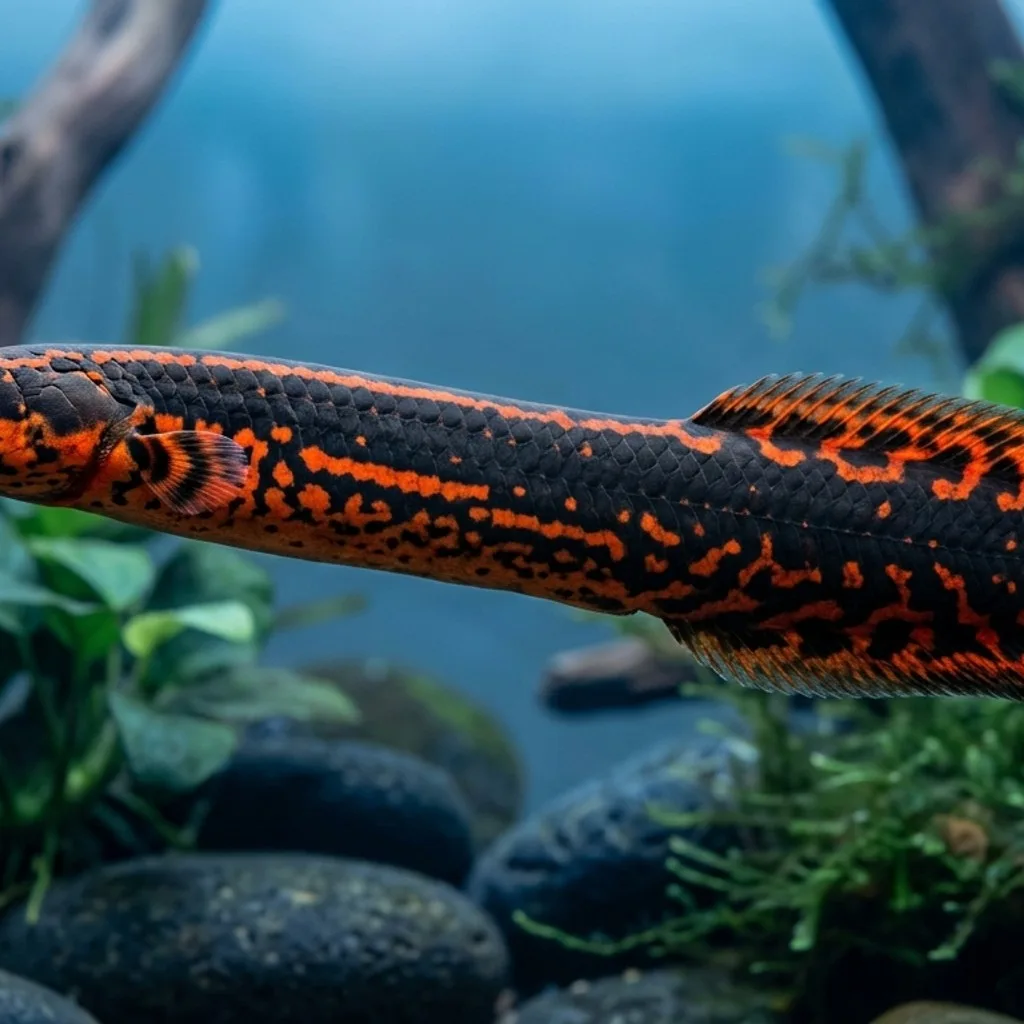
Fire Eel
Fire Eel is a large fish originating from Southeast Asia. It is listed on Schedule 4 (approved species) of MPI’s Import Health Standard for ornamental fish, so it can be legally imported and sold through the NZ aquarium trade. MPI classes it as a higher-risk species with additional import quarantine conditions. Typical lifespan is 10-18 years.
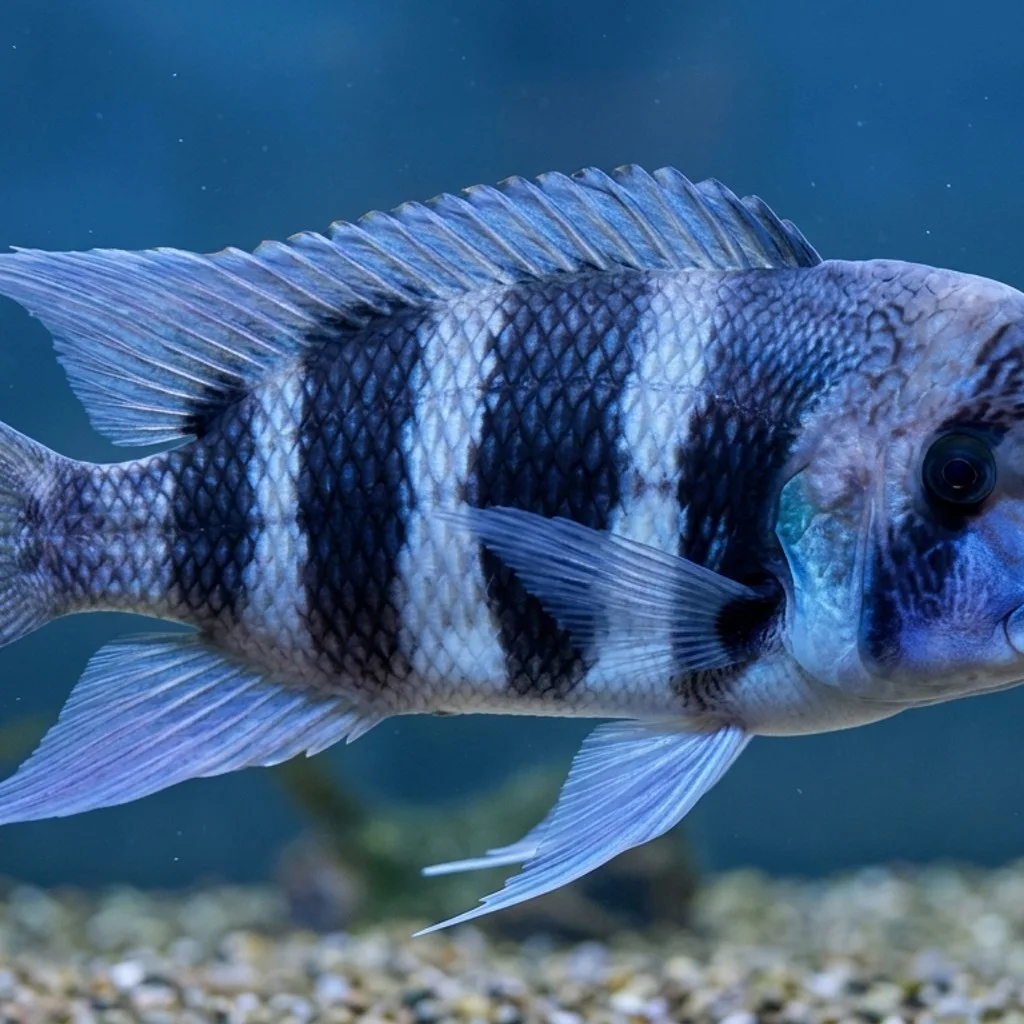
Frontosa Cichlid
Frontosa Cichlid is a large fish originating from Lake Tanganyika. It is listed on Schedule 4 (approved species) of MPI’s Import Health Standard for ornamental fish, so it can be legally imported and sold through the NZ aquarium trade. Typical lifespan is 15-25 years.
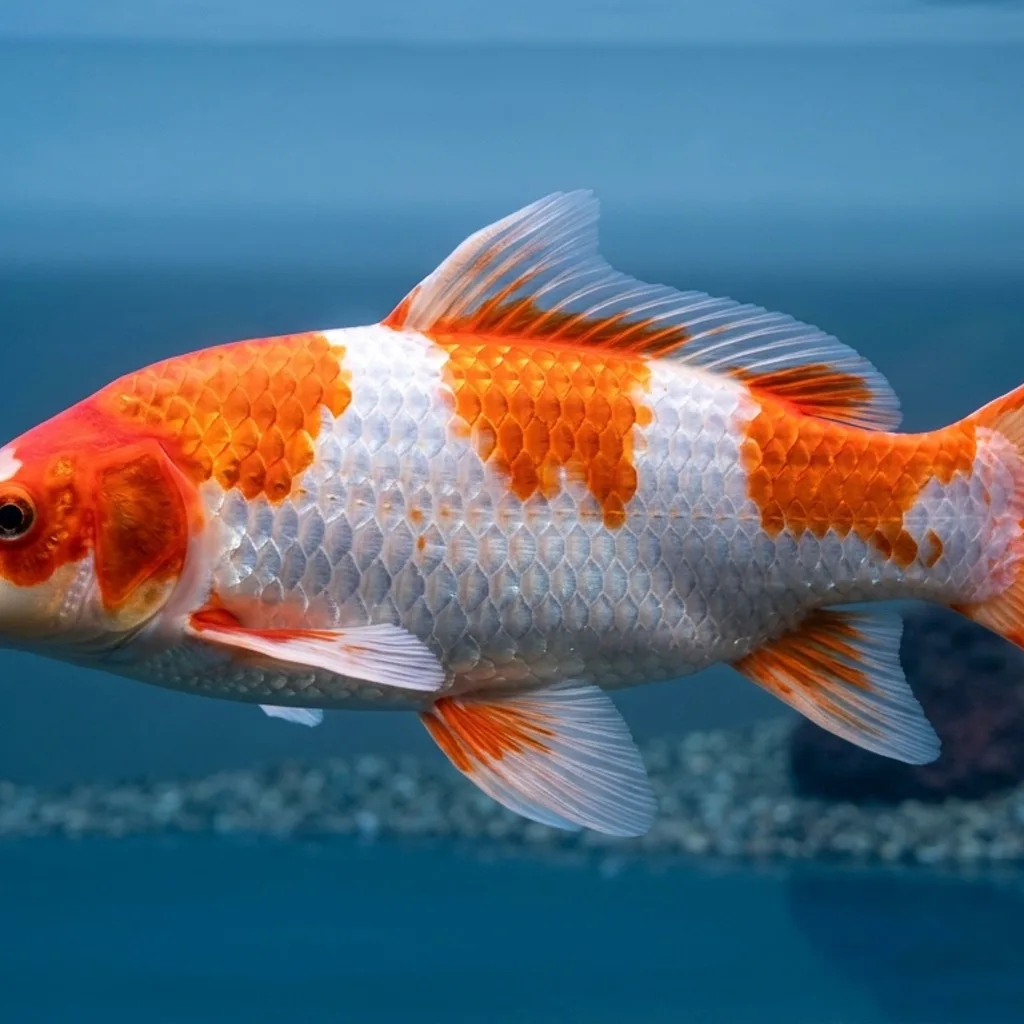
Koi Carp
Koi Carp is a large fish originating from Japan. This animal has verified NZ restriction or pest context; check MPI, DOC, EPA, and local council rules before keeping, moving, breeding, selling, or sourcing one. Typical lifespan is 25-35 years.
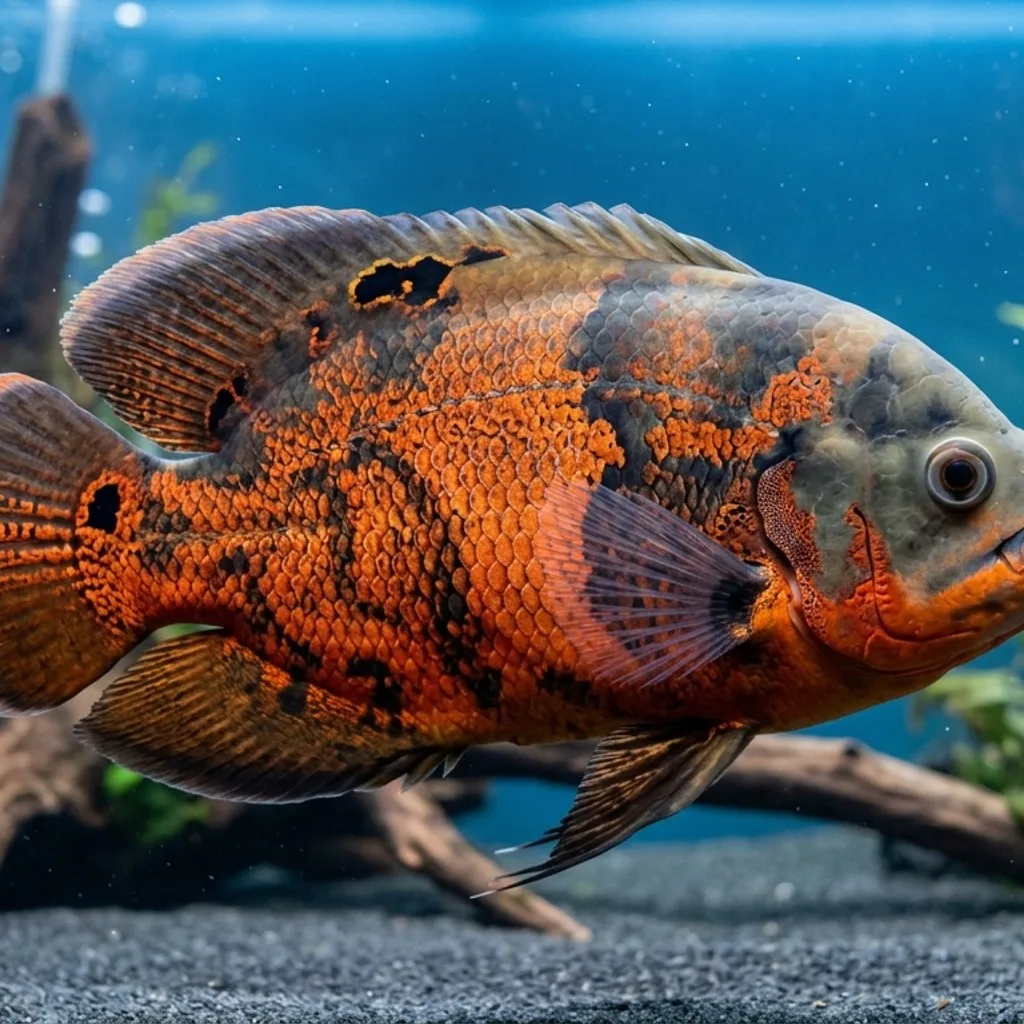
Oscar Fish
The Oscar (Astronotus ocellatus) is a large, heavily built cichlid from the slow-moving waters of the Amazon basin, nicknamed the water puppy of the aquarium hobby for its habit of watching its keeper, responding to movement outside the glass and taking food by hand. Adults reach 30 to 45 centimetres and live 10 to 15 years, and a single adult needs a minimum of 250 litres. Oscars are intelligent and opinionated: they dig up substrate, shift ornaments to suit themselves, and can turn territorial towards smaller or more docile tank mates. They are messy, heavy-waste feeders, so powerful filtration and weekly water changes of 25 to 30 per cent matter more here than with most community fish. Wild colouring is mottled olive to brown with orange eye-spots near the tail, and albino, red, tiger and veil-tailed forms are also kept. Best suited to experienced aquarists with the space for a very large tank.