Pet Breed Guide NZ
Fire Eel
The Fire Eel (Mastacembelus erythrotaenia) is a striking and impressive freshwater fish originating from Southeast Asia, known for its elongated, eel-like body adorned with vibrant red and orange markings. Reaching substantial sizes, these nocturnal bottom-dwellers are fascinating to observe, often burrowing into substrate or exploring their environment with curiosity. With a lifespan of 10-18 years, they represent a long-term commitment for aquarists. In New Zealand, Fire Eels are generally legal to keep as pets, but prospective Kiwi owners must always confirm current MPI guidelines and local council regulations before acquiring one, ensuring responsible pet ownership.
Photo Gallery
NZ Ownership Snapshot
Verified NZ Status- Noise Level
- quiet
- Social Needs
- groups
- Water Type
- freshwater
- Tank Size
- 250L minimum
- Diet Type
- Prepared aquarium food, frozen foods, and species-appropriate live or vegetable foods
- UVB Required
- No
Listed on Schedule 4 (Approved Species) of MPI's Import Health Standard: Ornamental Fish and Marine Invertebrates (ORNAMARI.ALL, 20 September 2021), flagged as a higher-risk species with additional import conditions under Schedule 3. Verified 4 September 2026. Source: https://www.mpi.govt.nz/dmsdocument/17425-Ornamental-fish-and-marine-invertebrates-from-all-countries-Import-Health-Standard
Breed Snapshot
- Size
- large
- Lifespan
- 10-18 years
- Origin
- Southeast Asia
- Care Focus
- Best researched for compatible tank mates, grouping, and stable water conditions.
- NZ Price
- NZD $80 - $250 (depending on size and availability from specialist stores)
- Annual Vet Cost
- Estimated annual vet/care costs for a Fire Eel in NZ could range from NZD $50 - $150. This primarily covers specialist fish medications, water testing kits, and high-quality food. Direct veterinary consultation for fish is rare and highly specialised in New Zealand, with exotic vets being scarce. If an issue arises, finding a vet with specific aquatic expertise might be challenging and potentially costly, often involving phone consultations or euthanasia as primary options.
Personality Scores
NZ Lifestyle Fit
Fire Eels are best suited for experienced Kiwi aquarists with large homes or properties that can accommodate a substantial aquarium, typically 250 litres or more. Their size makes them unsuitable for small apartments unless a dedicated fish room is available. Climate considerations in New Zealand are less critical for indoor aquariums, as stable water temperatures (24-28°C) are maintained artificially. However, ensuring a consistent indoor temperature, especially in colder South Island regions, is important to prevent rapid fluctuations that could stress the fish. Auckland's humidity generally won't impact an enclosed aquarium. There are no specific regional restrictions on Fire Eels in NZ, beyond the general MPI and local council checks applicable nationwide. Legally sourcing a Fire Eel in New Zealand involves reputable specialist aquarium stores or dedicated aquatic breeders. Due to their specific needs and size, they are not always readily available in general pet shops, so be prepared to seek out specialist suppliers.
NZ legal status not yet verified against MPI, EPA, DOC and regional council records. Don't treat this page as confirmation that the species can legally be imported, bought, sold, bred or kept in New Zealand — check those official sources first.
About the Fire Eel
The Fire Eel, scientifically known as Mastacembelus erythrotaenia, is a captivating freshwater fish native to the slow-moving rivers and floodplains of Southeast Asia, particularly Thailand, Myanmar, and Indonesia. Despite its common name, it is not a true eel but rather a spiny eel belonging to the family Mastacembelidae. These fish are renowned for their impressive size, often growing between 60cm to 1 metre in length, and their distinctive, elongated body shape. With proper care, a Fire Eel can live for a remarkable 10 to 18 years, making it a significant long-term commitment for any aquarist. They are primarily nocturnal, spending their days hidden amongst decor or buried in the substrate, emerging at night to forage for food. Their unique appearance and intriguing behaviours make them a sought-after species for experienced fish keepers with suitably large aquariums.
What They Look Like
Fire Eels possess a truly striking appearance that makes them stand out in any aquarium. Their body is long and slender, much like a snake or an eel, tapering towards a pointed head. The base colouration is typically a dark brown to black, which serves as a dramatic canvas for their most defining feature: a series of bright red or orange stripes and spots that run along their flanks from head to tail. These markings can vary in intensity and pattern, with some individuals displaying more pronounced bands while others have a more speckled look. They have small, pointed fins, with a dorsal fin that runs almost the entire length of their back, preceded by a series of small, independent spines. Their eyes are relatively small, and they possess a pointed snout with sensory barbels used for detecting food in the substrate. As they mature, their colours can become even more vibrant, adding to their allure.
Personality & Behaviour
Fire Eels are generally peaceful towards fish too large to be considered food, but they are opportunistic predators and will readily consume smaller tank mates. They are primarily nocturnal, meaning they are most active during the evening and night hours. During the day, they prefer to hide, often burying themselves completely in soft substrate, leaving only their head exposed, or sheltering within caves, driftwood, or dense planting. This burrowing behaviour is natural and essential for their well-being, so a deep, fine substrate is crucial. While they can be kept singly, in very large aquariums with ample space and hiding spots, they can also be kept in small groups, though individual personalities can vary, and some may display territoriality. They are intelligent and can become quite accustomed to their owner, sometimes even learning to take food directly from hands. Their inquisitive nature makes them fascinating to observe as they explore their environment.
Life in New Zealand
For Kiwi aquarists, the Fire Eel is a generally legal species to keep in New Zealand. However, it is paramount for any prospective owner to first consult the latest guidelines from the Ministry for Primary Industries (MPI) and their local council. Regulations can change, and local bylaws may impose specific requirements or restrictions. Sourcing Fire Eels in New Zealand typically involves reputable specialist aquarium stores or dedicated fish breeders who import and maintain these species legally. Due to their large size and specific care requirements, they are not as commonly available as smaller, more conventional aquarium fish, but they can be found through diligent searching. Ensuring a legal and ethical source is vital for supporting responsible pet ownership in Aotearoa.
Is This the Right Pet for You?
Bringing a Fire Eel into your home is a significant commitment that requires careful consideration. Their impressive size means they demand a very large aquarium – a minimum of 250 litres, with even larger tanks preferred for adult specimens or groups. This necessitates a substantial investment in equipment and space. Their nocturnal habits mean you might not see them at their most active during daylight hours, making them more of an observational pet. They are not suitable for community tanks with small fish, as these will likely become snacks. Prospective owners must be prepared for their long lifespan, diligent tank maintenance, and a consistent supply of appropriate foods. If you have the space, the dedication to maintaining pristine water conditions, and an appreciation for unique and fascinating aquatic creatures, a Fire Eel can be an incredibly rewarding addition to an experienced Kiwi aquarist's collection. Always remember to check with MPI and your local council first to ensure compliance with all New Zealand regulations.
Fun Facts
Fact 1
Despite their name, Fire Eels are actually spiny eels, not true eels (Anguilliformes).
Fact 2
They possess a series of small, independent spines along their dorsal fin, which gives them their 'spiny eel' classification.
Fact 3
Fire Eels are primarily nocturnal, preferring to hide and burrow during the day and become active hunters at night.
Fact 4
They can grow to an impressive length of up to 1 metre, making them one of the largest freshwater aquarium fish.
Fact 5
Fire Eels are known for their ability to 'play dead' by lying motionless, a behaviour they might exhibit when stressed or startled.
Related Breeds
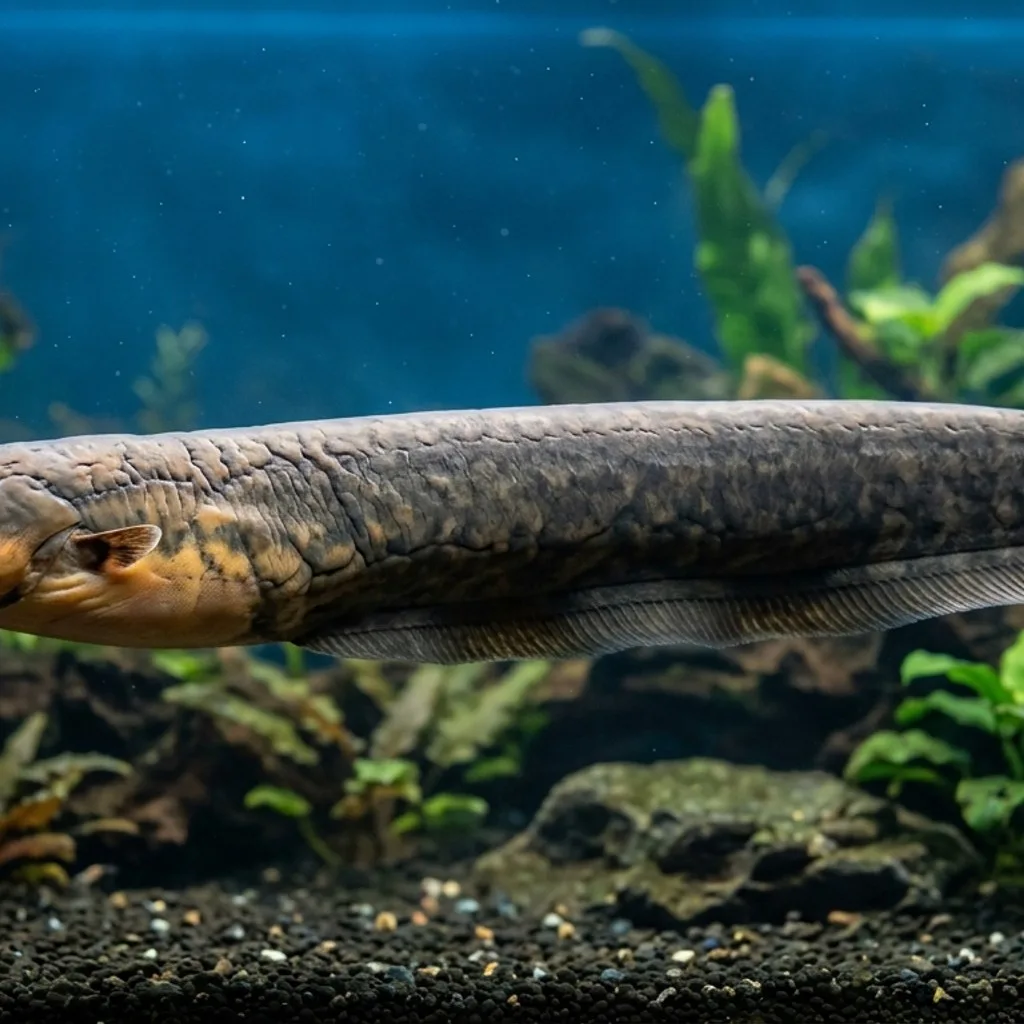
Electric Eel
Electric Eel is a large fish originating from South America. It is not on MPI’s approved species list for ornamental fish imports, so it cannot legally be brought into New Zealand for the aquarium trade and is effectively unavailable here. Typical lifespan is 10-22 years.
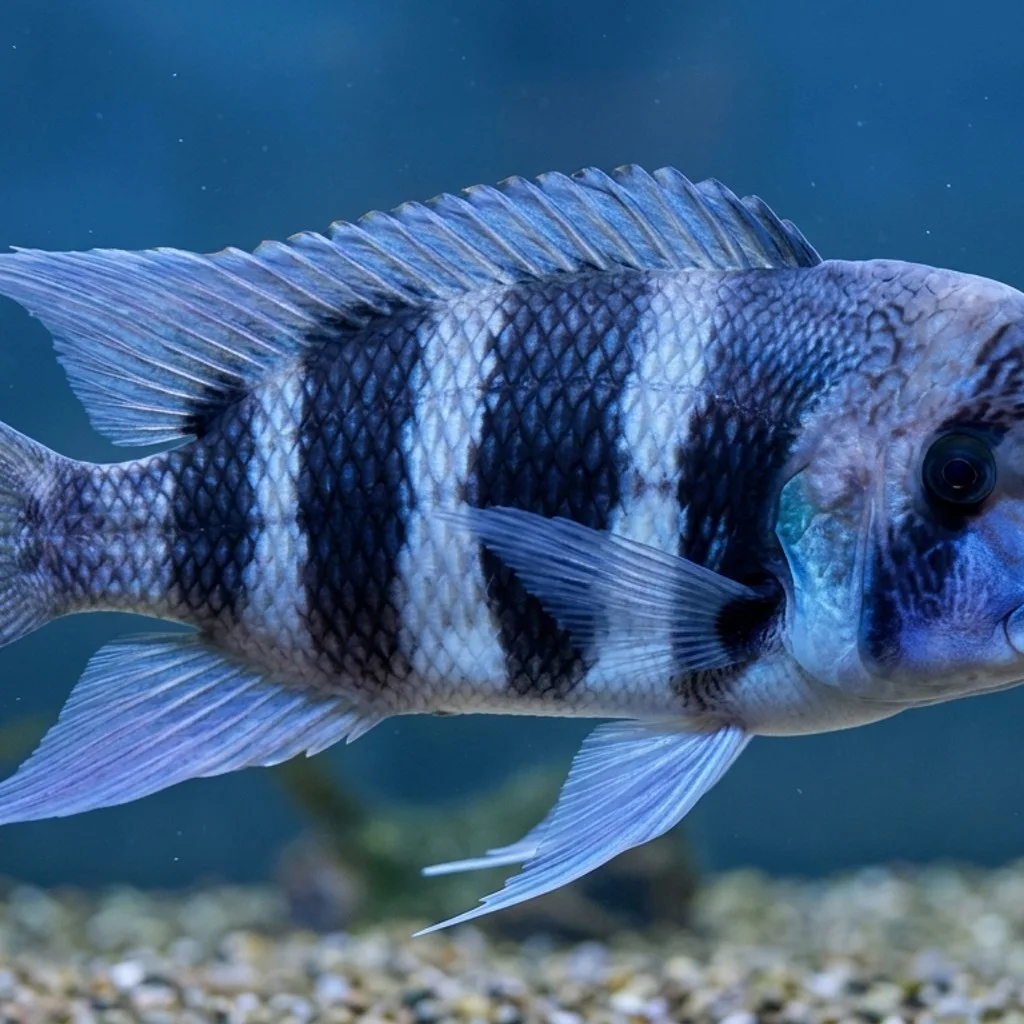
Frontosa Cichlid
Frontosa Cichlid is a large fish originating from Lake Tanganyika. It is listed on Schedule 4 (approved species) of MPI’s Import Health Standard for ornamental fish, so it can be legally imported and sold through the NZ aquarium trade. Typical lifespan is 15-25 years.
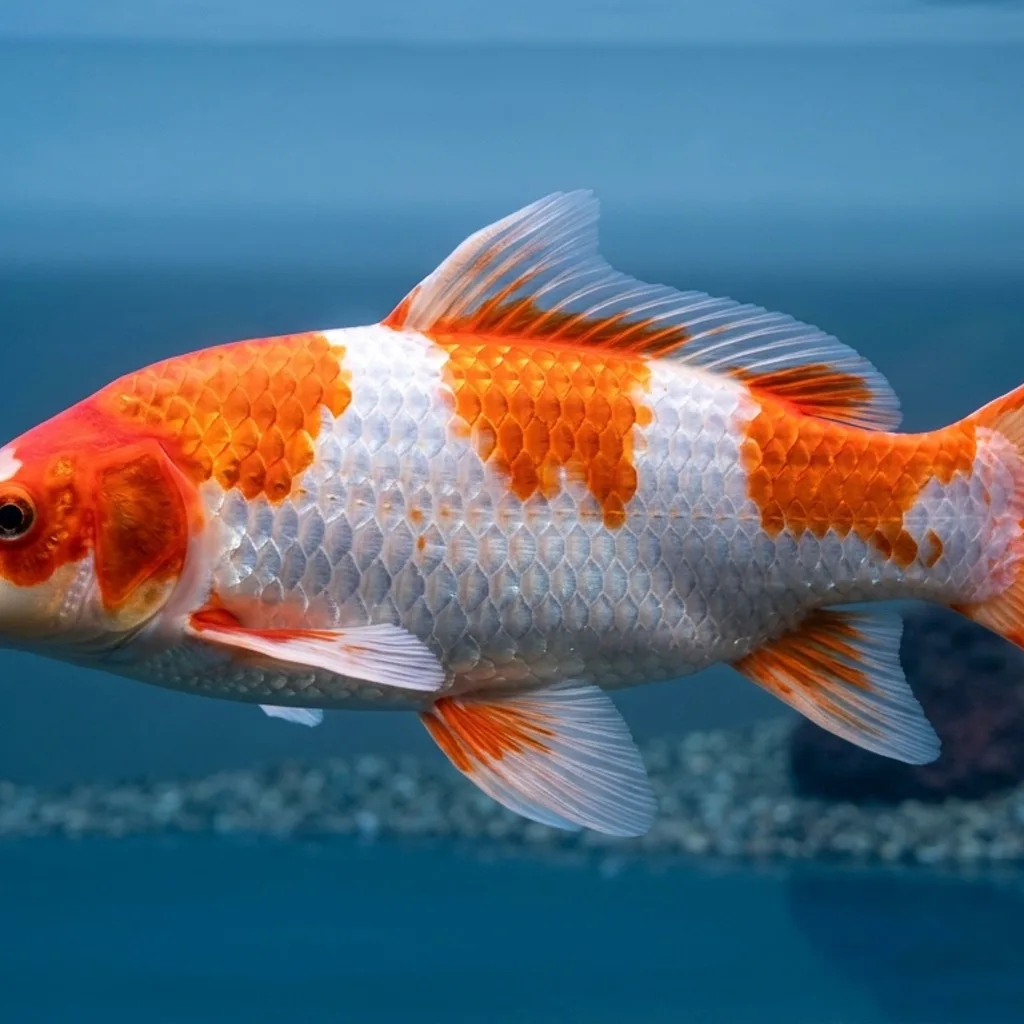
Koi Carp
Koi Carp is a large fish originating from Japan. This animal has verified NZ restriction or pest context; check MPI, DOC, EPA, and local council rules before keeping, moving, breeding, selling, or sourcing one. Typical lifespan is 25-35 years.
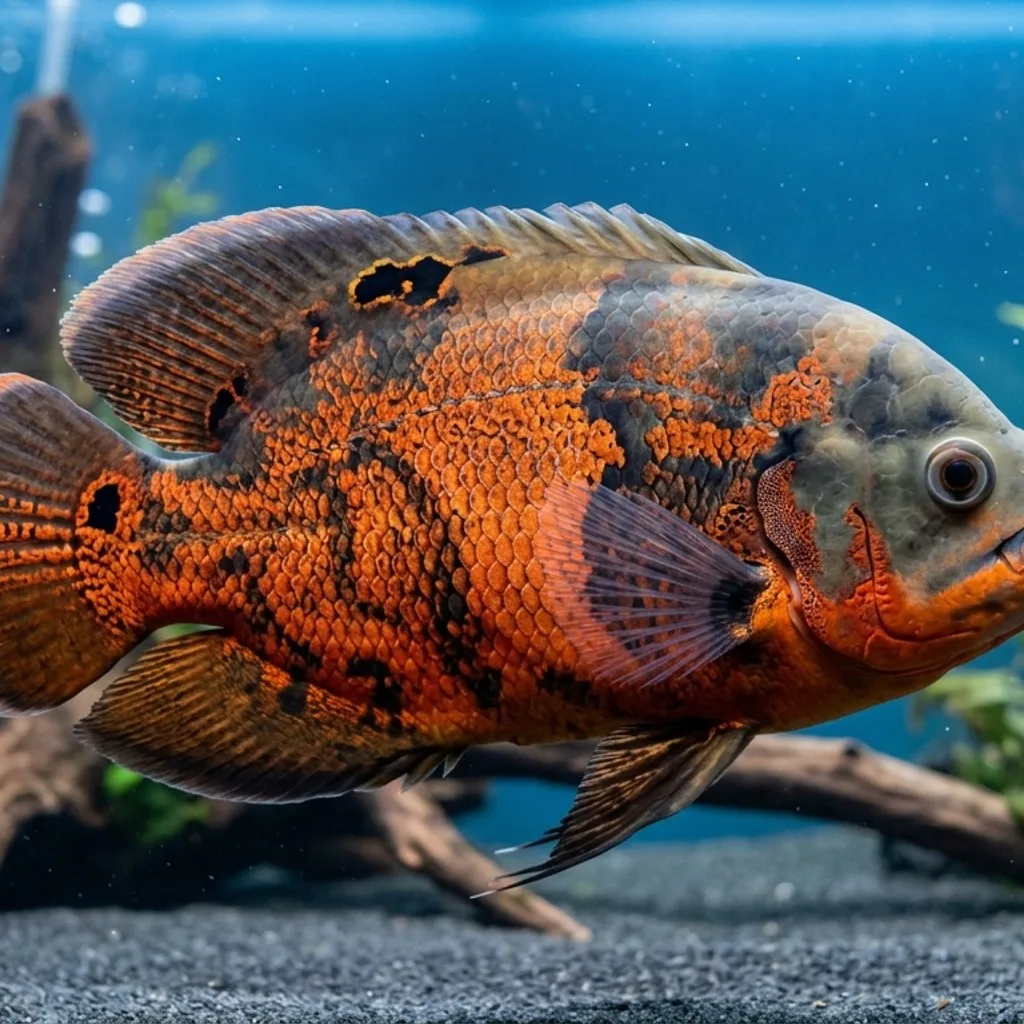
Oscar Fish
The Oscar (Astronotus ocellatus) is a large, heavily built cichlid from the slow-moving waters of the Amazon basin, nicknamed the water puppy of the aquarium hobby for its habit of watching its keeper, responding to movement outside the glass and taking food by hand. Adults reach 30 to 45 centimetres and live 10 to 15 years, and a single adult needs a minimum of 250 litres. Oscars are intelligent and opinionated: they dig up substrate, shift ornaments to suit themselves, and can turn territorial towards smaller or more docile tank mates. They are messy, heavy-waste feeders, so powerful filtration and weekly water changes of 25 to 30 per cent matter more here than with most community fish. Wild colouring is mottled olive to brown with orange eye-spots near the tail, and albino, red, tiger and veil-tailed forms are also kept. Best suited to experienced aquarists with the space for a very large tank.