Pet Breed Guide NZ
Flowerhorn Cichlid
The Flowerhorn Cichlid, a captivating freshwater fish, is celebrated for its vibrant colours, distinctive nuchal hump (known as a 'kok'), and engaging personality. These hybrid cichlids are not just visually stunning; they often display curious and interactive behaviours, sometimes even recognising their owners. Their commanding presence makes them an undeniable centrepiece in any appropriately sized aquarium. It is not on MPI's approved import list for ornamental fish, so any flowerhorn in New Zealand would have to come from fish already here. Prospective owners must ensure their tank setup and care regimen meet the specific needs of these impressive fish to thrive.
Photo Gallery
NZ Ownership Snapshot
Restricted in NZ- Noise Level
- quiet
- Social Needs
- solitary
- Water Type
- freshwater
- Tank Size
- 120L minimum
- Diet Type
- Prepared aquarium food, frozen foods, and species-appropriate live or vegetable foods
- UVB Required
- No
Not on Schedule 4 of MPI's Import Health Standard (ORNAMARI.ALL, 20 September 2021): flowerhorns are man-made hybrids with no valid species name, and clause 1.1(3) covers only hybrids of Schedule 4 species, which also need MPI approval before import. The red devil (Amphilophus labiatus) and trimac (A. trimaculatus) cichlids flowerhorns were bred from are not on Schedule 4. Verified 4 September 2026. Source: https://www.mpi.govt.nz/dmsdocument/17425-Ornamental-fish-and-marine-invertebrates-from-all-countries-Import-Health-Standard
Breed Snapshot
- Size
- medium
- Lifespan
- 10-12 years
- Origin
- Hybrid
- Care Focus
- Best researched for compatible tank mates, grouping, and stable water conditions.
- NZ Price
- No verified NZ price. Flowerhorns can't be imported, so any sold here would have to come from fish already in New Zealand.
- Annual Vet Cost
- Estimated annual vet/care costs for a Flowerhorn Cichlid in New Zealand can range from NZD $50 - $200. This primarily covers specialist fish medications, water testing kits, and high-quality food. While routine vet visits are uncommon for fish, access to exotic vets in NZ is limited. In case of serious illness, consulting an experienced aquatic specialist or a general vet with fish knowledge might incur higher costs, potentially NZD $100 - $300+ per consultation, depending on the complexity of diagnosis and treatment.
Personality Scores
NZ Lifestyle Fit
Flowerhorn Cichlids are well-suited for a variety of New Zealand homes, from city apartments to larger suburban houses, provided a sufficiently large aquarium can be accommodated. Their primary requirement is a stable indoor environment, making them adaptable to New Zealand's diverse climate, from Auckland's humidity to the South Island's colder temperatures. Tank heaters are essential to maintain their preferred tropical water temperatures, regardless of external climate. It is not on MPI's approved import list for ornamental fish, so any flowerhorn in New Zealand would have to come from fish already here. They are not native wildlife, so responsible ownership means preventing any escape into local waterways.
Flowerhorns can't be imported as ornamental fish. They are not on Schedule 4 of MPI's Import Health Standard (ORNAMARI.ALL), which covers listed species and, only with MPI's prior approval, hybrids of listed species, and the trimac and red devil cichlids flowerhorns were bred from are not listed. Any flowerhorn offered in New Zealand would have to come from fish already in the country. We have not confirmed that a legal local supply exists, so ask the seller where the fish came from before buying.
About the Flowerhorn Cichlid
The Flowerhorn Cichlid is not a natural species but a man-made hybrid, developed in Malaysia in the 1990s from Central American red devil (Amphilophus labiatus) and trimac (A. trimaculatus) cichlids and the hybrid blood parrot cichlid. There's no single natural origin; rather, they are a testament to human selective breeding for specific aesthetic traits. Renowned for their striking colours, unique patterns, and the prominent nuchal hump on their forehead (the 'kok'), Flowerhorns have quickly gained popularity worldwide among aquarium enthusiasts. They are known for their intelligence and interactive nature, often recognising their owners and even responding to their presence, making them more than just a decorative fish.
What They Look Like
Flowerhorn Cichlids are truly a spectacle. They can grow quite large, typically reaching 25-30 cm, with some specimens exceeding this. Their bodies are robust and oval-shaped, adorned with a kaleidoscope of colours including reds, oranges, yellows, and greens, often highlighted with black markings that can resemble Chinese characters, leading to their 'flower' name. The most distinguishing feature is the nuchal hump or 'kok', which can vary significantly in size and shape depending on the specific strain and individual fish. Males generally develop a larger kok and more intense colouration. Their fins are often flowing and elegant, adding to their majestic appearance.
Personality & Behaviour
Flowerhorn Cichlids are known for their bold and assertive personalities. They are highly territorial and can be quite aggressive, especially towards other fish. This often leads to them being kept as solitary specimens, or in very large tanks with carefully selected, equally robust tank mates. Despite their aggression towards other fish, they can form strong bonds with their human keepers. They are intelligent and curious, often observed 'playing' with toys or rearranging tank décor. Their interactive nature makes them a rewarding pet for those who appreciate a fish with character. They are active swimmers and will explore every corner of their environment, requiring a stimulating setup.
Life in New Zealand
Flowerhorns cannot be imported into New Zealand as ornamental fish. They are not on Schedule 4 (Approved Species) of MPI's Import Health Standard for ornamental fish, which allows hybrids only of approved species and only with MPI's prior approval, and the trimac and red devil cichlids flowerhorns were bred from are not approved. Any flowerhorn offered here would have to come from fish already in the country. We have not been able to confirm a legal local supply, so ask the seller where the fish came from before buying. Due to their size and specific care requirements, particularly regarding water quality and tank size, they are best suited for experienced fish keepers who can provide a stable and enriching environment. Their vibrant presence can bring a piece of tropical beauty to any New Zealand home.
Is This the Right Pet for You?
Owning a Flowerhorn Cichlid is a significant commitment that offers immense rewards. Their striking beauty and engaging personalities make them a truly unique aquatic pet. However, their aggressive nature and substantial size mean they require a large, well-maintained aquarium and a dedicated owner. If you are an experienced aquarist prepared to provide a spacious, stable freshwater environment, meticulous water quality, and enrichment, a Flowerhorn Cichlid could be an incredibly fulfilling addition to your home. They are not suited for community tanks with smaller or docile fish, nor for beginners. For those ready for the challenge, the Flowerhorn offers a captivating and interactive aquatic experience.
Fun Facts
Fact 1
Flowerhorn Cichlids are a hybrid species, created through selective breeding, not found in the wild.
Fact 2
Their distinctive head hump, called a 'kok', is a fatty deposit that can grow significantly, especially in males.
Fact 3
Flowerhorns are known for their intelligence and can often recognise their owners and even be hand-fed.
Fact 4
The black markings on their bodies can sometimes resemble Chinese characters, inspiring their 'flower' name.
Fact 5
They are considered good luck charms in some cultures, believed to bring prosperity and good fortune.
Related Breeds
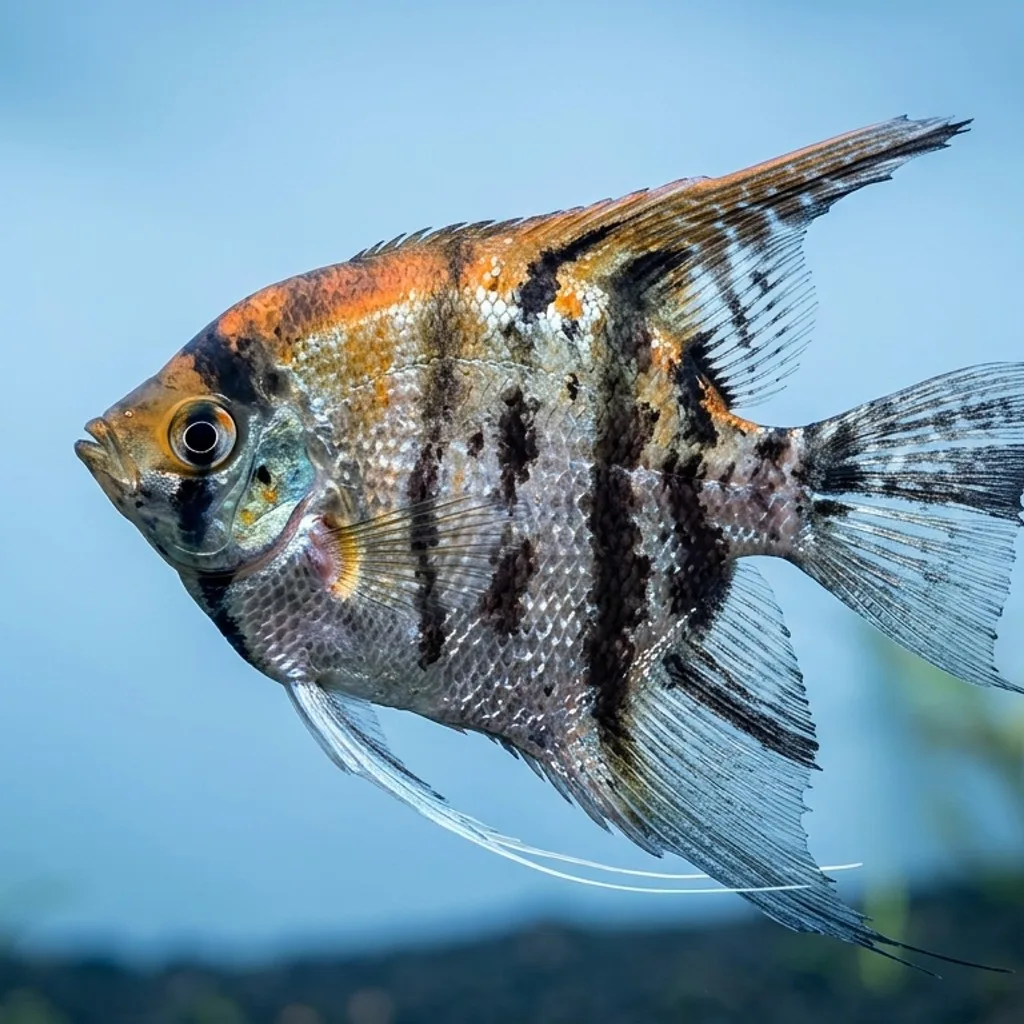
Angelfish
The Angelfish (Pterophyllum scalare) is a tall, disc-shaped freshwater cichlid from the slow-moving waters of the Amazon basin, recognised instantly by its long, trailing dorsal and anal fins. Adults reach around 15cm in length and 20cm in height including those fins, and can live 10 to 15 years, so the species is a long commitment rather than a starter fish. Angelfish are semi-aggressive by nature: usually calm in a settled community tank, but territorial while breeding or when kept in cramped quarters, and small tank mates may be treated as prey. They do best in groups of four to six in a tank of at least 120 litres, where a lone fish tends to become withdrawn. Selective breeding has produced marble, koi, black, albino and veiled forms alongside the wild silver body with dark vertical stripes. Angelfish suit intermediate aquarists who can hold water parameters steady and plan tank mates with care.
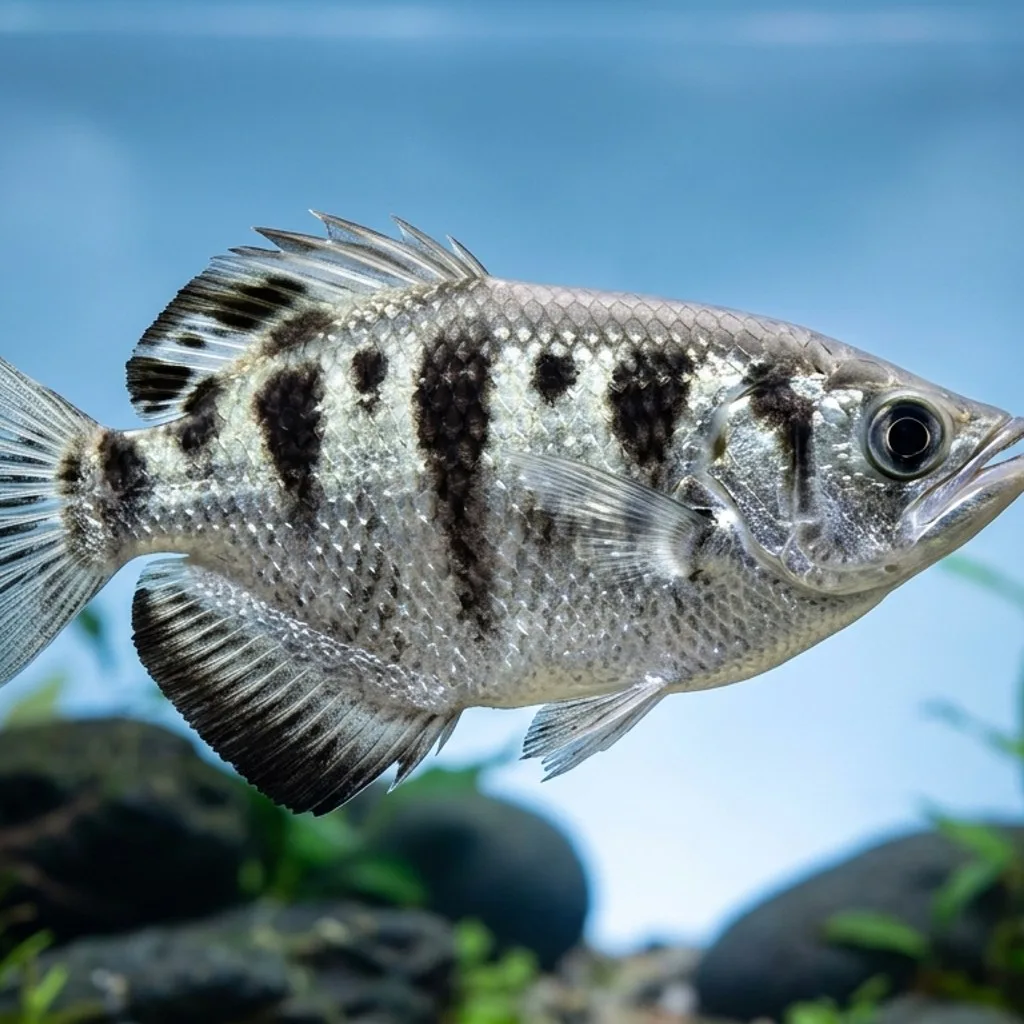
Archerfish
Archerfish is a medium fish originating from Indo-Pacific. It is listed on Schedule 4 (approved species) of MPI’s Import Health Standard for ornamental fish, so it can be legally imported and sold through the NZ aquarium trade. MPI classes it as a higher-risk species with additional import quarantine conditions. Typical lifespan is 5-10 years.
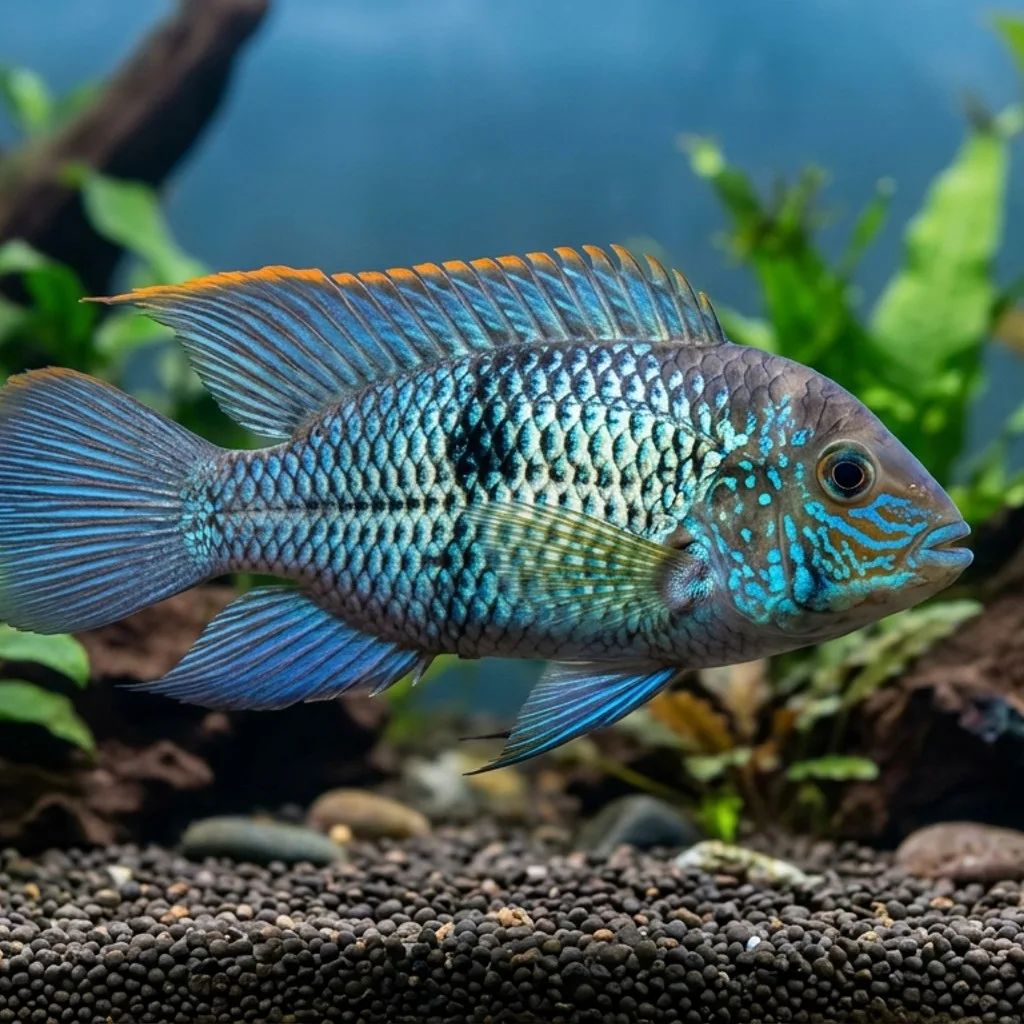
Blue Acara
Blue Acara is a medium fish originating from South America. It is listed on Schedule 4 (approved species) of MPI’s Import Health Standard for ornamental fish, so it can be legally imported and sold through the NZ aquarium trade. Typical lifespan is 7-10 years.
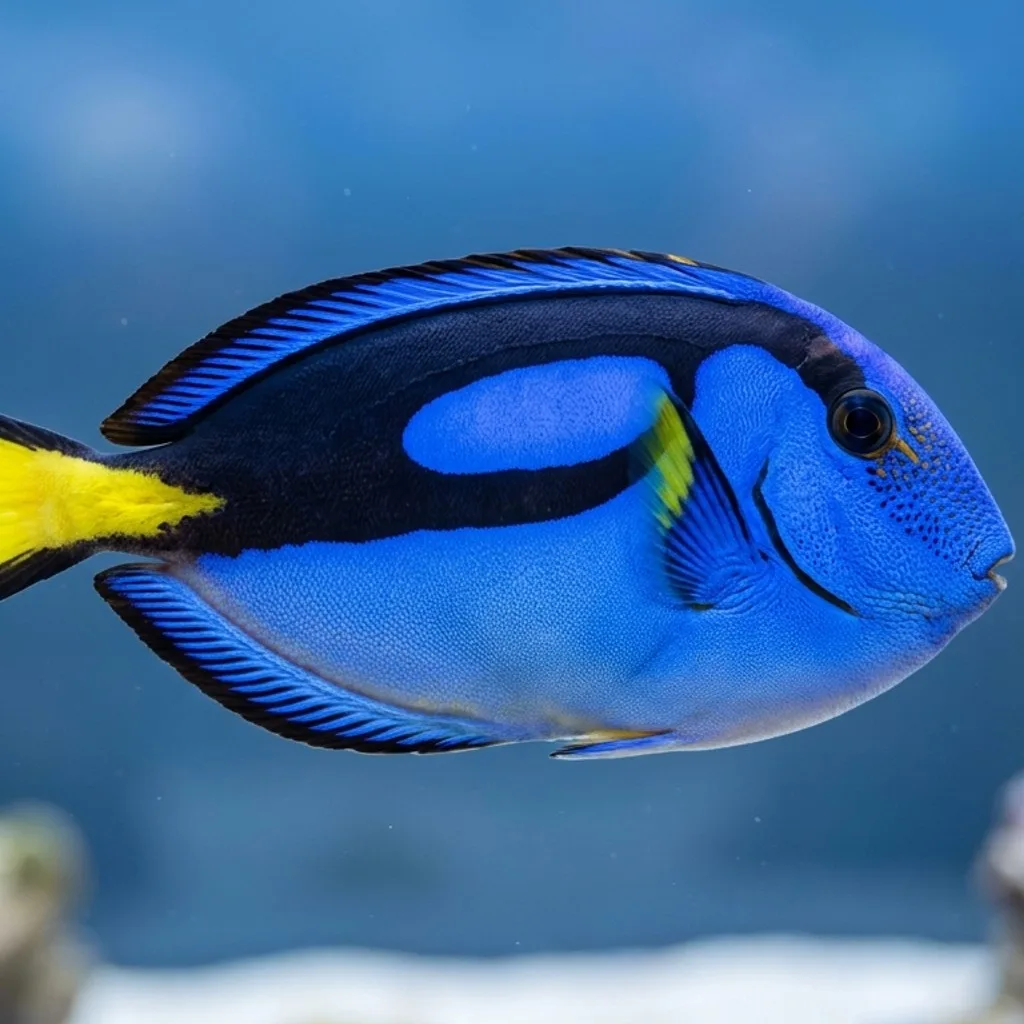
Blue Tang
Blue Tang is a medium fish originating from Indo-Pacific. It is listed on Schedule 4 (approved species) of MPI’s Import Health Standard for ornamental fish, so it can be legally imported and sold through the NZ aquarium trade. Typical lifespan is 8-20 years.