Pet Breed Guide NZ
Rainbow Lorikeet
The Rainbow Lorikeet is a vibrant, medium-sized parrot renowned for its stunning, multi-coloured plumage and playful personality. Originating from Australia, these intelligent birds are known for their energetic antics and ability to mimic sounds, making them captivating companions. Unlike many parrots, their diet primarily consists of nectar, pollen, and fruit, requiring a specialised feeding regimen. In New Zealand, the Rainbow Lorikeet is classified as a restricted species, meaning prospective owners must navigate strict regulations and obtain necessary permits from MPI and local councils before considering ownership. This status reflects New Zealand's commitment to protecting its unique native ecosystems from potential invasive species.
Photo Gallery
NZ Ownership Snapshot
Restricted in NZ- Noise Level
- moderate
- Social Needs
- groups
- Diet Type
- Seeds, pellets, vegetables, fruit, and species-appropriate enrichment foods
- UVB Required
- Yes
Restricted pest/unwanted-organism context: MPI lists rainbow lorikeet as a regulated species with captive-retention permissions. Check MPI and regional rules before any breeding, sale, movement, or keeping.
Breed Snapshot
- Size
- small
- Lifespan
- 15-25 years
- Origin
- Australia
- Care Focus
- Social and vocal bird that needs daily enrichment, safe handling, and secure housing.
- NZ Price
- NZD $800 - $1500+
- Annual Vet Cost
- Estimated annual vet/care costs for a Rainbow Lorikeet in NZ can range from NZD $300 - $800+, excluding initial setup. This accounts for routine check-ups, specialised diet supplements, and potential emergency care. Access to exotic bird veterinarians in New Zealand is limited, particularly outside major centres, which can lead to higher consultation fees and travel costs. Specialised diagnostic tests or treatments for exotic species may also incur higher costs compared to common pets.
Personality Scores
NZ Lifestyle Fit
Rainbow Lorikeets are a restricted species in New Zealand, making their suitability as pets highly dependent on legal compliance rather than typical home environments. For those who can legally obtain permits from MPI and their local council, these birds require a spacious aviary, not just a small cage, to accommodate their energetic nature. Climate considerations are important; while they can adapt to various conditions, protection from extreme cold, especially in South Island winters, is crucial. Conversely, Auckland's humidity is generally well-tolerated. Sourcing legally in NZ is extremely limited, typically through licensed breeders or zoos with specific permits, and never from unverified sources. Regional restrictions may also apply, so always consult your local council. This is not a pet for a typical suburban section or bach without significant, permitted infrastructure.
Restricted pest/unwanted-organism context: MPI lists rainbow lorikeet as a regulated species with captive-retention permissions. Check MPI and regional rules before any breeding, sale, movement, or keeping.
About This bird
The Rainbow Lorikeet (Trichoglossus moluccanus) is a truly spectacular bird, celebrated for its dazzling array of colours that span the spectrum of a rainbow. These medium-sized parrots typically measure around 25-30 cm from head to tail and can live for an impressive 15-25 years with proper care. Native to the eastern seaboard of Australia, they are highly adapted to a diet rich in nectar, pollen, and soft fruits, a characteristic that sets them apart from many seed-eating parrots. Their intelligence and vivacious nature make them engaging pets, though their specific dietary and social needs require dedicated commitment from their owners. In New Zealand, their status as a restricted species means that owning, breeding, or transporting a Rainbow Lorikeet is subject to strict legal requirements, primarily to protect New Zealand's unique biodiversity.
What They Look Like
True to their name, Rainbow Lorikeets are a kaleidoscope of colour. Their head and belly are a deep blue, which transitions into a bright green on their wings, back, and tail. A vibrant orange-yellow chest and a red beak complete their striking appearance. Their eyes are typically orange-red, adding to their alert and intelligent expression. Males and females are visually similar, making it difficult to distinguish sexes without DNA testing. Their brush-tipped tongue is a unique adaptation, perfectly designed for lapping up nectar and pollen from flowers, a key feature reflecting their specialised diet.
Personality & Behaviour
Rainbow Lorikeets are known for their boisterous, playful, and highly social personalities. They thrive in groups and require significant interaction, whether with their human companions or other lorikeets. These birds are incredibly intelligent and can be taught to mimic words and sounds, though their 'speech' is often less clear than some other parrot species. Their high energy levels mean they are constantly on the move, exploring, climbing, and playing. They can be quite noisy, especially when excited or seeking attention, emitting loud squawks and chirps. Owners should be prepared for a bird that demands attention and provides endless entertainment with its curious and affectionate nature.
Life in New Zealand
In New Zealand, the Rainbow Lorikeet is classified as a 'restricted' species. This classification is a critical aspect of responsible pet ownership for anyone considering this bird. The Ministry for Primary Industries (MPI) and local councils impose strict regulations on the import, keeping, breeding, and movement of these animals. The primary concern is biosecurity; non-native species, if they were to escape and establish wild populations, could pose a significant threat to New Zealand's native flora and fauna, competing for resources or spreading diseases. Therefore, prospective owners must diligently check MPI guidelines and local council bylaws, as permits are mandatory. Unauthorised possession can lead to severe penalties. Legal ownership typically involves strict containment protocols to prevent escape.
Is This the Right Pet for You?
Owning a Rainbow Lorikeet is a significant commitment. Their long lifespan means you're looking at a companion for potentially two decades or more. Their specialised diet, high social needs, and potential for noise require a dedicated owner who can provide ample time, attention, and a stimulating environment. The legal complexities in New Zealand, including the need for permits and strict containment, add another layer of responsibility. If you are prepared for the unique care requirements, the vibrant personality, and the legal obligations, a Rainbow Lorikeet can be an incredibly rewarding and engaging pet. However, for those seeking a low-maintenance or less restricted bird, other species may be a more suitable choice.
Fun Facts
Fact 1
Rainbow Lorikeets have a brush-tipped tongue perfectly adapted for lapping up nectar and pollen.
Fact 2
They are one of the few parrot species that primarily feed on nectar and fruit, not seeds.
Fact 3
These birds are highly intelligent and can mimic human speech and various sounds.
Fact 4
In the wild, they often travel long distances in search of flowering trees.
Fact 5
Their vibrant colours serve as camouflage amongst the bright flowers and foliage they frequent.
Related Breeds
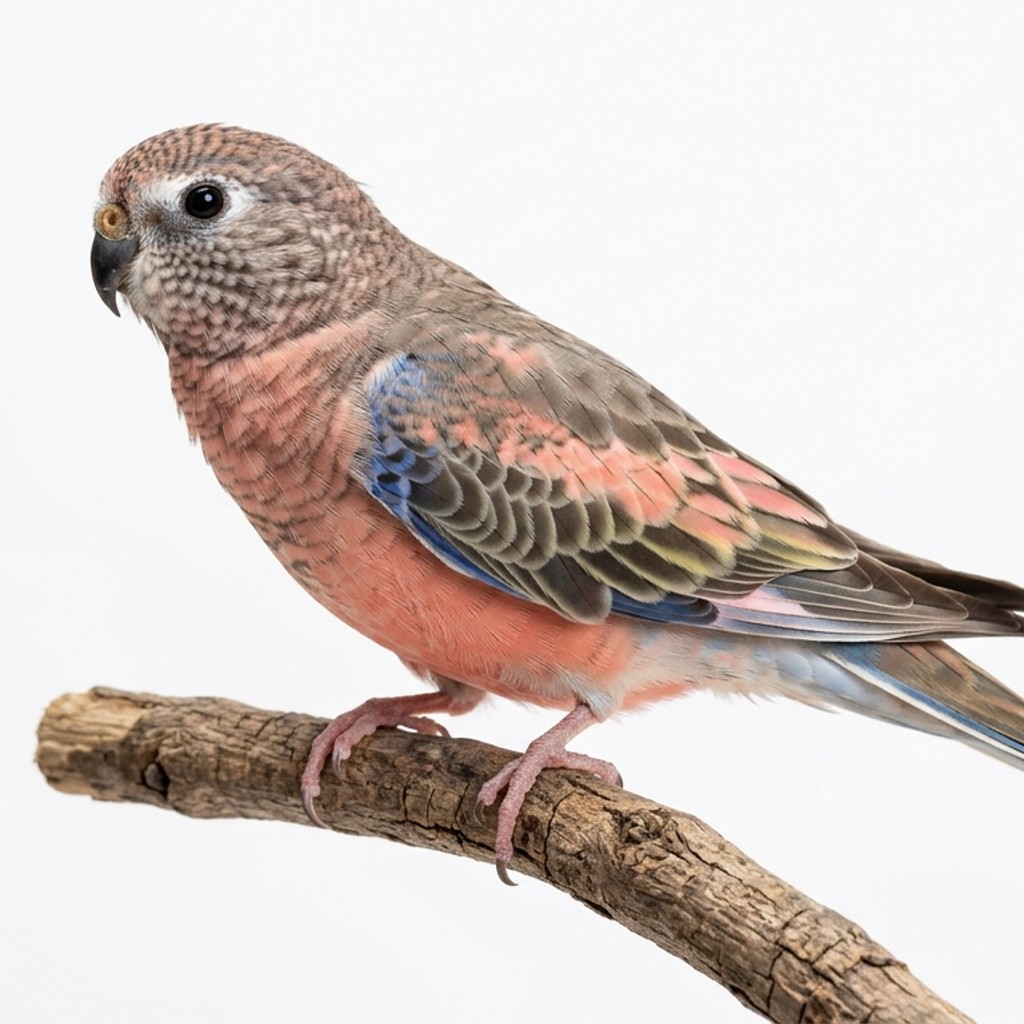
Bourke's Parakeet
Bourke's Parakeet is a small bird originating from Australia. PetMall has an official-source NZ status note for this listing; follow the listed MPI, DOC, EPA, and local council conditions before sourcing one. Typical lifespan is 8-12 years.
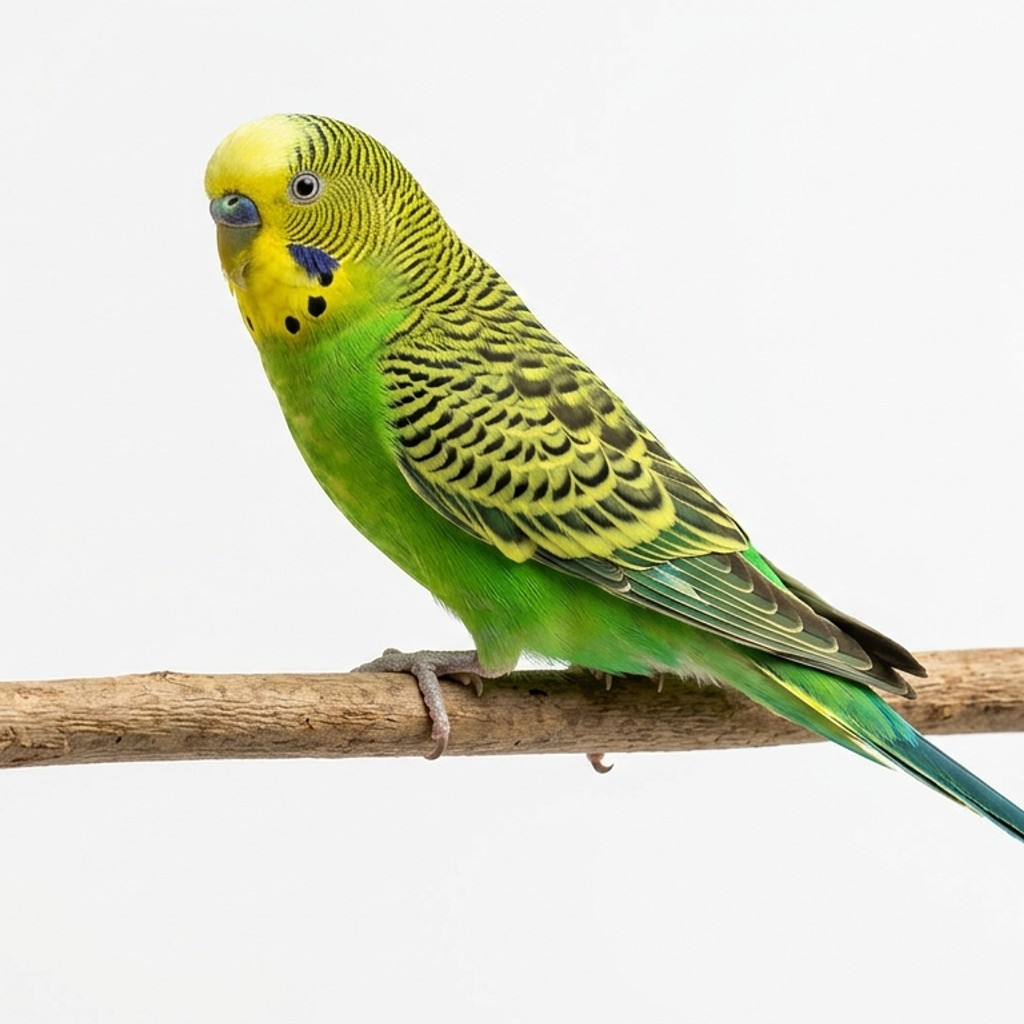
Budgerigar (Budgie)
Budgerigar (Budgie) is a small bird originating from Australia. PetMall has an official-source NZ status note for this listing; follow the listed MPI, DOC, EPA, and local council conditions before sourcing one. Typical lifespan is 5-10 years.
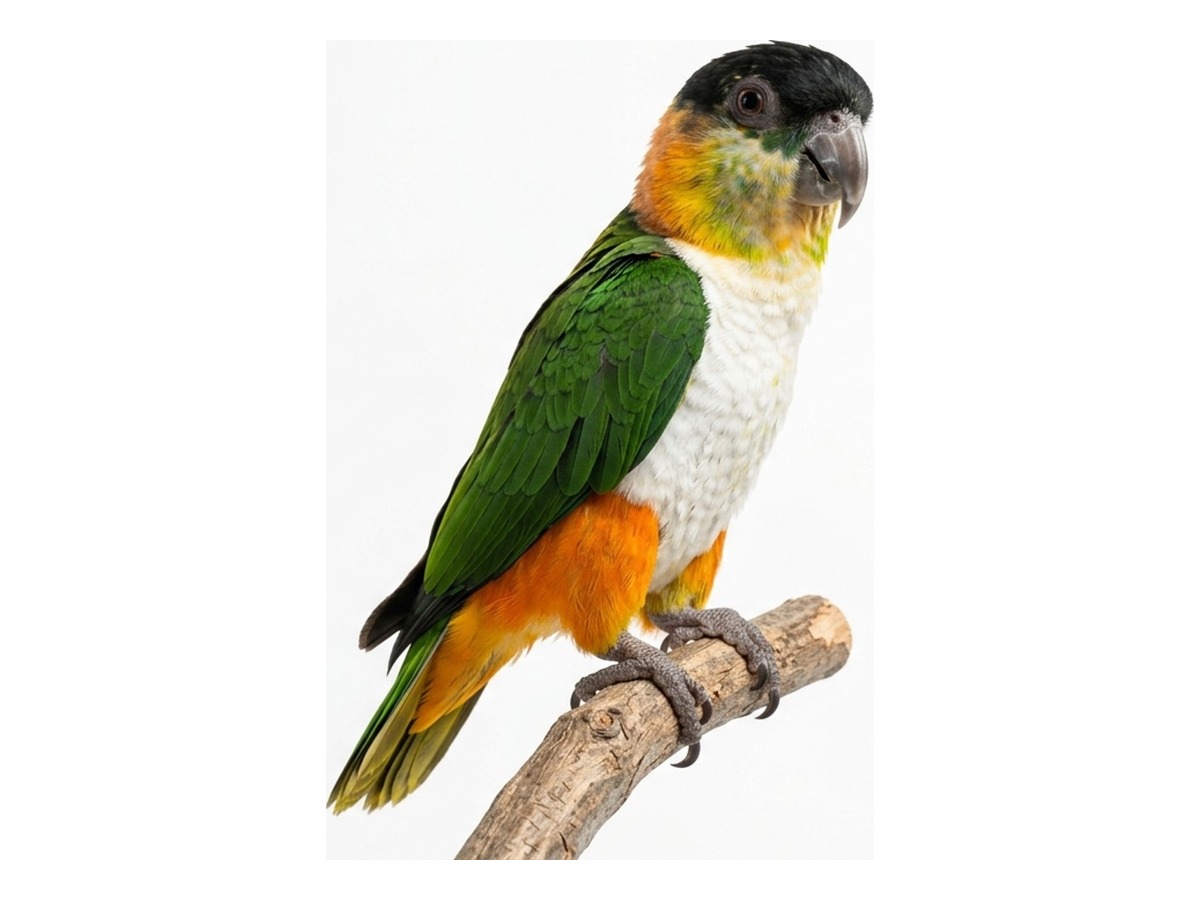
Caique
Caique is a small bird originating from South America. PetMall has an official-source NZ status note for this listing; follow the listed MPI, DOC, EPA, and local council conditions before sourcing one. Typical lifespan is 25-40 years.
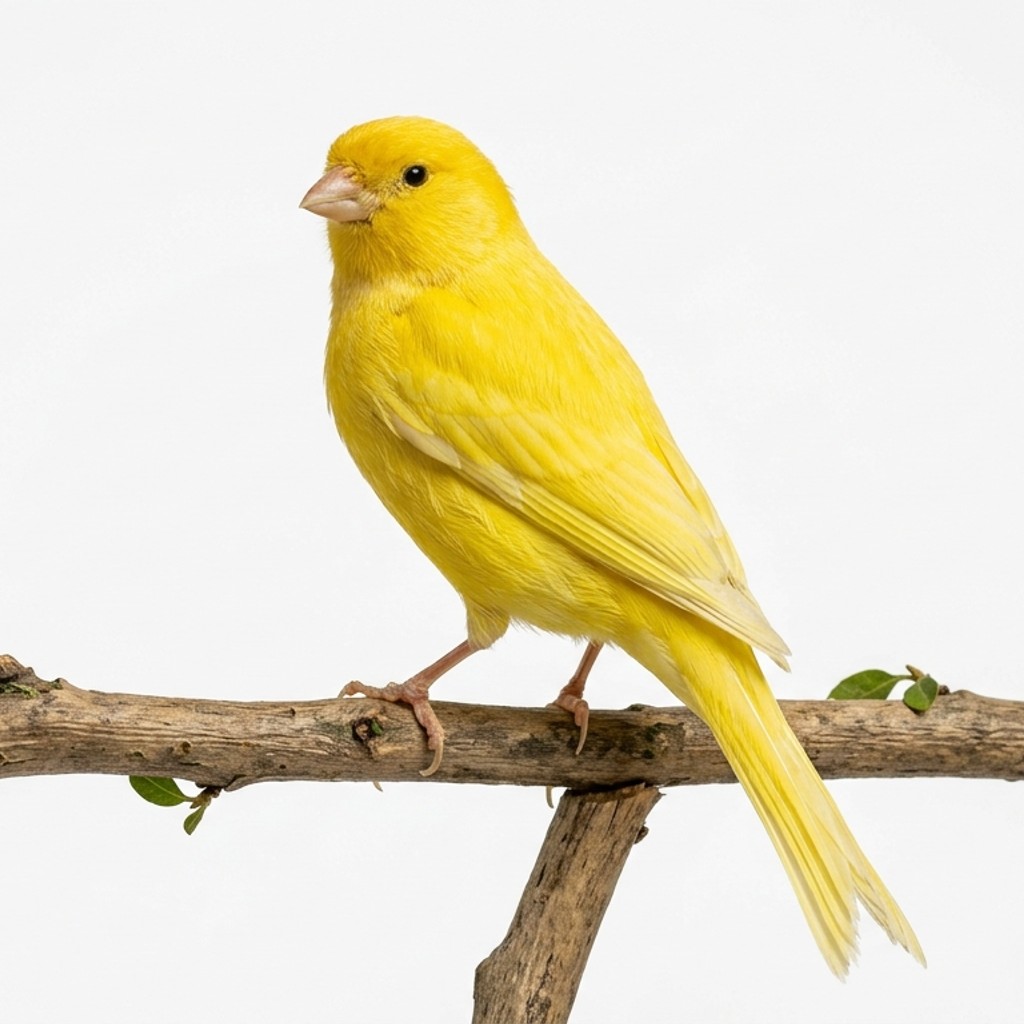
Canary
Canary is a small bird originating from Canary Islands. PetMall has an official-source NZ status note for this listing; follow the listed MPI, DOC, EPA, and local council conditions before sourcing one. Typical lifespan is 10-15 years.