Pet Breed Guide NZ
Canary
Canaries, celebrated for their enchanting and varied songs, are small, vibrant birds originating from the Canary Islands. These delightful avians are cherished for their relatively quiet demeanour and beautiful plumage, making them a captivating addition to many homes. While not typically hands-on pets, their cheerful chirps and elegant presence bring immense joy and a touch of nature indoors. They are generally low-maintenance in terms of direct interaction but require consistent care for their environment. In New Zealand, Canaries are broadly legal to keep, presenting a wonderful pet option for Kiwis, though all prospective owners must verify current MPI guidelines and local council regulations to ensure full compliance.
Photo Gallery
NZ Ownership Snapshot
Verified NZ Status- Noise Level
- quiet
- Social Needs
- groups
- Diet Type
- Seeds, pellets, vegetables, fruit, and species-appropriate enrichment foods
- UVB Required
- No
Verified NZ domestic pet-bird context: MPI recognises finches as pet birds in NZ. This supports local captive-keeping context only; live bird imports are not allowed, and owners must still check species-specific and regional pest rules.
Breed Snapshot
- Size
- small
- Lifespan
- 10-15 years
- Origin
- Canary Islands
- Care Focus
- Generally quieter bird that still needs daily enrichment, safe handling, and social care.
- NZ Price
- $50 - $150 NZD
- Annual Vet Cost
- $100 - $250 NZD annually. This estimate covers routine health checks and potential minor issues. Emergency care or treatment for more complex conditions could significantly increase costs. It's important to note that access to avian or exotic animal veterinarians in New Zealand can be limited, particularly outside major urban centres, which may impact both availability and cost of specialised care.
Personality Scores
NZ Lifestyle Fit
Canaries are highly suitable for a wide range of New Zealand homes, from city apartments to suburban houses and even rural properties. Their small size and relatively quiet nature, primarily consisting of melodic singing, make them ideal for smaller living spaces where noise might be a concern. They adapt well to New Zealand's varied climate, but owners must ensure their cage is protected from drafts, direct harsh sunlight, and extreme temperatures, whether it's the humid Auckland summers or the chilly South Island winters. While Canaries are generally legal to keep throughout NZ, it is imperative for prospective owners to check with their local council and the Ministry for Primary Industries (MPI) for any specific regional bylaws or biosecurity guidelines before acquiring one. Legally sourced Canaries can be found through reputable pet stores and dedicated avian breeders across New Zealand, ensuring a healthy and compliant start to pet ownership.
Verified NZ domestic pet-bird context: MPI recognises finches as pet birds in NZ. This supports local captive-keeping context only; live bird imports are not allowed, and owners must still check species-specific and regional pest rules.
About This bird
Canaries (Serinus canaria domestica) are small, domesticated finches renowned for their beautiful singing. Originating from the Macaronesian islands of the Azores, Madeira, and the Canary Islands, these birds have been selectively bred for centuries, resulting in a wide array of colours, song types, and physical forms. Typically living between 10 to 15 years with proper care, Canaries are a long-term commitment. They are generally quiet birds, known more for their melodic tunes than loud squawks, making them suitable for various living situations. While they can be social with other Canaries, they are not typically 'cuddly' pets but offer immense joy through their vibrant presence and vocalisations.
What They Look Like
Canaries are small birds, generally measuring about 12 to 15 centimetres (5-6 inches) in length. Their most striking feature is their diverse plumage. While the wild Canary is a greenish-yellow, domestic Canaries come in a stunning array of colours including bright yellow, orange, red, white, brown, and even variegated patterns. Their body is compact with a relatively short, conical beak ideal for cracking seeds. They possess bright, inquisitive eyes and delicate feet designed for perching. Different breeds have been developed for specific traits, such as the frilly feathers of the Parisian Frill or the unique posture of the Belgian Fancy, showcasing the incredible variety within the species.
Personality & Behaviour
Canaries are generally peaceful and inquisitive birds. They are known for their active nature, flitting and hopping around their cage, exploring their environment. While they can be kept individually, especially if the owner desires a strong bond, Canaries are social birds and often thrive in groups or pairs, particularly if they are not specifically bred for song. Males are typically the primary singers, especially during breeding season, filling the home with their characteristic melodies. They are not prone to aggression but can become stressed if their environment is too noisy or if they feel threatened by other pets. Enrichment through toys, perches, and supervised out-of-cage time is crucial for their mental and physical well-being.
Life in New Zealand
Canaries are a popular and generally legal pet in New Zealand. Their relatively small size and quiet nature make them well-suited to various Kiwi homes, from apartments to larger houses with a bach. Sourcing Canaries legally in NZ typically involves purchasing from reputable pet stores or dedicated breeders. It is vital for prospective owners to consult the Ministry for Primary Industries (MPI) and their local council for any specific regulations or biosecurity guidelines that may apply, as rules can vary. Canaries adapt well to New Zealand's climate, though protection from extreme temperatures, such as the humidity of Auckland or the colder South Island winters, is essential. Responsible ownership also includes ensuring access to appropriate veterinary care, which, for exotic birds, can sometimes be limited in certain regions of NZ.
Is This the Right Pet for You?
Canaries are an excellent choice for individuals or families seeking a pet that offers beauty, song, and a lively presence without requiring extensive hands-on interaction. They are relatively low-maintenance compared to some other pets, but still demand consistent daily care, including feeding, watering, and cage cleaning. Their quiet nature makes them suitable for apartment living, and their beautiful songs can be a source of daily joy. However, potential owners must be prepared for the commitment of providing a suitable habitat, a balanced diet, and ensuring their health for over a decade. If you appreciate avian beauty and song, and are prepared for the responsibilities of bird ownership, a Canary could be a wonderful addition to your Kiwi home.
Fun Facts
Fact 1
Canaries were first brought to Europe by Spanish sailors in the 17th century, quickly becoming popular pets.
Fact 2
Male Canaries are primarily known for their elaborate songs, which they use to attract mates and mark territory.
Fact 3
There are over 20 different breeds of domestic Canaries, categorised by their song, colour, or physical features.
Fact 4
Historically, Canaries were used in coal mines to detect dangerous gases like carbon monoxide, earning them the phrase 'canary in a coal mine'.
Fact 5
Canaries can learn to mimic certain sounds and melodies, though their natural song is usually preferred by owners.
Related Breeds
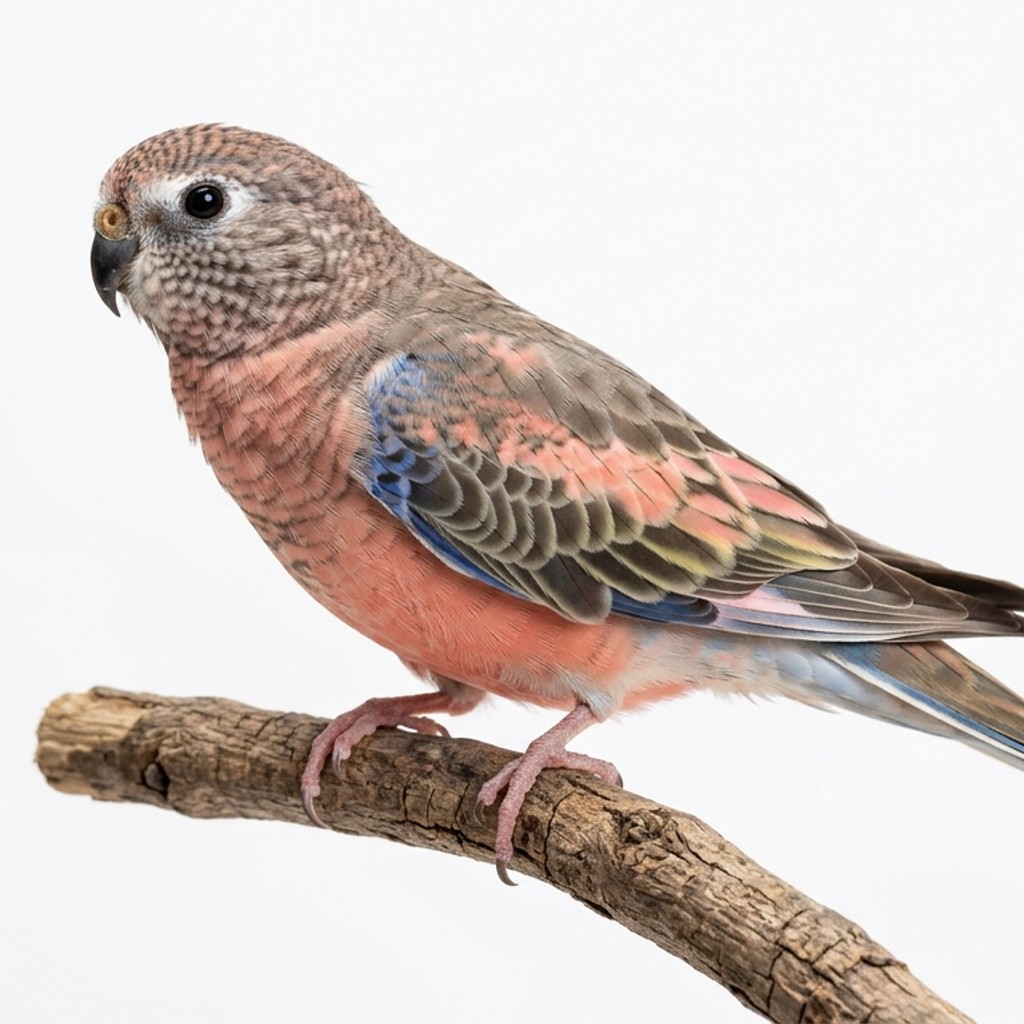
Bourke's Parakeet
Bourke's Parakeet is a small bird originating from Australia. PetMall has an official-source NZ status note for this listing; follow the listed MPI, DOC, EPA, and local council conditions before sourcing one. Typical lifespan is 8-12 years.
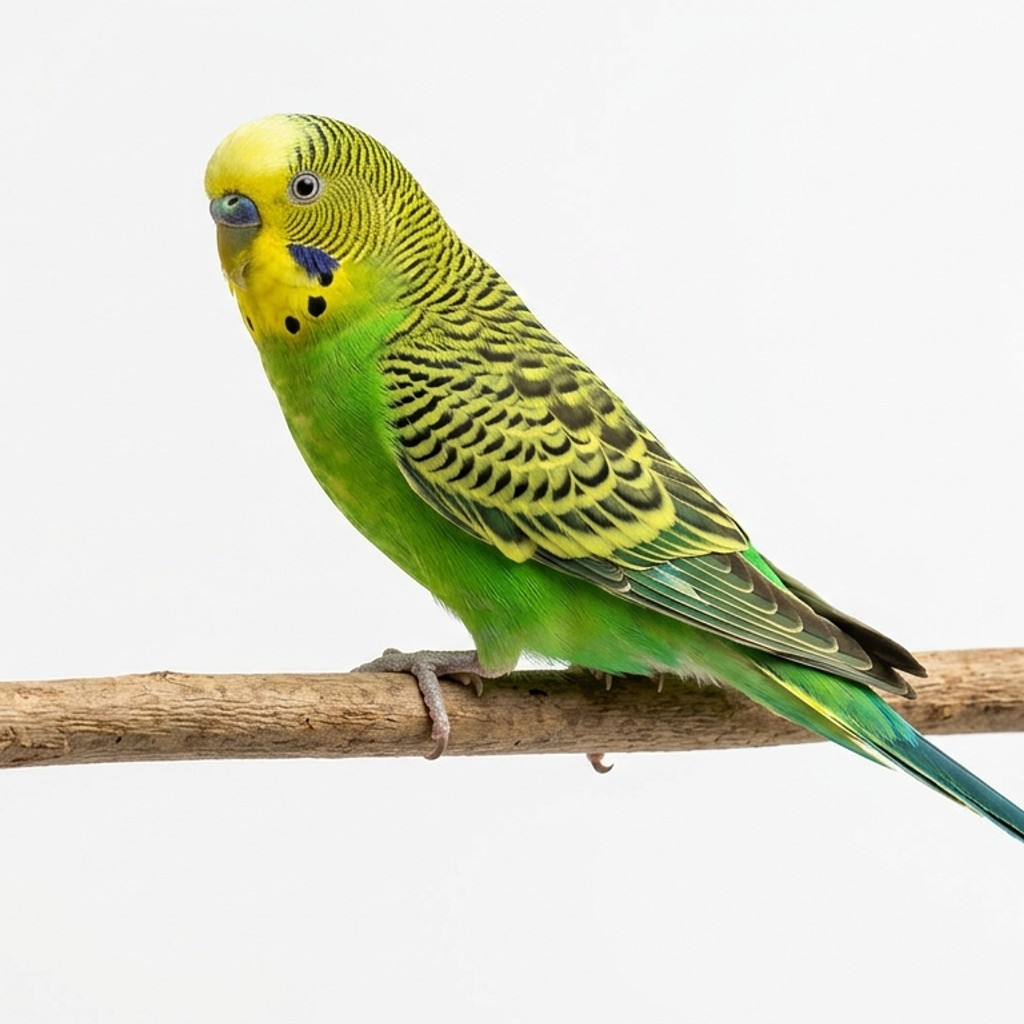
Budgerigar (Budgie)
Budgerigar (Budgie) is a small bird originating from Australia. PetMall has an official-source NZ status note for this listing; follow the listed MPI, DOC, EPA, and local council conditions before sourcing one. Typical lifespan is 5-10 years.
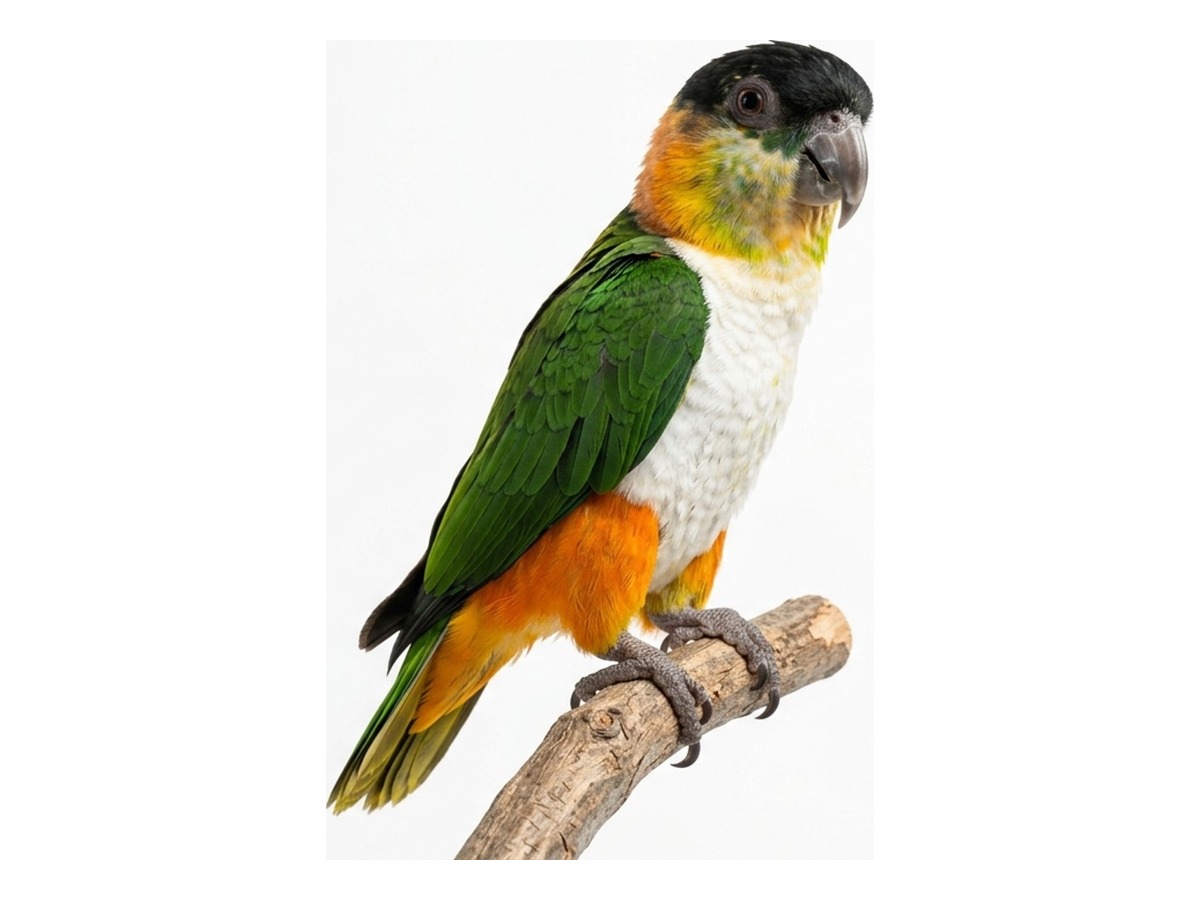
Caique
Caique is a small bird originating from South America. PetMall has an official-source NZ status note for this listing; follow the listed MPI, DOC, EPA, and local council conditions before sourcing one. Typical lifespan is 25-40 years.
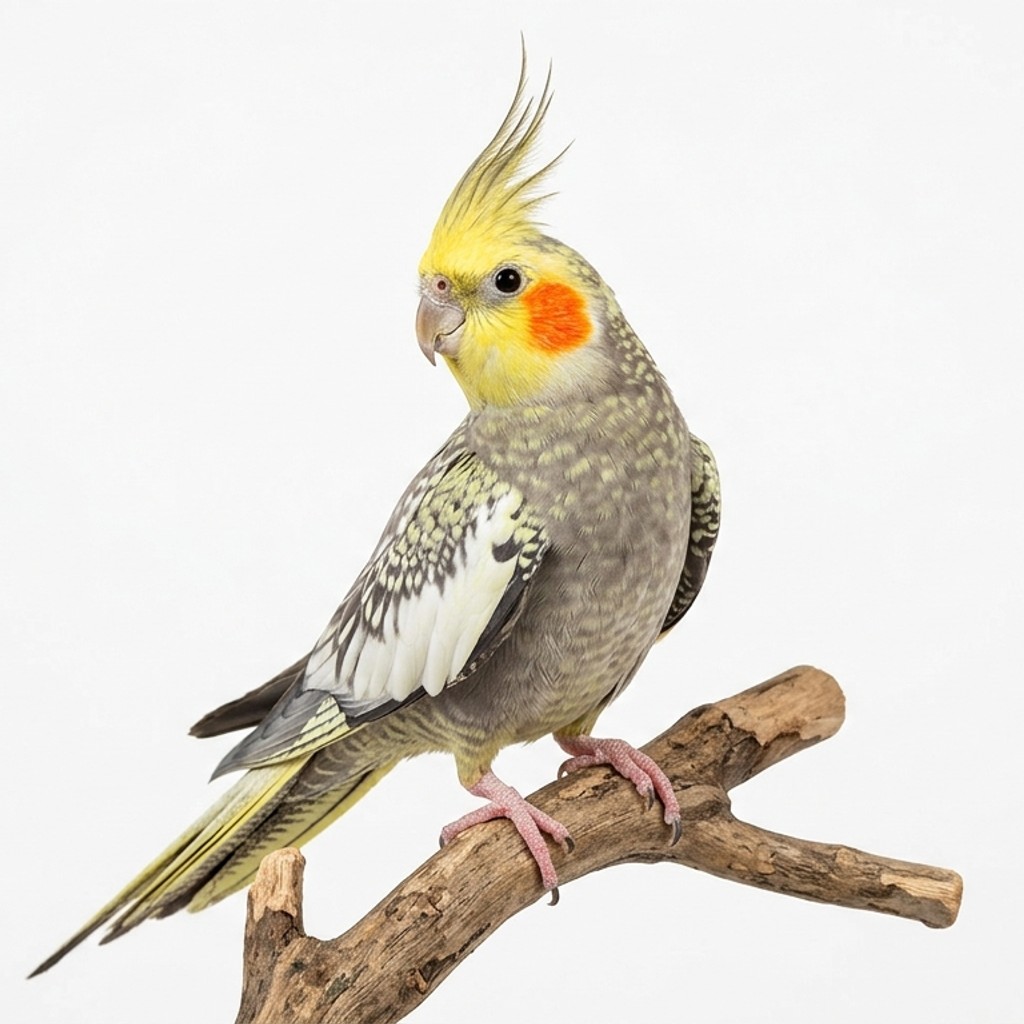
Cockatiel
Cockatiel is a small bird originating from Australia. PetMall has an official-source NZ status note for this listing; follow the listed MPI, DOC, EPA, and local council conditions before sourcing one. Typical lifespan is 15-25 years.