Pet Breed Guide NZ
Quaker Parakeet (Monk Parakeet)
The Quaker Parakeet, also known as the Monk Parakeet, is a small, highly intelligent, and social bird originating from South America. Known for their vibrant green plumage and remarkable ability to mimic human speech, they can form strong bonds with their owners, often displaying playful and affectionate personalities. Unlike many parrot species, Quakers are unique in their habit of building large, communal stick nests rather than nesting in tree cavities. Their engaging nature and capacity for learning make them fascinating companions. However, in New Zealand, the Quaker Parakeet holds a restricted legal status, meaning prospective Kiwi owners must thoroughly verify all MPI and local council regulations before considering acquiring, keeping, breeding, or transporting one.
Photo Gallery
NZ Ownership Snapshot
Verified NZ Status- Noise Level
- moderate
- Social Needs
- groups
- Diet Type
- Seeds, pellets, vegetables, fruit, and species-appropriate enrichment foods
- UVB Required
- No
Verified NZ domestic pet-bird context: MPI recognises parrots/parakeets as pet birds in NZ. This supports local captive-keeping context only; live bird imports are not allowed, and owners must still check species-specific and regional pest rules.
Breed Snapshot
- Size
- small
- Lifespan
- 20-30 years
- Origin
- South America
- Care Focus
- Social and vocal bird that needs daily enrichment, safe handling, and secure housing.
- NZ Price
- Due to their restricted legal status in New Zealand, Quaker Parakeets are not readily available through conventional pet channels. If a legal source were to exist and all MPI and local council permits were obtained, the price would likely be significantly higher than in countries where they are unrestricted, reflecting the rarity and specialised nature of such an acquisition. An estimated price range, if legally available, could be in the realm of NZD $800 - $2000+, but this is highly speculative given the extreme difficulty in legal sourcing.
- Annual Vet Cost
- Annual veterinary and care costs for a Quaker Parakeet in New Zealand can range from NZD $150 - $400+. This includes routine check-ups, potential emergency care, and preventative treatments. It is crucial to note that access to avian or exotic animal veterinarians in New Zealand is limited, especially outside of major urban centres. Owners may need to travel significant distances to find a vet experienced with exotic birds. Initial costs for a new bird would also include a comprehensive vet check, which could add NZD $80 - $150 to the first year's expenses. Specialised avian diets and enrichment items also contribute to ongoing costs.
Personality Scores
NZ Lifestyle Fit
In New Zealand, the suitability of a Quaker Parakeet as a pet is overwhelmingly dictated by its restricted legal status. Assuming all MPI and local council regulations can be met, these birds can adapt to various home types, including apartments or sections, provided they have a spacious cage and ample out-of-cage time for exercise and socialisation. Their moderate noise level is generally manageable in urban settings. Climate-wise, Quaker Parakeets are adaptable, but like all birds, they require protection from extreme temperatures. While they can tolerate cooler South Island climates with appropriate shelter, and humid Auckland conditions are generally fine, consistent warmth and draught-free environments are crucial. Regional restrictions may vary, so checking with your specific local council is paramount. Legally sourcing a Quaker Parakeet in NZ is exceptionally difficult due to their restricted status; they are not typically available through pet shops or general breeders. Any acquisition must be from a verified, MPI-approved source, which are rare and highly regulated.
Verified NZ domestic pet-bird context: MPI recognises parrots/parakeets as pet birds in NZ. This supports local captive-keeping context only; live bird imports are not allowed, and owners must still check species-specific and regional pest rules.
About This bird
The Quaker Parakeet, or Monk Parakeet (Myiopsitta monachus), is a small to medium-sized parrot native to the subtropical regions of South America, including Argentina, Bolivia, Brazil, Paraguay, and Uruguay. These charming birds are renowned for their intelligence, social nature, and impressive ability to mimic human speech, making them popular pets worldwide. With a typical lifespan of 20-30 years in captivity, they represent a long-term commitment for any owner. Quakers are unique among parrots for their communal nesting habits, constructing large, multi-chambered stick nests that can house several pairs, rather than utilising tree cavities. Their adaptability has allowed them to establish feral populations in various urban areas globally, which is a key factor in their restricted status in New Zealand.
What They Look Like
Quaker Parakeets are easily identifiable by their bright green plumage on their back, wings, and tail, contrasted with a distinctive grey face, chest, and forehead. Their primary flight feathers are a striking blue, visible when they spread their wings. They typically measure around 28-30 cm in length, including their long tail, and weigh between 100-140 grams. They possess a sturdy, hooked beak, ideal for cracking seeds and climbing. Their eyes are dark with a white eye-ring, giving them an alert and curious expression. While the wild type is green and grey, selective breeding has produced various colour mutations in captivity, including blue, yellow (lutino), and albino, though these are less common and may be subject to additional restrictions in NZ.
Personality & Behaviour
Quaker Parakeets are highly social and intelligent birds that thrive on interaction. In the wild, they live in large flocks, and as pets, they form strong bonds with their human companions, often becoming quite affectionate and cuddly. They are known for their playful antics, curiosity, and problem-solving abilities. Quakers are excellent talkers and can develop extensive vocabularies, often mimicking phrases and sounds with remarkable clarity. However, their intelligence also means they require significant mental stimulation to prevent boredom, which can lead to destructive behaviours or feather plucking. They can be territorial, especially around their cage or favourite toys, and may exhibit a 'nippy' phase during adolescence. Their noise level is generally moderate; while they can be loud with squawks and chirps, they are not typically as ear-splitting as some larger parrot species.
Life in New Zealand
For prospective pet owners in New Zealand, the most critical aspect of owning a Quaker Parakeet is its restricted legal status. This classification means that owning, breeding, selling, or transporting these birds is not straightforward and requires strict adherence to regulations set by the Ministry for Primary Industries (MPI) and potentially local councils. The restriction is primarily due to their proven ability to establish feral populations in non-native environments, posing a potential threat to native ecosystems and agricultural crops. Any individual considering a Quaker Parakeet in NZ must undertake extensive research and obtain all necessary permits and approvals. Legal sources for these birds in New Zealand are extremely limited, and illegal acquisition carries significant penalties. This restriction significantly impacts the feasibility of keeping them as pets for most Kiwis.
Is This the Right Pet for You?
Considering a Quaker Parakeet as a pet is a significant decision, particularly in New Zealand. Their intelligence, social needs, and long lifespan mean they require dedicated attention, daily interaction, and a stimulating environment. They are not 'set and forget' pets and thrive with owners who can commit time to training, play, and socialisation. Their moderate noise level and potential for talking make them engaging companions, but their territorial tendencies mean they might not be ideal for homes with very young children or other small, easily intimidated pets without careful management. Crucially, the restricted legal status in New Zealand is the primary hurdle. Unless you are prepared to navigate complex legal requirements and ensure full compliance with MPI and local council regulations, a Quaker Parakeet is likely not the right pet for the average New Zealand household. For those who meet the legal criteria and are prepared for the commitment, they can be incredibly rewarding companions.
Fun Facts
Fact 1
Quaker Parakeets are the only parrot species that builds large, communal stick nests, rather than nesting in tree cavities.
Fact 2
They are incredibly intelligent and are among the best talkers in the parrot world, often mimicking human speech with remarkable clarity.
Fact 3
Their name 'Quaker' comes from their unique head-bobbing and chattering behaviour, which resembles a 'quaking' motion.
Fact 4
Wild populations of Quaker Parakeets have established themselves in many urban areas around the world, particularly in North America and Europe.
Fact 5
In some parts of their native South America, they are considered agricultural pests due to their flocking behaviour and consumption of crops.
Related Breeds
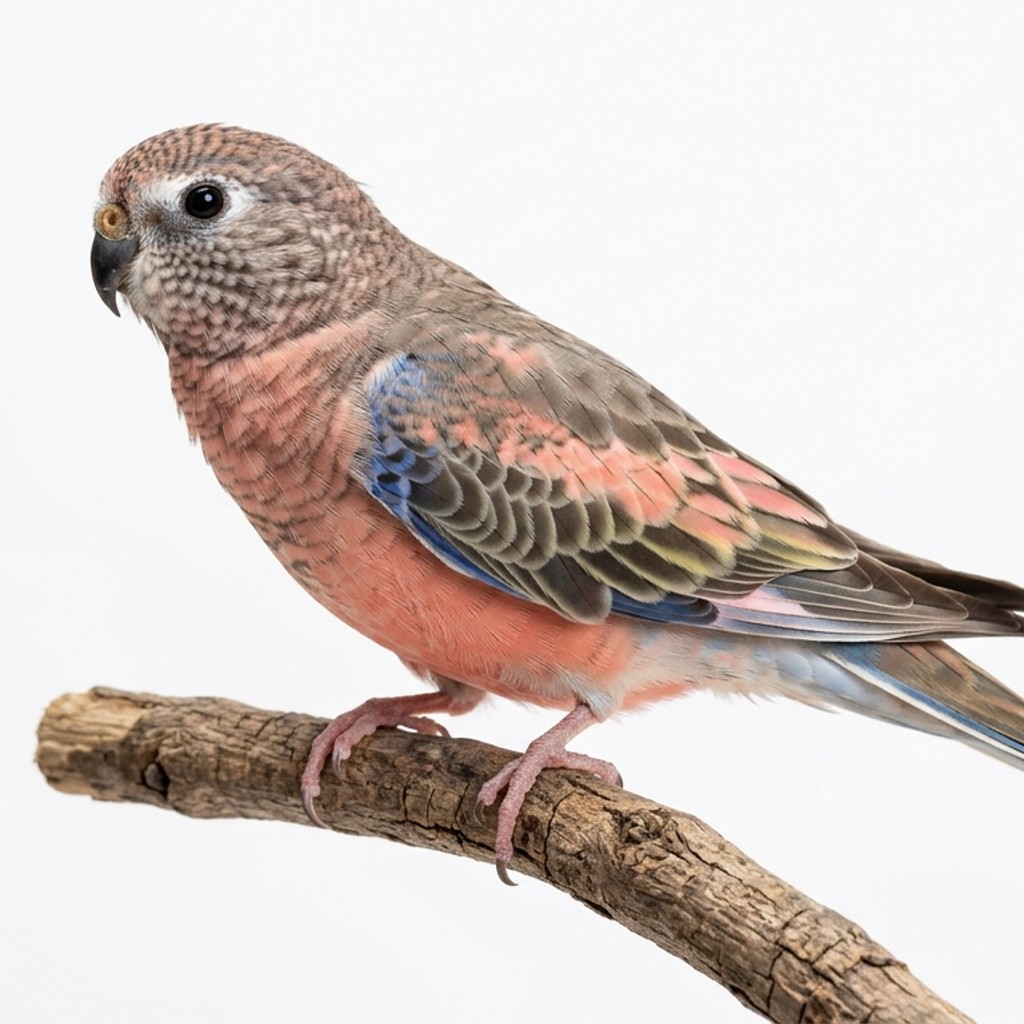
Bourke's Parakeet
Bourke's Parakeet is a small bird originating from Australia. PetMall has an official-source NZ status note for this listing; follow the listed MPI, DOC, EPA, and local council conditions before sourcing one. Typical lifespan is 8-12 years.
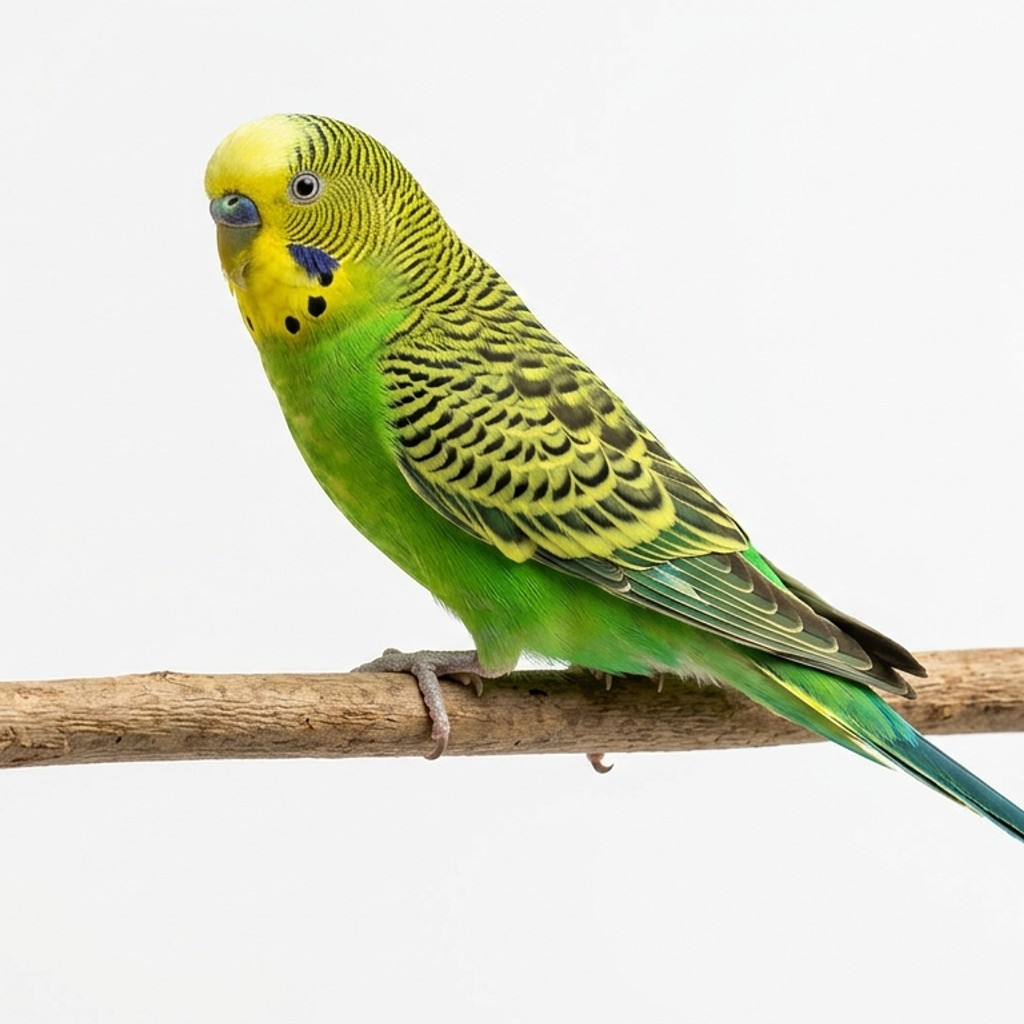
Budgerigar (Budgie)
Budgerigar (Budgie) is a small bird originating from Australia. PetMall has an official-source NZ status note for this listing; follow the listed MPI, DOC, EPA, and local council conditions before sourcing one. Typical lifespan is 5-10 years.
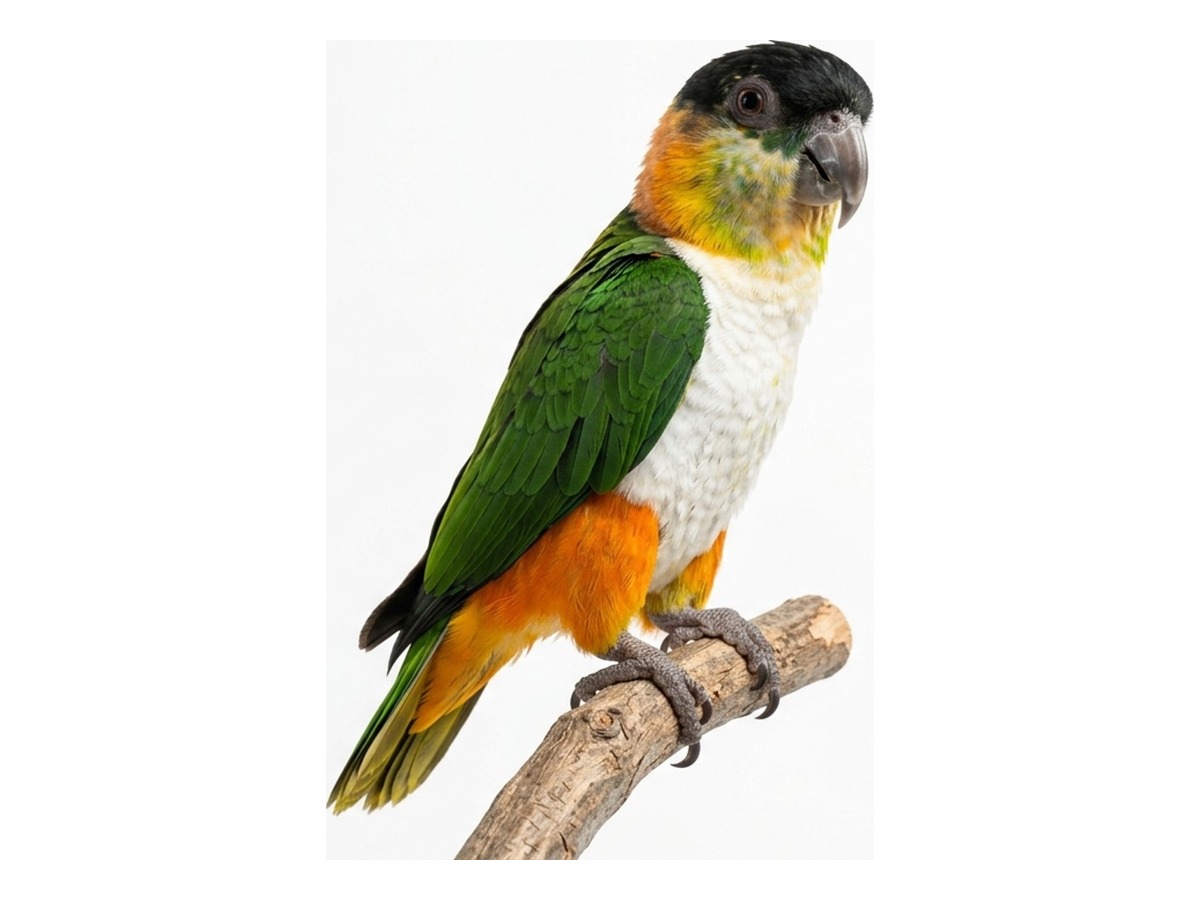
Caique
Caique is a small bird originating from South America. PetMall has an official-source NZ status note for this listing; follow the listed MPI, DOC, EPA, and local council conditions before sourcing one. Typical lifespan is 25-40 years.
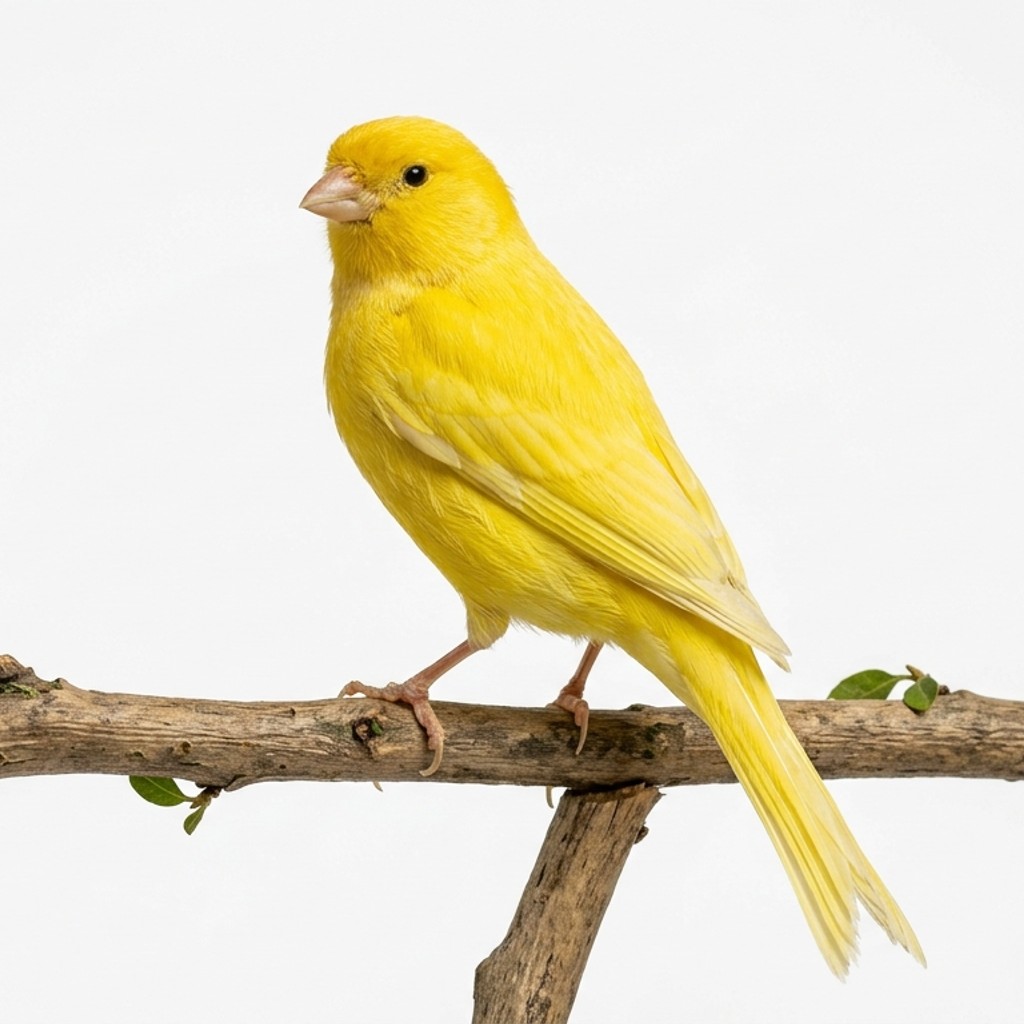
Canary
Canary is a small bird originating from Canary Islands. PetMall has an official-source NZ status note for this listing; follow the listed MPI, DOC, EPA, and local council conditions before sourcing one. Typical lifespan is 10-15 years.