Pet Breed Guide NZ
Java Sparrow
The Java Sparrow, a charming and social finch native to Indonesia, is a popular choice for New Zealand bird enthusiasts. Known for its striking grey plumage, black head, white cheek patches, and distinctive pink beak, this small bird brings a touch of exotic beauty to any aviary or suitable cage. They are active, curious, and thrive in the company of their own kind, making them a joy to observe. In New Zealand, the Java Sparrow is generally legal to keep, but prospective Kiwi owners should always confirm current MPI guidelines and local council regulations before acquiring one. Their relatively easy care and engaging personalities make them a rewarding pet for those prepared to meet their social and environmental needs.
Photo Gallery
NZ Ownership Snapshot
NZ Status Pending- Noise Level
- moderate
- Social Needs
- groups
- Diet Type
- Seeds, pellets, vegetables, fruit, and species-appropriate enrichment foods
- UVB Required
- No
NZ legal status pending official verification from PetMall's government-source facts library. Do not claim this animal is legal to buy, import, breed, sell, or keep until verified.
Breed Snapshot
- Size
- small
- Lifespan
- 5-9 years
- Origin
- Indonesia
- Care Focus
- Social and vocal bird that needs daily enrichment, safe handling, and secure housing.
- NZ Price
- NZD $40 - $100 per bird
- Annual Vet Cost
- NZD $100 - $250 annually for routine check-ups and potential minor issues
Personality Scores
NZ Lifestyle Fit
Java Sparrows can thrive in various New Zealand home environments, provided their specific needs for space and companionship are met. For apartment dwellers, a large indoor cage is essential, allowing for daily supervised out-of-cage time in a bird-safe room. Homes with a section or a bach might consider a spacious outdoor aviary, which allows these social birds to flourish in a more natural setting. Given their Indonesian origins, climate considerations are crucial. In humid Auckland, outdoor aviaries need excellent ventilation to prevent mould, while in colder South Island regions, robust shelter and heating are vital during winter months to protect them from frost and low temperatures. There are no specific regional prohibitions on Java Sparrows in NZ, but owners must always consult their local council bylaws, as rules can vary. Legally sourcing Java Sparrows in New Zealand is typically done through reputable bird breeders or specialist pet stores who adhere to MPI guidelines, ensuring the birds are healthy and legally obtained.
NZ legal status pending official verification from PetMall's government-source facts library. Do not claim this animal is legal to buy, import, breed, sell, or keep until verified.
About This bird
The Java Sparrow (Lonchura or Padda oryzivora), also known as the Java Finch or Rice Bird, is a small, gregarious passerine bird originating from the islands of Java, Bali, and Bawean in Indonesia. Revered for its elegant appearance and melodious chirps, this species has been a popular aviary bird worldwide for centuries. In their natural habitat, they are often found in open grasslands and cultivated fields, particularly rice paddies, which has earned them their "Rice Bird" moniker. Java Sparrows are highly social creatures, thriving in groups, and their interactions are a delight to observe. They are known for their relatively long lifespan for a finch, often living 5-9 years with proper care. These hardy birds adapt well to captive environments, provided they have ample space, a balanced diet, and the companionship they crave.
What They Look Like
Java Sparrows are instantly recognisable by their distinctive and elegant plumage. They typically measure about 13-14 cm in length. The adult bird boasts a sleek grey body, contrasting sharply with a striking black head and a prominent white patch on each cheek. Their most eye-catching feature is a thick, conical, bright pinkish-red beak, which is perfectly adapted for cracking seeds. They have reddish-pink eye-rings and legs. Juveniles are duller in colour, with a greyish-brown head and a grey beak that gradually develops its characteristic pink hue as they mature. There are also various colour mutations available in captivity, including white, fawn, and silver, though the wild-type grey remains the most common and iconic.
Personality & Behaviour
Java Sparrows are known for their calm and gentle temperament, making them suitable for mixed aviaries with other non-aggressive finches. They are highly social birds and should ideally be kept in pairs or, even better, in small flocks. Solitary Java Sparrows can become stressed and withdrawn. They are active and enjoy flitting around their enclosure, foraging, and interacting with their flock mates. While not typically hand-tame in the way a parrot might be, they can become quite comfortable with human presence and may even perch on a hand for treats with patience. Their vocalisation consists of soft chirps and chattering, which is generally pleasant and not overly loud, making them a good choice for those sensitive to noise. They are curious and enjoy exploring their environment, making enrichment crucial for their well-being.
Life in New Zealand
Java Sparrows are generally legal to keep as pets in New Zealand, offering Kiwi bird enthusiasts an opportunity to enjoy these beautiful finches. However, it is paramount for prospective owners to understand that while generally permitted, the legal landscape for exotic pets can change, and local council bylaws may also apply. Therefore, always verify the most current regulations with the Ministry for Primary Industries (MPI) and your local council before acquiring a Java Sparrow. These birds, originating from tropical climates, will require protection from the colder New Zealand winters, especially in the South Island, if housed in outdoor aviaries. They thrive in spacious environments, whether a large indoor cage or a well-designed outdoor aviary, allowing them to fly and socialise. Sourcing these birds legally in New Zealand typically involves purchasing from reputable breeders or pet stores that comply with all MPI regulations.
Is This the Right Pet for You?
A Java Sparrow can be a wonderful addition to a New Zealand home, particularly for individuals or families who appreciate the beauty and social dynamics of finches. They are relatively low-maintenance compared to larger parrots but do require a commitment to providing a suitable environment, a balanced diet, and social interaction. Consider if you have the space for a large cage or aviary, as these active birds need room to fly. Their social nature means you should plan to keep at least a pair, if not a small flock, which multiplies the space requirement. While their noise level is moderate, their constant chirping and chattering might not suit everyone. If you're looking for a bird that can be hand-tamed for cuddles, a Java Sparrow might not be the best fit, but if you enjoy observing active, social, and beautiful birds, they can be incredibly rewarding. Remember the importance of checking NZ legal status and local council rules.
Fun Facts
Fact 1
Java Sparrows are native to Indonesia, specifically the islands of Java, Bali, and Bawean.
Fact 2
They are also known as "Rice Birds" because they are often found foraging in rice paddies in their natural habitat.
Fact 3
Despite their small size, Java Sparrows can live for 5-9 years with proper care, a relatively long lifespan for a finch.
Fact 4
They are highly social birds and thrive when kept in pairs or small flocks, constantly interacting with each other.
Fact 5
There are several colour mutations of Java Sparrows, including white, fawn, and silver, alongside the classic grey.
Related Breeds
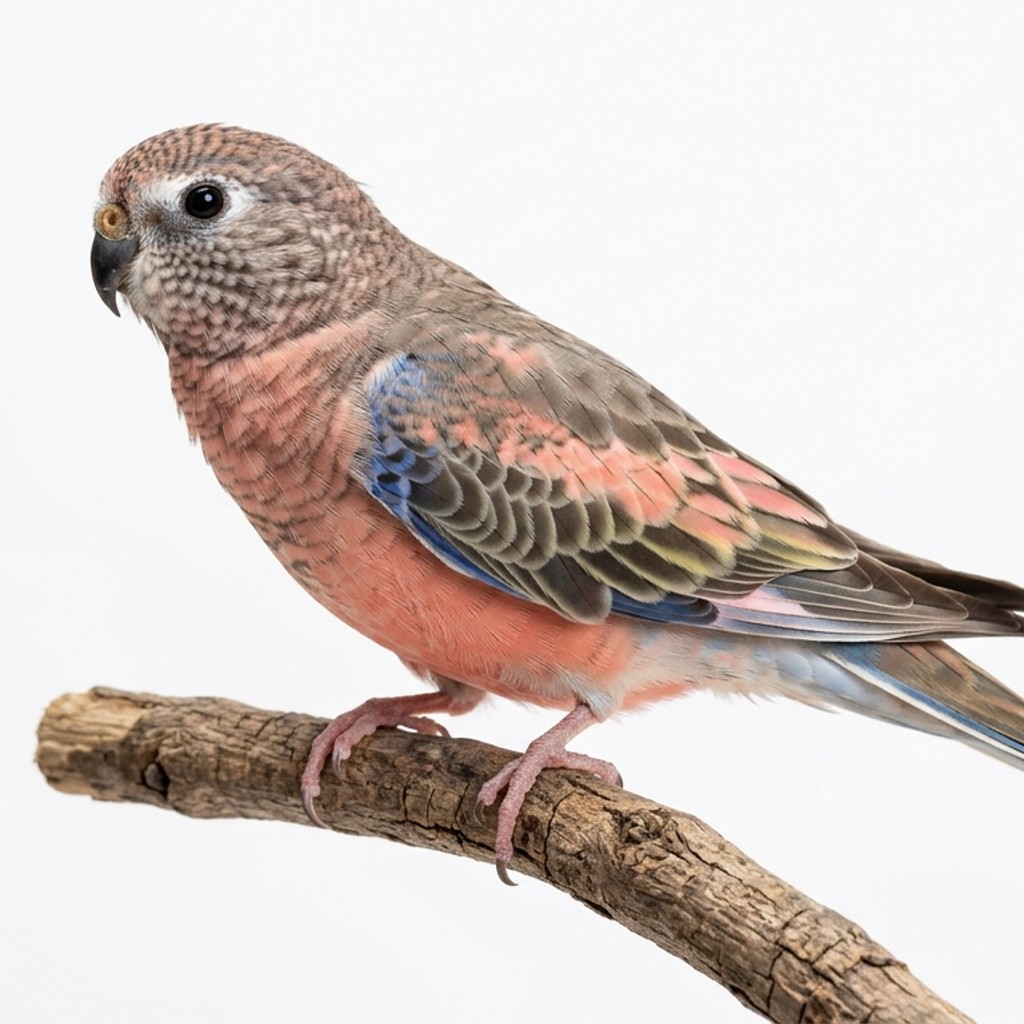
Bourke's Parakeet
Bourke's Parakeet is a small bird originating from Australia. PetMall has an official-source NZ status note for this listing; follow the listed MPI, DOC, EPA, and local council conditions before sourcing one. Typical lifespan is 8-12 years.
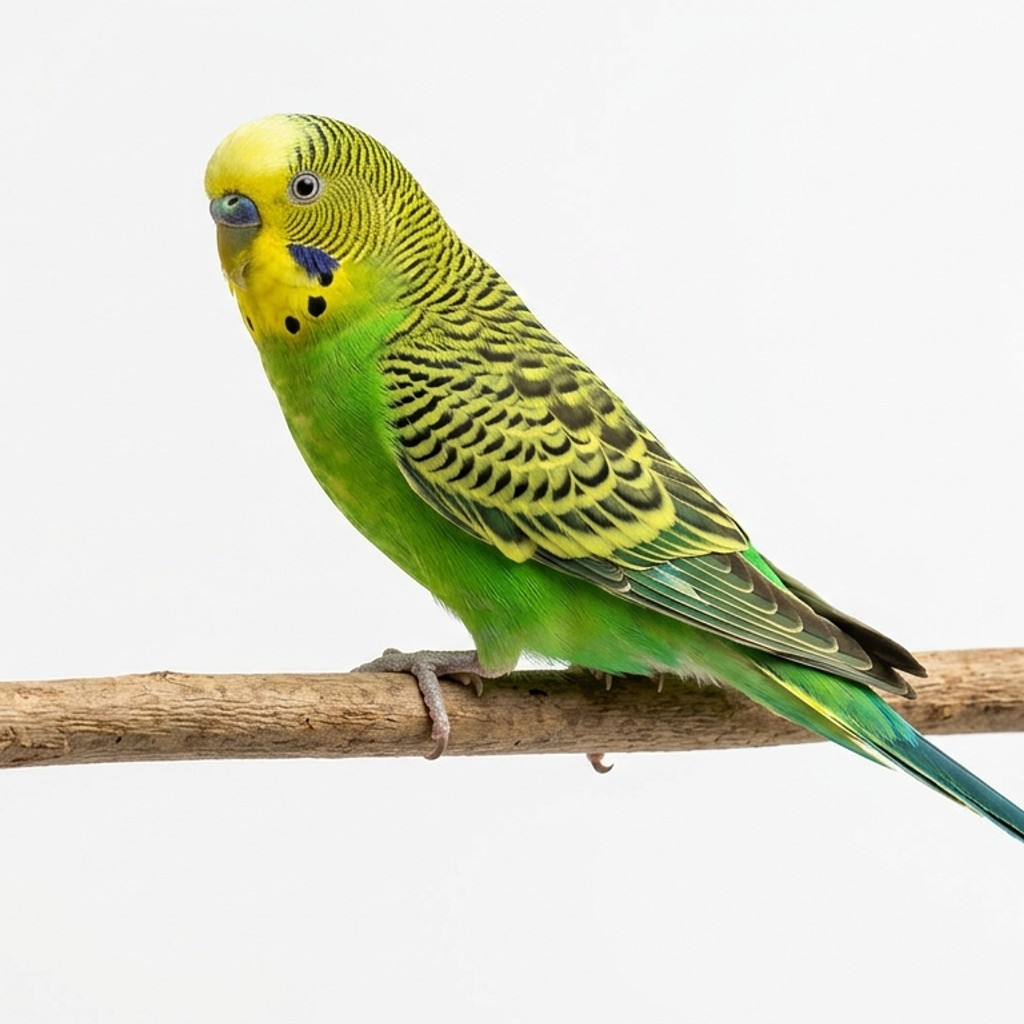
Budgerigar (Budgie)
Budgerigar (Budgie) is a small bird originating from Australia. PetMall has an official-source NZ status note for this listing; follow the listed MPI, DOC, EPA, and local council conditions before sourcing one. Typical lifespan is 5-10 years.
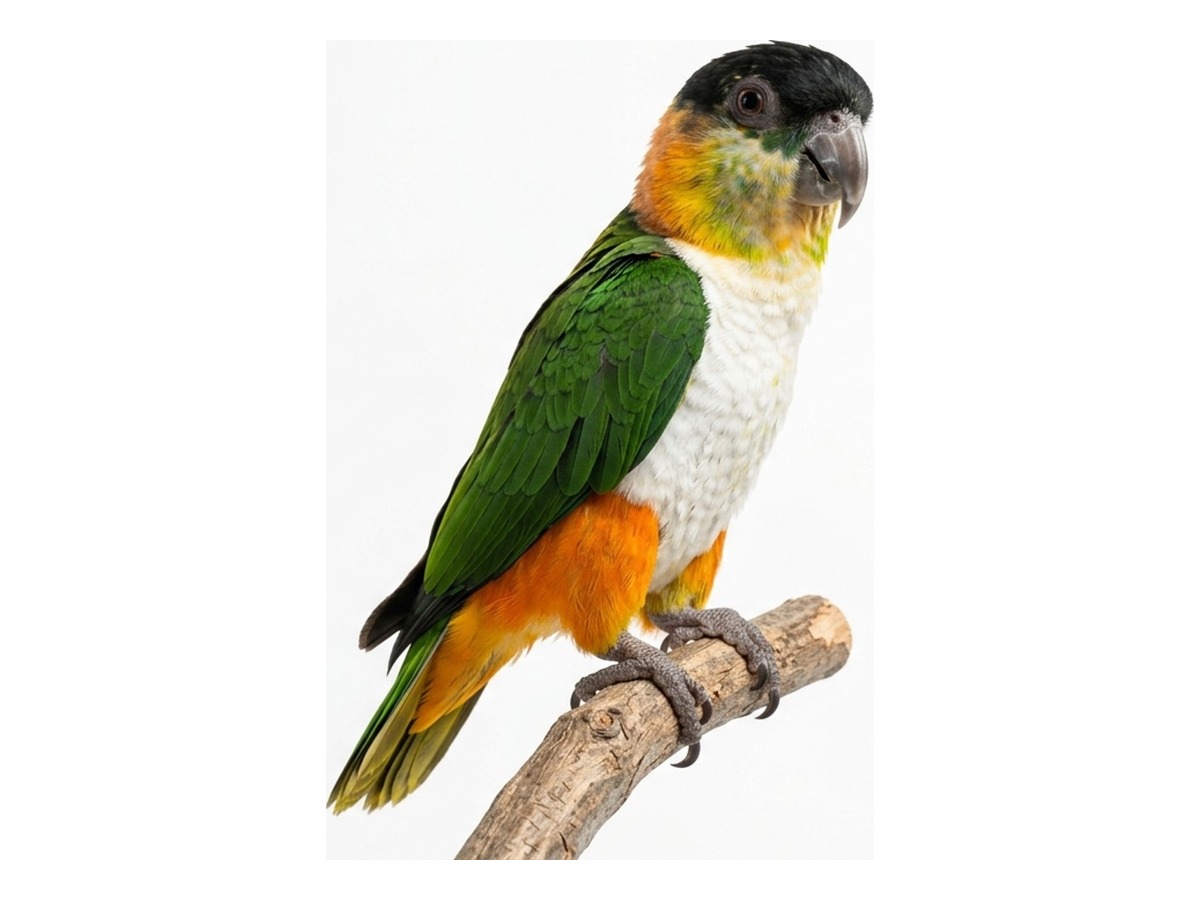
Caique
Caique is a small bird originating from South America. PetMall has an official-source NZ status note for this listing; follow the listed MPI, DOC, EPA, and local council conditions before sourcing one. Typical lifespan is 25-40 years.
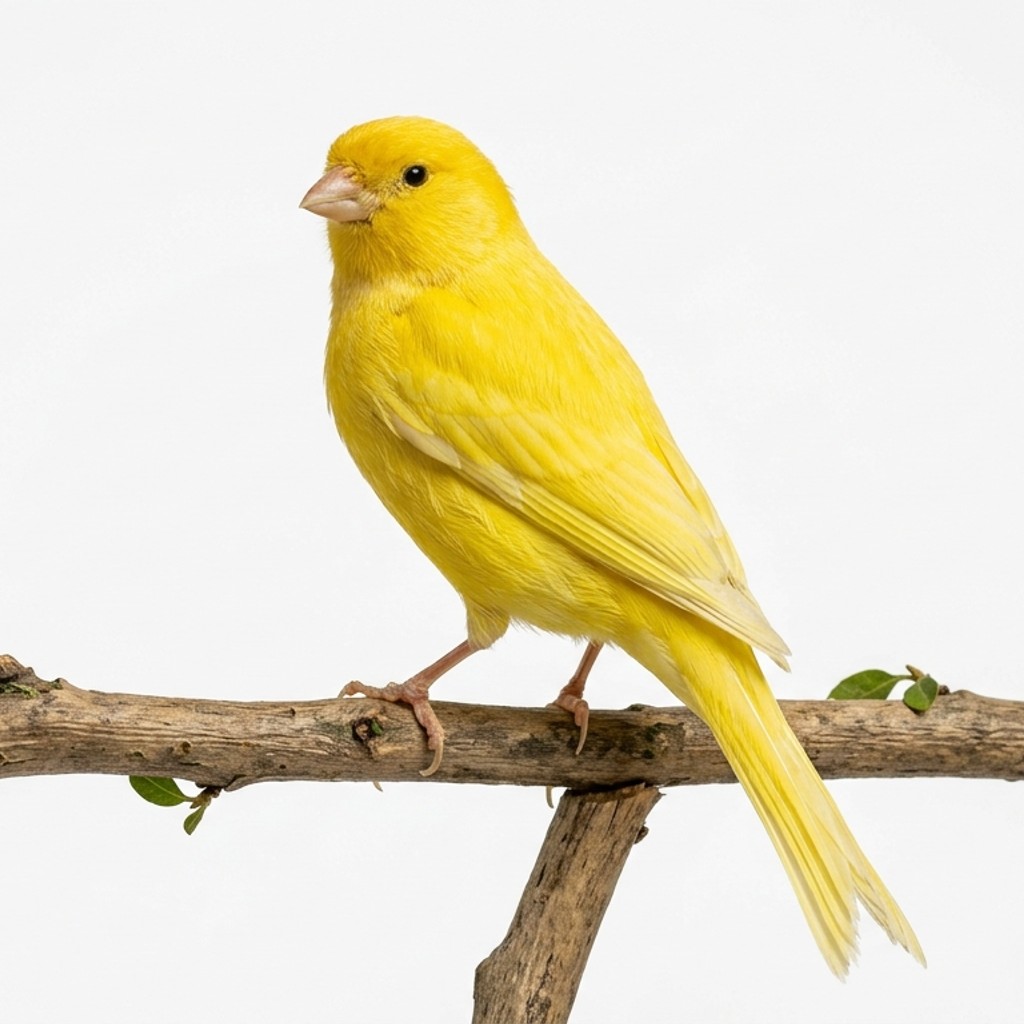
Canary
Canary is a small bird originating from Canary Islands. PetMall has an official-source NZ status note for this listing; follow the listed MPI, DOC, EPA, and local council conditions before sourcing one. Typical lifespan is 10-15 years.