Pet Breed Guide NZ
Indian Ringneck Parakeet
Indian Ringneck Parakeets are striking, intelligent birds known for their vibrant plumage and distinctive neck ring in males. Native to Africa and South Asia, these long-tailed parakeets (about 38–42 cm) boast a lifespan of 25-30 years, making them a significant long-term commitment. They are highly social and can be quite vocal, requiring consistent interaction and mental stimulation. Their ability to mimic speech makes them popular, though their independent nature means training takes patience. In New Zealand the Indian ringneck is an Unwanted Organism: it may be kept only in secure captivity, releasing one is illegal, and breeding, distributing or selling them within the Auckland region has been banned since 1 September 2022.
Photo Gallery
NZ Ownership Snapshot
Restricted in NZ- Noise Level
- moderate
- Social Needs
- groups
- Diet Type
- Seeds, pellets, vegetables, fruit, and species-appropriate enrichment foods
- UVB Required
- No
Unwanted Organism under the Biosecurity Act 1993 (MPI determination, 2 November 2015). A national MPI general permission (NZ Gazette Notice MPI 557, 2015) lets owners breed, sell and exhibit rose-ringed (Indian ringneck) parakeets only for keeping in secure confinement in an aviary, cage or premises; releasing one into the wild is illegal. In the Auckland region, breeding, distributing or selling them has been banned since 1 September 2022 (birds already owned may be kept if securely contained), and none may be moved to Aotea/Great Barrier Island. Other regional pest management plans can add rules, so check with your regional council.
Breed Snapshot
- Size
- medium
- Lifespan
- 25-30 years
- Origin
- South Asia
- Care Focus
- Social and vocal bird that needs daily enrichment, safe handling, and secure housing.
- NZ Price
- NZD $300 - $800 (for a hand-reared, healthy bird from a reputable breeder or rescue). Breeding, distributing or selling them within the Auckland region has been banned since 1 September 2022.
- Annual Vet Cost
- Estimated annual vet/care costs in New Zealand for an Indian Ringneck Parakeet can range from NZD $200 - $500. This covers routine check-ups, potential emergency visits, and preventative care. It's crucial to budget for these costs, especially given the limited availability of exotic bird veterinarians across New Zealand, which can sometimes lead to higher consultation fees or travel expenses to reach a specialist.
Personality Scores
NZ Lifestyle Fit
Indian Ringneck Parakeets can adapt to various New Zealand home types, from suburban sections with outdoor aviaries to larger apartments, provided they have ample indoor space and mental stimulation. Their moderate noise level means they might not be ideal for very small apartments with thin walls, especially if neighbours are sensitive to noise. Climate-wise, they are hardy birds, but protection from extreme temperatures is essential. In humid Auckland, good ventilation is key to prevent respiratory issues, while in colder South Island regions, a well-insulated aviary or indoor housing with consistent heating is crucial during winter months. Rules differ by region: in Auckland, breeding, distributing or selling Indian ringnecks has been banned since 1 September 2022 (birds already owned may be kept if securely contained), so check your regional council's pest management plan before buying or moving one.
Unwanted Organism under the Biosecurity Act 1993 (MPI determination, 2 November 2015). A national MPI general permission (NZ Gazette Notice MPI 557, 2015) lets owners breed, sell and exhibit rose-ringed (Indian ringneck) parakeets only for keeping in secure confinement in an aviary, cage or premises; releasing one into the wild is illegal. In the Auckland region, breeding, distributing or selling them has been banned since 1 September 2022 (birds already owned may be kept if securely contained), and none may be moved to Aotea/Great Barrier Island. Other regional pest management plans can add rules, so check with your regional council.
About the Indian Ringneck Parakeet
The Indian Ringneck Parakeet, scientifically known as Psittacula krameri manillensis, is a captivating and intelligent bird originating from the lush landscapes of South Asia. Renowned for their vibrant green plumage and the distinctive black and pink neck ring sported by mature males, these parakeets are a popular choice for pet owners worldwide. With a remarkable lifespan of 25-30 years, owning an Indian Ringneck is a significant, long-term commitment, akin to welcoming a new family member for decades. They are known for their cleverness and ability to mimic human speech, though their independent nature means they require patient and consistent training. Their big personality makes them an engaging companion for those prepared for their specific needs.
What They Look Like
Indian Ringneck Parakeets are slender, medium-sized parrots, typically reaching lengths of 40-43 cm, including their long tail feathers. The most common colouration is a brilliant lime green, but selective breeding has produced a stunning array of mutations, including blue, yellow (lutino), white (albino), and grey. Males are easily identified by the prominent black and rose-pink ring around their neck, which develops after their first moult, usually around 18 months to two years of age. Females, on the other hand, either lack the ring entirely or display a muted, greyish version. They possess a strong, hooked beak, typically red in colour, and their bright eyes convey a keen intelligence.
Personality & Behaviour
Indian Ringnecks are highly intelligent and curious birds, known for their strong personalities. They thrive on social interaction and mental stimulation, making daily engagement with their owners crucial. While they can be affectionate, they are also known for their independent streak and can be prone to nipping if not properly socialised and trained from a young age. Their vocal abilities are impressive; many can learn to mimic words and phrases, providing endless entertainment. However, they can also be quite loud, emitting piercing squawks, especially when seeking attention or feeling alarmed. They are naturally social birds and often do well in pairs or small groups, provided they have ample space and individual attention.
Life in New Zealand
In New Zealand, the Indian Ringneck Parakeet is commonly kept as a pet, but it is an Unwanted Organism under the Biosecurity Act 1993. A national MPI general permission (NZ Gazette Notice MPI 557) allows these parakeets to be bred, sold and exhibited only for keeping in secure confinement, and releasing one into the wild is illegal. In the Auckland region, breeding, distributing or selling them has been banned since 1 September 2022; birds already owned there may be kept if they are securely contained. However, responsible ownership is paramount. Prospective owners must always consult the Ministry for Primary Industries (MPI) and their regional council's pest management plan for the most up-to-date regulations, as rules can change. It’s vital to ensure your bird is sourced legally from reputable breeders or rescue organisations within New Zealand to support ethical practices and prevent the illegal wildlife trade. Providing a secure aviary or cage is essential to prevent escapes, which could pose a risk to native bird populations if a feral colony were to establish. Understanding their long lifespan means planning for their care for decades to come, including access to specialised exotic vet care, which can be limited in some regions of Aotearoa.
Is This the Right Pet for You?
Bringing an Indian Ringneck Parakeet into your home is a significant commitment that requires dedication and understanding. Their long lifespan means you'll be responsible for their well-being for many years. They need daily interaction, mental enrichment through toys and training, and a spacious, clean environment. Their moderate noise level might not suit all living situations, particularly apartments with close neighbours. While they can be incredibly rewarding pets, forming strong bonds with their owners, their independent and sometimes nippy nature means they are best suited for experienced bird owners or those willing to invest considerable time in training and socialisation. If you're prepared for the challenges and joys of a highly intelligent, long-lived avian companion, an Indian Ringneck could be a wonderful addition to your Kiwi household.
Fun Facts
Fact 1
Indian Ringneck Parakeets can live for up to 30 years, making them a long-term companion.
Fact 2
Only the male Indian Ringnecks develop the distinctive black and pink neck ring, usually after two years of age.
Fact 3
They are known for their impressive ability to mimic human speech and a wide range of sounds.
Fact 4
Despite their name, Indian Ringnecks are found across a wide range of Asia and parts of Africa.
Fact 5
They are highly intelligent birds and require significant mental stimulation to prevent boredom.
Related Breeds & Species
Little Corella
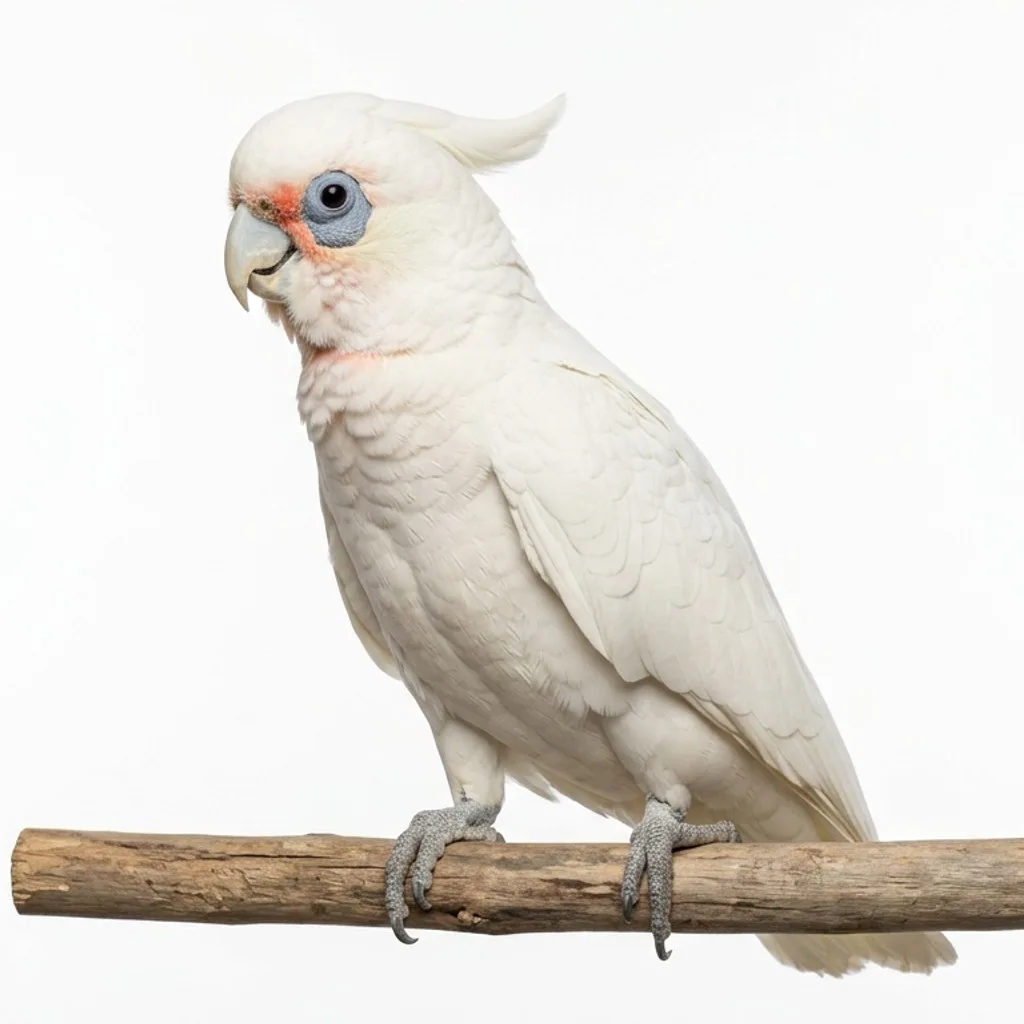
The Little Corella is a medium-sized white parrot from the arid and semi-arid interior of Australia, measuring around 35-40 cm and weighing 400-600 grams. The plumage is largely white with a salmon-pink wash under the wings and tail, set off by a short erectile crest, a pale grey beak and a blue-grey eye-ring. Corellas are boisterous, highly social and quick to learn, mimicking household sounds and short phrases and taking readily to puzzle toys and training. That intelligence comes with demands: their screeches, squawks and whistles carry a long way, boredom can tip into feather plucking or constant screaming, and an under-socialised bird may nip. Two to four hours of daily interaction, a spacious secure enclosure and rotating enrichment are the baseline, alongside supervised time out for flight and climbing. Because a Little Corella can live beyond 50 years, it suits experienced keepers in homes where the noise will not trouble close neighbours and the commitment can be carried for decades.

African Grey Parrot
The African Grey Parrot is legendary for its unmatched cognitive intelligence and talking ability. Due to their extreme sensitivity, long lifespan, and high care requirements, they require advanced owners.

Alexandrine Parakeet
The Alexandrine Parakeet is a large, striking parrot known for its gentle nature, intelligence, and excellent talking ability. They require spacious housing and plenty of enrichment.
PetMall visual placeholder
Crimson Rosella
Stunningly crimson and blue, the Crimson Rosella is an active Australian parrot popular in NZ. They are independent, require large flight aviaries, and are quieter than Eastern Rosellas.
Blue-fronted Amazon Parrot
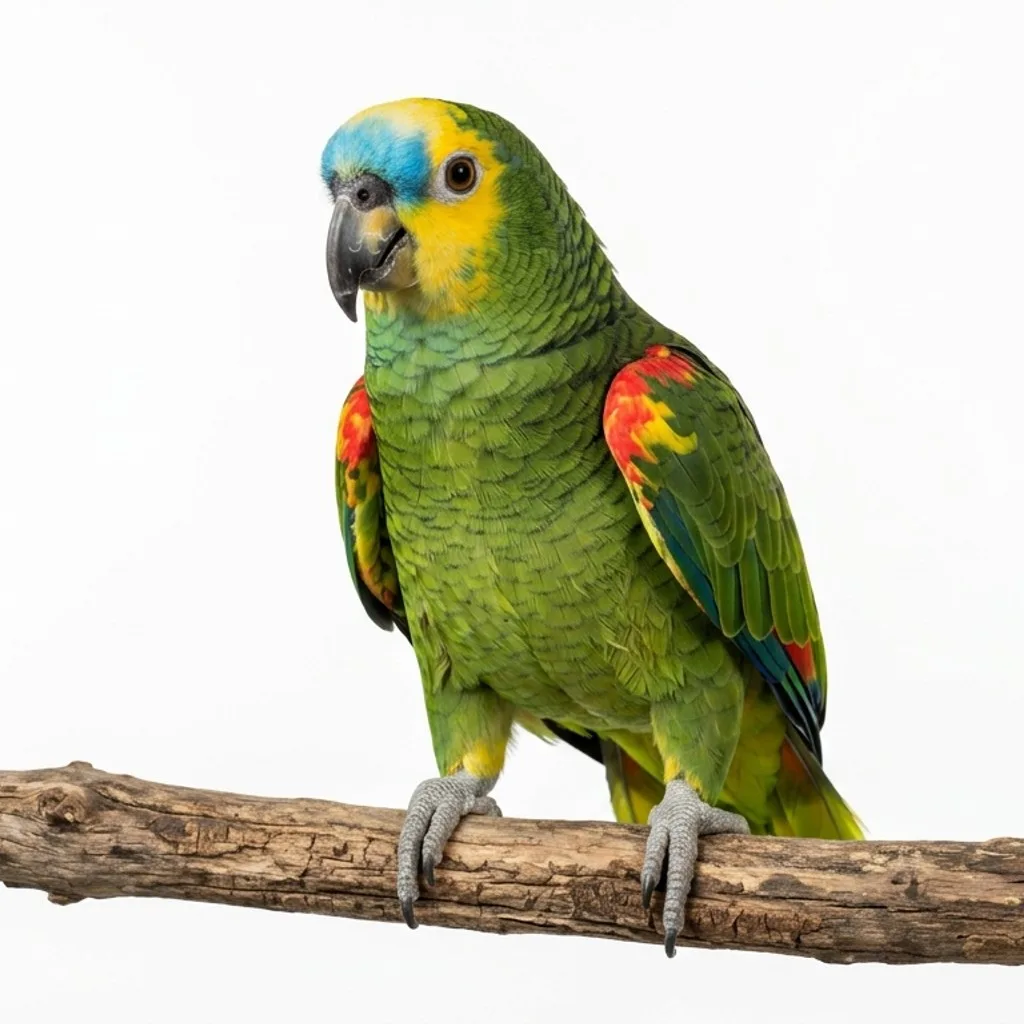
The Blue-fronted Amazon is a medium-sized green parrot from South America, marked by blue across the forehead and yellow on the crown and cheeks, and it suits experienced keepers rather than first-time bird owners. Outgoing, playful and often boisterous, it is an accomplished talker that can repeat words and phrases with real clarity. It is also genuinely loud, calling most at dawn and dusk, and adolescents commonly move through a bluffing stage that calls for patient, consistent handling. A lifespan of 40 to 60 years makes this a decades-long commitment. Daily care means fresh food and water, spot cleaning, and two to four hours of supervised time out of the cage, with rotating destructible toys and training sessions to head off the boredom that shows up as feather plucking or aggression. Best suited to a settled, experienced household with daily time and tolerance for noise.

Sun Conure
The Sun Conure is a stunningly colourful, highly affectionate medium-sized parrot. Famous for its playful personality, it is also known for being exceptionally loud, making it unsuitable for apartments.