PetMall Knowledge Hub

health

Senior Dog Care NZ: Health, Diet & Comfort for Ageing Dogs

3 May 2026

Dogs are considered senior from age 7, or large breeds from 5. This NZ guide covers vet checks, joints, diet, enrichment, and comfort.

Kia ora, fellow Kiwi pet parents! Watching our beloved canine companions age is a natural part of life, bringing with it a unique set of joys and challenges. Just like us, dogs experience changes as they get older, and understanding these shifts is key to ensuring their golden years are as comfortable, healthy, and happy as possible. This comprehensive guide, crafted especially for New Zealand dog owners, will walk you through everything you need to know about caring for your senior dog, from recognising the signs of ageing to making informed decisions about their health, diet, and overall well-being.

As experts in pet care, we at wiki.petmall.co.nz understand the deep bond you share with your furry family member. Consider this your go-to resource for practical, warm advice, seasoned with a bit of local Aotearoa flavour.

When Is Your Dog Senior? NZ Vet Guidelines by Breed Size

It's a common misconception that all dogs become "senior" at a specific age, like seven years. In reality, the onset of seniority varies significantly depending on a dog's breed size. Larger breeds tend to age more quickly than smaller ones, meaning a Great Dane might be considered senior at five or six, while a Chihuahua could still be sprightly at ten!

Your Kiwi vet will often use a guideline based on breed size to determine when your dog officially enters their senior years. This isn't just a label; it informs the type of preventative care and health monitoring they might recommend.

Here's a general guide to help you understand when your dog might be considered senior in New Zealand:

Breed SizeTypical Adult Weight (kg)Approximate Senior AgeKey Considerations
SmallUnder 10 kg10-12+ yearsDental health, luxating patellas, heart conditions.
Medium10-25 kg8-10 yearsArthritis, obesity, kidney function.
Large25-45 kg6-8 yearsJoint diseases (hip/elbow dysplasia), bloat, cancer.
GiantOver 45 kg5-7 yearsRapid ageing, significant joint stress, specific cancers.

*Note: These are general guidelines. Individual dogs may vary based on genetics, lifestyle, and overall health.*

Beyond the age on the calendar, pay close attention to behavioural and physical changes that signal your dog is entering their senior phase. These can include:

* Slowing Down: Less enthusiasm for walks, struggling with stairs, reluctance to jump. * Changes in Sleep Patterns: Sleeping more deeply or more frequently, or conversely, restlessness at night. * Weight Fluctuations: Unexplained weight gain or loss. * Dental Issues: Bad breath, difficulty eating dry food. * Coat Changes: Greying around the muzzle and eyes, duller coat. * Sensory Decline: Reduced hearing or eyesight (bumping into things, not responding to commands). * Behavioural Shifts: Increased anxiety, confusion, house-soiling accidents, changes in interaction with family members.

Recognising these signs early allows you to work with your vet to implement a proactive care plan, helping your older dog live their best life.

The Senior Vet Check: What's Included & NZD Cost

Regular veterinary check-ups are always important, but they become absolutely crucial for senior dogs. Think of it as their annual WOF, but for their body! Many age-related conditions can be managed or even prevented if caught early, significantly improving your dog's quality of life. Your Kiwi vet is your best partner in navigating these golden years.

What Does a Senior Vet Check Typically Include?

A comprehensive senior vet check goes beyond a standard annual visit. It's designed to thoroughly assess age-related health concerns and establish baseline health markers for future comparison.

1. Thorough Physical Examination: Your vet will conduct a head-to-tail examination, checking: * Eyes and Ears: For signs of cataracts, glaucoma, hearing loss, or infections. * Mouth and Teeth: Crucial for senior dogs, as dental disease is rampant and can lead to other health issues. They'll assess gum health, tartar build-up, and any painful teeth. * Heart and Lungs: Listening for murmurs, arrhythmias, or respiratory issues. * Abdomen: Palpating for any abnormal masses or organ enlargement. * Joints and Mobility: Assessing for signs of arthritis, stiffness, or pain. * Skin and Coat: Checking for lumps, bumps, skin infections, or changes in coat quality. * Lymph Nodes: Feeling for any enlargement.

2. Blood Work (Geriatric Panel): This is a cornerstone of senior diagnostics. It typically includes: * Complete Blood Count (CBC): Checks for anaemia, infection, and other blood disorders. * Biochemistry Profile: Evaluates organ function, including kidneys, liver, pancreas, and blood glucose levels (important for diabetes screening). * Thyroid Function Test: Hypothyroidism is common in older dogs and can affect metabolism and energy levels.

3. Urinalysis: A urine sample provides valuable information about kidney function, urinary tract infections, and diabetes.

4. Blood Pressure Measurement: High blood pressure can affect kidneys, heart, and eyes, particularly in older dogs.

5. Faecal Examination: To check for intestinal parasites, which can be more debilitating for older dogs.

6. Discussion of Lifestyle & Behavioural Changes: Your vet will ask about any changes you've observed at home – eating habits, water intake, activity levels, cognitive function, and any new lumps or bumps. This information is vital for a holistic assessment.

Realistic NZD Cost Ranges for a Senior Vet Check (2026 Estimates):

The cost of a senior vet check can vary depending on your location in Aotearoa (city vs. rural), the specific services included, and the clinic. These are estimated ranges:

* Consultation Fee (Senior Check Specific): \$90 - \$150 * Comprehensive Blood Work (Geriatric Panel): \$200 - \$400 (This often includes CBC, biochemistry, and thyroid panel) * Urinalysis: \$50 - \$90 * Blood Pressure Measurement: \$30 - \$60 (sometimes included in consult) * Faecal Exam: \$40 - \$70 * Dental Check-up (initial assessment, not a full dental procedure): Often included in the consultation.

Total Estimated Cost for a Comprehensive Senior Vet Check-up (excluding any further diagnostics or treatments): \$410 - \$770.

It's always best to contact your local vet clinic for an exact quote, as some clinics offer specific "senior pet health packages" which can be more cost-effective. Investing in these regular checks is one of the kindest things you can do for your ageing companion, allowing your vet to catch and address potential issues before they become serious.

Joint Health: Arthritis Signs & Management in NZ

Arthritis, or osteoarthritis, is one of the most common ailments affecting senior dogs in New Zealand, just like it does humans. It's a progressive and degenerative condition where the cartilage cushioning the joints wears down, leading to pain, inflammation, and reduced mobility. While it can't be cured, it can be managed effectively to significantly improve your dog's comfort and quality of life.

Recognising the Signs of Arthritis in Your Kiwi Dog:

The signs can be subtle at first, often mistaken for just "slowing down" due to old age. Keep an eye out for:

* Stiffness: Especially after resting or waking up. Your dog might struggle to stand up or take a few stiff steps before loosening up. * Reluctance to Move: Hesitation to jump into the car, onto furniture, or use stairs. They might avoid certain activities they once loved, like playing fetch. * Limping or Lameness: A noticeable favouring of one leg. This might be intermittent. * Difficulty Getting Comfortable: Fidgeting or frequently changing positions when trying to lie down. * Changes in Gait: A stiff, shuffling, or hesitant walk. * Licking Joints: Excessive licking or chewing at a particular joint due to pain. * Behavioural Changes: Irritability, withdrawn behaviour, yelping when touched, or reduced enthusiasm for interaction. This is often due to chronic pain. * Muscle Atrophy: A noticeable loss of muscle mass, particularly in the hindquarters, due to disuse of painful limbs. * Weather Sensitivity: Some owners report their dogs showing more discomfort on cold, damp days, which are common in many parts of Aotearoa during winter.

If you notice any of these signs, it's crucial to consult your vet. Early diagnosis and intervention are key to managing arthritis effectively.

Management Strategies for Arthritis in NZ (Non-Prescription Focused):

While your vet might recommend prescription medications for pain and inflammation, there's a lot you can do at home and with non-prescription support to help your arthritic dog.

1. Weight Management (Crucial!): Excess weight puts enormous strain on already compromised joints. Even a small reduction in weight can make a significant difference. We'll delve deeper into this in a later section, but it's paramount for joint health.

2. Dietary Supplements: Many supplements can support joint health. Look for products containing: * Glucosamine and Chondroitin: These are building blocks for cartilage and can help slow its degradation. * Omega-3 Fatty Acids (EPA and DHA): Found in fish oil, these have natural anti-inflammatory properties. * Green-Lipped Mussel (Perna canaliculus): This is a fantastic, locally sourced superfood from New Zealand! Rich in omega-3s, glucosamine, chondroitin, and other anti-inflammatory compounds, it's a popular and effective supplement for joint health in dogs. Many NZ pet food and supplement brands incorporate it. * MSM (Methylsulfonylmethane): May help reduce pain and inflammation.

*Always discuss supplements with your vet to ensure they're appropriate for your dog and won't interact with any existing conditions or medications.*

3. Comfort and Accessibility: * Supportive Beds: A high-quality orthopaedic dog bed is a game-changer. Look for memory foam or dense foam options that cradle the body and relieve pressure points. PetMall offers a range of cosy, supportive dog beds perfect for senior joints. * Ramps or Steps: For getting into cars, onto beds, or up stairs, reducing the need for painful jumping. * Non-Slip Surfaces: Use rugs or mats on slippery floors (tiles, polished wood) to provide better traction and prevent falls. * Warmth: A warm, dry environment is beneficial. Consider a heated bed or extra blankets, especially during NZ's cooler months.

4. Controlled Exercise: While rest is important, complete inactivity can worsen stiffness and muscle loss. * Short, Frequent Walks: Instead of one long walk, try several shorter, gentle strolls throughout the day. * Low-Impact Activities: Swimming or hydrotherapy (available in some larger NZ cities like Auckland, Wellington, and Christchurch) can be excellent as the water supports their weight, reducing joint stress. * Avoid High-Impact Activities: No more chasing balls for hours or intense agility training.

5. Physical Therapy and Massage: * Gentle Massage: You can learn basic massage techniques from your vet or a qualified canine physiotherapist to improve circulation and reduce muscle tension. * Canine Physiotherapy/Hydrotherapy: Consult your vet for referrals to certified professionals in New Zealand who can design a tailored exercise and therapy programme for your dog.

Managing arthritis is an ongoing journey that requires patience and a multi-modal approach. By combining vet-prescribed treatments with these supportive home care strategies, you can significantly enhance your senior dog's comfort and mobility, allowing them to enjoy their golden years to the fullest.

Nutrition Changes: Senior Dog Food vs Adult Formula

As your dog transitions into their senior years, their nutritional needs change significantly. What worked perfectly for an active adult dog might no longer be suitable for a less energetic senior. Adjusting their diet is one of the most impactful ways you can support their health and vitality.

Why Senior Dogs Have Different Nutritional Needs:

1. Slower Metabolism: As dogs age, their metabolism naturally slows down. This means they require fewer calories to maintain a healthy weight. Feeding an adult formula to a senior dog often leads to unwanted weight gain, which exacerbates joint problems and other health issues. 2. Muscle Loss: Senior dogs can experience sarcopenia, the age-related loss of muscle mass. Adequate protein is essential to help maintain muscle, but it needs to be highly digestible. 3. Joint Health: Older dogs are more prone to arthritis. Senior dog foods often include ingredients specifically chosen to support joint health, such as glucosamine, chondroitin, and omega-3 fatty acids. 4. Organ Function: Kidneys, liver, and heart can become less efficient with age. Senior diets are often formulated with controlled levels of protein, phosphorus, and sodium to support these vital organs without overworking them. 5. Dental Health: Many senior dogs have dental issues. Some senior kibbles are designed to be softer or have a texture that helps clean teeth, while wet food can be easier to eat. 6. Digestive Health: Fibre content is often adjusted in senior diets to promote healthy digestion and regular bowel movements, as constipation can be a problem. 7. Immune System: Antioxidants (like vitamins E and C, beta-carotene) are often added to senior formulas to support a weakening immune system and combat cellular damage.

Senior Dog Food vs. Adult Formula: Key Differences

FeatureAdult Dog Food FormulaSenior Dog Food Formula
Calorie ContentHigher, to support active adult dogs.Lower, to prevent weight gain in less active seniors.
Protein LevelModerate to high, for muscle maintenance and repair.Moderate to slightly higher (highly digestible) to combat muscle loss, but often controlled for kidney support.
Fat ContentModerate to high, for energy.Lower, to reduce calories and prevent obesity.
Fibre ContentModerate.Often higher, to aid digestion and promote satiety.
Joint SupportGenerally minimal or absent.Fortified with glucosamine, chondroitin, omega-3s (e.g., from NZ green-lipped mussel).
AntioxidantsPresent, but often less concentrated.Higher levels to support immune function and cognitive health.
PhosphorusStandard levels.Often reduced, to support kidney health.
SodiumStandard levels.Often reduced, to support heart health.
Kibble TextureCan be harder, for general dental health.Often softer or more easily digestible for sensitive teeth.

Choosing the Right Senior Dog Food:

When selecting a senior dog food, look for:

* "Senior," "Mature," or "Ageing" on the Label: These formulas are specifically designed to meet the needs of older dogs. * Quality Protein Sources: Look for identifiable meat sources (e.g., "chicken meal," "lamb") as the first ingredient. * Balanced Nutrients: Ensure it's a complete and balanced diet appropriate for your dog's size and health status. * Targeted Ingredients: Check for the inclusion of joint supplements (glucosamine, chondroitin, green-lipped mussel), omega-3s, and antioxidants. * Your Vet's Recommendation: Always consult your Kiwi vet. They can help you choose the best food based on your dog's individual health profile, especially if they have specific conditions like kidney disease or diabetes.

Transitioning Your Dog's Diet:

When switching to a new senior formula, do so gradually over 7-10 days to avoid digestive upset. Start by mixing a small amount of the new food with their old food, slowly increasing the proportion of the new food each day until you've fully transitioned.

At PetMall, we offer a wide range of Dog Food, including dry, wet, and life-stage specific options perfect for your senior Kiwi companion.

Weight Management in Older Dogs

Weight management is arguably one of the most critical aspects of senior dog care. Both being overweight and underweight pose significant health risks for ageing canines. Maintaining an ideal body condition can dramatically improve their comfort, mobility, and overall lifespan.

The Risks of Being Overweight:

Obesity is a widespread problem in older dogs, often due to a combination of decreased activity and an unchanged diet. The consequences are severe:

* Exacerbated Joint Pain: Extra weight puts immense strain on joints, worsening arthritis and making movement more painful. * Increased Risk of Diabetes: Overweight dogs are more prone to developing Type 2 diabetes. * Heart Disease: Excess weight strains the cardiovascular system, leading to or worsening heart conditions. * Respiratory Problems: Fat deposits around the chest and abdomen can make breathing difficult. * Reduced Mobility: Simple acts like getting up, walking, or lying down become harder and more uncomfortable. * Shorter Lifespan: Studies consistently show that dogs maintained at a healthy weight live longer. * Other Conditions: Increased risk of certain cancers, urinary tract infections, and skin fold dermatitis.

The Risks of Being Underweight:

While less common than obesity in senior dogs, being underweight can also signal serious health issues:

* Muscle Wasting: Significant muscle loss (sarcopenia) can lead to weakness, instability, and a higher risk of falls. * Underlying Illness: Unexplained weight loss can be a symptom of conditions like kidney disease, cancer, dental pain, hyperthyroidism, or gastrointestinal issues. * Weakened Immune System: Poor nutrition can compromise the immune system, making them more susceptible to infections. * Poor Wound Healing: Nutritional deficiencies can impair the body's ability to heal.

Strategies for Effective Weight Management:

1. Regular Body Condition Scoring: * Rib Check: You should be able to easily feel your dog's ribs, but not see them. * Waistline: Your dog should have a noticeable tuck-up at their waist when viewed from above. * Abdominal Tuck: When viewed from the side, their abdomen should tuck up behind the rib cage. * *If you're unsure, your vet can accurately assess your dog's body condition score (BCS) on a scale of 1-9.*

2. Appropriate Senior Diet: As discussed, transition to a high-quality senior dog food that is lower in calories and fat, but still provides adequate, digestible protein to maintain muscle mass.

3. Precise Portion Control: * Don't just guess! Use a measuring cup or kitchen scale to ensure you're feeding the exact recommended amount. * Remember that feeding guides on dog food bags are just starting points; your dog's individual needs may vary. * Divide daily food into two smaller meals to aid digestion and metabolism.

4. Manage Treats Wisely: * Treats contribute to calorie intake. Choose low-calorie options or use small pieces of vegetables (carrots, green beans) as healthy rewards. * Account for treats in your dog's daily calorie allowance. * PetMall offers a variety of Dog Treats, including healthy options.

5. Consistent, Gentle Exercise: * Even arthritic dogs need exercise. Focus on short, frequent, low-impact activities like gentle walks on soft surfaces. * Swimming or hydrotherapy can be excellent for overweight seniors as it provides exercise without joint strain. * Always monitor your dog for signs of fatigue or pain and adjust activity accordingly.

6. Regular Vet Check-ups: * Your vet can help you set realistic weight goals and monitor progress. * If your dog is underweight or experiencing unexplained weight changes, a vet check is essential to rule out underlying medical conditions. They can recommend specific dietary adjustments or medical interventions if needed.

By proactively managing your senior dog's weight, you're not just helping them look better; you're significantly enhancing their comfort, extending their healthy years, and preserving their quality of life.

Mental Enrichment for Senior Dogs

Physical activity may naturally decline as dogs age, but their minds remain active and require stimulation. Mental enrichment is just as vital as physical exercise for senior dogs, helping to prevent cognitive decline, reduce anxiety, and keep them engaged and happy. Just like humans, "use it or lose it" applies to canine brains!

Why Mental Enrichment is Crucial for Older Dogs:

* Combats Cognitive Decline: Known as Canine Cognitive Dysfunction (CCD) or "doggy dementia," this condition can manifest as disorientation, altered interactions, sleep-wake cycle disturbances, and house-soiling. Mental stimulation can help slow its progression and keep neural pathways active. * Reduces Boredom and Anxiety: A bored senior dog can become restless, destructive, or anxious. Enrichment provides a positive outlet for their energy and focus. * Builds Confidence: Successfully solving a puzzle or finding a hidden treat can boost your dog's self-esteem. * Strengthens Your Bond: Engaging in mentally stimulating activities together is a wonderful way to connect with your senior companion. * Provides a Safe Outlet: For dogs with mobility issues, mental games offer an alternative to strenuous physical activity.

Enrichment Ideas for Your Senior Kiwi Dog:

1. Scent Games (Nose Work): * Hide-and-Seek Treats: Hide small, high-value Dog Treats around the house or garden and encourage your dog to "find it!" Start easy and gradually increase the difficulty. * Snuffle Mats: These fabric mats with many hiding spots are fantastic for engaging their natural sniffing instincts. * Box Games: Place a treat under one of several overturned cardboard boxes and let them use their nose to find it.

2. Puzzle Toys and Slow Feeders: * These toys require your dog to manipulate them to release food or treats. They can range from simple treat-dispensing balls to more complex interactive puzzles. * Slow feeders can also turn mealtime into a mental exercise, slowing down eating and engaging their problem-solving skills.

3. Gentle Training Sessions: * Review Old Tricks: Go back to basics and practice commands they already know, like "sit," "stay," or "down." This reinforces their learning and gives them a sense of accomplishment. * Learn New, Simple Tricks: Teach easy new commands that don't require much physical exertion, like "paw," "touch," or "chin." Keep sessions short, positive, and reward-based. * Name Game: Teach them the names of their toys and ask them to retrieve specific ones.

4. Varied Walks and Outings: * Even if your dog can't go far, taking them to new places for short, gentle walks offers a wealth of new smells and sights. A quiet park, a different street in your neighbourhood, or even a short car ride to a local dog-friendly cafe (if appropriate) can be stimulating. * Let them sniff! Sniffing is a natural and highly enriching activity for dogs.

5. Interactive Play: * Gentle tug-of-war (if their teeth and joints allow) or soft fetch with a lightweight toy can still be enjoyable. * Keep play sessions short and stop before your dog gets tired or sore.

6. Socialisation (Appropriate): * If your senior dog enjoys the company of other calm, well-mannered dogs, supervised playdates can provide valuable mental and social stimulation. Avoid boisterous puppies or overly energetic dogs that might overwhelm them.

7. Consistent Routines: * While new experiences are good, maintaining a consistent daily routine for meals, walks, and potty breaks can reduce anxiety and confusion in senior dogs, especially those with CCD.

Remember to tailor enrichment activities to your dog's individual abilities and health status. What's engaging for one senior might be too much for another. The goal is to provide positive, low-stress mental stimulation that keeps their minds sharp and their spirits bright.

End-of-Life Planning: Palliative Care & Costs in NZ

This is perhaps the most difficult, yet most important, section of senior dog care. As our beloved companions age, there comes a time when we must confront the reality of their mortality. Planning for end-of-life care, including palliative support and making the compassionate decision of euthanasia, is an act of profound love and responsibility. Knowing your options and what to expect can help ease the burden during an incredibly emotional time.

Recognising Declining Quality of Life:

The decision to consider end-of-life care or euthanasia is deeply personal and often agonising. Your vet can provide invaluable guidance, but ultimately, you know your dog best. Look for a sustained decline in their quality of life, not just isolated "bad days." Consider these questions:

* Pain: Is their pain manageable with medication, or are they experiencing chronic discomfort despite treatment? * Mobility: Can they still move around independently to eat, drink, and go to the toilet? Are they falling frequently? * Appetite/Hydration: Are they refusing to eat or drink, or showing little interest in food? * Joy/Engagement: Have they lost interest in activities they once loved (playing, greeting family, going for walks)? Are they withdrawn or constantly hiding? * Hygiene: Are they able to keep themselves clean, or are they having frequent accidents? * Breathing: Are they struggling to breathe comfortably? * Overall: Are the bad days outnumbering the good days significantly?

Many vets use a "Quality of Life Scale" to help owners objectively assess their pet's well-being. Don't hesitate to ask your vet for this tool.

Palliative Care in NZ:

Palliative care focuses on maximising comfort and minimising pain when a cure is no longer possible. It's about ensuring your dog's remaining time is spent with dignity and as much happiness as possible. While your vet will manage medical pain relief, there's much you can do at home:

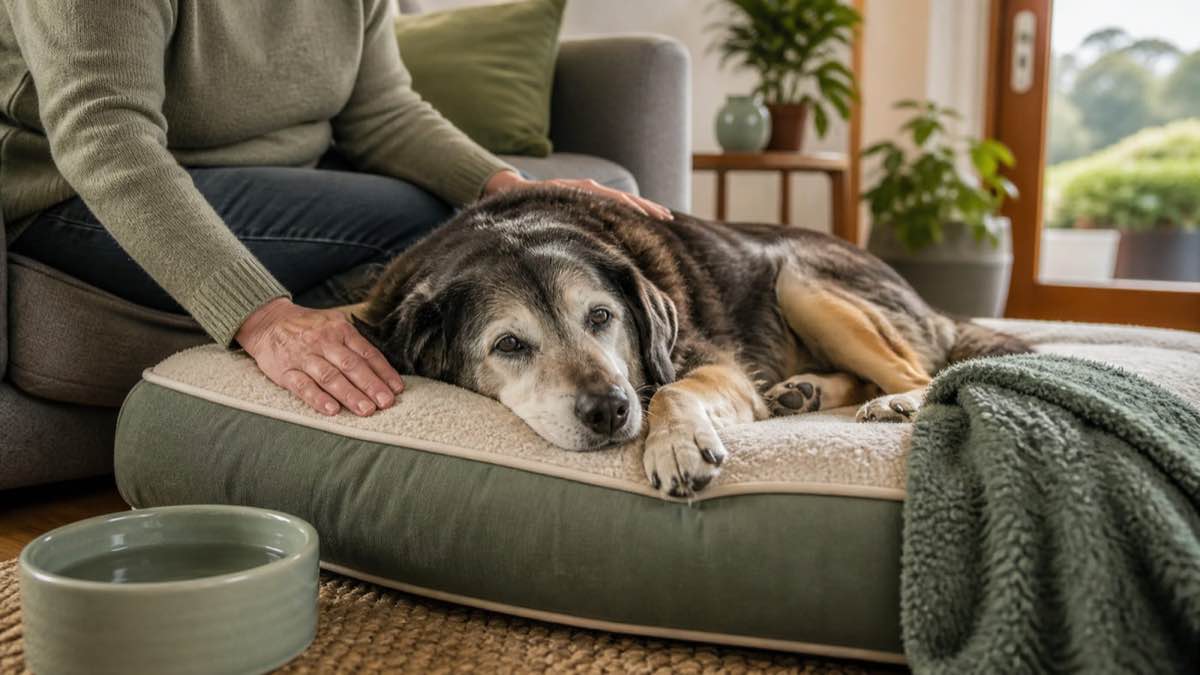
1. Comfortable Environment: * Warm, Soft Bedding: Provide an extra-supportive, orthopaedic bed. Consider a heated mat in winter, especially for arthritic joints. PetMall offers a range of Dog Beds & Houses to ensure maximum comfort. * Easy Access: Place food and water bowls close by, perhaps elevated, so they don't have to strain. Ensure easy access to toilet areas. * Quiet Space: Create a peaceful, calm area where they can rest undisturbed.

2. Hygiene: * Gentle Cleaning: If they have accidents, clean them gently to prevent skin irritation. Use soft, damp cloths. * Grooming: Continue gentle brushing to prevent matting, which can be painful.

3. Nutrition & Hydration: * Offer highly palatable foods (e.g., warmed wet food, small amounts of cooked chicken or fish, as advised by your vet). * Ensure fresh water is always available. If they struggle to drink, your vet might suggest subcutaneous fluids for hydration.

4. Love and Presence: * Spend quality time together. Gentle petting, quiet companionship, and reassuring words are invaluable. * Maintain as much of their normal routine as possible to provide a sense of security.

End-of-Life Decisions: Euthanasia and Aftercare in NZ

When the time comes, making the decision for euthanasia is the final act of love, preventing prolonged suffering. Your vet will discuss the process with you, which is typically a peaceful, pain-free procedure.

Options for Euthanasia:

* At the Vet Clinic: This is the most common option. Vets strive to make the experience as calm as possible, often offering private rooms. * At Home Euthanasia: Many vets in New Zealand now offer home visits for euthanasia, allowing your dog to pass peacefully in their familiar environment, surrounded by loved ones. This can be less stressful for your pet and often for you.

Costs in NZD (2026 Estimates):

These are approximate ranges and can vary significantly by region and clinic.

* Euthanasia (at vet clinic): \$200 - \$400 (includes consultation and procedure) * Euthanasia (home visit): \$400 - \$700 (includes travel time and procedure, often higher due to the convenience)

Aftercare Options:

After euthanasia, you have several choices for your dog's remains. Your vet clinic will guide you through these options:

1. Communal Cremation: Your pet is cremated with other animals, and the ashes are scattered or buried, typically at a pet cemetery. You do not receive ashes back. * Cost: \$150 - \$350 (depending on size of dog)

2. Individual Cremation: Your pet is cremated individually, and their ashes are returned to you in an urn or memorial box. You can choose from various urns and memorial items. * Cost: \$400 - \$900 (depending on size of dog and chosen urn/memorial)

3.