Senior Cat Care NZ: Vet Checks, Diet & Comfort for Older Cats
Cats aged 11+ are geriatric, but with the right care they can thrive. This guide covers NZ vet advice, diet, mobility, and warning signs.
As our beloved feline companions age, their needs change, and they require a little extra love and attention to ensure their golden years are as comfortable and happy as possible. Here in Aotearoa, our Kiwi cats are living longer, healthier lives thanks to advances in veterinary medicine and dedicated owners. This comprehensive guide from wiki.petmall.co.nz is designed to help New Zealand cat owners navigate the unique challenges and joys of caring for a senior cat, focusing on practical advice, essential vet checks, and ways to enhance their daily comfort.
It’s a journey we all share with our pets, and understanding their evolving needs is key to providing the best possible care. Think of this as advice from a knowledgeable friend who understands the local context – from what your vet might recommend to the types of products readily available for your cherished senior companion.
1. Life Stages: When Is a Cat Actually "Senior"?
The labels changed, and it is worth knowing which set your vet is using. The current 2021 AAHA/AAFP Feline Life Stage Guidelines use four stages — kitten, young adult, mature adult, and senior — and they define senior as over 10 years of age. The older term "geriatric" was retired altogether.
- Mature Adult (7–10 years): Often still labelled "senior" on pet food bags and in older articles, but under the current guidelines this is middle age, not old age. Subtle changes begin here: metabolism slows, sleep increases, and the immune system is less robust than it was. This is the right time to establish baseline bloodwork and weight with your vet, while your cat is still well — a baseline is far more useful than a first-ever test taken during a crisis.
- Senior (over 10 years): The stage where age-related conditions — kidney disease, hyperthyroidism, arthritis, dental disease, diabetes — become materially more common. Many cats live well into their late teens and early twenties, so this stage can easily last a decade.
Age alone is a blunt instrument. The guidelines note that some cats over 10 stay in excellent condition and are reasonably managed as mature adults at the vet's discretion. A 7-year-old may show ageing faster than a 12-year-old, depending on genetics, body condition, dental health and lifestyle. Treat the numbers as a prompt to start screening, not a verdict.
It’s important to remember that these are general guidelines. A 7-year-old cat might show signs of ageing more rapidly than a 12-year-old, depending on their genetics, lifestyle, and previous health history. The key is to be observant and responsive to any changes, no matter how subtle. Early detection and intervention are always the best approach for managing age-related conditions in your senior cat.
2. The Power of Six-Monthly Vet Checks for Older Cats
For senior and geriatric cats in NZ, moving from annual to six-monthly veterinary check-ups is one of the most impactful changes you can make to their healthcare routine. Why every six months? Because a cat's lifespan is much shorter than ours, significant health changes can occur rapidly. What might be a minor issue at an annual check-up could become a serious problem in just six months.
Your Kiwi vet is your most important partner in managing your senior cat's health. These regular visits allow for early detection of common age-related diseases when they are often easier and more affordable to manage.
What to Expect During a Senior Cat Vet Check:
A comprehensive senior cat check-up typically involves more than just a quick look-over. Here’s what your vet might recommend:
- Thorough Physical Examination: Your vet will meticulously check your cat from nose to tail, assessing their weight, body condition score, coat quality, eyes, ears, teeth, heart, lungs, and abdominal organs. They’ll also pay close attention to joint mobility and any signs of pain or stiffness.
- Blood Work (Geriatric Panel): This is a cornerstone of senior cat care. A full blood panel usually includes:
- Complete Blood Count (CBC): Checks for anaemia, infection, and other blood disorders.
- Biochemistry Profile: Evaluates organ function, particularly kidneys (creatinine, BUN, SDMA), liver, and blood glucose levels.
- Thyroid Hormone (T4): Crucial for detecting hyperthyroidism, a very common condition in older cats.
- Urinalysis: A urine sample provides invaluable information about kidney function, hydration status, and can detect urinary tract infections, diabetes, or other metabolic issues. Your vet might ask you to collect a fresh sample at home or they can collect one at the clinic.
- Blood Pressure Measurement: High blood pressure (hypertension) is common in older cats, often linked to kidney disease or hyperthyroidism, and can lead to serious complications if untreated.
- Discussion of Behavioural Changes: Your vet will ask about any changes you’ve noticed at home – appetite, thirst, litter box habits, mobility, sleep patterns, or any signs of pain or discomfort. Your observations are incredibly important!
Cost Considerations (Realistic 2026 NZD Ranges):
While prices can vary depending on your vet clinic's location and specific services, here’s a general idea of what you might expect for a senior cat work-up in New Zealand:
- Consultation Fee: \$70 - \$120
- Senior Blood Panel (CBC, Biochemistry, T4, SDMA): \$200 - \$400
- Urinalysis: \$50 - \$90
- Blood Pressure Measurement: \$30 - \$60
- Total for a comprehensive check-up: \$350 - \$670+ (This can be higher if additional tests or medications are required).
While these costs can seem significant, they are an investment in your cat’s long-term health and can often save you money in the long run by catching conditions early before they become more severe and costly to treat. Many clinics offer wellness plans or payment options to help spread the cost.
3. Kidney Disease in NZ Cats: A Common Concern
Chronic Kidney Disease (CKD) is unfortunately one of the most prevalent and serious health issues affecting older cats in New Zealand. It's a progressive and irreversible condition where the kidneys gradually lose their ability to filter waste products from the blood and concentrate urine. Early detection is absolutely vital to slow its progression and improve your cat's quality of life.
Recognising the Signs of CKD:
Because cats are masters at hiding illness, the signs of CKD can be subtle in its early stages. Be vigilant for:
- Increased Thirst (Polydipsia): You might notice your cat drinking more frequently or from unusual places (e.g., dripping taps).
- Increased Urination (Polyuria): More frequent trips to the litter box, larger clumps of urine, or even accidents outside the box.
- Weight Loss: Despite a normal or even increased appetite.
- Decreased Appetite: Pickiness, reluctance to eat, or complete anorexia.
- Nausea/Vomiting: Due to the build-up of toxins in the blood.
- Lethargy or Weakness: Reduced energy levels, sleeping more.
- Poor Coat Quality: Dull, unkempt fur.
- Bad Breath (Halitosis): An ammonia-like smell due to waste product build-up.
Diagnosis by Your Vet:
Your vet will diagnose CKD through a combination of a physical exam, blood tests, and urinalysis.
- Blood Tests:
- Creatinine and BUN (Blood Urea Nitrogen): These are traditional indicators, but they only rise significantly when kidney function has already declined by about 75%.
- SDMA (Symmetric Dimethylarginine): This is a newer, more sensitive marker that can detect kidney disease much earlier, sometimes when only 25-40% of kidney function is lost. Many NZ vets now include SDMA in routine senior blood panels.
- Urinalysis: Measuring urine specific gravity (USG) is crucial. Cats with CKD often have dilute urine because their kidneys can’t concentrate it properly. Protein in the urine can also indicate kidney damage.
Managing CKD (Non-Prescription Focused):
While there's no cure for CKD, careful management can significantly extend and improve your cat's life. Your vet will guide you through a personalised treatment programme, which often includes:
- Dietary Management: This is a cornerstone of CKD treatment. The goal is to reduce the workload on the kidneys. Key features of kidney-friendly diets often include:
- Controlled Phosphorus Levels: High phosphorus can worsen kidney disease. Many senior cat foods are formulated with slightly lower phosphorus than adult maintenance diets, which can be beneficial.
- High-Quality, Digestible Protein: Sufficient protein is needed to maintain muscle mass, but the *type* and *amount* are carefully considered to minimise waste products.
- Omega-3 Fatty Acids: These can help reduce inflammation in the kidneys.
- Increased Moisture Content: Wet food is highly recommended to support hydration, which is vital for kidney health.
- *While prescription renal diets are vet-prescribed, discussing these nutritional principles with your vet can help you make informed choices about suitable senior cat foods available on the market.* PetMall offers a range of Cat Food, including senior formulations that may align with some of these principles.
- Hydration Support: Encourage your cat to drink more water by providing multiple water bowls in different locations, using ceramic or stainless steel bowls, and considering a pet drinking fountain. Incorporating wet food into their diet is another excellent way to boost water intake.
- Regular Monitoring: Ongoing vet checks, blood tests, and blood pressure measurements are essential to track the disease's progression and adjust management as needed.
4. Dental Issues in Older Cats: More Than Just Bad Breath
Try the Cat Behaviour Decoder — understand your cat's behaviour cluesDental disease is incredibly common in older cats, with many geriatric felines suffering from painful conditions that can significantly impact their quality of life. It’s not just about bad breath; untreated dental issues can lead to pain, difficulty eating, and even systemic health problems as bacteria from the mouth can enter the bloodstream.
Common Dental Problems in Senior Cats:
- Gingivitis: Inflammation of the gums, often reversible with professional cleaning.
- Periodontitis: More severe inflammation and infection that affects the structures supporting the teeth (gums, bone, ligaments). This is irreversible and can lead to tooth loss.
- Tooth Resorption (FORLs - Feline Odontoclastic Resorptive Lesions): These are painful lesions that erode the tooth structure, often at or below the gumline. They are excruciatingly painful and require extraction.
- Abscesses: Pockets of infection around the tooth roots.
Signs Your Cat Might Have Dental Pain:
Cats are experts at hiding pain, so you might not see obvious signs. Look out for:
- Bad Breath (Halitosis): A strong, unpleasant odour.
- Difficulty Eating: Dropping food, chewing on one side of the mouth, reluctance to eat dry food, or favouring wet food.
- Drooling: Sometimes tinged with blood.
- Pawing at the Mouth or Face:
- Weight Loss: Due to reduced food intake.
- Irritability or Hiding: Changes in behaviour due to chronic pain.
- Reduced Grooming: A painful mouth can make grooming difficult.
Why Professional Dental Care is Essential:
While home care is helpful, professional dental cleaning under anaesthesia is critical for older cats. This allows your vet to thoroughly examine each tooth, clean below the gumline (where most disease occurs), take dental X-rays to assess root health, and extract any diseased or painful teeth.
Preventative and Supportive Measures (Non-Prescription Focused):
- Regular Vet Assessments: Your vet will check your cat's teeth during every physical exam and advise when a professional dental cleaning is needed.
- Dental Diets: Certain kibble formulations are designed with larger, fibrous kibble that helps to mechanically scrub plaque off teeth as your cat chews.
- Dental Treats: Look for dental treats approved by veterinary dental organisations (e.g., VOHC in the US, though similar principles apply for NZ products). These treats are formulated to help reduce plaque and tartar build-up.
- Tooth Brushing: If your cat tolerates it, daily tooth brushing with a pet-specific toothbrush and toothpaste (never human toothpaste!) is the gold standard for preventing plaque. Start slowly and make it a positive experience.
- Water Additives: Some water additives claim to help reduce plaque and tartar, but their effectiveness can vary. Discuss these with your vet.
Cost of Professional Dental Cleaning (Realistic 2026 NZD Ranges):
A professional dental cleaning for a senior cat involves more than just scaling. It includes pre-anaesthetic blood tests, intravenous fluids, anaesthesia monitoring, scaling, polishing, and potentially extractions.
- Pre-anaesthetic Blood Tests: \$150 - \$250
- Anaesthesia, Monitoring & IV Fluids: \$300 - \$600
- Dental Cleaning, Scaling & Polishing: \$250 - \$450
- Dental X-rays (full mouth): \$150 - \$300
- Extractions (per tooth, depending on complexity): \$50 - \$250+
- Total for a standard procedure with a few extractions: \$1000 - \$2000+
These costs reflect the comprehensive care required to ensure a safe procedure and thorough dental treatment.
5. Feeding a Senior Cat: Tailoring Nutrition for Golden Years
Kitten First Weeks Checklist NZGet a personalised checklist for your kitten's first weeks - organised by timeline and category, print-friendly, free.Build my checklist →As cats age, their nutritional needs shift. What was perfectly balanced for a spry adult might not be ideal for a senior cat. The goal is to provide a diet that supports muscle mass, organ function, joint health, and cognitive function, all while being highly palatable and easy to digest.
Key Nutritional Considerations for Senior Cats:
- High-Quality, Digestible Protein: Many senior cats experience sarcopenia (age-related muscle loss). Providing easily digestible, high-quality protein is crucial to help maintain lean muscle mass. Don't fall for the old myth that senior cats need very low protein unless specifically advised by your vet for a particular condition like advanced kidney disease.
- Calorie Adjustment: Some senior cats become less active and require fewer calories to prevent weight gain. Others, especially those with conditions like hyperthyroidism or kidney disease, might struggle to maintain weight and need a more calorie-dense diet. Regular weight checks are essential.
- Increased Moisture: Wet food is often highly recommended for senior cats. It aids hydration, which is vital for kidney health, and its softer texture can be easier for cats with dental issues to eat.
- Omega-3 Fatty Acids: EPA and DHA (found in fish oil) are powerful anti-inflammatories that can support joint health, skin and coat quality, and cognitive function.
- Antioxidants: Vitamins E and C, along with other antioxidants, help combat cellular damage and support a healthy immune system.
- Fibre: Some senior cats benefit from increased fibre for digestive health, while others might need a lower fibre diet depending on their specific needs.
- Controlled Phosphorus: As mentioned in the kidney disease section, moderate phosphorus levels are beneficial for kidney health in ageing cats, even if they don't have overt kidney disease yet.
Encouraging Appetite and Ease of Eating:
- Warm Food: Gently warming wet food to body temperature can enhance its aroma and palatability.
- Multiple Small Meals: Instead of one or two large meals, offer several smaller meals throughout the day to keep their metabolism steady and encourage consistent intake.
- Elevated Bowls: For cats with arthritis or neck pain, elevated food and water bowls can make eating more comfortable.
- Quiet Feeding Area: Ensure your senior cat has a peaceful, stress-free spot to eat, away from household commotion or other pets.
- Variety (if tolerated): Some cats enjoy a rotation of different wet food flavours or textures.
- Consider Palatability Enhancers: Discuss with your vet if specific appetite stimulants or supplements might be beneficial if your cat is struggling to eat.
PetMall offers a fantastic range of Cat Food, including specially formulated senior cat foods in both wet and dry options, designed to meet these changing nutritional requirements.
Senior Cat Food vs. Adult Cat Food: A Comparison
Understanding the differences can help you choose the best option for your ageing feline friend.
| Feature | Adult Cat Food | Senior Cat Food |
|---|---|---|
| Age Range | Typically 1-7 years | Generally 7+ years (some brands specify 11+ for geriatric) |
| Protein | Moderate to high, for maintenance | High quality, highly digestible, to maintain muscle mass |
| Fat | Moderate, for energy | Variable; often slightly lower for less active cats, but can be higher for underweight seniors |
| Phosphorus | Standard levels | Often controlled or slightly lower to support kidney health |
| Fibre | Moderate | Can be adjusted; sometimes higher for digestion, sometimes lower for easier nutrient absorption |
| Joint Support | Minimal or none | Often includes glucosamine, chondroitin, Omega-3s |
| Omega-3s | Moderate levels | Enhanced levels for cognitive, joint, and skin health |
| Antioxidants | Standard levels | Enhanced levels for immune support and cellular health |
| Palatability | Good | Often enhanced with specific textures (e.g., softer kibble, pâté wet food) and appealing aromas |
| Calorie Density | Designed for active adult metabolism | Can be adjusted; sometimes lower for weight management, sometimes higher for weight gain in frail seniors |
6. Mobility & Litter Box Adaptations for Comfort
As cats age, arthritis and joint stiffness become increasingly common, affecting their ability to move, jump, and even use the litter box comfortably. Recognising these changes and making simple adaptations around your home can significantly improve your senior cat's quality of life.
Recognising Mobility Issues:
Keep an eye out for these subtle signs:
- Difficulty Jumping: Hesitation before jumping onto furniture, missing jumps, or needing multiple attempts.
- Stiffness or Lameness: Especially after resting, or a noticeable limp.
- Reluctance to Move: Less active, spending more time sleeping, avoiding stairs or high places.
- Changes in Gait: Walking with a stiff back,bunny-hopping, or a wobbly walk.
- Reduced Grooming: Difficulty reaching certain areas, leading to a matted or unkempt coat.
- Irritability: Pain can make them less tolerant of being handled.
Creating a More Accessible and Comfortable Home Environment:
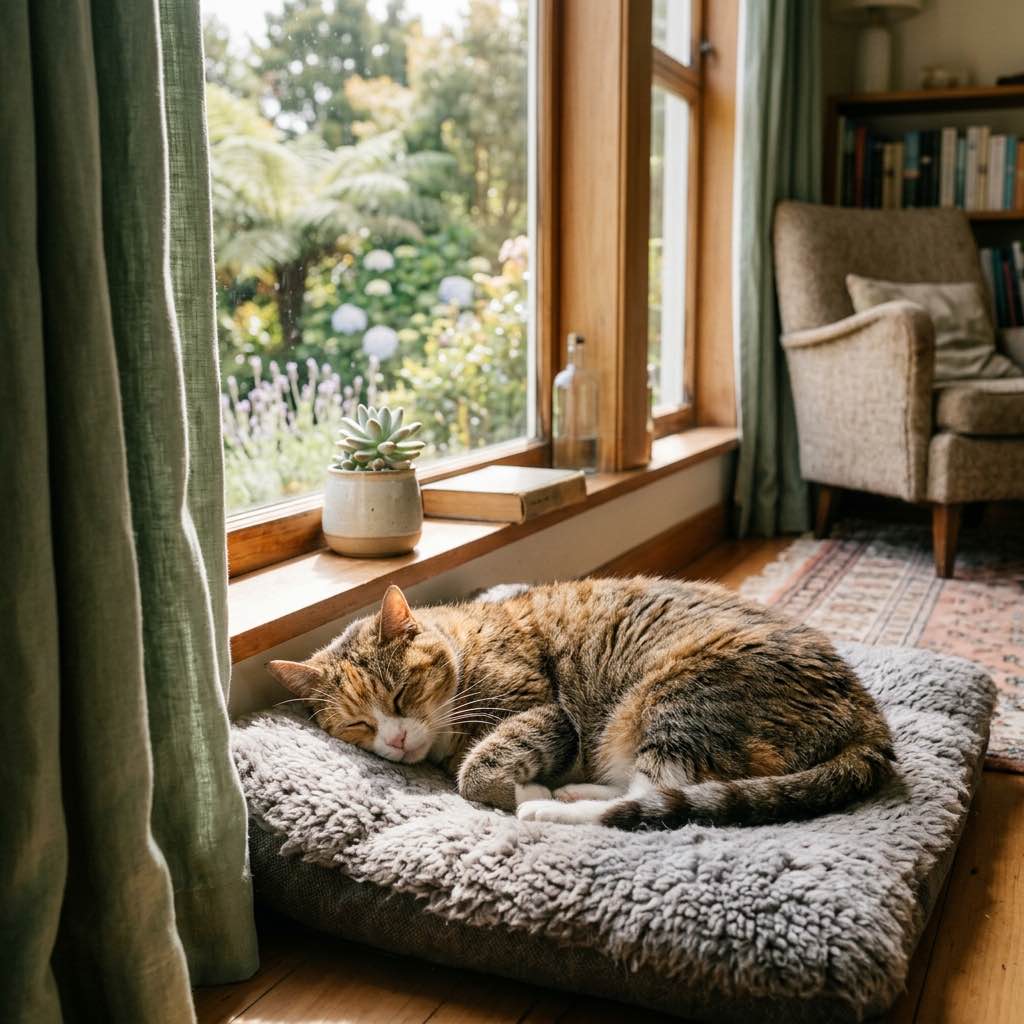
- Warm, Soft Beds: Provide multiple comfortable, orthopaedic, or memory foam beds in warm, draught-free spots. Elevated beds can also help keep them off cold floors. PetMall has a wide selection of Cat Beds & Houses perfect for senior cats seeking warmth and comfort.
- Ramps or Steps: Place ramps or pet steps next to favourite sofas, beds, or window sills to allow easy access without painful jumping.
- Non-Slip Surfaces: Lay down rugs or carpet runners on slippery floors (like tiles or polished wood) to give them better traction and prevent falls.
- Easy Access to Resources: Ensure food, water, and litter boxes are easily accessible on the same level, perhaps even closer to their main resting spots. Elevated food and water bowls can also reduce strain on their neck and joints.
- Grooming Assistance: Gently brush your senior cat regularly, especially if they struggle to groom themselves. This helps prevent matting and allows you to check for any lumps, bumps, or skin issues.
Litter Box Adaptations:
Litter box accessibility is paramount for senior cats, particularly those with arthritis or cognitive decline.
- Lower Sides: The most crucial adaptation! Many standard litter boxes have high sides that are difficult for an arthritic cat to step over. Opt for a litter box with a low entry point (e.g., a storage container with a side cut out, or purpose-built senior litter trays).
- More Litter Boxes: Provide at least one more litter box than the number of cats in your household, and place them in multiple, easily accessible locations around the house. This reduces the distance they need to travel and minimises competition in multi-cat homes.
- Litter Type: Many senior cats prefer a softer, fine-grained litter that is gentle on their paws. Unscented litter is generally preferred by all cats.
- Cleanliness: Scoop litter boxes at least twice daily, and change the litter completely and clean the box thoroughly once a week. Senior cats are often more sensitive to cleanliness, and a dirty box can lead to accidents.
PetMall offers a comprehensive range of Cat Litter & Accessories, including various litter types and litter trays, to help you find the perfect solution for your senior cat.
7. Hyperthyroidism & Diabetes Signs: Watchful Eyes are Key
Two other common endocrine conditions that frequently affect older cats in New Zealand are hyperthyroidism and diabetes mellitus. Both can significantly impact your cat's health and quality of life, but with early detection and careful management by your vet, your cat can still enjoy many happy years.
Hyperthyroidism
Hyperthyroidism is caused by an overproduction of thyroid hormones, usually due to a benign tumour in the thyroid gland. It's a very common condition in cats over the age of 8.
Signs to Watch For:
The symptoms are often subtle at first but become more pronounced as the disease progresses:
- Weight Loss Despite Increased Appetite: This is a classic sign. Your cat might be ravenously hungry but still losing weight.
- Increased Thirst and Urination: Similar to kidney disease, so differentiation by your vet is crucial.
- Hyperactivity or Restlessness: More active, vocal, or agitated than usual.
- Vomiting and/or Diarrhoea:
- Poor Coat Quality: Greasy, matted, or unkempt fur.
- Rapid Heart Rate: Your vet might detect this during an exam.
- Increased Vocalisation: Especially at night.
Diagnosis and Management:
Your vet will diagnose hyperthyroidism with a simple blood test that measures the level of thyroid hormones (T4). Once diagnosed, your vet will discuss management options, which can include medication, dietary management (iodine-restricted food, which is vet-prescribed), radioiodine therapy, or surgery. Regular monitoring by your vet is essential to ensure the chosen treatment is effective and to manage any associated conditions like high blood pressure.
Diabetes Mellitus
Diabetes mellitus occurs when the pancreas doesn't produce enough insulin, or the body's cells don't respond properly to the insulin that is produced. This leads to high blood sugar levels. It's more common in overweight or obese cats.
Signs to Watch For:
Like hyperthyroidism, signs can be similar to other conditions, making vet diagnosis vital:
- Increased Thirst and Urination: Again, a common sign across several senior cat ailments.
- Weight Loss Despite Good or Increased Appetite: The body can't utilise glucose for energy, so it starts breaking down fat and muscle.
- Lethargy or Weakness: Reduced energy levels, sleeping more.
- Poor Coat Quality:
- Sweet-Smelling Breath: Due to the presence of ketones.
- Hind Leg Weakness: In some cases, severe diabetes can lead to nerve damage, causing a plantigrade stance (walking flat on their hocks).
Diagnosis and Management:
Your vet will diagnose diabetes through blood tests (measuring blood glucose) and urinalysis (looking for glucose and ketones in the urine). Management typically involves insulin injections (vet-prescribed) and dietary changes. A diet high in protein and low in carbohydrates, often a wet food diet, is usually recommended to help stabilise blood sugar levels. Your vet will work with you to establish a treatment plan, which includes regular monitoring of blood glucose.
---
Caring for a senior cat is a rewarding experience, filled with continued companionship and love. By being proactive with veterinary care, attentive to their changing needs, and making thoughtful adjustments to their environment and diet, you can help your cherished Kiwi cat live their golden years in comfort and happiness. Remember, your vet is your best resource for personalised advice and treatment plans, ensuring your senior feline receives the best possible care right here in Aotearoa.
Sources
- American Association of Feline Practitioners (AAFP), *Updated Senior Care Guidelines* — "cats over 10 years of age are considered to be 'senior'"; the guidelines recommend examinations a minimum of every six months for senior cats aged 10–15 years, every four months for healthy cats over 15, and more often for cats with chronic illness, checked 2026-07-22: https://catvets.com/updated-senior-care-guidelines/
- Merck Veterinary Manual, *Preventative Health Care for Small Animals* — wellness examinations "at least once a year for dogs and cats", and "more frequent examinations may be recommended for older animals or those with chronic disease", checked 2026-07-22: https://www.merckvetmanual.com/management-and-nutrition/preventative-health-care-and-husbandry-in-small-animals/preventative-health-care-for-small-animals
*General information only — your own vet sets the screening schedule for your cat.*
Shop Related Products at PetMall
Looking for the products mentioned in this guide? PetMall ships across New Zealand with fast delivery.
- Cat FoodWet, dry, kitten, adult, and senior cat food
- Cat Beds & HousesWarm beds, hideaways, and resting spots
- Cat Litter & AccessoriesLitter trays, litter, scoops, and clean-up accessories
*PetMall does not sell prescription flea, worm, or medicated treatments. For medicated treatments, please consult your Kiwi vet.*
Free PetMall tools
Related guides
petmall.co.nz
Shop at PetMall
The products below are practical support items for your pet. PetMall ships across New Zealand.
- Cat FoodStart with food that matches your cat's life stage — change brands slowly over 7–10 days to avoid digestive upset.
- Cat LitterClumping or crystal, most cats prefer an unscented litter and a clean tray — one tray per cat plus one spare is the NZ rule of thumb.
- Cat TreatsGreat for bonding and training — keep treats under 10% of daily calories to protect your cat's waistline.
- Cat ToysA small rotation of toys (feather wand, puzzle feeder, and comfort toy) usually works better than buying many at once.
- Cat GroomingRegular brushing cuts hairballs and shedding — essential for long-haired breeds like Ragdolls and British Longhairs.
- Flea & Worm TreatmentFor NZ conditions, choose protection that fits your cat's weight and lifestyle (indoor vs outdoor) and keep it regular.