Raw Feeding for Dogs in NZ: Safe, Legal & Where to Buy
Considering a raw diet for your dog in New Zealand? You're not alone. Many Kiwi pet owners are exploring raw feeding, often referred to as the BARF...
Considering a raw diet for your dog in New Zealand? You're not alone. Many Kiwi pet owners are exploring raw feeding, often referred to as the BARF (Biologically Appropriate Raw Food) diet, for its potential health benefits. This comprehensive guide will directly address your questions about the safety, legality, and practicalities of raw feeding for dogs in NZ. We'll delve into MPI food safety rules, explore where to source quality ingredients locally, discuss vet opinions, and provide a clear roadmap for crafting a balanced raw diet, ensuring you have all the information needed to make an informed decision for your canine companion.
Understanding the BARF Diet for Dogs
The BARF diet, standing for Biologically Appropriate Raw Food or Bones And Raw Food, is based on the principle of feeding dogs a diet similar to what their wild ancestors would have eaten. Proponents believe that domesticated dogs thrive on a diet of raw meat, bones, and organs, supplemented with a small amount of raw fruits and vegetables, rather than highly processed kibble. The philosophy suggests that dogs are carnivores adapted to digest raw, unprocessed foods, and that such a diet can lead to superior health outcomes by providing nutrients in their most natural, bioavailable forms, free from artificial additives, fillers, and excessive processing.
Dogs, as descendants of wolves, possess a digestive system primarily designed for processing raw meat. Their short, highly acidic digestive tracts (with a pH of around 1-2, much lower than humans) are exceptionally well-suited to breaking down raw animal proteins and fats, and can effectively kill many bacteria that would harm humans. Their powerful jaws and teeth are adapted for tearing meat and crushing bones, rather than grinding plant matter. The BARF diet aims to leverage these biological adaptations by providing a diet that aligns with their evolutionary heritage, rather than relying on cooked, grain-heavy, or highly processed commercial pet foods that their digestive systems may not be optimally designed to process.
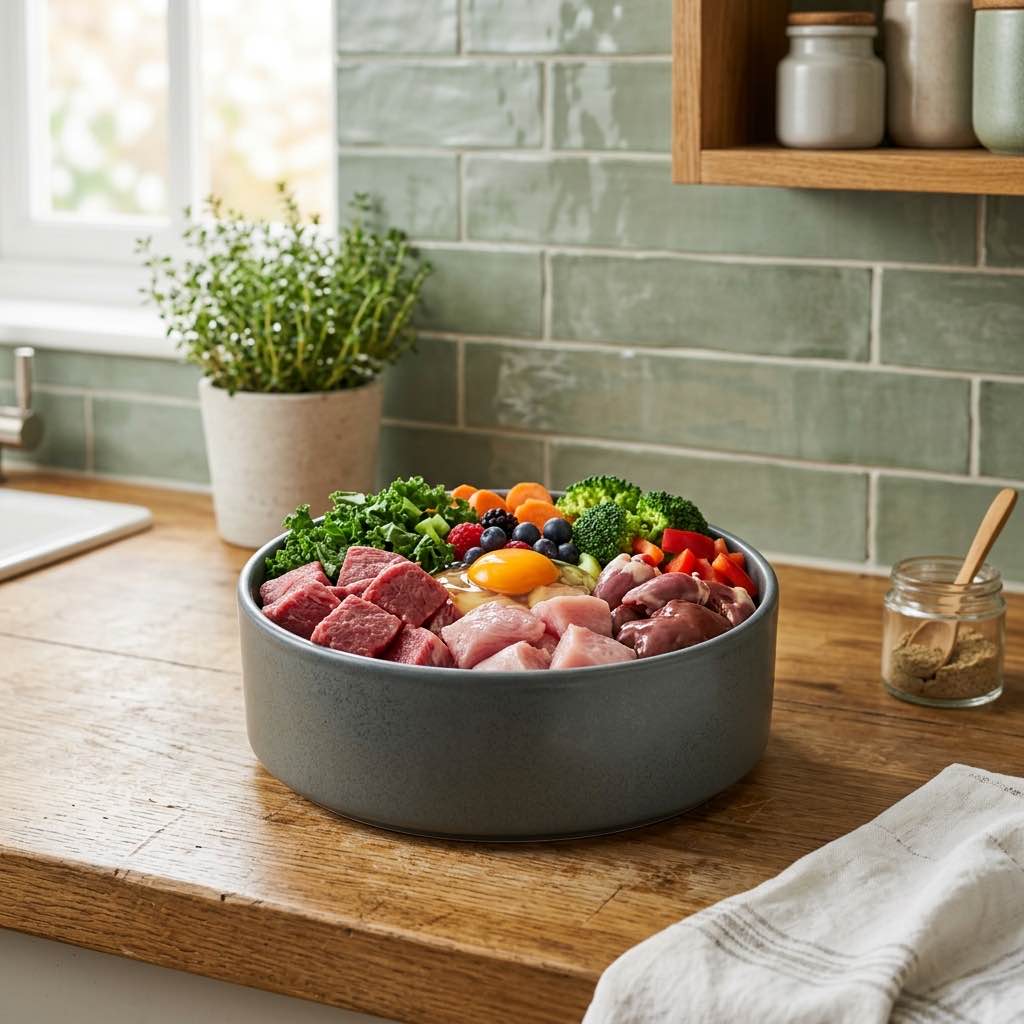
A typical BARF diet aims to replicate the nutritional profile of a whole prey animal. This involves a careful balance of specific components, generally targeting:
- 70-80% Muscle Meat: This forms the bulk of the diet, providing essential protein, amino acids, and fats. In NZ, common examples include beef (mince, chuck, stewing cuts), lamb (flaps, necks, shoulder), chicken (thighs, drumsticks, whole carcases), venison, goat, pork, and various fish (e.g., mackerel, sardines, hoki, salmon – ensuring bones are edible). Variety is paramount to ensure a broad spectrum of nutrients, as different muscle meats offer varying profiles of amino acids, vitamins, and trace minerals. For instance, red meats are rich in iron, while poultry and fish provide different fatty acid compositions.
- 10% Raw Edible Bones: These are crucial for calcium and phosphorus, vital for skeletal health, and also provide minerals (like magnesium and zinc), marrow, and mental stimulation. Examples commonly used in NZ include chicken necks, wings, frames, lamb ribs, lamb necks, and oxtail. Bones must *always* be raw and appropriate for the dog's size and chewing ability to prevent choking, fractured teeth, or internal damage. Weight-bearing bones from large animals (e.g., beef femurs) are generally too hard and should be avoided.
- 5% Liver: A powerhouse of nutrition, liver provides essential fat-soluble vitamins such as A, D, E, and K, as well as B vitamins (especially B12), iron, and copper. Due to its extremely high vitamin A content, it's fed in limited, precise quantities to prevent hypervitaminosis A (vitamin A toxicity), which can be detrimental over time.
- 5% Other Secreting Organs: This category includes organs like kidney, spleen, pancreas, and brain. Each offers a unique profile of vitamins, minerals, and enzymes that complement the liver, contributing to a more complete diet. For example, kidneys are rich in B vitamins and iron, while spleen provides a good source of iron and vitamin C. Variety within this category is also beneficial.
- 5-10% Pureed Fruits and Vegetables: While dogs are primarily carnivores, a small amount of pureed plant matter can provide fibre (aiding digestion), antioxidants, and additional vitamins and minerals that might be less abundant in meat. Examples commonly available in NZ include carrots, pumpkin, kūmara (sweet potato), spinach, kale, broccoli, apples, and blueberries. Pureeing or lightly steaming helps with digestibility, as dogs lack the enzymes to break down plant cell walls efficiently. Avoid toxic items like onions, garlic, grapes, and avocado pits.
The goal is to provide a comprehensive range of amino acids, essential fatty acids (like Omega-3s from fish and Omega-6s from various meats), vitamins, and minerals in their natural, unadulterated forms. Enthusiasts often report various benefits, including:
- Improved Coat Condition: Shinier, softer fur with less shedding, often attributed to better absorption of essential fatty acids (Omega-3s and Omega-6s) and other skin-supporting nutrients found in raw foods.
- Cleaner Teeth: The mechanical action of tearing meat and chewing raw, appropriately sized, non-weight-bearing bones helps scrape away plaque and tartar, reducing the need for professional dental cleanings and promoting healthier gums.
- Better Digestion: Many owners observe smaller, firmer, and significantly less odorous stools, indicating more efficient nutrient absorption and less waste product. This is often due to the high digestibility of raw ingredients and the absence of fillers.
- Reduced Body Odour: A healthier gut microbiome and the elimination of artificial ingredients and common allergens can lead to a reduction in overall "doggy" body odour.
- Increased Energy Levels and Vitality: Dogs may appear more vibrant, playful, and energetic, potentially due to a diet rich in highly bioavailable nutrients that fuel their bodies more effectively.
- Management or Alleviation of Certain Allergies or Chronic Conditions: Some owners report significant improvements in skin allergies, inflammatory bowel disease (IBD), joint issues, or other chronic inflammatory conditions, possibly due to the elimination of common allergens (like grains or certain proteins found in processed foods) or inflammatory ingredients.
However, it's crucial to understand that while a raw diet can offer benefits when prepared correctly, it also carries inherent risks. These include:
- Potential for Severe Nutritional Deficiencies or Excesses: If the diet is not properly balanced, it can lead to serious, sometimes irreversible, health issues. For example, an incorrect calcium-to-phosphorus ratio (e.g., too much muscle meat, not enough bone) can cause skeletal deformities, particularly in growing puppies and large breeds. Too much liver can lead to vitamin A toxicity, causing bone pain and neurological issues, while a lack of variety can result in deficiencies in essential trace minerals (like manganese or zinc) or vitamins (like Vitamin E or D). Commercial raw foods claiming to be "complete and balanced" should meet AAFCO or FEDIAF standards, but home-prepared diets require meticulous calculation and rotation.
- Significant Risk of Bacterial Contamination: Raw meat, poultry, and fish can naturally harbour harmful bacteria such as Salmonella, E. coli (especially O157:H7), Listeria monocytogenes, and Campylobacter. These pathogens can cause illness in dogs (ranging from mild gastrointestinal upset to severe infections, sepsis, or even death) and, critically, can be transmitted to humans (zoonotic risk). This is a major concern, particularly for children, the elderly, pregnant women, or immunocompromised individuals in the household, who are more susceptible to severe illness from these bacteria.
- Dangers from Bones: Feeding inappropriate bones (e.g., *any* cooked bones which become brittle and splinter easily, or dense weight-bearing bones from large animals which are too hard) can pose severe risks of choking, fractured teeth, or internal injuries such as perforations of the digestive tract, intestinal blockages, or severe constipation. Even raw bones must be chosen carefully for size and type.
A successful raw feeding journey requires significant research, dedication, a commitment to strict hygiene practices, and often, ongoing consultation with a knowledgeable veterinary professional or a certified veterinary nutritionist to ensure nutritional adequacy and safety for both your pet and your family.
Is Raw Feeding Legal in NZ?
Yes, raw feeding for dogs is entirely legal in New Zealand. There are no specific laws or regulations that prevent individual pet owners from preparing and feeding raw food to their animals at home. This means that Kiwi pet parents have the freedom to choose a raw diet for their canine companions without legal impediment. However, while home-prepared raw diets are permitted, the responsibility for ensuring the diet is safe, complete, and nutritionally balanced rests solely with the individual pet owner. This is a critical distinction, as it places the full onus of preventing nutritional deficiencies, excesses, and pathogen transmission squarely on the owner.
The Ministry for Primary Industries (MPI) is New Zealand's government agency responsible for food safety, including pet food. MPI primarily regulates the commercial production of pet food that is manufactured, processed, and sold within New Zealand or exported. This means that commercial raw pet food producers must adhere to strict guidelines regarding sourcing of ingredients, processing methods, labelling accuracy, and pathogen control to ensure their products are safe for pets and pose no undue risk to public health. These regulations, such as the Animal Products Act 1999 and associated Animal Products (Specifications for Pet Food) Regulations, are designed to protect consumers and animals from contaminated or nutritionally inadequate commercial products. They ensure that commercial raw pet food products meet certain standards before reaching the market.
For individual pet owners preparing raw food at home, MPI's specific regulations for commercial pet food manufacturers do not directly apply. However, the underlying principles of food safety, hygiene, and responsible sourcing that MPI promotes for all food handling are highly relevant and should be diligently followed by anyone handling raw meat for any purpose. MPI encourages all pet owners, regardless of their chosen diet, to prioritise their pet's health and safety. This includes understanding potential risks associated with raw feeding, such as bacterial contamination and nutritional imbalances, and taking appropriate precautions to mitigate these risks.
Local councils in New Zealand also do not typically regulate individual pet food preparation, though general animal welfare bylaws always apply. The Animal Welfare Act 1999, which is the cornerstone of animal welfare legislation in NZ, mandates that owners provide for the physical, health, and behavioural needs of their animals. This includes providing "adequate food and water." While the Act does not specify *what* constitutes adequate food, it implies that owners must ensure the diet they provide is nutritionally complete and does not cause harm. Therefore, while raw feeding is legal, owners must still ensure their chosen diet meets their dog's nutritional requirements and is prepared safely to comply with broader animal welfare responsibilities. Ultimately, while legal, a raw diet demands a high level of commitment, continuous learning, and meticulous attention to detail from the owner to ensure their dog receives optimal nutrition and to safeguard the health of both the pet and the human household members.
MPI Food Safety Guidelines for Raw Pet Food
MPI's rules bite hardest at the *commercial* end of the chain. A pet food manufactured in New Zealand that contains animal material has to meet the Animal Products Act 1999 as well as the ACVM Act 1997: the manufacturer needs a documented manufacturing system, has to keep adequate records, must put specified information on the label, and must not make misleading or therapeutic claims about the product. That is why a reputable NZ raw brand can tell you which plant made the food and when — ask, and if nobody can answer, buy elsewhere.
None of that framework follows the meat into your kitchen. Once you are portioning mince at home you are the processor, and the only realistic controls are ordinary food-safety habits applied without exceptions:
- Keep the cold chain intact. Chilly bin from the shop, straight into the freezer. Thaw in the fridge overnight — never on the bench, and never in the sun on a warm Auckland afternoon.
- Separate everything. A dedicated chopping board, knife and container set for raw pet food, stored and washed apart from your own.
- Wash up immediately. Hot soapy water on hands, surfaces, bowls and utensils straight after handling. Wash the bowl after every raw meal rather than topping it up.
- Do not leave raw food down. Lift anything uneaten after about 20 minutes and bin it. Do not refrigerate and re-serve a bowl that has sat out.
- Think about the rest of the household. Infants, elderly family members, pregnant people and anyone immunosuppressed are the ones who get seriously ill from a household pathogen — usually not the dog.
What the Clinical Evidence Says About the Risks
Owners deserve a straight answer here rather than a sales pitch, so here is what the veterinary literature actually says.
The Merck Veterinary Manual lists four risks specific to raw meat-based diets: nutrient imbalances, dental injury, gastrointestinal obstruction or perforation, and exposure to pathogens. It also notes that high-pressure pasteurisation — the safety step some commercial raw brands advertise — reduces pathogen numbers but usually does not completely eliminate them, and that bacteria and viruses differ in how well they survive the process. Dogs eating contaminated raw food can shed pathogens in their faeces while looking perfectly well themselves, which is how a raw diet becomes a household issue rather than just a dog issue.
Nutrient balance is the risk owners underestimate most. Merck notes that feeding predominantly meat — the classic hamburger-and-rice or all-mince diet — can induce calcium deficiency and nutritional secondary hyperparathyroidism, which means weak, painful bones in a growing dog. That is not an argument against raw feeding as such; it is the reason a home-made raw diet should be formulated by a veterinary nutritionist rather than copied off a Facebook group.
The American Veterinary Medical Association takes a stricter line again: its policy discourages feeding cats and dogs any animal-source protein that has not first been through a process to eliminate pathogens, naming *Salmonella*, *Campylobacter*, *Clostridium*, *E. coli*, *Listeria monocytogenes* and others among the organisms found in raw or undercooked animal protein. You do not have to accept that conclusion to take the underlying data seriously. If you feed raw, feed it with the handling discipline above.
⚠️ Talk to your own vet before switching if your dog is a growing puppy, is elderly, has a health condition, or lives with someone who is immunocompromised. This guide is general information for New Zealand owners and is not a substitute for advice from the vet who knows your dog.
Sources
- Merck Veterinary Manual, *Dog and Cat Foods* — "Nutrient imbalances, dental injury, gastrointestinal obstruction or perforation, and exposure to pathogens are all risks associated with RMBDs"; high-pressure pasteurisation "can decrease the numbers of many pathogens" but "usually does not completely eliminate them"; predominantly-meat diets can induce calcium deficiency and nutritional secondary hyperparathyroidism, checked 2026-07-24: https://www.merckvetmanual.com/management-and-nutrition/nutrition-small-animals/dog-and-cat-foods
- Ministry for Primary Industries (NZ), *Manufacturing pet food, animal feed, and nutritional supplements* — NZ pet food manufacturers must have a documented manufacturing system, keep adequate records, provide specified label information, and avoid misleading or therapeutic claims; products containing animal material must meet both the ACVM Act 1997 and the Animal Products Act 1999, checked 2026-07-24: https://www.mpi.govt.nz/animals/pet-food-animal-feed-nutritional-supplements/manufacturing-pet-food-animal-feed-and-nutritional-supplements
- American Veterinary Medical Association, *Raw or Undercooked Animal-Source Protein in Cat and Dog Diets* — AVMA discourages feeding animal-source protein that has not been through a pathogen-elimination process, citing Salmonella, Campylobacter, Clostridium, E. coli and Listeria monocytogenes among the organisms involved, and notes the risk to children, elderly and immunocompromised people in the household, checked 2026-07-24: https://www.avma.org/resources-tools/avma-policies/raw-or-undercooked-animal-source-protein-cat-and-dog-diets
Free PetMall tools
Related guides
petmall.co.nz
Shop at PetMall
The products below are practical support items for your pet. PetMall ships across New Zealand.
- Dog FoodStart with food that matches your dog's life stage and activity level — and change brands slowly over 7–10 days.
- Dog TreatsTraining rewards and everyday treats — small, soft pieces work best for consistent reinforcement.
- Dog ToysA small rotation of chew, fetch, and puzzle toys usually works better than buying a large variety at once.
- Dog GroomingA gentle brush and the right shampoo make maintenance easier — especially for dogs that get muddy on walks.
- Leads & HarnessesComfort matters: padded contact points and adjustable fit help reduce rubbing on longer walks or tramping weekends.
- Flea & Worm TreatmentFor NZ conditions, look for protection that fits your routine (monthly vs longer-lasting) and your dog's weight range.