Pet Birds in NZ: What's Legal, What Needs a Permit & What's Banned (2026)
Pet birds legal NZ guide: what birds are allowed, which need permits, MPI biosecurity rules, and legal buying tips.
New Zealand, with its unique and fragile ecosystem, maintains some of the world's strictest biosecurity regulations. For pet bird enthusiasts, understanding these rules is paramount. This comprehensive guide, updated for 2026, delves into the legal landscape of keeping pet birds in NZ, outlining what's permitted, what requires special authorisation, and what's outright prohibited. Whether you're a seasoned aviculturist or considering your first feathered friend, navigating the rules set by the Ministry for Primary Industries (MPI) and local councils is crucial for responsible pet ownership and protecting our precious native environment. When considering pet birds legal NZ, always put biosecurity first.
The Foundation: New Zealand's Biosecurity & MPI
At the heart of New Zealand's approach to animal ownership, especially for exotic species, lies a robust biosecurity framework. The Ministry for Primary Industries (MPI) is the government agency responsible for protecting New Zealand from biological risks. Their mandate covers everything from agricultural pests to diseases that could impact our native flora and fauna, as well as our primary industries.
Why Biosecurity is Critical for Aotearoa
New Zealand's isolation has resulted in a unique evolutionary path, leading to a high proportion of endemic species – plants and animals found nowhere else on Earth. Many of our native birds, for instance, evolved in the absence of mammalian predators and are particularly vulnerable to introduced species and diseases. A single exotic bird carrying a novel disease, or an escaped species establishing a wild population, could have catastrophic consequences for our biodiversity, agriculture, and economy.
This is why MPI's import health standards (IHS) are so stringent. They are designed to prevent the entry of pests and diseases that could devastate our ecosystems. The Biosecurity Act 1993 provides the legal framework for these regulations, empowering MPI to control what enters the country and how it is managed once here.
Understanding Bird Status in NZ: Legal, Restricted & Prohibited
When it comes to keeping pet birds in New Zealand, species are generally categorised into three main groups based on their biosecurity risk and potential impact:
1. Legal/Unrestricted Birds: The Most Common Companions
These are the birds that are widely available and legally kept as pets in New Zealand without requiring special permits from MPI. They have typically been present in the country for many years, are well-established, and are generally considered to pose a low biosecurity risk. However, even for these birds, responsible ownership and preventing escapes are vital.
Examples of commonly kept legal pet birds include:
- Budgerigars: Often a first pet bird, known for their vibrant colours and playful nature. Learn more about Budgerigars.
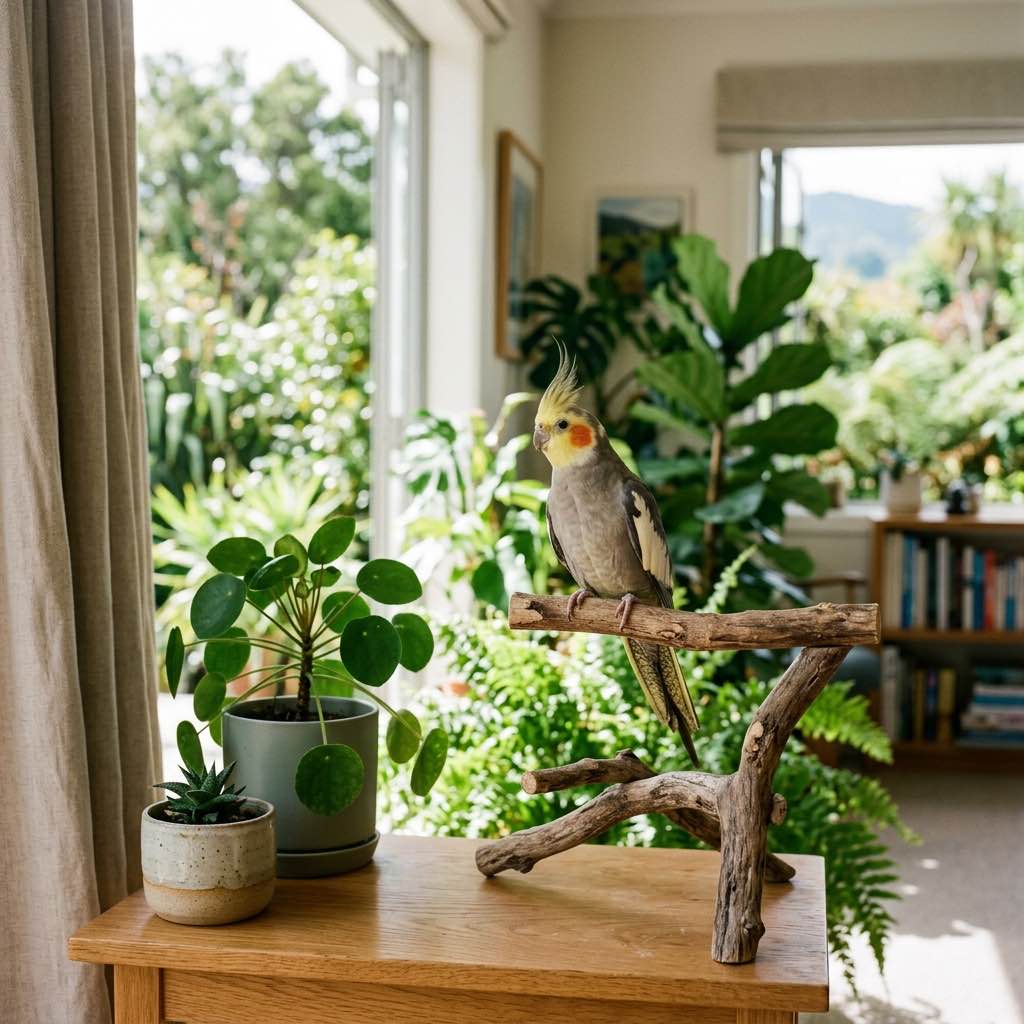
- Cockatiels: Popular for their friendly personalities and ability to mimic sounds. Discover Cockatiels.
- Lovebirds: Small, social parrots known for their strong pair bonds. Learn more about Lovebirds.
- Canaries: Prized for their beautiful singing voices. Discover Canaries.
- Finches (e.g., Zebra Finches, Gouldian Finches): Small, active birds often kept in aviaries. Learn more about Zebra Finches and Gouldian Finches.
- Parrotlets: The smallest of the parrot family, known for their big personalities.
- Indian Ringneck Parrots: Intelligent and long-lived, requiring significant commitment.
- Conures (e.g., Green-cheeked Conures): Energetic and affectionate, popular for their playful antics.
While these birds are legal, owners must still adhere to the Animal Welfare Act 1999, ensuring their birds' five freedoms are met: freedom from hunger and thirst, freedom from discomfort, freedom from pain, injury, or disease, freedom to express normal behaviour, and freedom from fear and distress. Local council bylaws may also apply to aviary construction or noise levels, so always check with your local authority.
2. Restricted Birds: Requiring Special Permits
This category includes bird species that are not outright banned but pose a higher biosecurity or environmental risk, or are subject to international conservation agreements. Keeping these birds requires specific permits and adherence to strict conditions set by MPI. The process for obtaining such permits is rigorous, often lengthy, and typically reserved for experienced aviculturists, zoos, or conservation programmes rather than the average pet owner.
Many of these birds fall under the Convention on International Trade in Endangered Species of Wild Fauna and Flora (CITES). While CITES regulates international trade, MPI incorporates CITES listings into its import health standards and domestic management. For example, certain rare parrot species, exotic waterfowl, or specific raptors might fall into this category. The conditions for keeping them often include:
- MPI Approval: A formal application to MPI is required, detailing the species, origin, housing, and purpose.
- Specialised Housing: Aviaries must meet specific security standards to prevent escape and ensure biosecurity.
- Record Keeping: Detailed records of the bird's origin, health, and any offspring may be mandatory.
- Veterinary Oversight: Regular health checks and specific disease surveillance may be required.
It's important to note that the list of restricted species can change, and the criteria for permits are extremely strict. For the vast majority of New Zealanders, acquiring a permit for a restricted bird species is not a viable option for a pet. If you believe a species you are interested in falls into this category, your first step must be to contact MPI directly to understand the specific requirements and feasibility.
3. Prohibited Birds: Banned from New Zealand
This category includes any bird species that MPI has deemed too high a biosecurity risk to be present in New Zealand, or those that are considered invasive pests. These birds cannot be imported, kept, bred, or sold in New Zealand under any circumstances. The penalties for possessing or trading prohibited species are severe and can include substantial fines and imprisonment under the Biosecurity Act 1993.
Examples of prohibited birds often include:
- Mynas (Common Myna, Indian Myna): Highly invasive species known for outcompeting native birds and causing agricultural damage. These are a significant pest in other countries and are strictly prohibited in NZ.
- Starlings (Common Starling): While some starlings are present in NZ, further importation or specific species are prohibited due to their pest status.
- Birds of Prey (excluding native species under specific permits): Most exotic raptors are prohibited due to their potential impact on native wildlife and biosecurity risks.
- Many other exotic species: Any species not explicitly listed as legal or restricted is generally considered prohibited unless specific MPI approval for research or zoo purposes is granted under extremely rare circumstances.
The rationale behind these prohibitions is clear: to protect New Zealand's unique biodiversity and primary industries from the devastating impacts of invasive species and diseases. It is illegal and irresponsible to attempt to import, keep, or trade any prohibited bird species. If you encounter someone offering such a bird, you should report it to MPI immediately.
Importing Birds into New Zealand: A Strict Process
For most private individuals, directly importing a pet bird into New Zealand is an incredibly complex, expensive, and often impossible endeavour. MPI's import health standards (IHS) are designed to be extremely rigorous to safeguard our biosecurity.
Key Challenges of Bird Importation:
- Approved Countries: Birds can only be imported from countries that MPI has approved as having robust animal health systems and disease-free status for specific avian diseases. This list is very short and changes based on global disease outbreaks.
- Import Health Standards (IHS): Each approved species from an approved country has a specific IHS document. This document outlines every single requirement, including:
- Pre-export isolation and testing for a multitude of diseases (e.g., Avian Influenza, Newcastle Disease, Psittacine Beak and Feather Disease).
- Veterinary certifications and treatments.
- Approved transport methods and containers.
- Post-arrival quarantine in an MPI-approved facility.
- Quarantine: All imported birds must undergo a lengthy quarantine period (often 30 days or more) at an MPI-approved facility upon arrival. The owner bears all costs associated with this, which can be substantial.
- Cost and Complexity: The entire process, from pre-export testing to flights and quarantine fees, can run into tens of thousands of dollars. It requires meticulous planning, coordination with overseas vets and authorities, and strict adherence to MPI protocols.
Given these hurdles, the vast majority of pet birds in New Zealand are bred domestically. It is far more practical, ethical, and biosecure to purchase a bird that has been bred within New Zealand.
Local Aviary Regulations & Responsible Ownership
Beyond MPI's species-specific rules, responsible bird ownership in New Zealand also involves adhering to local council bylaws and general animal welfare legislation.
1. Animal Welfare Act 1999
This Act is the cornerstone of animal protection in New Zealand. It mandates that all animal owners (including bird owners) are responsible for meeting the physical, health, and behavioural needs of their animals. This includes providing adequate food and water, appropriate shelter, veterinary care when needed, and opportunities for natural behaviours. Cruelty or neglect of any animal is illegal and carries significant penalties.
2. Local Council Bylaws
Your local city or district council may have specific bylaws relating to keeping birds, especially if you plan to keep a large number of birds or construct a substantial aviary. These bylaws often cover:
- Noise Control: Preventing excessive noise that could disturb neighbours.
- Aviary Siting and Construction: Requirements for how close an aviary can be to property boundaries, its size, and materials.
- Hygiene and Waste Management: Ensuring aviaries are kept clean to prevent pest attraction and odour.
- Number of Birds: Some councils may have limits on the number of birds that can be kept on a residential property.
It is essential to contact your local council's animal control or planning department before building an aviary or acquiring a large collection of birds to ensure compliance. Failure to do so could result in fines or requirements to modify your setup.
3. Preventing Escapes: A Biosecurity Imperative
Even for common pet birds, preventing escapes is crucial. An escaped pet bird can:
- Become a pest: Compete with native birds for food and nesting sites.
- Spread disease: Potentially transmit diseases to wild bird populations.
- Endanger itself: Face predators, starvation, or injury in an unfamiliar environment.
Ensure your aviary or cage is secure, well-maintained, and escape-proof. Be vigilant during cleaning or handling. Microchipping, while not common for small birds, can be considered for larger, more valuable parrots.
Where to Buy Legal Pet Birds in NZ
Given the strict import regulations, the safest and most responsible way to acquire a pet bird in New Zealand is to purchase one that has been bred domestically. Here are the best avenues:
- Reputable Breeders: This is often the best option. A good breeder will:
- Be knowledgeable about the species they breed.
- Be transparent about the bird's parentage and health history.
- Allow you to see the breeding environment (which should be clean and well-maintained).
- Provide advice on care, diet, and socialisation.
- Be registered with relevant bird clubs or associations.
- Never sell unweaned birds.
- Provide a health guarantee.
- Specialised Pet Shops: Look for pet shops that specialise in birds and have knowledgeable staff. Ensure the birds are housed in clean conditions, appear healthy and active, and the staff can answer your questions about their origin and care. Avoid shops that seem to prioritise sales over animal welfare.
- Bird Clubs and Societies: New Zealand has numerous bird clubs (e.g., parrot clubs, canary clubs, avicultural societies). These clubs are excellent resources for finding reputable breeders, learning about specific species, and connecting with experienced enthusiasts. They often hold sales days or can put you in touch with members who have birds for sale.
- Online Marketplaces (with caution): Websites like Trade Me can list birds for sale. However, exercise extreme caution. Always insist on visiting the seller, inspecting the bird and its living conditions, and asking detailed questions about its history and health. Be wary of sellers who are vague or unwilling to provide information. Never purchase a bird that appears sick or housed in poor conditions.
Crucially, never buy a bird if you suspect it has been illegally imported or is a prohibited species. If you have any doubts, contact MPI for clarification. Supporting illegal trade undermines New Zealand's biosecurity and animal welfare efforts.
Legal Alternatives for Bird Enthusiasts
If the complexities of bird ownership seem daunting, or if you're simply passionate about birds, there are many ways to engage with them legally and responsibly in New Zealand:
- Native Bird Watching: New Zealand boasts incredible native birdlife. Investing in binoculars and a field guide allows you to appreciate species like the tūī, fantail, kererū, and many others in their natural habitats. Supporting conservation efforts for these birds is a fantastic way to contribute.
- Volunteering: Many bird rescue organisations, wildlife hospitals (e.g., BirdCare Aotearoa, Wildlife Hospital Dunedin), and conservation groups rely on volunteers. This offers a hands-on opportunity to care for birds without the long-term commitment of ownership.
- Supporting Zoos and Wildlife Parks: Accredited zoos and wildlife parks in New Zealand (e.g., Auckland Zoo, Wellington Zoo, Orana Wildlife Park) house a variety of exotic and native birds, often participating in conservation breeding programmes. Visiting them is a great way to learn and support their work.
- Photography and Art: Capture the beauty of birds through photography or art, celebrating their presence without needing to keep them as pets.
Quick Summary
- MPI is Key: The Ministry for Primary Industries (MPI) governs all aspects of pet birds legal NZ, particularly regarding importation and species status.
- Biosecurity First: New Zealand's unique environment necessitates strict biosecurity rules to protect native species and agriculture.
- Know Your Bird's Status: Birds are categorised as Legal (common pets, no MPI permit needed), Restricted (rare, specific MPI permits required for zoos/specialists), or Prohibited (banned, illegal to possess).
- Importation is Extremely Difficult: Direct import by private individuals is rare and costly; most pet birds in NZ are domestically bred.
- Buy Local & Reputable: Always purchase birds from trusted, ethical breeders or specialised pet shops within New Zealand.
- Check Local Bylaws: Your local council may have rules regarding aviary construction, noise, and the number of birds you can keep.
- Responsible Ownership: Adhere to the Animal Welfare Act 1999 and ensure your bird's welfare needs are met, including preventing escapes.
- Report Suspicious Activity: If you suspect illegal bird trade or possession of prohibited species, report it to MPI.
Navigating the legalities of pet bird ownership in New Zealand requires diligence and a commitment to responsible practices. By understanding and adhering to MPI's regulations and local bylaws, you contribute to safeguarding New Zealand's precious biosecurity while enjoying the companionship of your feathered friends. Always verify the latest regulations with MPI or your local council, as rules can evolve.
Sources
- MPI, Bringing pets to NZ other than cats and dogs, checked 2026-07-25: https://www.mpi.govt.nz/bring-send-to-nz/pets-travelling-to-nz/bringing-pets-to-nz-other-than-cats-and-dogs/
- MPI, Importing live animals — NZ Customs and MPI jointly enforce the rules on importing live animals, checked 2026-07-25: https://www.mpi.govt.nz/import/importing-live-animals
- EPA, About new organisms — any species new to New Zealand needs EPA approval to import, develop, field test or release under the HSNO Act 1996, checked 2026-07-25: https://www.epa.govt.nz/industry-areas/new-organisms/about-new-organisms/
- DOC, Interacting with wildlife: apply for permits — a Wildlife Act authorisation is required to hold protected native wildlife, checked 2026-07-25: https://www.doc.govt.nz/get-involved/apply-for-permits/interacting-with-wildlife/
- New Zealand Legislation, Animal Welfare Act 1999 Section 10 (Obligations of Owners), checked 2026-07-25: https://www.legislation.govt.nz/act/public/1999/0142/latest/DLM49664.html
*Biosecurity, wildlife and council rules change. Confirm the current requirements with MPI, DOC or your local council before acquiring any bird.*
Free PetMall tools
Related guides
petmall.co.nz
Shop at PetMall
The products below are practical support items for your pet. PetMall ships across New Zealand.
- Bird Food & TreatsA quality seed or pellet base plus fresh veg keeps cage birds healthier than seed alone.
- Bird ToysForaging and chew toys prevent boredom — rotate a few rather than crowding the cage all at once.
- Bird SuppliesA well-sized cage with the right perch variety helps long-term comfort — aim for space to fully stretch wings.