Desexing Your Pet in NZ: Cost, Age, Benefits & What to Expect
Desexing your pet in New Zealand is a responsible decision with benefits for their health, your household, and the wider community. This guide covers...
Desexing your pet in New Zealand is a responsible decision with benefits for their health, your household, and the wider community. This guide covers the average desexing pets NZ cost, optimal age by species, key benefits, and what to expect before, during, and after surgery. It's a routine procedure crucial for a healthier life and managing pet populations across Aotearoa.
On timing: there is genuine, current disagreement among vets about the *best age* to desex, especially for large-breed dogs. The Merck Veterinary Manual states plainly that there is "no consensus as to the optimal age", and several studies on the effects of retaining sex hormones in particular breeds have made this an active debate. The benefits described below are well established; the ideal timing is a conversation to have with your own vet about your individual animal, not a fixed number.
Why Desex Your Pet? The Benefits for Them, You, and NZ
Desexing (neutering for males, spaying for females) is a routine surgical procedure performed by veterinarians across New Zealand. It offers numerous advantages beyond preventing unwanted pregnancies, impacting individual animals, their owners, and the broader NZ community.
Health Benefits for Your Pet
Desexing significantly improves your pet's long-term health, often preventing serious conditions.
- For Female Pets (Spaying):
- Eliminates Reproductive Organ Cancers & Infections: Spaying removes the uterus and ovaries, eliminating risks of ovarian and uterine cancers and pyometra, a life-threatening uterine infection.
- Greatly Reduces Mammary Cancer Risk: The risk of mammary (breast) tumours is dramatically reduced, especially if spayed before the first heat cycle.
- Prevents Heat Cycles: Eliminates messy, inconvenient, and stressful heat cycles, including blood spotting, restlessness, and attracting unwanted male attention.
- For Male Pets (Neutering):
- Eliminates Testicular Cancer Risk: Removes the possibility of testicular cancer, common in older unneutered males.
- Reduces Risk of Prostate Problems: Significantly reduces the risk of benign prostatic hyperplasia (BPH) and prostate infections.
- Prevents Perianal Adenomas: These hormone-dependent benign tumours around the anus are significantly reduced or prevented by neutering.
Behavioural Benefits
Desexing can lead to a calmer, more predictable, and often more affectionate pet.
- For Male Pets:
- Reduced Roaming and Escape Attempts: Intact males are driven to seek out females, leading to escape attempts, getting lost, or being hit by vehicles. Neutering significantly reduces this instinct.
- Decreased Aggression: Can reduce inter-male and territorial aggression.
- Reduced Urine Marking: Neutering can greatly reduce or eliminate territorial urine marking.
- Less Mounting Behaviour: Reduces inappropriate mounting of people, other animals, or objects.
- For Female Pets:
- Eliminates Heat-Related Behaviours: Prevents vocalisation (howling, caterwauling in cats), restlessness, and escape attempts associated with being in heat, creating a more peaceful home.
- Reduced Aggression and Mood Swings: Spaying stabilises hormones, reducing irritability or aggression during heat cycles.
Community & Owner Benefits
Desexing has a profound positive impact on the wider New Zealand community and offers practical advantages for pet owners.
- Reduced Pet Overpopulation: This is one of the most significant benefits. Thousands of healthy cats and dogs end up in NZ shelters annually due to accidental litters. Desexing is the most effective way to prevent these unplanned litters.
- Cost Savings for Owners: While there's an upfront cost, desexing can save money long-term by preventing costs associated with unwanted litters, emergency treatments for pyometra or mammary tumours, or injuries from roaming.
- Safer Communities: Fewer stray and roaming animals lead to safer communities, reducing the risk of dog attacks and traffic accidents.
- Wildlife Protection (Especially Cats): For cats, desexing reduces territorial instincts and the urge to roam and hunt, which is particularly important in New Zealand with its vulnerable native bird populations.
- Potential Council Registration Discounts: Many local councils in New Zealand offer reduced dog registration fees for desexed dogs.
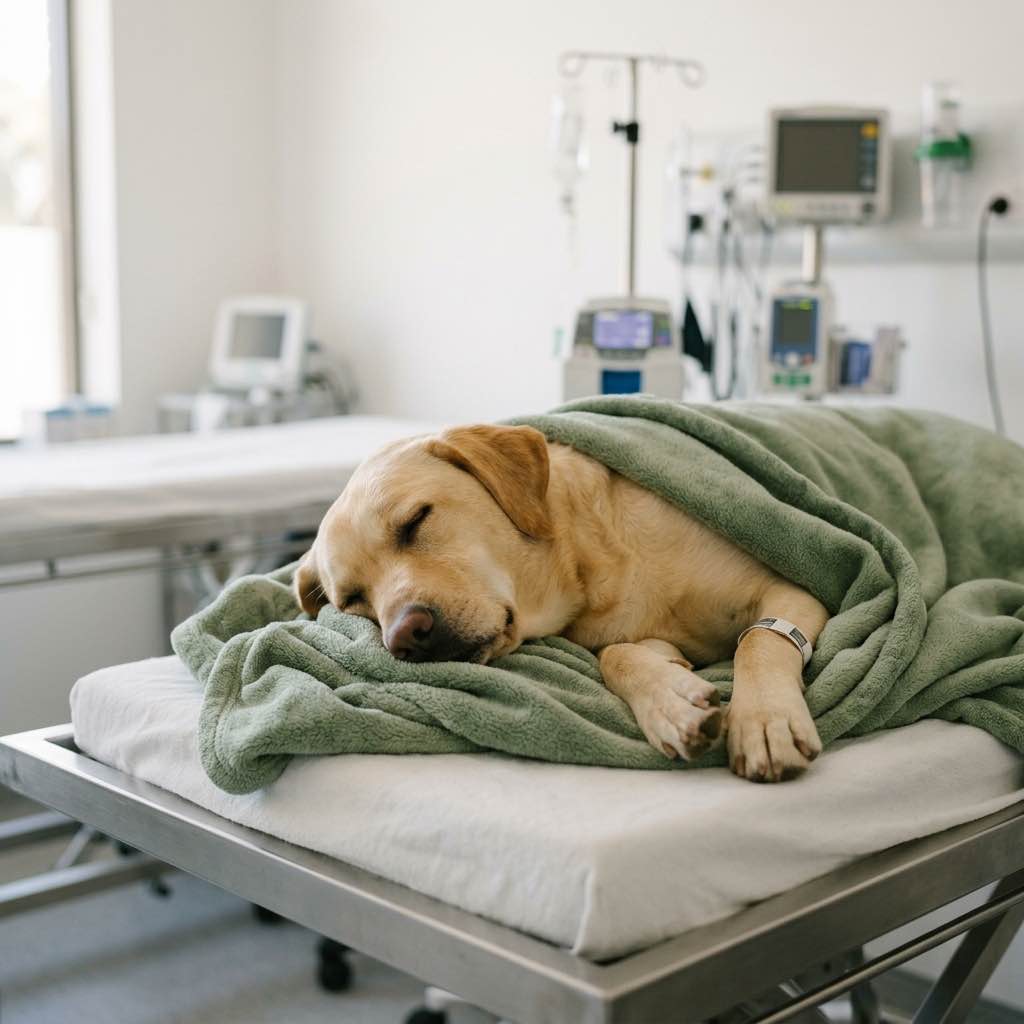
Desexing Pets NZ Cost: What to Expect
The cost of desexing your pet in New Zealand can vary significantly. Understanding influencing factors helps you anticipate prices and what's typically included.
General Price Range and Influencing Factors
While exact figures are difficult, here are general ranges and factors influencing the final cost:
- Species: Dogs are generally more expensive than cats; rabbits/guinea pigs are usually the least expensive.
- Sex: Spaying (females) is typically more complex and invasive than neutering (males), often making it more expensive.
- Size/Weight (Dogs): For dogs, weight is a major factor. Larger dogs require more anaesthetic, pain relief, and supplies, leading to higher costs.
- Location: Veterinary costs can vary between regions (e.g., Auckland vs. a regional town).
- Veterinary Clinic: Different clinics may have slightly different pricing structures.
- Age/Health: Older animals, or those with underlying health conditions, may require more intensive anaesthetic monitoring or pre-operative work-ups, increasing the cost.
- Cryptorchidism: If a male has undescended testicles, the surgery is more complex and invasive, increasing the cost significantly.
- Pregnancy/In Heat: If a female is pregnant or in heat, the surgery is more complicated, takes longer, and may involve increased risks and therefore higher costs.
Estimated Cost Ranges (NZD, subject to change):
- Cats:
- Male (Neutering): $150 - $300
- Female (Spaying): $250 - $450
- Dogs:
- Male (Neutering): $300 - $700+ (depending on size)
- Female (Spaying): $400 - $800+ (depending on size)
- *Small Dogs (<10kg):* Neutering ~$300-450, Spaying ~$400-550
- *Medium Dogs (10-25kg):* Neutering ~$450-600, Spaying ~$550-700
- *Large/Giant Dogs (>25kg):* Neutering ~$600-750+, Spaying ~$700-900+
- Rabbits:
- Male (Neutering): $150 - $300
- Female (Spaying): $250 - $450
- Guinea Pigs:
- Male (Neutering): $150 - $250
- Female (Spaying): $250 - $400 (less common due to higher risk)
*These are general estimates. Always contact your local veterinary clinic for an accurate quote specific to your pet.*
What the Cost Typically Includes
A standard desexing quote from an NZ vet usually covers:
- Pre-surgical Examination: A check-up on the day of surgery.
- Anaesthesia: Sedation, induction, and maintenance of general anaesthesia, including monitoring.
- Surgical Procedure: The actual removal of reproductive organs.
- Pain Relief: Injectable pain relief administered during or immediately after surgery.
- Post-operative Care: Initial recovery monitoring at the clinic.
- Post-operative Check: A follow-up visit (usually 3-5 days after surgery).
- Suture Removal: If non-dissolvable stitches are used (usually 10-14 days post-op).
Potential Extra Costs
Be aware of additional costs that may not be included in the base quote:
- Pre-anaesthetic Blood Tests: Recommended, especially for older pets, to assess organ function. Typically $100-$200.
- Intravenous (IV) Fluids: Administered during surgery to maintain blood pressure and hydration. Typically $50-$100.
- E-collar (Elizabethan Collar) or Recovery Suit: Essential to prevent licking/chewing the incision. Cost $20-$50.
- Take-Home Pain Relief/Anti-inflammatories: Oral medications for several days post-surgery. Cost $30-$80.
- Microchipping: If your pet isn't already microchipped (mandatory for dogs in NZ). Cost $40-$80.
- Complications: Rare, but complications like excessive bleeding or infection would incur additional treatment costs.
- Cryptorchid Surgery: Significantly higher cost for male animals with undescended testicles.
- Pregnant/In-Heat Surcharges: Additional fees for spaying a female that is pregnant or in heat.
SPCA Low-Cost Options & Other Initiatives
For pet owners facing financial hardship, several options exist in New Zealand to make desexing more accessible:
- SPCA Desexing Programmes: The SPCA operates various subsidised desexing programmes across New Zealand. These are often targeted at specific communities, income-qualified individuals, or areas with high stray populations, offering significantly reduced rates. Check the SPCA NZ website or contact your local SPCA centre for current programmes and eligibility criteria.
- Local Council Initiatives: Some local councils or community groups occasionally run their own desexing initiatives, sometimes in partnership with local vets.
- Veterinary Clinic Payment Plans: Many veterinary clinics in NZ understand financial burdens and may offer payment plans or allow instalments.
- Pet Insurance: Some pet insurance policies cover a portion of desexing costs if it's part of a "wellness" or "routine care" add-on package.
Optimal Age for Desexing by Species in NZ
The optimal age for desexing can vary slightly between species and even within dog breeds. Your veterinarian is the best source of advice for your specific pet.
General Guidelines
Historically, 5-6 months of age has been the standard recommendation for most pets, primarily to prevent unwanted pregnancies and reduce the risk of mammary tumours in females.
Cats
- Optimal Age: 4-6 months of age, or before their first heat cycle. Cats can reach sexual maturity as young as 4 months.
- Why Early Desexing is Crucial: Early desexing is particularly important for cats due to their rapid reproductive rate and the significant cat overpopulation issue in NZ. Desexing before the first heat cycle offers the best protection against mammary cancer.
Dogs
The recommendation for dogs has become more nuanced, especially for larger breeds.
- Small to Medium Breeds (e.g., Terriers, Beagles, Cocker Spaniels):
- Optimal Age: 5-6 months, before sexual maturity. This timing is generally recommended to maximise health and behavioural benefits with minimal associated risks.
- Large to Giant Breeds (e.g., Labradors, Golden Retrievers, German Shepherds, Great Danes):
- Optimal Age: Delaying desexing until 12-18 months of age (or even later for some giant breeds, up to 24 months) is increasingly considered.
- Rationale for Delay: Research suggests early desexing in large breeds *may* be associated with an increased risk of certain orthopaedic conditions and some cancers due to the removal of sex hormones before full skeletal maturity.
- Considerations for Delaying: Delaying means managing an intact dog for longer, increasing the risk of unwanted pregnancies (females), roaming, urine marking, and inter-male aggression (males). Owners must be diligent about preventing accidental mating and managing behaviours.
- Consult Your Vet: It's vital to discuss the pros and cons of early vs. delayed desexing for your specific large breed dog with your veterinarian.
Rabbits
- Males (Bucks): 4-6 months, once testicles have descended.
- Females (Does): 6 months, after sexual maturity but before the significant risk of uterine cancer (very high in unspayed female rabbits over 3-4 years old).
Guinea Pigs
- Males (Boars): 3-4 months.
- Females (Sows): 4-6 months. Spaying female guinea pigs is a more complex and higher-risk procedure, so it's less commonly performed unless medically necessary. Neutering males is more straightforward and often done to allow males and females to be housed together without breeding.
Pre-pubertal Desexing (Early Age Desexing)
Some animal welfare organisations in NZ, particularly for cats, advocate for desexing as early as 8-16 weeks of age. This "early age desexing" is a safe and effective procedure when performed by experienced veterinary staff, offering quicker recovery times and significantly reducing unwanted litters.
Preparing for Your Pet's Surgery
Proper preparation can help ensure a smooth and stress-free experience for both you and your pet.
Pre-Surgery Consultation and Health Check
Before the surgery date, your vet will likely have a consultation to discuss your pet's medical history, confirm procedure details and costs, and answer questions. Your vet will perform a physical examination to ensure your pet is healthy enough for anaesthesia and surgery.
Pre-Anaesthetic Blood Tests
Your vet will likely recommend pre-anaesthetic blood tests. These are highly recommended, especially for older pets, to assess organ function (liver and kidney health, crucial for metabolising anaesthetic drugs), blood cell counts, and clotting ability. If abnormalities are found, your vet can adjust the anaesthetic protocol or postpone surgery.
Fasting Instructions
It's critical to follow your vet's fasting instructions precisely to prevent complications during anaesthesia.
- For Dogs and Cats: Typically, no food after 8 PM the night before surgery. Water can usually be offered until the morning of surgery.
- For Rabbits and Guinea Pigs: These animals should not be fasted. They need continuous access to hay and water up until their appointment to prevent gastrointestinal stasis.
The Morning of Surgery
- Keep Your Pet Calm: Maintain a normal, stress-free morning routine.
- Toilet Break: Ensure dogs have
Related reading
Sources
- Merck Veterinary Manual, *Mammary Tumors in Cats* — "cats spayed before 6 months have a 91% decreased risk of mammary tumor development" and "those spayed before 12 months have an 86% decreased risk"; the protective effect falls away quickly with age, "with spaying having no benefit after age 2 years", checked 2026-07-22: https://www.merckvetmanual.com/reproductive-system/mammary-tumors-in-cats/mammary-tumors-in-cats
- Merck Veterinary Manual, *Reproductive Management of the Female Small Animal* — sets out the conditions associated with leaving females intact (pyometra, ovarian cysts, ovarian/uterine/mammary neoplasia), while stating there is "no consensus as to the optimal age" for spaying and that studies on hormone retention in certain breeds have made spay timing genuinely contested, checked 2026-07-22: https://www.merckvetmanual.com/reproductive-system/reproductive-diseases-of-the-female-small-animal/reproductive-management-of-the-female-small-animal
- SPCA New Zealand, *National Desexing Programme* — nationwide "Snip 'n' Chip" programmes and mobile desexing units provide subsidised, accessible low-cost desexing, including in remote areas, checked 2026-07-22: https://desexing.spca.nz/about
*This guide is general information, not veterinary advice. Desexing timing should be decided with your own vet for your individual animal.*