Best Dog Food NZ: Dry, Wet & Raw - What Vets Actually Recommend (2026)
Confused by dog food in NZ? Compare dry, wet and raw, decode the labels, and see which brands vets recommend for Kiwi dogs in 2026.
Kia ora, fellow Kiwi dog parents! Navigating the world of dog food can feel like a mission, especially with so many options available in Aotearoa. From the classic kibble to trendy raw diets and everything in between, how do you choose what’s truly best for your beloved companion?
At wiki.petmall.co.nz, we understand that feeding your dog isn't just about filling their bowl; it's about providing the nourishment they need to thrive, play, and live a long, happy life by your side. As expert pet care writers rooted in the New Zealand context, we've put together this comprehensive guide to help you cut through the noise. We'll explore the different types of dog food available here in 2026, what to look for, what to be cautious about, and most importantly, what your New Zealand vet actually recommends.
Remember, every dog is an individual. What works perfectly for one might not suit another. Always consider your dog's age, breed, activity level, and any specific health conditions, and never hesitate to have a kōrero (chat) with your local vet. They are your best resource for personalised dietary advice.
The NZ Dog Food Market: What's Available in 2026
The New Zealand dog food market in 2026 is vibrant and diverse, offering more choice than ever before. Kiwis are increasingly discerning about what goes into their pets' bowls, driving demand for higher quality, more natural, and often locally sourced options.
You'll find a wide spectrum of products, broadly categorised into:
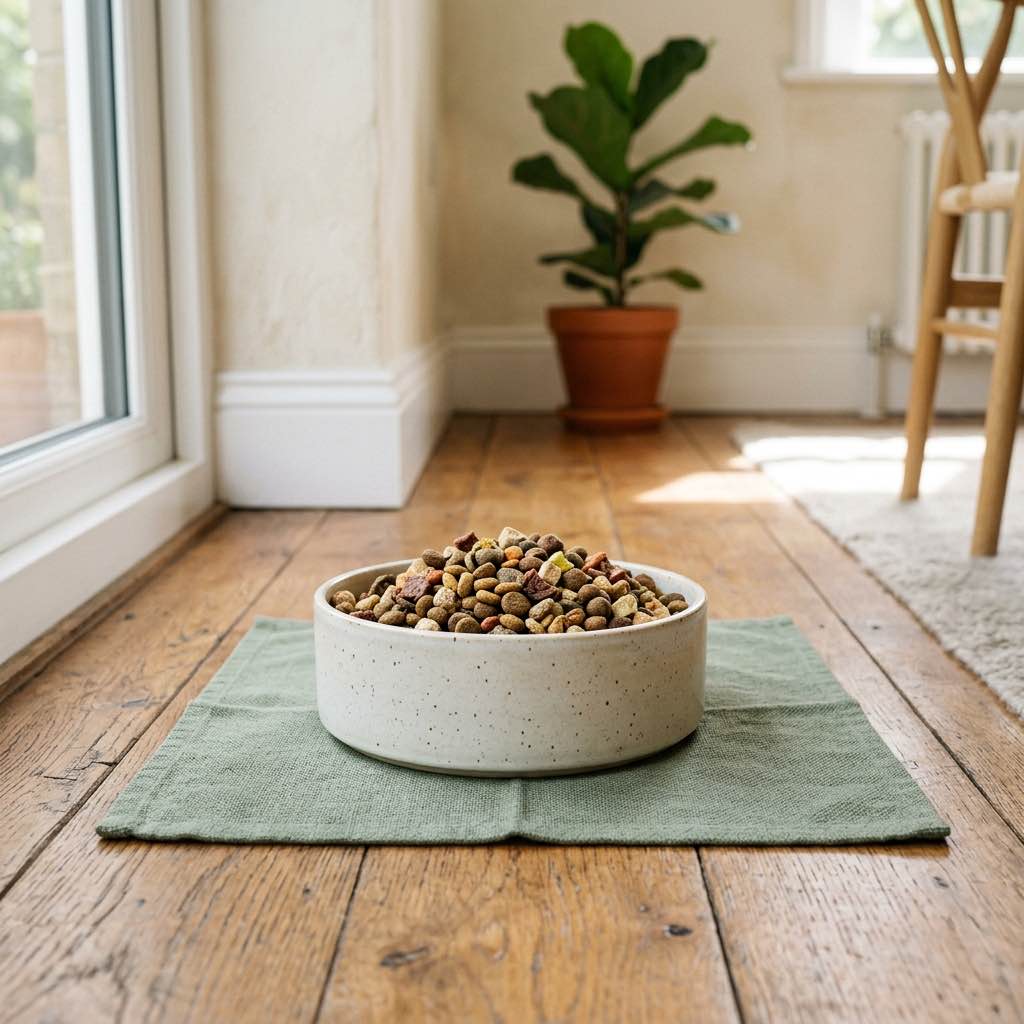
- Dry Food (Kibble): Still the most popular choice due to its convenience, cost-effectiveness, and long shelf life. The quality range is vast, from budget supermarket brands to premium, scientifically formulated options.
- Wet Food: Available in cans, pouches, and trays, wet food offers high moisture content and palatability, often used as a standalone meal or a kibble topper.
- Raw Food: A growing segment, with many dedicated NZ raw food suppliers offering commercially prepared frozen raw meals. This area requires careful consideration regarding safety and nutritional balance.
- Fresh/Lightly Cooked Food: A newer trend, often delivered frozen or chilled, offering human-grade ingredients that are gently cooked.
- Home-Cooked Diets: Prepared by owners at home, these require significant knowledge and commitment to ensure nutritional completeness, a point veterinary nutritionists consistently emphasise.
Many international brands are well-established here, but there's also a fantastic array of homegrown NZ brands utilising our high-quality local ingredients, often focusing on lamb, beef, venison, and fish. The market also reflects a growing interest in specialty diets, such as grain-free, limited ingredient, and those tailored for specific health conditions like joint support or sensitive stomachs.
Dry Food (Kibble): Pros, Cons & What to Look For
Dry kibble remains the backbone of many Kiwi dogs' diets, and for good reason. However, not all kibble is created equal.
Pros of Dry Food:
- Convenience: Easy to store, measure, and serve. Its long shelf life makes it practical for busy households.
- Cost-Effective: Generally the most economical option, especially for larger dogs.
- Dental Health: Standard kibble offers only *minimal* dental benefit — ordinary biscuits tend to shatter on contact rather than scrape the tooth surface. A genuine cleaning effect comes only from diets specifically engineered for dental health (larger, fibre-aligned kibble, sometimes with added polyphosphates), ideally products carrying the VOHC (Veterinary Oral Health Council) seal. None of this replaces tooth brushing and regular veterinary dental care.
- Complete Nutrition: Reputable dry foods are formulated to be nutritionally complete and balanced, providing all the vitamins, minerals, proteins, and fats your dog needs.
- Enrichment Opportunities: Great for use in puzzle feeders and slow-feeder bowls, which can provide mental stimulation and slow down speedy eaters.
Cons of Dry Food:
- Lower Moisture Content: Dogs eating only dry food need to drink more water to stay adequately hydrated.
- Processing: Kibble undergoes significant processing (extrusion) at high temperatures, which can sometimes reduce the bioavailability of certain nutrients.
- Palatability: Some dogs can be fussy with dry food, especially if it lacks strong aromas or textures.
- Ingredient Quality Variation: As mentioned, the quality spectrum is huge. Cheaper brands might rely on fillers and less digestible protein sources.
What to Look For in Quality Kibble:
When you're standing in the pet food aisle at PetMall or your local supermarket, here's what to consider:
- AAFCO Statement: While AAFCO (Association of American Feed Control Officials) is a US-based organisation, many premium brands sold in NZ adhere to their nutritional guidelines. Look for a statement like "Formulated to meet the nutritional levels established by the AAFCO Dog Food Nutrient Profiles for [life stage]". This indicates the food is complete and balanced.
- Named Protein Source: The first ingredient should be a high-quality, named animal protein source, e.g., "Chicken meal," "Lamb," "Salmon." "Meat by-products" or "meat meal" can be acceptable if from a reputable brand, but "chicken" or "lamb" specifically is often preferred.
- Whole Grains or Complex Carbohydrates: Ingredients like brown rice, oats, barley, sweet potato, or peas provide essential energy and fibre. Don't be afraid of grains unless your vet has diagnosed a specific allergy. The "grain-free" trend has been linked by some studies (primarily US-based, but worth noting) to a potential increased risk of Dilated Cardiomyopathy (DCM) in some dogs, so discuss this with your vet if you're considering a grain-free diet.
- Healthy Fats: Look for sources like chicken fat, salmon oil, flaxseed, or sunflower oil, which provide essential fatty acids for skin, coat, and overall health. Omega-3s (EPA and DHA) are particularly beneficial.
- Fruits, Vegetables & Botanicals: Ingredients like carrots, spinach, apples, blueberries, and cranberries provide natural vitamins, minerals, and antioxidants.
- Prebiotics and Probiotics: Ingredients like chicory root, FOS (fructooligosaccharides), and specific probiotic strains can support gut health.
- Avoid Unnecessary Additives: Steer clear of artificial colours, flavours, and excessive chemical preservatives (more on this later).
Wet Food: When It Makes Sense
Wet dog food, often seen in cans or pouches, offers a different set of benefits and drawbacks compared to dry kibble.
Pros of Wet Food:
- Hydration: Its high moisture content (typically 70-80%) is excellent for ensuring your dog stays well-hydrated, which is particularly beneficial for dogs prone to urinary tract issues or those who don't drink enough water.
- Palatability: The stronger aroma and softer texture of wet food make it highly appealing to picky eaters, senior dogs with dental issues, or dogs recovering from illness.
- Easier to Chew: Great for puppies, senior dogs, or those with dental problems that make chewing hard kibble difficult or painful.
- Weight Management: The higher moisture content can make dogs feel fuller on fewer calories, which can be useful for weight loss programmes, though careful calorie counting is still essential.
Cons of Wet Food:
- Cost: Generally more expensive per serving or per calorie than dry kibble, making it a more costly option for feeding exclusively.
- Shorter Shelf Life: Once opened, wet food needs to be refrigerated and consumed within a few days to prevent spoilage.
- Dental Health: Offers no mechanical tooth-cleaning effect — though in fairness, ordinary kibble offers very little either. Whichever you feed, tooth brushing and vet-recommended dental products (ideally VOHC-accepted) are what actually protect the teeth.
- Storage: Cans and pouches can be heavier and take up more storage space.
When to Consider Wet Food:
- Picky Eaters: Its high palatability can tempt even the fussiest of dogs.
- Senior Dogs: Easier to chew and digest, and the added moisture is beneficial.
- Dogs with Urinary Tract Issues: Increased hydration helps flush the urinary system.
- Dogs with Kidney Disease: Often recommended by vets due to higher moisture and sometimes lower protein/phosphorus levels (always follow vet-specific recommendations).
- Adding Variety/Topping: Many Kiwi owners use wet food as a delicious topper for dry kibble, enhancing the meal's appeal without fully committing to a wet-only diet.
Raw Feeding in NZ: Benefits, Biosecurity Risks & Sourcing
Raw feeding, often called BARF (Biologically Appropriate Raw Food) or PMR (Prey Model Raw), has gained significant traction in New Zealand. Proponents often cite perceived benefits, but it's crucial to understand the associated risks, particularly from an NZ veterinary perspective.
Perceived Benefits (often anecdotal):
- Shinier coats and healthier skin.
- Cleaner teeth (from chewing raw bones, though this carries its own risks).
- Higher energy levels and improved vitality.
- Smaller, less odorous stools.
- Improved digestion.
Biosecurity Risks (What NZ Vets Emphasise):
Mainstream veterinary guidance advises caution regarding raw meat diets due to significant health risks for both dogs and humans.
- Pathogen Contamination: Raw meat, even human-grade, can harbour harmful bacteria like *Salmonella, E. coli, Listeria*, and parasites. These can cause severe gastrointestinal illness in dogs and, more importantly, can be shed in their faeces, posing a serious risk to humans (especially children, the elderly, and immunocompromised individuals). This is a major public health concern in NZ.
- Cross-Contamination: Preparing raw food in your kitchen can easily lead to cross-contamination of surfaces, utensils, and other foods, increasing the risk of human illness.
- Nutritional Imbalances: Unless formulated by a qualified veterinary nutritionist, homemade raw diets are notoriously difficult to balance nutritionally. Deficiencies or excesses of essential vitamins and minerals can lead to serious long-term health problems. This is a common issue seen by NZ vets.
- Bone Hazards: Feeding raw bones carries risks of choking, fractured teeth, and internal obstructions or perforations, which can require emergency veterinary surgery.
- Antibiotic Resistance: The handling of raw meat can contribute to the spread of antibiotic-resistant bacteria.
Sourcing & Safe Handling in NZ:
If you choose to feed a raw diet, it is absolutely critical to prioritise safety and nutritional completeness.
- Commercially Prepared Raw Food: Opt for commercially prepared raw diets from reputable New Zealand manufacturers. These brands are generally formulated to be nutritionally complete and balanced, and often undergo testing for pathogens. Look for clear labelling regarding nutritional adequacy and handling instructions. Many NZ suppliers source high-quality local ingredients.
- MPI Regulations: Ensure any supplier adheres to the Ministry for Primary Industries (MPI) regulations for pet food safety.
- Strict Hygiene:
- Wash your hands thoroughly with soap and water after handling raw food.
- Clean and sanitise all surfaces, bowls, and utensils immediately after use.
- Store raw food separately from human food in the fridge and freezer.
- Thaw raw food in the refrigerator, not at room temperature.
- Do not leave raw food out at room temperature for extended periods.
- Dispose of faeces promptly and hygienically.
- Consult Your Vet: Before starting a raw diet, have a thorough discussion with your vet. They can help you assess the risks for your specific dog and household, and recommend reputable NZ brands or advise on proper supplementation if you're considering a homemade approach. Many vets in Aotearoa are understandably cautious about raw feeding due to the potential health risks they encounter.
Home-Cooked Diets: What NZ Vets Say
The idea of cooking fresh meals for your dog can be appealing, offering complete control over ingredients. However, most Kiwi vets approach home-cooked diets with significant caution.
Why vets are cautious:
The mainstream veterinary-nutrition position is clear: home-cooked diets are highly likely to be nutritionally incomplete or imbalanced unless formulated by a board-certified veterinary nutritionist.
- Risk of Imbalance: It's incredibly difficult for the average pet owner to create a diet that provides the correct balance of proteins, fats, carbohydrates, vitamins, and minerals for a dog's specific life stage and health needs. Even slight long-term imbalances can lead to serious health problems, such as bone deformities, organ damage, or metabolic diseases.
- Common Deficiencies: Vets frequently see deficiencies in calcium, phosphorus, trace minerals, and certain vitamins in dogs fed unsupplemented or poorly formulated home-cooked diets.
- Time and Cost: Properly formulating and preparing a home-cooked diet takes significant time, effort, and often ends up being more expensive than a high-quality commercial food, especially when you factor in the cost of supplements needed to ensure completeness.
If You're Considering a Home-Cooked Diet:
- Consult a Veterinary Nutritionist: This is the most crucial step. Seek out a qualified veterinary nutritionist (often found through university veterinary faculties or specialist referral centres) to formulate a specific recipe tailored to your dog's needs. This service will involve a fee, but it's an investment in your dog's long-term health.
- Follow Recipes Exactly: Do not deviate from a professionally formulated recipe. Ingredient amounts, cooking methods, and supplementation are all critical.
- Human-Grade Ingredients: Use high-quality, human-grade ingredients, ensuring safe handling and preparation to minimise foodborne illness risks for both you and your dog.
- Supplementation: A professionally formulated home-cooked diet will almost certainly require specific vitamin and mineral supplements to ensure it's complete and balanced. These are not optional.
- Ongoing Monitoring: Regular vet check-ups and potentially blood tests will be necessary to monitor your dog's nutritional status and adjust the diet as needed.
For most Kiwi pet owners, providing a high-quality, commercially prepared dog food that meets AAFCO standards is a far safer, more convenient, and often more nutritionally sound option than attempting a DIY home-cooked diet.
Reading the Label: Ingredients List Decoded
Understanding a dog food label is your superpower in making informed choices. Here’s how to decode what you’re reading:
- Ingredients List Order: Ingredients are listed in descending order by weight, *before* cooking. This means the first few ingredients make up the bulk of the food.
- Good Sign: A named animal protein (e.g., "Chicken," "Lamb meal," "Salmon") as the first ingredient or among the top two or three.
- Caution: If the first ingredient is a carbohydrate filler (e.g., "Corn," "Wheat") or a vague "Meat By-Product" without further specification from a reputable brand, it might indicate lower quality.
- Protein Sources:
- Whole Meats (e.g., Chicken, Lamb, Beef): These contain a lot of water weight. While excellent, they might drop lower on the list after processing.
- Meat Meals (e.g., Chicken Meal, Lamb Meal): These are concentrated forms of meat with most of the water removed, making them a very potent protein source. High-quality meat meals are excellent ingredients.
- By-Products (e.g., Chicken By-Product Meal): These include organs, bones, and other parts of the animal. While some by-products are highly nutritious (e.g., liver, heart), the term "by-product" can also include less desirable parts. Reputable brands will use high-quality, specified by-products.
- Carbohydrates: Provide energy and fibre.
- Good Sources: Brown rice, oats, barley, sweet potato, potato, peas, lentils.
- Fillers (often less desirable): Excessive amounts of corn, wheat, or soy as primary ingredients can be less digestible for some dogs and may indicate a lower-quality food, though some dogs tolerate them fine.
- Fats: Essential for energy, healthy skin, and coat.
- Good Sources: Chicken fat, salmon oil, flaxseed, sunflower oil. Look for sources of Omega-3 and Omega-6 fatty acids.
- Vitamins and Minerals: These are usually listed towards the end, often as a complex blend (e.g., "Vitamin E Supplement," "Zinc Proteinate").
- "Guaranteed Analysis": This box tells you the minimum percentages of crude protein and crude fat, and the maximum percentages of crude fibre and moisture.
- Crude Protein: Look for a minimum of 25-30% for puppies and active adults, 18-25% for less active adults.
- Crude Fat: 10-18% is typical.
- Crude Fibre: Usually 3-5%.
- Moisture: Typically around 10% for dry kibble.
- "Complete and Balanced" Statement: As mentioned, this is crucial. Look for a statement confirming the food meets AAFCO (or equivalent) nutritional profiles for a specific life stage (e.g., "all life stages," "growth," "adult maintenance"). If it doesn't have this, it's considered a treat or supplemental food, not a primary diet.
- Additives: Watch out for artificial colours, flavours, and preservatives (e.g., BHA, BHT, ethoxyquin). Natural preservatives like mixed tocopherols (Vitamin E) are preferable.
Life-Stage Feeding: Puppy to Adult to Senior
A dog's nutritional needs change significantly throughout their life. Feeding a diet appropriate for their life stage is fundamental to their health and well-being.
Puppy Food: The Building Blocks
- High Energy & Protein: Puppies are growing rapidly and have high energy demands. They need more protein and fat than adult dogs to support muscle and tissue development.
- Calcium & Phosphorus Balance: Crucial for bone development. Large and giant breed puppies require specific formulas with carefully controlled calcium and phosphorus levels to prevent rapid growth and associated skeletal problems (e.g., hip and elbow dysplasia).
- DHA: Docosahexaenoic acid (DHA), an omega-3 fatty acid, is important for brain and vision development.
- Transition: Puppies typically transition to adult food between 10-18 months, depending on breed size (smaller breeds mature faster).
Adult Dog Food: Maintenance & Activity
- Maintenance: Adult dog food is formulated to maintain a healthy weight and condition based on their activity level.
- Balanced Nutrition: Provides a balanced mix of protein, fat, carbohydrates, vitamins, and minerals for daily needs.
- Consider Activity Level: Highly active dogs (working dogs, sporting dogs) may need higher calorie and protein formulas than sedentary couch potatoes.
- Weight Management: If your dog is prone to weight gain, look for "light" or "weight control" formulas that are lower in calories and fat, but still nutritionally complete.
Senior Dog Food: Graceful Ageing
- Lower Calories: As dogs age, their metabolism often slows down, and activity levels decrease. Senior formulas typically have fewer calories to prevent weight gain, which can exacerbate joint problems.
- Joint Support: Many senior diets include ingredients like glucosamine and chondroitin to support joint health and mobility, which is particularly important for older Kiwi dogs enjoying their golden years.
- Easily Digestible Protein: Senior dogs can sometimes have reduced digestive efficiency, so easily digestible protein sources are beneficial.
- Fibre: Increased fibre can help with digestive regularity.
- Omega Fatty Acids: Continued support for skin, coat, and cognitive function.
- Dental Care: Softer kibble or wet food might be preferred if dental issues are present.
Special Dietary Needs:
Beyond life stages, some dogs require specific diets due to health conditions:
- Sensitive Stomachs/Allergies: Limited ingredient diets (LID) or novel protein diets can help identify and manage food sensitivities. Hydrolysed protein diets are also available through your vet.
- Weight Management: As mentioned, lower-calorie options are key.
- Dental Health: Specific dental kibbles are designed to mechanically clean teeth and reduce plaque.
- Mobility Support: Diets enriched with omega-3s, glucosamine, and chondroitin.
Always consult your vet if you suspect your dog has special dietary needs. They can help diagnose the issue and recommend the most appropriate therapeutic diet.
Top Ingredients to Avoid
Just as important as knowing what to look for, is knowing what to steer clear of. While some ingredients might not be outright toxic, they can be indicators of lower quality or potentially harmful in the long run.
- Artificial Colours, Flavours, and Preservatives:
- Colours: Dogs don't care about the colour of their food. Artificial colours (e.g., Red 40, Yellow 5, Blue 2) are added for human appeal and offer no nutritional benefit. They have been linked to hyperactivity and other issues in some studies.
- Flavours: Artificial flavours are unnecessary when real, quality ingredients are used.
- Preservatives: Look out for BHA (Butylated Hydroxyanisole), BHT (Butylated Hydroxytoluene), and Ethoxyquin. These synthetic preservatives are controversial and some studies suggest potential health concerns. Opt for foods preserved naturally with mixed tocopherols (Vitamin E), ascorbic acid (Vitamin C), or rosemary extract.
- Generic "Meat By-Products" or "Animal Fat": While specific, high-quality by-products can be nutritious, vague terms like "meat by-products" or "animal fat" without specifying the animal source can indicate an inconsistent or lower-quality ingredient. Reputable brands will always specify the source (e.g., "chicken by-product meal," "beef fat").
- Excessive Fillers with Low Nutritional Value: Ingredients like corn gluten meal, soy meal, or unnamed grain fragments used as primary protein or carbohydrate sources can be less digestible and offer fewer nutrients than whole grains or quality protein sources. While not inherently bad, if they dominate the ingredient list, it might be a sign of a less nutrient-dense food.
- Added Sugars and Excessive Salt: Dogs don't need added sugar. It offers no nutritional value and can contribute to weight gain and dental problems. While a small amount of salt is essential, excessive amounts are unnecessary and can be harmful.
- Propylene Glycol: This is a humectant used to keep some semi-moist foods soft. While approved for use in dog food, it's often avoided by pet owners looking for more natural options.
- "Grain-Free" as a Blanket Recommendation: As mentioned earlier, while necessary for dogs with diagnosed grain allergies, the widespread trend of "grain-free" diets has raised concerns among veterinary cardiologists about a potential link to Dilated Cardiomyopathy (DCM) in some dogs. This is an ongoing area of research, and the standard advice is to discuss grain-free options with your vet. Unless there's a medical reason, grains are a healthy part of a balanced diet for most dogs.
Always read labels carefully and choose brands that are transparent about their ingredients and sourcing. If you're unsure about an ingredient, your vet is the best person to ask.
NZD Cost Comparison: Budget vs Mid vs Premium
When considering dog food, price is often a significant factor for Kiwi families. It's important to remember that the cheapest option isn't always the most economical in the long run if it leads to health issues. Conversely, the most expensive isn't always necessary. Here's a realistic comparison of daily costs for an average 20kg adult dog in 2026, considering different food types and quality levels.
| Category | Type of Food | Typical Daily Cost (2026, 20kg dog) | Pros | Cons |
|---|---|---|---|---|
| Budget | Dry Kibble | $0.80 - $1.50 | Very affordable, widely available at supermarkets, long shelf life. | Lower quality ingredients, often more fillers, less digestible, can lead to larger stools or skin issues. |
| Wet Food | $2.00 - $3.50 | More palatable than budget kibble, good for picky eaters. | Still lower quality ingredients, higher cost per calorie, short shelf life once opened. | |
| Mid-Range | Dry Kibble | $1.50 - $3.00 | Better quality ingredients, good protein sources, some specific formulas (e.g., breed-specific). | Can still contain some less ideal ingredients, not always tailored to specific health issues, widely available at pet stores like PetMall. |
| Wet Food | $3.50 - $5.00 | Higher meat content, better palatability and hydration than budget wet food. | Higher cost, can be less nutritionally dense than mid-range kibble, less dental benefit. | |
| Premium | Dry Kibble | $3.00 - $6.00+ | High-quality, often single-source proteins, specific life-stage/health formulas, good digestibility, often NZ-made with local ingredients. | Higher upfront cost, but often better value per meal due to higher nutrient density and smaller feeding portions. |
| Wet Food | $5.00 - $8.00+ | Excellent palatability, high meat content, often limited ingredients for sensitivities, superior hydration. | Very high cost, often used as a topper rather than a full diet due to expense, minimal dental benefits. | |
| Raw | Commercial Raw (NZ) | $4.00 - $10.00+ | Perceived benefits (coat, digestion), high palatability, often uses NZ meat. | Highest cost, biosecurity risks if not handled correctly, requires careful storage, not vet-recommended without specific safeguards. |
| Home-Cooked | Vet-Formulated | $5.00 - $12.00+ | Customisable, fresh ingredients, full control over food source. | Very high time commitment, requires professional formulation, high risk of imbalance if DIY, high ongoing ingredient and supplement costs. |
*Note: These are estimated daily costs for a 20kg adult dog, based on typical feeding guidelines and average 2026 NZD pricing. Actual costs will vary depending on specific brands, dog's activity level, and where you purchase your food.*
Investing in a higher-quality food, even if the bag costs more, can sometimes mean feeding smaller portions due to higher nutrient density. This can also lead to fewer vet visits for diet-related issues, better coat condition, and overall better health, potentially saving you money in the long run.
Ultimately, the "best" dog food for your Kiwi companion is one that meets their individual nutritional needs, fits your budget, and that they enthusiastically eat and thrive on. Always observe your dog's energy levels, coat condition, stool quality, and overall behaviour as indicators of whether their diet is working for them.
If you're ever in doubt, the best advice you can get is always from your local New Zealand veterinarian. They know your dog's health history and can provide tailored recommendations to ensure your best mate gets the best start and continued health through proper nutrition.
Sources
- WSAVA Global Nutrition Committee — Global Nutrition Guidelines
- WSAVA Global Nutrition Committee — Selecting a pet food for your pet (PDF): the questions to ask a manufacturer
- Merck Veterinary Manual — Nutritional Requirements of Small Animals
- AAFCO — Understanding Pet Food: what nutritional adequacy statements and ingredient lists actually mean
Free PetMall tools
Related guides
petmall.co.nz
Shop at PetMall
The products below are practical support items for your pet. PetMall ships across New Zealand.
- Dog FoodStart with food that matches your dog's life stage and activity level — and change brands slowly over 7–10 days.
- Dog TreatsTraining rewards and everyday treats — small, soft pieces work best for consistent reinforcement.
- Dog ToysA small rotation of chew, fetch, and puzzle toys usually works better than buying a large variety at once.
- Dog GroomingA gentle brush and the right shampoo make maintenance easier — especially for dogs that get muddy on walks.
- Leads & HarnessesComfort matters: padded contact points and adjustable fit help reduce rubbing on longer walks or tramping weekends.
- Flea & Worm TreatmentFor NZ conditions, look for protection that fits your routine (monthly vs longer-lasting) and your dog's weight range.