Best Dog Breeds for Wellington: Wind, Hills & Coastal Lifestyle
Wellington's hills, wind, and compact urban lifestyle call for specific dog traits. Learn which breeds fit Welly homes best.
Kia ora, fellow dog lovers! Thinking of adding a furry companion to your life in Aotearoa's vibrant capital, Wellington? You've picked a fantastic city, but one with its own unique quirks that make certain dog breeds a better fit than others. As expert pet care writers for wiki.petmall.co.nz, we're here to help you navigate the blustery, hilly, and undeniably beautiful landscape of Wellington to find your perfect canine mate.
Wellington isn't just any city; it's a place where the wind is a constant companion, hills offer stunning views (and challenging walks!), and the coast is never far away. Choosing a dog here means considering how they'll cope with everything from compact apartment living to rugged outdoor adventures. This guide is packed with practical, Kiwi-specific advice to help you make an informed decision for your family and your future best friend.
What Makes Wellington Different for Dog Owners
Wellington, affectionately known as "Windy Welly," presents a distinct environment for dog owners. It's a city of contrasts: bustling urban centres nestled against dramatic hills, stunning coastal paths, and a strong community spirit. Here’s what sets it apart:
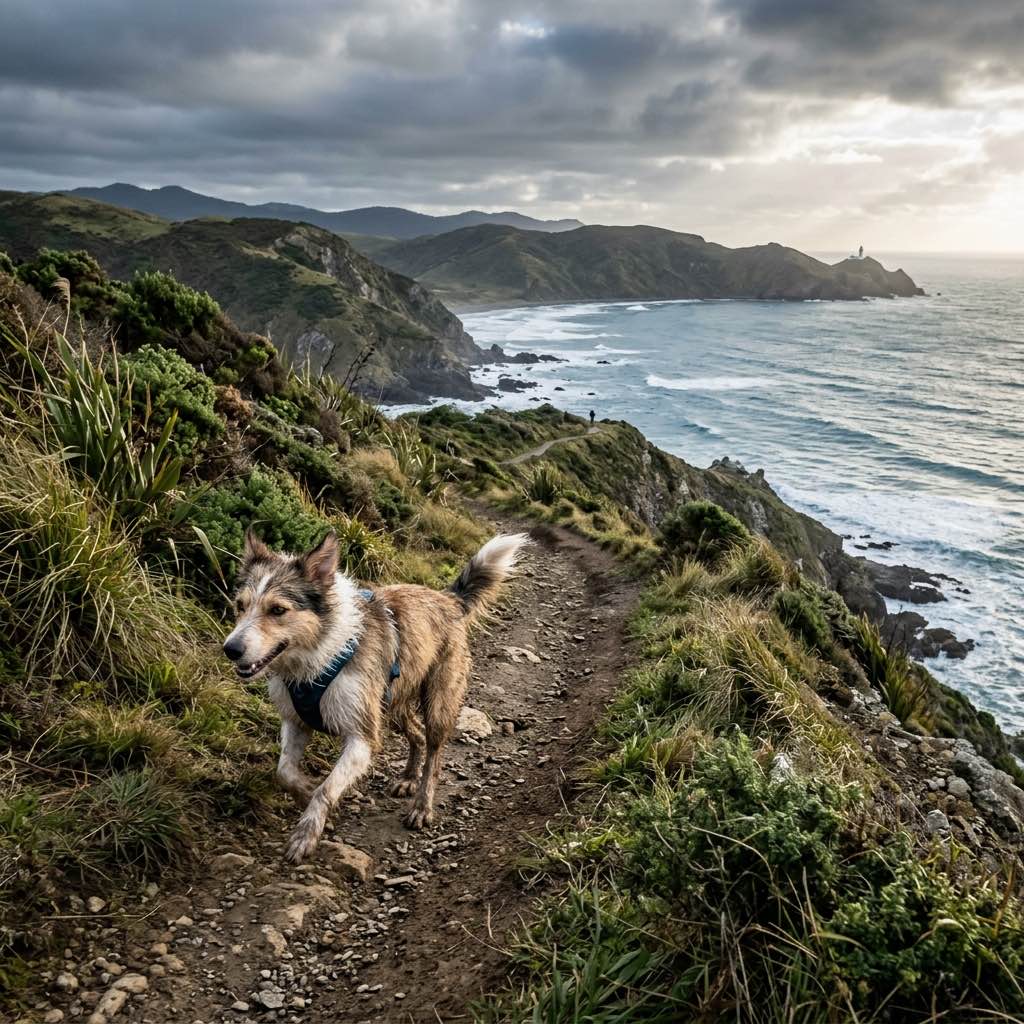
- The Wind Factor: Let's be honest, the wind is Wellington's defining characteristic. While invigorating for us, it can be a challenge for some dogs. Think about breeds with thinner coats, or those easily spooked by sudden gusts. Regular walks need to be enjoyable, not a battle against the elements. A sturdy, comfortable harness from PetMall (like those found in our Dog Collars, Leads & Harnesses collection) is essential for secure walks on blustery days.
- Hilly Terrain: Wellington is built on hills, offering incredible views but also demanding walks. Your dog needs to be capable of navigating steep paths, whether you're climbing Mount Victoria or exploring the Town Belt. This means considering a dog's joint health, stamina, and overall physical condition.
- Coastal Lifestyle: With beaches like Lyall Bay, Island Bay, and Scorching Bay, Wellington offers fantastic opportunities for coastal walks and water play. Dogs that enjoy swimming or a good run along the sand will thrive here. However, consider breeds prone to skin issues from saltwater or those that struggle with sand in their coats.
- Compact Living: A significant portion of Wellingtonians live in apartments, townhouses, or smaller homes. Space is often at a premium, making a dog's size, energy levels, and vocal tendencies crucial considerations. A dog that can relax indoors and doesn't require vast amounts of space to roam will be happier.
- Vibrant City Life: Wellington is a busy, often bustling city. Your dog will encounter people, other dogs, traffic noise, and various urban stimuli. Early socialisation and training are paramount for any dog living in this environment, regardless of breed.
- Weather Variability: Beyond the wind, Wellington experiences its fair share of rain and cooler temperatures, even in summer. Breeds that can handle a bit of drizzle or have a coat that offers some protection will generally be more comfortable and require less fuss.
Understanding these unique aspects of Wellington will help you select a breed that not only survives but truly thrives in your Kiwi lifestyle.
Best Breeds for Wellington Apartments & Townhouses
Living in a smaller space doesn't mean you can't have a dog! Many breeds are perfectly suited to apartment or townhouse living, provided they receive adequate exercise and mental stimulation. Key characteristics for these breeds include: moderate size, lower-to-moderate exercise needs, adaptable temperament, and generally quieter behaviour.
Here are some top picks for Wellington's compact homes:
- Cavalier King Charles Spaniel: These gentle, affectionate little dogs are renowned for their adaptability. They love being with their people and are generally happy with a couple of moderate walks a day around the neighbourhood or a local park. Their small size and relatively low exercise demands make them ideal for apartments. They thrive on companionship, so they're best suited to homes where they won't be left alone for long periods.
- French Bulldog: Frenchies are compact, charming, and typically quite happy to chill out indoors after a brisk walk. They don't need vast amounts of exercise and their short coats are easy to maintain. However, their brachycephalic (flat) faces mean they can struggle in extreme heat or during strenuous exercise, so careful monitoring on sunny Wellington days is a must. They're generally quiet and good-natured, making them excellent neighbours.
- Miniature Schnauzer: Intelligent, spirited, and relatively small, Miniature Schnauzers are robust little dogs. They are keen learners and can excel in training, which is great for city living. They do need regular exercise and mental stimulation, but their compact size means they're comfortable in smaller homes. Their wiry coats require regular grooming (stripping or clipping) to prevent matting and keep them tidy.
- Pug: Pugs are known for their charming, clown-like personalities and their love for a good nap. They are small, don't require much exercise, and are generally very affectionate. Like French Bulldogs, their flat faces mean they need careful management in warm weather and shouldn't be over-exercised. They are excellent companions for those seeking a low-maintenance, loving lapdog.
- Bichon Frise: These fluffy, cheerful dogs are small, don't shed much (making them potentially suitable for allergy sufferers, though no dog is truly hypoallergenic), and are generally happy with indoor play and short daily walks. They are intelligent and enjoy learning tricks. Their beautiful white coats do require regular grooming to prevent matting, which is something to factor into your budget.
- Boston Terrier: Often called "the American Gentleman" due to their tuxedo-like markings, Boston Terriers are lively, intelligent, and compact. They are generally good-natured and don't require excessive exercise, making them suitable for apartment life. Like other brachycephalic breeds, they need monitoring in hot weather. They are eager to please and respond well to training.
For any apartment dog, proper training and socialisation from a young age are crucial. Teaching them to be quiet, to potty outside, and to be comfortable with various sights and sounds will make life easier for everyone. Don't forget a comfy dog bed from PetMall's Dog Beds & Houses collection for their indoor relaxation!
Best Breeds for Active Wellington Owners
If your ideal weekend involves tramping the Remutakas, running along Lyall Bay, or exploring the many trails around Wellington, you'll want a dog that can keep up! Active Wellingtonians need a canine companion with stamina, enthusiasm for the outdoors, and a robust constitution.
Here are some breeds that thrive with active lifestyles:
- Border Collie: The quintessential working dog, Border Collies are incredibly intelligent, energetic, and excel at almost any dog sport or activity you can throw at them. They thrive on having a "job" to do, whether it's agility, frisbee, or long hikes. Their intelligence means they need significant mental stimulation as well as physical exercise. They're perfect for owners committed to daily, challenging activities.
- Labrador Retriever: One of NZ's most popular breeds, Labradors are friendly, outgoing, and possess boundless energy, especially as youngsters. They adore water and are fantastic companions for beach trips, swimming, and long walks. Their robust build and double coat make them well-suited to Wellington's changeable weather. They are highly trainable and generally good-natured, making them excellent family dogs for active households.
- Golden Retriever: Similar to Labradors in temperament, Golden Retrievers are also active, intelligent, and eager to please. They have a beautiful flowing coat that requires regular grooming, especially after muddy or sandy adventures. Goldens love to retrieve (hence the name!) and enjoy swimming, long walks, and outdoor play. They are wonderful family dogs for those who can provide ample exercise and mental engagement.
- Springer Spaniel: Merry and energetic, Springer Spaniels are fantastic companions for active owners. They are agile, love to explore, and have a strong desire to please. They excel at activities like fetch, running, and scent work. Their medium length coat provides some protection against the elements but does require regular brushing to prevent tangles, especially after a dip in the sea.
- Vizsla: For those who love a sleek, athletic companion, the Vizsla is an outstanding choice. These Hungarian hunting dogs are known for their high energy levels, intelligence, and affectionate nature. They are often described as "Velcro dogs" due to their strong bond with their owners. Vizslas need a lot of exercise and mental stimulation, making them ideal for runners, hikers, and those involved in dog sports. Their short coat offers less protection from the cold, so a dog coat might be necessary on colder Wellington days.
- German Shorthaired Pointer (GSP): GSPs are another high-energy, athletic breed perfect for owners who love to be outdoors. They are intelligent, versatile, and excel at running, swimming, and exploring. They possess a strong prey drive, so consistent recall training is essential, especially in areas with wildlife. Their short, dense coat is relatively easy to care for and offers good weather protection.
- Jack Russell Terrier: Don't let their small size fool you; Jack Russells are bundles of energy! These tenacious, intelligent terriers need a surprising amount of exercise and mental stimulation to prevent boredom. They are fearless and love to explore, making them great companions for active owners who appreciate a smaller, feisty dog. They are robust and handle Wellington's weather well.
Remember, an active dog that doesn't get enough exercise can become bored, destructive, or develop behavioural issues. If you're considering one of these breeds, be honest about your ability to commit to their significant exercise needs every single day.
Breeds That Handle Wind & Rain Well
Wellington's weather is infamous. While a sunny, calm day is a true joy, it's just as common to encounter a blustery, rainy one. Some dogs are naturally better equipped to handle these conditions, either due to their coat type, build, or general resilience.
Here are some breeds that typically cope well with Wellington's wind and rain:
- Labrador Retriever & Golden Retriever: Their dense, water-resistant double coats are designed to protect them from cold water and weather. They often seem to revel in a bit of rain or a splash in the sea. Regular brushing helps maintain their coat's protective qualities.
- Border Collie: With their medium-length double coat, Border Collies are well-insulated and can handle cooler, wetter conditions. Their energy levels mean they're often keen to be out and about regardless of the weather, provided they're kept moving.
- Siberian Husky & Samoyed: While requiring significant exercise and mental stimulation, these northern breeds are built for cold and wind. Their thick double coats provide excellent insulation. However, they can be prone to overheating in warmer weather, and their strong prey drive means they need secure containment and excellent recall training. They are stunning, but a big commitment for a Wellington home.
- Portuguese Water Dog: As their name suggests, these dogs are built for the water. They have a single, non-shedding coat (similar to wool) that is water-resistant and provides good insulation. They are robust, energetic, and love to swim, making them great for Wellington's coastal environment. Their coat does require regular professional grooming or home clipping.
- Wire-Haired Breeds (e.g., Airedale Terrier, Wire Fox Terrier, many Schnauzers): The coarse, dense, wiry outer coat of these breeds acts like a protective armour, shedding water and dirt effectively. This makes them relatively low-maintenance in terms of getting wet and muddy, though the coats do require regular stripping or clipping to maintain their texture and protective qualities. They are generally robust and enjoy being outdoors.
- Newfoundland: While a very large breed (and thus not for every Wellington home), Newfoundlands are the ultimate water dogs. Their thick, oily double coat is incredibly water-resistant and insulating, making them impervious to cold water and blustery conditions. They are gentle giants but require significant space and exercise.
- Standard Poodle: Often misunderstood, the Poodle is a robust, athletic, and highly intelligent dog. Their dense, curly, non-shedding coat provides good insulation and dries relatively quickly. They are excellent swimmers and enjoy outdoor activities, making them surprisingly well-suited to Wellington's conditions, provided their coat is kept clipped to a manageable length.
For any dog spending time outdoors in wet or windy weather, ensure they have a warm, dry place to rest afterwards. A waterproof dog coat can also be a game-changer for shorter-coated breeds or older dogs, keeping them comfortable on those truly miserable Wellington days. Check out PetMall for a range of weather-ready dog accessories!
Breeds to Avoid in Wellington (or Consider Carefully)
While every dog is an individual, some breeds face inherent challenges in Wellington's specific environment. This isn't to say these dogs can't be happy here, but rather that potential owners need to be extra prepared for the specific needs and difficulties they might encounter.
Here are some breeds to approach with caution or avoid if you're not fully prepared for their unique requirements in Wellington:
- Brachycephalic (Flat-Faced) Breeds for Extreme Activity: While French Bulldogs and Pugs can do well in apartments with managed exercise, breeds like the Bulldog or Pekingese can struggle significantly with Wellington's hills and brisk winds, especially during exercise. Their breathing difficulties are exacerbated by exertion and temperature extremes, making strenuous outdoor activities risky. If you're an active owner, these breeds are generally not a good fit.
- Very Thin-Coated Breeds: Dogs with very short, fine coats offer little protection against Wellington's often cold and windy conditions. Breeds like Greyhounds (especially retired racers), Whippets, or Chihuahuas can get cold very quickly. While a good quality dog coat (available at PetMall) can help immensely, owners must be diligent about providing warmth and limiting exposure on harsh days. For Greyhounds, the sheer speed and prey drive also mean ensuring secure off-leash areas is paramount.
- Breeds Requiring Extensive, Delicate Grooming in Wet Conditions: While any long-haired dog requires grooming, breeds with very long, flowing, or silky coats like the Afghan Hound or Maltese (if exposed to the elements frequently) can become matted, dirty, and uncomfortable very quickly in Wellington's wet and windy weather. The constant battle against mud, rain, and tangles can be a full-time job, requiring significant commitment to grooming time and cost.
- Giant Breeds in Small Apartments without Sufficient Outdoor Space: While a Great Dane or Irish Wolfhound can be surprisingly calm indoors, they still need space to stretch out and move around comfortably. If you live in a tiny apartment with no private outdoor space and limited access to large off-leash areas, these breeds might not thrive. The logistics of exercising a giant dog in a dense urban environment can also be challenging.
- Breeds Prone to Anxiety or Noise Sensitivity: Wellington is a vibrant, often noisy city. Dogs prone to anxiety, fear of loud noises (e.g., fireworks, traffic, construction), or separation anxiety might struggle with urban living. While training can help, some breeds are naturally more sensitive. Discuss any concerns with a reputable breeder or your vet.
- Breeds with Extremely High Exercise Needs AND Destructive Tendencies if Bored, without Ample Space: While breeds like the **Belgian Malinois** are incredibly intelligent and capable, their intense exercise and mental stimulation requirements, combined with a potential for destructive behaviour if under-stimulated, can be overwhelming for a typical Wellington city dweller, especially in smaller homes. These dogs truly need a "job" and experienced handlers.
Ultimately, choosing a dog is a deeply personal decision. Research, speaking with breeders, rescue organisations (like the SPCA or breed-specific rescues), and your vet, along with honest self-assessment of your lifestyle, are key.
Wellington Dog Registration & Off-Leash Areas
Being a responsible dog owner in Wellington, and indeed anywhere in NZ, involves understanding and adhering to local regulations.
Dog Registration in Wellington
- Mandatory Registration: All dogs over three months old in New Zealand must be registered with their local council annually. In Wellington, this is handled by the Wellington City Council.
- Annual Fees: Registration fees vary by council and are typically due around July each year. The Wellington City Council offers reduced fees for desexed dogs, responsible dog owners, and assistance dogs. For example, in 2026, you might expect standard registration to be around $120 - $180 NZD, with desexed dogs costing significantly less, perhaps $60 - $100 NZD. These fees contribute to animal management services, dog parks, and public safety.
- Microchipping: All dogs registering for the first time in NZ must be microchipped. This is a quick, relatively painless procedure done by your vet and helps ensure your dog can be identified and returned to you if lost. The cost for microchipping is typically $50 - $90 NZD.
- Desexing: While not legally mandatory, desexing your dog is highly recommended by vets and animal welfare organisations like the SPCA. It offers numerous health and behavioural benefits (reducing roaming, aggression, and certain cancers) and, as mentioned, often qualifies you for a reduced registration fee. The cost of desexing varies by dog size and gender but typically ranges from $300 - $800 NZD in 2026.
- Council Bylaws: Familiarise yourself with the Wellington City Council's Dog Control Bylaw, which outlines rules around leash control, prohibited areas, and nuisance behaviours. You can find this information on the council's website.
Off-Leash Areas in Wellington
Wellington boasts a fantastic network of dog-friendly spaces, including designated off-leash areas where your dog can run, play, and socialise freely. However, it's crucial to know the rules:
- Check Signage: Always look for signage in parks and reserves. These signs clearly indicate whether an area is off-leash, on-leash, or prohibited for dogs. Council websites provide detailed maps of dog access areas.
- Control is Key: Even in off-leash areas, your dog must be under effective control. This means they must respond immediately to your commands, not bother other people or dogs, and not chase wildlife. If your dog doesn't have reliable recall, keep them on a long lead for their safety and the safety of others.
- Popular Off-Leash Spots: Some well-known off-leash areas in Wellington include parts of the Town Belt, Shorland Park in Island Bay, the Miramar Peninsula (specific sections), and various local parks. These are great places for your dog to burn off energy and socialise.
- Pick Up Poop: This is non-negotiable. Always carry poop bags and dispose of waste responsibly. Dog waste left behind is not only unsightly but also a health hazard.
- Respect Wildlife: Wellington is home to native birds and other wildlife. Always keep your dog away from nesting areas, penguin colonies, and other sensitive ecological zones.
- Leash Your Dog in On-Leash Areas: It's a simple rule but vital for safety and courtesy. Not everyone is comfortable with dogs, and some dogs may be reactive. Always respect the rules of the space you're in.
General Costs of Dog Ownership (2026 Estimates in NZD)
Beyond the initial purchase or adoption fee, owning a dog involves ongoing financial commitment. Here’s a rough breakdown:
| Item | Estimated Annual Cost (NZD) | Notes |
|---|---|---|
| Initial Costs (First Year Only) | ||
| Puppy/Dog Purchase/Adoption | $500 - $4,500+ | Adoption fees are usually lower ($500-$1,000 for SPCA/rescues, includes desexing/vaccinations). Pedigree puppies from reputable breeders can range from $2,000 - $4,500+. |
| Starter Gear | $200 - $500 | Collar, lead, harness, food bowls, initial toys, grooming tools, crate/bed. (Check out PetMall's Dog Collars, Leads & Harnesses and Dog Beds & Houses for these essentials!) |
| Desexing | $300 - $800 | Varies by size/gender/vet clinic. Often included in adoption fees. |
| Microchipping | $50 - $90 | Often done at the same time as desexing or initial vet visit. |
| Vaccinations (Initial Course) | $150 - $250 | For puppies, typically 2-3 sets. |
| Ongoing Annual Costs | ||
| Food | $960 - $2,400+ | Varies greatly by dog size, breed, activity level, and food quality ($80-$200+ per month). |
| Vet Check-ups & Annual Boosters | $180 - $350 | Annual health check, booster vaccinations. Excludes unexpected illness/injury. |
| Parasite Control | $200 - $400 | Regular flea, tick, and worm treatments. Your vet can recommend the best programme for your dog. |
| Grooming | $0 - $1,800+ | Depends on breed. Short-haired dogs might need occasional home brushing. Long/curly-haired breeds can cost $70-$150+ per session, 4-12 times a year. |
| Dog Registration (Wellington) | $60 - $180 | Reduced fees for desexed dogs. |
| Toys & Treats | $100 - $300 | Ongoing mental stimulation and rewards. |
| Pet Insurance (Optional but Recommended) | $360 - $960+ | $30-$80+ per month. Covers unexpected vet bills for illness or injury, providing peace of mind. Highly recommended in NZ. |
| Training Classes | $200 - $500 (per course) | Especially for puppies or dogs with behavioural challenges. Highly recommended for all dogs. |
| Dog Walker/Daycare (If Needed) | $1,500 - $5,000+ | If you work long hours or travel. Daily walks can be $30-$50, daycare $40-$60 per day. |
| Total Annual Ongoing | $2,000 - $5,000+ | This is a broad estimate. Your costs will vary significantly based on your dog's size, health, breed, and your lifestyle. Always budget for emergencies! |
Remember, adopting a dog is a long-term commitment. Ensure you're prepared for the financial responsibilities, as well as the time and love required, to give your furry friend the best possible life in Wellington. Your local vet, the SPCA, and the NZVA (New Zealand Veterinary Association) are excellent resources for any questions about pet health and welfare.
Choosing the right dog for your Wellington lifestyle is about finding a balance between your preferences and the dog's inherent needs. With careful consideration, you'll find a loyal companion to share all the adventures that Windy Welly has to offer!
Sources
- Wellington City Council, Dog Registration Fees and Process, checked 2026-07-21: https://wellington.govt.nz/dogs-and-other-animals/dogs/register-your-dog
- Wellington City Council, Dog Control Bylaws and Policies in Wellington City, checked 2026-07-21: https://wellington.govt.nz/dogs-and-other-animals/dogs/policies-bylaws-and-dog-control-reports/policies-and-bylaws
- SPCA New Zealand, The Benefits of Microchipping Your Companion Animal, checked 2026-07-21: https://www.spca.nz/advice-and-welfare/article/the-benefits-of-microchipping-your-pet
Shop Related Products at PetMall
Looking for the products mentioned in this guide? PetMall ships across New Zealand with fast delivery.
Free PetMall tools
Related guides
petmall.co.nz
Shop at PetMall
The products below are practical support items for your pet. PetMall ships across New Zealand.
- Dog FoodStart with food that matches your dog's life stage and activity level — and change brands slowly over 7–10 days.
- Dog TreatsTraining rewards and everyday treats — small, soft pieces work best for consistent reinforcement.
- Dog ToysA small rotation of chew, fetch, and puzzle toys usually works better than buying a large variety at once.
- Dog GroomingA gentle brush and the right shampoo make maintenance easier — especially for dogs that get muddy on walks.
- Leads & HarnessesComfort matters: padded contact points and adjustable fit help reduce rubbing on longer walks or tramping weekends.
- Flea & Worm TreatmentFor NZ conditions, look for protection that fits your routine (monthly vs longer-lasting) and your dog's weight range.