Best Cat Food NZ: Wet vs Dry & How to Keep Your Cat Hydrated (2026)
Cats are obligate carnivores and notoriously poor water drinkers. This NZ guide breaks down wet vs dry food, quality formulas, and hydration strategies.
Kia ora, fellow Kiwi cat lovers! If you’re anything like us at wiki.petmall.co.nz, your cat isn't just a pet; they’re a cherished member of the whānau. And just like any family member, their health and happiness largely depend on what’s on their plate. Navigating the world of cat food can feel a bit like trying to herd cats – confusing and a little overwhelming!
Here in Aotearoa, we're lucky to have access to a wide range of quality cat foods, but knowing which one is best for your feline friend, whether it's wet, dry, or a clever combination, is key. This comprehensive guide, crafted by our expert team, will arm you with the knowledge to make informed decisions about your cat's diet, focusing on their unique nutritional needs, the pros and cons of different food types, and crucial hydration strategies. We'll also dive into NZ-specific pricing and what you can expect in 2026.
Let's get those whiskers twitching with excitement for a healthier, happier cat!
Cat Nutritional Needs: Protein, Taurine & Moisture
Cats are obligate carnivores, which means their bodies are specifically designed to thrive on a diet primarily consisting of animal-derived protein. Unlike us humans or even dogs, cats cannot synthesise certain essential nutrients from plant-based sources. Understanding these fundamental requirements is the first step to choosing the best food for your furry companion.
Protein Powerhouse: The cornerstone of a cat's diet is high-quality animal protein. This isn't just about muscle growth; protein provides essential amino acids vital for everything from immune function and hormone production to healthy skin and a shiny coat. Look for named meat sources like chicken, beef, lamb, or fish as the first ingredients on the label. Generic "meat by-products" can be fine if from a reputable brand, but specific animal proteins are generally preferred as they indicate a clearer ingredient profile.
The Taurine Imperative: One amino acid that deserves special mention is taurine. Cats cannot produce enough taurine themselves, making it an essential dietary inclusion. A taurine deficiency can lead to severe health issues, including dilated cardiomyopathy (a serious heart condition) and retinal degeneration, which can cause blindness. This is why you should never feed your cat dog food, as dog food often lacks sufficient taurine for feline needs. High-quality cat foods are specifically formulated with adequate taurine levels.
Fats for Fuel and Flair: Healthy fats are another critical component, providing a concentrated source of energy, aiding in the absorption of fat-soluble vitamins (A, D, E, K), and contributing to skin and coat health. Omega-3 and Omega-6 fatty acids, often derived from fish oil or flaxseed, are particularly beneficial for reducing inflammation and supporting cognitive function.
Vitamins and Minerals: A balanced diet includes a spectrum of vitamins and minerals to support all bodily functions, from bone health (calcium, phosphorus) to metabolic processes (B vitamins). Reputable commercial cat foods are fortified to meet these requirements.
The Moisture Mission: Perhaps one of the most overlooked, yet vital, nutritional needs for cats is moisture. Cats evolved from desert-dwelling ancestors and naturally have a low thirst drive, primarily getting their hydration from their prey. In a domestic setting, this means they often don't drink enough water to compensate for a dry food-only diet. Chronic low-level dehydration can contribute to serious health problems, particularly affecting kidney function and urinary tract health (more on this later!). This is why the moisture content of your cat's food is so incredibly important.
By focusing on these core nutritional needs – high animal protein, essential taurine, healthy fats, a complete vitamin/mineral profile, and crucially, ample moisture – you'll be well on your way to providing a diet that supports your cat's optimal health and longevity.
Wet Food: Why Vets Often Recommend It
When discussing the best diet for your feline friend, many vets across NZ, from Auckland to Invercargill, will often steer you towards wet cat food, or at least a significant portion of it. This isn't just a preference; it's rooted in a deep understanding of feline physiology and common health issues we see in domestic cats.
The primary reason wet food gets such a strong endorsement is its high moisture content. Typically, wet cat food contains between 70-85% water, closely mimicking the moisture levels found in a cat's natural prey. As we discussed, cats have a naturally low thirst drive. They’re simply not built to drink large volumes of water, even when dehydrated. By feeding wet food, you're ensuring a consistent and significant intake of water with every meal, directly addressing their hydration needs.
This consistent hydration offers several profound health benefits:
- Urinary Tract Health: One of the most common reasons vets advocate for wet food is its positive impact on the urinary system. Increased water intake helps to dilute urine, making it less concentrated. This dilution reduces the risk of crystal and stone formation (e.g., struvite and calcium oxalate stones), which can lead to painful Feline Lower Urinary Tract Disease (FLUTD), including cystitis and blockages. Blockages, particularly in male cats, are life-threatening emergencies requiring immediate veterinary attention. A well-hydrated urinary system is a healthy urinary system.
- Kidney Support: Our senior cats, especially, are prone to kidney disease. Adequate hydration is crucial for kidney function, helping them to filter waste products more efficiently. While wet food won't prevent kidney disease, it can certainly support kidney health and may slow the progression of existing conditions by reducing the workload on these vital organs.
- Weight Management: Wet food often has a lower calorie density compared to dry kibble, primarily due to its high water content. This means your cat can eat a larger volume of food, feeling more satisfied and fuller, without consuming excessive calories. This can be incredibly beneficial for overweight or obese cats, a common issue we see in NZ households. The higher protein content in many wet foods also helps maintain lean muscle mass during weight loss.
- Palatability and Variety: Let's be honest, cats can be notoriously picky eaters! Wet food comes in an astounding array of textures (pâté, chunks in gravy, shredded, flaked) and flavours (chicken, salmon, beef, lamb, tuna – often sustainably sourced in NZ waters where possible). This variety can be a godsend for fussy eaters or cats who need encouragement to eat, perhaps due to illness or stress. The rich aroma and texture are often far more appealing to a cat's senses.
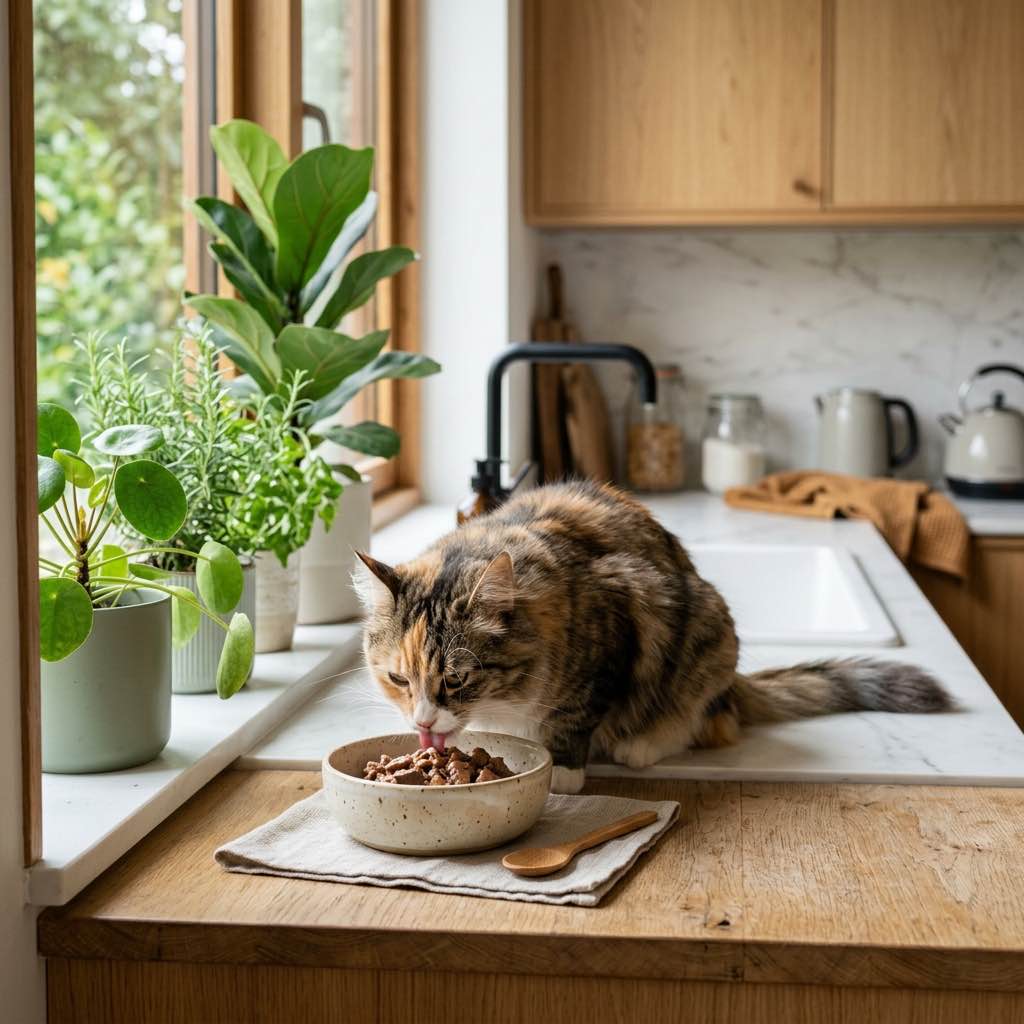
- Digestibility: For some cats, particularly those with sensitive stomachs or older felines, wet food can be easier to digest due to its softer texture and higher moisture content.
While wet food might seem a bit pricier per serving initially, the long-term health benefits, potentially reducing vet bills related to urinary and kidney issues, often make it a wise investment in your cat’s overall wellbeing. It's a cornerstone of a healthy diet that many NZ vets enthusiastically recommend.
Dry Food: Convenience vs Dehydration Risk
Dry cat food, or kibble, is a staple in many Kiwi households, and for good reason. It offers unparalleled convenience, cost-effectiveness, and ease of storage. However, it also comes with a significant drawback: its low moisture content, which poses a potential dehydration risk for our feline friends.
The Convenience Factor:
- Cost-Effective: Generally, dry food is more affordable per serving than wet food, especially when bought in larger bags. This can be a major factor for multi-cat households or those on a budget.
- Easy Storage: Kibble is shelf-stable and doesn't require refrigeration once opened. It’s easy to store in airtight containers, preventing spoilage and keeping pests at bay.
- Free-Feeding Potential: Many owners choose to leave dry food out all day for their cats to graze on. While convenient, this can lead to overeating and weight gain if not carefully managed.
- Dental Health (Limited): Some dry foods are marketed for their dental benefits, claiming that the abrasive action of chewing kibble helps scrape plaque off teeth. While this can offer *some* minor benefit, it's generally not a substitute for proper dental care (like brushing or professional cleanings) and the effect is often minimal compared to specialised dental diets or wet foods. Don’t rely on kibble alone to keep your cat’s teeth sparkling.
The Dehydration Risk: The most significant concern with a dry-food-only diet is the extremely low moisture content, typically 5-10%. As discussed, cats have a low thirst drive, meaning they won't naturally drink enough water to compensate for this deficit. This chronic low-level dehydration can have serious long-term consequences:
- Increased Risk of Urinary Tract Issues: Concentrated urine, a direct result of inadequate hydration, significantly raises the risk of urinary crystals, stones, and inflammation (FLUTD). This is a very common issue we see in NZ cats fed exclusively dry food.
- Kidney Strain: Over time, consistent dehydration places extra strain on the kidneys, potentially accelerating the development or progression of kidney disease, especially as cats age.
- Constipation: Insufficient moisture in the diet can also contribute to constipation, making bowel movements difficult and uncomfortable for your cat.
Finding a Balance: While a dry-food-only diet carries risks, it doesn't mean kibble should be completely off the menu. Many cat owners in Aotearoa successfully incorporate dry food into their cat's diet by adopting a mixed-feeding approach. This could involve:
- Half wet, half dry: Offering wet food for one meal and dry for another, or mixing a small amount of wet food with dry.
- Wet food toppers: Adding a spoonful of wet food, bone broth, or a cat-safe soup to their dry kibble to boost moisture content and palatability.
- Strategic Hydration: Implementing water fountains and multiple water bowls (as we'll discuss next) is absolutely crucial if dry food forms any significant part of your cat's diet.
When choosing dry food, always prioritise high-quality options with animal protein as the first ingredient. Look for brands that have a good reputation and are transparent about their sourcing and manufacturing processes. Even with high-quality kibble, remember that hydration strategies are paramount to mitigating the inherent risks of its low moisture content.
Hydration Strategies: Water Fountains & Wet Toppers
Given the importance of moisture in a cat's diet, especially if they consume dry food, actively encouraging your cat to drink more water is a critical part of responsible pet ownership. Cats are notoriously fussy about their water, and understanding their unique preferences can make all the difference.
The Power of Running Water: Cat Water Fountains This is often the game-changer for many cat owners. Cats are instinctively drawn to moving water. In the wild, stagnant water can be a breeding ground for bacteria, while running water from a stream or river is generally safer. This instinct translates to a preference for water fountains over still water bowls.
- Why they work: Fountains oxygenate the water, keeping it fresher and often cooler. The gentle bubbling or flowing sound can also entice curious cats to drink.
- Types and Features: You'll find a range of water fountains at PetMall and other NZ retailers.
- Plastic: Often the most affordable, but can scratch easily and harbour bacteria if not cleaned regularly. Some cats can develop 'plastic chin acne'.
- Ceramic: Heavier, more stable, and easier to keep clean. Less likely to cause skin reactions. Aesthetically pleasing.
- Stainless Steel: Durable, hygienic, easy to clean, and doesn't scratch. A great long-term investment.
- Maintenance: Fountains require regular cleaning (weekly is ideal) and filter changes (typically every 2-4 weeks) to prevent slime build-up and keep the water fresh.
- Cost (2026 Ranges):
- Basic plastic fountains: NZD $40 - $70
- Mid-range ceramic or stainless steel: NZD $80 - $150
- Advanced, larger capacity, or smart fountains: NZD $160 - $300+
Multiple Water Stations & Bowl Choices: Don't just rely on one water bowl. Place several bowls in different locations around your home – away from their food and litter trays. Cats often prefer to drink separately from where they eat.
- Bowl Material: Just like fountains, material matters.
- Ceramic and Stainless Steel: These are generally the best choices. They are non-porous, easy to clean, and don't impart any taste to the water.
- Glass: Also a good, hygienic option.
- Plastic: Can retain odours and scratches, making it a breeding ground for bacteria. Replace plastic bowls frequently if you must use them.
- Bowl Size and Shape: Some cats dislike their whiskers touching the sides of a bowl while drinking (known as "whisker fatigue"). Opt for wide, shallow bowls.
- Freshness is Key: Change the water daily, or even twice a day. Cats can be very sensitive to stale water.
Wet Toppers and Broths: This is where you can get creative and significantly boost your cat's moisture intake, especially if they're primarily on a dry food diet.
- Wet Food Toppers: A spoonful of wet cat food mixed into their dry kibble can make a huge difference. The aroma and moisture will often entice them to eat and drink more.
- Cat-Specific Broths: Many brands now offer cat-friendly broths or "soups" specifically designed for hydration. These are typically low in sodium and free from harmful ingredients like onion or garlic. You can pour these over dry food or offer them as a separate hydrating treat.
- Unsalted Bone Broth (Homemade): If you're feeling adventurous, you can make your own unsalted bone broth from chicken or beef bones. Ensure it's plain, with no added onions, garlic, or other seasonings, and strain it thoroughly before offering.
- Ice Cubes: In summer, a few ice cubes in their water bowl can keep it cool and might even encourage playful cats to bat at and drink from the melting ice.
- Water from the Tap: Some cats simply love to drink directly from a running tap. While not ideal for constant access, it can be a good way to encourage them to drink a bit more if they enjoy it.
By implementing these strategies, you're not just offering water; you're creating an appealing and accessible hydration programme that respects your cat's natural instincts and preferences, leading to a healthier and happier feline in your Kiwi home.
Grain-Free Cat Food: Hype or Science?
The term "grain-free" has become a buzzword in the pet food industry, and many Kiwi pet owners are naturally curious about its benefits. For years, advertising campaigns and anecdotal evidence have suggested that grains are somehow "bad" for cats, leading to a surge in grain-free options on the shelves. But when we look at the science, is grain-free cat food truly superior, or is it more hype than substance?
The Obligate Carnivore Misconception: The argument for grain-free often stems from the fact that cats are obligate carnivores. The logic follows: if cats eat meat, they shouldn't eat grains. While it's true that a cat's diet should be primarily meat-based, this doesn't automatically mean grains are harmful. In the wild, cats consume the stomach contents of their prey, which can include partially digested plant matter. Their digestive systems, while optimised for protein and fat, can also process carbohydrates in moderation.
What is "Grain-Free" Anyway? A common misconception is that grain-free means "carb-free." This is rarely the case. Most grain-free cat foods simply replace grains like corn, wheat, or rice with other carbohydrate sources such as peas, potatoes, sweet potatoes, lentils, or tapioca. These alternative carbohydrates can be just as high, if not higher, in starch and calories than the grains they replace. So, while the label says "grain-free," it doesn't necessarily mean "lower carb" or "more meat."
The Science Says... For the vast majority of cats, grains are not inherently harmful. True grain allergies in cats are quite rare, far less common than allergies to animal proteins like chicken or beef. If your cat genuinely has a food allergy, your vet will likely recommend an elimination diet to pinpoint the specific allergen, which is more often a protein source.
The focus should always be on the overall quality of the ingredients, particularly the animal protein content, rather than simply the absence of grains. A cat food that is high in quality animal protein, with moderate, digestible carbohydrates (whether from grains or alternative sources), and includes essential nutrients like taurine, is generally a good choice.
Potential Concerns (Beyond the Hype): While there's no strong scientific evidence to suggest grain-free diets are inherently superior for most cats, there have been some discussions globally regarding a potential link between certain grain-free, legume-heavy diets and Dilated Cardiomyopathy (DCM) in dogs. While this link is primarily observed in dogs and is still under investigation by regulatory bodies like the FDA, it does highlight the importance of careful formulation and the need for more research into the long-term effects of novel ingredients. For cats, the link is less clear, but it's a reminder that simply removing one ingredient group doesn't automatically make a diet healthier.
Our Expert Advice:
- Prioritise Protein: When choosing any cat food, grain-free or not, ensure that high-quality animal protein (e.g., chicken meal, deboned salmon) is listed as the first few ingredients.
- Focus on Overall Balance: Look for a complete and balanced diet formulated for your cat's life stage, rather than getting fixated on one specific ingredient category.
- Consult Your Vet: If you suspect your cat has a food allergy or intolerance, or if you're considering a significant dietary change, always talk to your local NZ vet. They can provide personalised advice based on your cat's specific health needs.
- Don't Fall for Marketing Alone: Understand that "grain-free" is often a marketing tool. Read the full ingredient list and nutritional analysis, and choose a reputable brand that invests in scientific research and quality control.
In summary, while grain-free cat food isn't necessarily harmful, for most cats, it offers no proven health advantage over a well-formulated diet that includes grains. Focus on quality ingredients and a balanced nutritional profile above all else.
Kitten vs Adult vs Senior Formulas
Just like us Kiwis have different nutritional needs at various stages of life, so do our feline companions. A growing kitten, an active adult, and a wise senior cat all require tailored diets to support their unique physiological demands. Feeding the appropriate life-stage formula is crucial for optimal health, growth, and longevity.
Kitten Formulas: Fuel for Rapid Growth Kittens are bundles of energy and growth! From birth to around 12 months of age, they are developing rapidly, building bones, muscles, and their immune system.
- Higher Protein and Fat: Kitten foods are significantly higher in protein and fat than adult formulas to support this intense growth phase. Protein builds muscle, and fat provides the concentrated calories needed for their high energy levels.
- DHA for Development: Look for DHA (docosahexaenoic acid), an omega-3 fatty acid, often sourced from fish oil. DHA is vital for healthy brain and eye development, setting them up for a lifetime of sharp senses.
- Smaller Kibble Size: Dry kitten food typically comes in smaller kibble sizes, making it easier for tiny mouths and developing teeth to chew and digest.
- Immune Support: Many kitten formulas include added antioxidants and prebiotics to support their developing immune systems.
- Feeding Programme: Kittens need to eat more frequently than adults, often 3-4 small meals a day, due to their rapid metabolism and small stomach capacity.
Adult Formulas: Maintenance and Balance Once your cat reaches about 12 months, they transition to adulthood. Their growth rate slows, and their energy needs stabilise.
- Balanced Nutrients: Adult cat food is formulated for maintenance, providing a balanced profile of protein, fat, carbohydrates, vitamins, and minerals to sustain their health without promoting excessive weight gain.
- Moderate Calorie Content: The calorie content is lower than kitten food, reflecting their reduced energy demands. Overfeeding adult cats is a common cause of obesity in NZ.
- Tailored Options: Within adult formulas, you'll find specialised diets for specific needs, such as "indoor cat" (often lower calorie), "hairball control" (with added fibre), or "sensitive stomach" (with easily digestible ingredients).
- Consistency is Key: Once you find an adult food that suits your cat, consistency is often best, though rotating flavours within the same brand can prevent pickiness and provide variety.
Senior Formulas: Supporting Graceful Ageing As cats age, typically from around 7-10 years onwards (though this can vary by breed and individual cat), their bodies undergo changes that necessitate a different dietary approach.
- Lower Calorie, Higher Digestibility: Senior cats tend to be less active, so senior formulas often have slightly lower calorie content to prevent weight gain. The protein content remains important but should be highly digestible to support muscle maintenance without overworking their kidneys.
- Joint Support: Many senior diets include supplements like glucosamine and chondroitin to support joint health, which can be particularly beneficial for cats developing arthritis.
- Kidney Support: Senior formulas often have controlled levels of phosphorus and sodium to support kidney function, as kidney disease is very common in older cats. Higher moisture content is also incredibly beneficial.
- Omega Fatty Acids: Increased levels of Omega-3 fatty acids can help reduce inflammation and support cognitive function, helping to keep their minds sharp.
- Increased Palatability: Older cats can lose their sense of smell and taste, or develop dental issues. Senior wet foods are often softer and more aromatic to encourage eating.
- Regular Vet Check-ups: For senior cats, regular check-ups with your vet are essential to monitor their health and adjust their diet as needed, especially if conditions like kidney disease or hyperthyroidism develop.
Transitioning Between Stages: When moving your cat from one life stage formula to another, do so gradually over 7-10 days. Start by mixing a small amount of the new food with their old food, slowly increasing the proportion of the new food each day. This helps prevent digestive upset and allows your cat to adjust to the new taste and texture.
By understanding and responding to your cat's changing nutritional needs throughout their life, you're providing them with the best possible foundation for health, happiness, and a long life here in Aotearoa.
NZD Price Ranges & What You Get (2026)
Navigating the cost of cat food in New Zealand can feel like a bit of a maze, especially with the wide array of options available. Prices can vary significantly based on brand, ingredient quality, specific formulations (e.g., veterinary diets, grain-free), and whether you're buying wet or dry food. Here’s a realistic look at what you can expect to pay in NZD in 2026 for various categories of cat food, and what differentiates the price points.
Wet Cat Food
Wet food is often seen as the more expensive option per serving, but remember the significant health benefits, especially regarding hydration.
- Budget-Friendly Options (e.g., supermarket brands, some standard pouches):
- Price: NZD $1.20 - $2.50 per 85g-100g pouch or can.
- What you get: Often contains a mix of meat and meat by-products, sometimes with vegetable fillers. Adequate for basic nutrition but may not have the highest quality animal protein or specific health benefits. Good for everyday feeding, especially if supplemented with higher quality options.
- Mid-Range Options (e.g., popular premium brands, some specific formulas):
- Price: NZD $2.80 - $4.50 per 85g-100g pouch or can.
- What you get: Higher proportion of named animal protein sources, fewer fillers, and often more palatable. May include some added beneficial ingredients like prebiotics or specific fatty acids. A good balance of quality and affordability for many Kiwi households.
- Premium & Specialist Options (e.g., high meat content, limited ingredient, life-stage specific, or vet-recommended non-prescription diets):
- Price: NZD $4.50 - $8.00+ per 85g-100g pouch or can.
- What you get: Very high-quality, often human-grade ingredients, high meat content, carefully balanced for specific needs (e.g., sensitive digestion, urinary health, senior support). Minimal fillers, often grain-free (if that's your preference), and highly digestible. These are often recommended by vets for specific health concerns (non-prescription).
Dry Cat Food
Dry food offers better value per kilogram, making it a popular choice for many.
- Budget-Friendly Options (e.g., supermarket brands, larger bags of standard kibble):
- Price: NZD $25 - $50 for a 1.5kg-2kg bag; NZD $60 - $100 for a 5kg-7kg bag.
- What you get: Often contains a mix of animal protein (sometimes generic "meat meal"), alongside grains and vegetable protein fillers. Provides basic nutrition but may be less digestible or palatable for some cats. Can be a good base if combined with quality wet food.
- Mid-Range Options (e.g., popular premium brands, some specific formulas):
- Price: NZD $50 - $90 for a 1.5kg-2kg bag; NZD $100 - $160 for a 5kg-7kg bag.
- What you get: Named animal protein as the primary ingredient (e.g., chicken, salmon meal). Better quality grains or alternative carbohydrates. Often fortified with beneficial ingredients like prebiotics, probiotics, or omega fatty acids. Good for general adult maintenance and often available for different life stages.
- Premium & Specialist Options (e.g., high meat content, limited ingredient, life-stage specific, or vet-recommended non-prescription diets):
- Price: NZD $80 - $140 for a 1.5kg-2kg bag; NZD $160 - $250+ for a 5kg-7kg bag.
- What you get: High-quality, often single-source animal protein. Carefully selected carbohydrates (if any). Formulated with specific health goals in mind (e.g., sensitive skin, joint support, indoor cat formula). Highly digestible and often very palatable. These brands invest heavily in research and quality control.
Factors Influencing Price:
- Ingredient Quality: The higher the proportion of named, high-quality animal protein, the higher the price.
- Brand Reputation & Research: Brands that invest in scientific research, rigorous testing, and sustainable sourcing often command higher prices.
- Specialised Formulations: Diets for specific life stages (kitten, senior), health needs (urinary, sensitive skin), or dietary preferences (grain-free, limited ingredient) often cost more due to their tailored composition.
- Packaging Size: Buying in bulk (larger bags of dry food or multi-packs of wet food) generally offers better value per kilogram or per pouch.
- NZ Sourcing & Manufacturing: Products made or sourced within NZ might have different cost structures compared to imported products.
Making Your Choice: While price is a consideration, prioritising your cat's health and wellbeing is paramount. Sometimes, spending a little more on a higher-quality food can lead to fewer vet visits down the line. Consider a mixed feeding approach to balance cost with the benefits of both wet and dry food. Always read labels, understand the ingredients, and consult your vet to find the best nutritional fit for your unique feline friend.
Wet vs. Dry Cat Food: A Quick Comparison
To help you decide what's best for your feline friend, here's a quick comparison of the key aspects of wet and dry cat food:
| Feature | Wet Cat Food | Dry Cat Food |
|---|---|---|
| Moisture Content | High (70-85%) | Low (5-10%) |
| Hydration | Excellent; supports urinary & kidney health | Poor; requires active hydration strategies |
| Palatability | Generally high due to aroma & texture | Varies; can be less appealing for picky eaters |
| Calorie Density | Lower per gram (due to water content) | Higher per gram |
| Weight Management | Can aid weight loss/maintenance (more filling) | Can contribute to weight gain if free-fed |
| Urinary Health | Highly beneficial for preventing FLUTD, crystals | Higher risk of urinary issues if sole diet |
| Dental Health | Minimal direct benefit | Minor abrasive action; not a substitute for vet care |
| Convenience | Less convenient (perishable, needs refrigeration) | Highly convenient (shelf-stable, easy to store) |
| Cost (per serve) | Generally higher | Generally lower |
| Storage | Needs refrigeration once opened | Airtight container in cool, dry place |
Ultimately, the best approach for many Kiwi cats is a combination of both, leveraging the hydration benefits of wet food with the convenience and cost-effectiveness of dry kibble, all while ensuring fresh water is always available.
Shop Related Products at PetMall
Looking for the products mentioned in this guide? PetMall ships across New Zealand with fast delivery.
- Cat FoodWet, dry, kitten, adult, and senior cat food
- Cat TreatsTreats for training, enrichment, and bonding
- Bowls & FeedersBowls, feeders, water stations, and feeding accessories
Sources
- Merck Veterinary Manual — Nutritional Requirements of Small Animals: cats are obligate carnivores with a dietary taurine requirement, and water requirements relative to energy intake
- Merck Veterinary Manual — Feeding Practices in Small Animals
- WSAVA Global Nutrition Committee — Global Nutrition Guidelines
- AAFCO — Understanding Pet Food: nutritional adequacy statements and life-stage claims
Free PetMall tools
Related guides
petmall.co.nz
Shop at PetMall
The products below are practical support items for your pet. PetMall ships across New Zealand.
- Cat FoodStart with food that matches your cat's life stage — change brands slowly over 7–10 days to avoid digestive upset.
- Cat LitterClumping or crystal, most cats prefer an unscented litter and a clean tray — one tray per cat plus one spare is the NZ rule of thumb.
- Cat TreatsGreat for bonding and training — keep treats under 10% of daily calories to protect your cat's waistline.
- Cat ToysA small rotation of toys (feather wand, puzzle feeder, and comfort toy) usually works better than buying many at once.
- Cat GroomingRegular brushing cuts hairballs and shedding — essential for long-haired breeds like Ragdolls and British Longhairs.
- Flea & Worm TreatmentFor NZ conditions, choose protection that fits your cat's weight and lifestyle (indoor vs outdoor) and keep it regular.