PetMall Knowledge Hub

breed-guide

Best Cat Breeds for NZ Apartments: Low-Maintenance, Quiet & Adaptable

3 May 2026

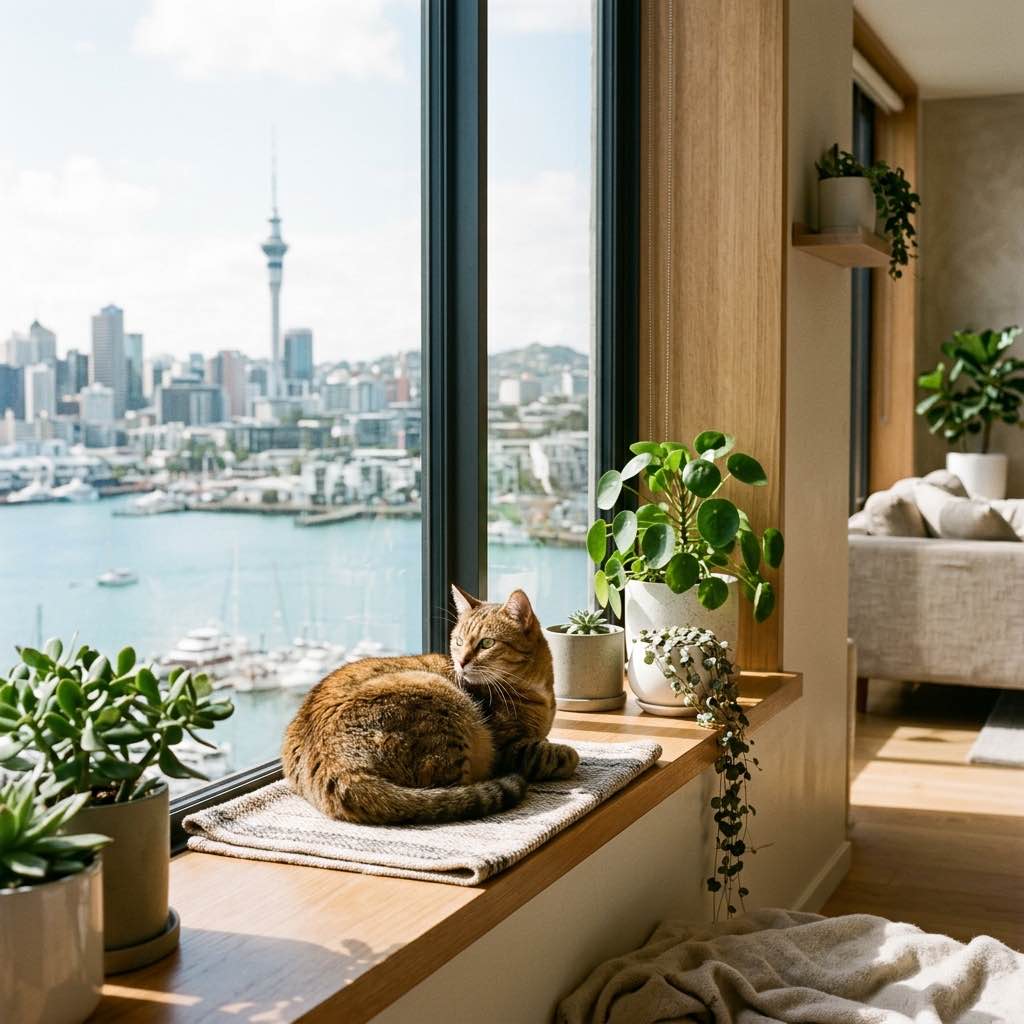
Auckland and Wellington apartment living is rising. This guide covers adaptable, quiet, content breeds for Kiwi apartment life.

Welcome, Kiwi cat lovers! If you’re dreaming of sharing your Aotearoa apartment with a feline friend, you’re in the right place. Apartment living offers a unique lifestyle, and while many cats can adapt, some breeds are simply better suited to the indoors – especially those that are naturally low-maintenance, quiet, and adaptable.

As expert pet care writers for wiki.petmall.co.nz, we understand the specific needs of New Zealand pet owners. This comprehensive guide will help you navigate the world of apartment cat ownership, offering practical, warm, and expert advice to ensure both you and your new companion thrive.

What Apartment Life Demands of a Cat

Apartment living, while cosy and convenient for us humans, presents a distinct environment for our feline companions. Unlike cats with free outdoor access, an apartment cat’s entire world is confined to the four walls of your home. This means we, as their guardians, have a greater responsibility to meet all their physical and mental needs within that space.

When considering a cat for your NZ apartment, it's essential to understand the specific demands this lifestyle places on them:

* Limited Space: The most obvious constraint. While cats don't necessarily need vast open spaces to run, they do need enough room to explore, play, and have personal zones. A cat that thrives in an apartment is one that doesn't feel stifled by smaller dimensions and can find contentment indoors. * No Outdoor Access: This is a major difference. An apartment cat won't be hunting birds, climbing trees, or exploring the neighbourhood. All their stimulation, exercise, and enrichment must come from within the home. This requires a cat with a calmer disposition or one that is easily satisfied by indoor play and observation. * Potential for Noise: Apartment buildings can come with their own symphony of sounds – neighbours, traffic, shared walls. A highly anxious or noise-sensitive cat might find this stressful. Breeds known for their placid temperament are often better equipped to handle varying noise levels. * Solitude & Human Interaction: Many apartment dwellers work full-time, leaving their cat alone for significant periods. A cat that is overly dependent or prone to separation anxiety might struggle. We’re looking for a cat that enjoys human company but is also content with its own devices for several hours a day. However, this doesn't mean neglecting interaction – daily play and affection are still crucial! * Mental & Physical Stimulation: Without the natural challenges of the outdoors, apartment cats can easily become bored, overweight, or destructive. A suitable apartment cat is one that can be entertained with indoor toys, vertical spaces, and human interaction, rather than needing constant, high-intensity activity. * Cleanliness & Odour Control: In a confined space, litter box hygiene and shedding become even more important. A cat that is fastidious and doesn't have excessive shedding (or whose shedding is manageable) is often preferred.

Ultimately, the ideal apartment cat is adaptable, calm, not overly vocal or destructive, and finds joy in their indoor kingdom. They should be able to form strong bonds with their human companions without becoming overly demanding or destructive due to boredom or lack of space.

Top Breeds for NZ Apartment Living

Choosing the right cat breed is paramount for a harmonious apartment life. Here are some of the best breeds known for their calm demeanour, quiet nature, and adaptability to indoor living, along with a strong recommendation for our beloved Kiwi moggies.

1. Ragdoll

* Personality: Ragdolls are renowned for their docile, placid, and affectionate nature. They often go "ragdoll" limp when picked up, hence their name. These gentle giants are devoted companions, often following their owners from room to room. They are known for their quiet voices, often preferring soft chirps or purrs over loud meows. * Why they're great for apartments: Their low energy levels, calm temperament, and strong desire for human companionship make them ideal indoor cats. They are not prone to scaling curtains or tearing up furniture, preferring to lounge on a soft bed or in a sunny spot. They adapt well to new environments as long as they have their people close by. * Care Needs: Ragdolls have a semi-long coat that is soft and silky with minimal undercoat, meaning it's less prone to matting than some other long-haired breeds. However, regular grooming (2-3 times a week) is still essential to keep their coat healthy and prevent tangles. They are generally healthy, but like all breeds, can be prone to certain genetic conditions, so choose a reputable breeder who screens their cats. * Approximate Cost (NZD 2026): From a registered breeder, expect to pay $1,500 - $3,000+ for a desexed kitten.

2. British Shorthair

* Personality: The British Shorthair is the epitome of the calm, collected cat. Known for their dense, plush coat and round face, they possess a dignified and laid-back personality. They are typically quiet, undemanding, and independent, yet enjoy being close to their humans. They are not lap cats in the traditional sense but love to sit beside you. * Why they're great for apartments: Their independent yet affectionate nature means they are perfectly content to entertain themselves while you're out, then enjoy quiet companionship when you're home. They are not overly active or vocal, making them an excellent choice for apartment dwellers seeking a serene presence. Their robust build means they aren't fragile, but they do require regular play to prevent obesity. * Care Needs: Their short, dense coat is relatively low maintenance, requiring weekly brushing to remove loose hair and keep it in good condition. British Shorthairs are generally hardy, but responsible breeders will screen for common health issues like hypertrophic cardiomyopathy (HCM). * Approximate Cost (NZD 2026): From a registered breeder, expect to pay $1,500 - $2,800+ for a desexed kitten.

3. Russian Blue

* Personality: Elegant, intelligent, and famously quiet, the Russian Blue is a sophisticated choice for apartment living. They are known for their striking silver-blue coat and emerald green eyes. While affectionate with their chosen family, they can be reserved with strangers. They are playful but not hyperactive, enjoying games that stimulate their minds. * Why they're great for apartments: Their quiet nature means you'll rarely hear a loud meow, and their clean habits make them excellent housemates. They are adaptable to routine and appreciate a calm environment. While they enjoy play, they don't demand constant attention and are content to observe their surroundings from a quiet perch. * Care Needs: The Russian Blue's short, dense, "double" coat requires minimal grooming – a weekly brush is usually sufficient. They are generally a healthy and robust breed. * Approximate Cost (NZD 2026): From a registered breeder, expect to pay $1,800 - $3,000+ for a desexed kitten.

4. Persian / Himalayan

* Personality: Persians are the quintessential calm and composed lap cat. Known for their long, flowing coats and distinctive flat faces, they are incredibly gentle, sweet-natured, and quiet. Himalayans are a type of Persian with Siamese-like colour points, sharing the same gentle temperament. They are creatures of comfort, preferring soft beds and sunny spots to high-energy antics. * Why they're great for apartments: Their extremely low activity levels and quiet, dignified presence make them perfect apartment companions. They are content with indoor life and are not prone to destructive behaviour. They thrive in a predictable, peaceful environment. * Care Needs: This is where the "low-maintenance" aspect shifts. While their energy and vocalisation are low, their grooming needs are very high. Daily brushing is essential to prevent mats and tangles in their long, luxurious coat. Their facial structure also requires daily cleaning to prevent tear staining and potential breathing issues. Regular vet checks are crucial to monitor their breathing and dental health. * Approximate Cost (NZD 2026): From a registered breeder, expect to pay $1,200 - $2,500+ for a desexed kitten.

5. Domestic Shorthair / Longhair (Moggies)

* Personality: Don't underestimate the humble moggy! Domestic Shorthairs (DSH) and Domestic Longhairs (DLH) are mixed-breed cats, meaning they come in an incredible variety of colours, patterns, and temperaments. Many of the most adaptable, low-maintenance, and quiet cats are found among our beloved rescues. * Why they're great for apartments: Moggies are often incredibly resilient and adaptable. When adopting from a shelter like the SPCA or a local rescue, staff can often provide insights into a cat's individual personality and whether they are suited to indoor-only apartment living. Many adult moggies have already learned good house manners and are past the energetic kitten stage, making them perfect for a calm apartment environment. You might find a cat that embodies all the desirable traits of the purebreds listed above, but with a unique story and often at a lower cost. * Care Needs: Care needs vary widely depending on coat length and individual health. Short-haired moggies are generally very low maintenance for grooming. Long-haired moggies might need more regular brushing. Like all cats, they require regular vet check-ups, appropriate nutrition, and enrichment. * Approximate Cost (NZD 2026): Adoption fees from the SPCA or other rescue organisations typically range from $100 - $250, which usually includes desexing, initial vaccinations, microchipping, and a health check. This is often the most cost-effective and rewarding way to find an apartment-friendly cat in NZ.

Breed Comparison Table

BreedTemperamentGrooming NeedsVocalisationApartment SuitabilityAverage Kitten Cost (NZD 2026)
RagdollDocile, affectionate, gentle, placid, loves lapsModerateLowExcellent$1,500 - $3,000+
British ShorthairCalm, independent, dignified, quiet, affectionateLowLowExcellent$1,500 - $2,800+
Russian BlueElegant, intelligent, reserved, playful, cleanLowVery LowExcellent$1,800 - $3,000+
Persian / HimalayanExtremely calm, sweet, dignified, low energyHigh (daily)Very LowExcellent$1,200 - $2,500+
Domestic Shorthair/Longhair (Moggy)Varies widely, many are adaptable, calm, friendlyLow to ModerateVariesExcellent (with careful selection)$100 - $250 (Adoption Fee)

How to Enrich an Apartment Cat's Life

Even the most laid-back apartment cat needs a stimulating environment to thrive. Without the natural enrichment of the outdoors, it's up to us Kiwis to create an engaging indoor world for our feline companions. Proper enrichment prevents boredom, reduces stress, and promotes good behaviour and health.

1. Vertical Space is Key

Cats love to climb and observe their territory from a high vantage point. In an apartment, vertical space is gold!

* Cat Trees & Condos: Invest in a sturdy cat tree that offers multiple levels, scratching surfaces, and cosy perches. Look for options that fit your space and offer varying textures. * Wall-Mounted Shelves & Walkways: Transform your walls into a feline highway! Securely mounted shelves, steps, and even hammocks provide valuable vertical territory. * Window Perches: A window seat or perch allows your cat to safely observe the world outside, providing endless entertainment – watching birds, people, or just enjoying a sunbath.

2. Play & Exercise: Daily Essentials

Just because your cat is indoors doesn't mean they don't need to burn energy. Daily interactive play is crucial for physical and mental health.

* Wand Toys: These are fantastic for simulating hunting behaviour. Waving a wand toy with feathers, ribbons, or small soft attachments encourages chasing, pouncing, and jumping. Dedicate at least 15-20 minutes twice a day to interactive play. * Chase Toys: Small balls, crinkle toys, or toy mice can keep your cat entertained. Rotate toys regularly to keep things interesting. * Puzzle Feeders: Instead of just putting food in a bowl, use puzzle feeders that make your cat "work" for their meal. This taps into their natural foraging instincts and slows down eating, which can help prevent obesity. * Laser Pointers (Use with Caution): While fun, always end a laser pointer session by directing the beam onto a physical toy your cat can "catch" and feel satisfaction from. Constant chasing without a catch can be frustrating.

Shop Cat Toys at PetMall for a fantastic selection of wand toys, chase toys, and indoor enrichment options!

3. Scratching Posts & Pads

Scratching is a natural and necessary cat behaviour that maintains claw health, stretches muscles, and marks territory. Providing appropriate scratching surfaces is vital to protect your furniture.

* Variety is Best: Offer different textures (sisal rope, cardboard, carpet) and orientations (vertical posts, horizontal pads). * Placement: Place scratching posts in prominent areas where your cat likes to stretch and in areas near furniture they might otherwise scratch.

4. Litter Box Management

Hygiene is paramount in an apartment, especially with a litter box.

* Rule of Thumb: Always have one more litter box than the number of cats (e.g., 1 cat = 2 boxes). * Placement: Place boxes in quiet, accessible, yet discreet locations. Avoid high-traffic areas or next to noisy appliances. * Scooping & Cleaning: Scoop at least once, preferably twice, daily. Clean the entire box with mild soap and water weekly. * Litter Type: Experiment to find a litter your cat prefers. Scented litters can sometimes be off-putting to cats.

5. Nutrition & Hydration

An indoor, less active cat is more prone to obesity.

* High-Quality Diet: Feed a balanced, high-quality cat food appropriate for their age and activity level. Consult your vet for dietary recommendations. * Portion Control: Measure food carefully according to package instructions or your vet's advice. * Water Sources: Provide multiple fresh water sources. Some cats prefer running water from a pet fountain, while others are happy with bowls.

6. Environmental Enrichment & Comfort

* Hiding Spots: Cats need places to feel secure and relax. Provide cosy cat beds, tunnels, or even cardboard boxes. * Warm Beds & Houses: Especially important in cooler NZ climates, a warm, comfortable bed gives your cat a designated safe space. * Rotating Toys & Scents: Keep toys interesting by rotating them every few days. Introduce new scents (like catnip or silvervine for some cats) to pique their interest. * Routine: Cats thrive on routine. Try to feed, play, and clean litter boxes at consistent times each day.

Shop Cat Beds & Houses at PetMall for warm beds, hideaways, and resting spots that your cat will adore!

7. Health Checks

Even the most pampered apartment cat needs regular health care.

* Annual Vet Visits: Schedule yearly check-ups with your local vet. These are crucial for preventative care, early detection of issues, and keeping vaccinations up to date. Your vet can also advise on appropriate preventative treatments for fleas, worms, and other parasites specific to your cat's lifestyle and local NZ conditions. * Observe Behaviour: Be vigilant for any changes in your cat's eating, drinking, litter box habits, or general behaviour. Early detection of illness is key.

By actively providing these elements, you'll create a rich, stimulating, and loving environment that ensures your apartment cat lives a happy, healthy, and fulfilling life in Aotearoa.

NZ Landlord Rules & Cat Ownership

Navigating tenancy agreements and body corporate rules is a crucial step for any Kiwi considering bringing a cat into an apartment. New Zealand has seen significant changes in tenancy law regarding pets, making it easier, but not always straightforward.

Tenancy Law Reforms in NZ

As of July 2024, significant changes under the Residential Tenancies Act 1986 mean that landlords can no longer unreasonably refuse a tenant's request to have a pet. This is a big win for pet-owning Kiwis!

* "Unreasonable Refusal": Landlords must now have a valid reason to decline a pet request. This could include factors like the property's suitability (e.g., a tiny studio apartment for a large, active dog), the number of pets, or specific concerns about pet behaviour. For apartment cats, this generally means a good case can be made. * Tenant Responsibility: Crucially, tenants are responsible for any damage caused by their pet. This includes wear and tear beyond what's considered normal. It's wise to discuss this with your landlord and potentially offer a "pet bond" or insurance. * Pet Agreement: While not strictly mandatory, it's highly recommended to have a written pet agreement with your landlord. This document outlines expectations, responsibilities, and any specific conditions for having your cat on the property.

Body Corporate Rules: The Apartment Specific Hurdle

While the Residential Tenancies Act has made strides, body corporate rules often take precedence in apartment complexes. This is a critical distinction for apartment dwellers.

* "No Pet" Clauses: Many apartment buildings in NZ, particularly older ones or those with shared facilities, have strict "no pet" clauses embedded in their body corporate rules. These rules are legally binding on all unit owners and tenants. * Getting Consent: Even if your individual landlord agrees to a cat, you might still need to seek consent from the body corporate. This can be a more challenging process, as body corporates can have their own criteria and may be less flexible than individual landlords. * Checking Before You Commit: ALWAYS check the body corporate rules of your specific apartment complex before you get a cat. Do not assume that because your landlord agrees, the body corporate will too. A quick call or email to the body corporate manager or your landlord (who should have access to these rules) can save you a lot of heartache. * Strata Title vs. Cross-Lease: Understand the type of ownership. Stratum in freehold (unit titles) is common for apartments, where body corporate rules are paramount. Cross-lease properties might have different arrangements, but still, check the lease document.

Creating a "Pet CV" for Your Apartment Cat

To maximise your chances of getting approval from both your landlord and the body corporate, consider creating a "Pet CV":

* Your Cat's Details: Name, breed (or description if a moggy), age, photo. * Health & Behaviour: Confirmation of desexing, vaccinations, flea/worming programme (mentioning you consult your vet for this). Emphasise their indoor nature, quiet temperament, and good litter box habits. * References: If applicable, provide a reference from a previous landlord or vet. * Your Commitment: State your commitment to responsible pet ownership, including regular grooming, providing enrichment, and immediate clean-up of any accidents. * Insurance: Mention if you have or plan to get pet insurance, demonstrating your responsibility for potential damages.

Other NZ-Specific Considerations

* Microchipping & Registration: In NZ, all cats must be microchipped by three months of age (or before sale/change of ownership). While not all councils require cat registration, it's good practice and some do have local bylaws. Check with your local council. * Desexing: While not legally mandated for all cats, desexing is strongly recommended by the NZVA and SPCA for responsible pet ownership, preventing unwanted litters, and often leading to calmer, more apartment-friendly behaviour. * Pet Insurance: Consider pet insurance for peace of mind. Vet bills in NZ can be substantial, and having insurance can cover unexpected accidents or illnesses.

By being proactive, understanding your rights and responsibilities, and diligently checking all relevant rules, you can significantly improve your chances of successfully welcoming a feline friend into your NZ apartment.

Where to Find These Breeds in NZ

Once you've decided which type of cat best suits your apartment lifestyle, the next exciting step is finding your new companion. In Aotearoa, you have several avenues, each with its own benefits.

1. Reputable Breeders (for Purebreds)

If you've set your heart on a specific purebred cat, finding a reputable breeder is crucial. A good breeder prioritises the health and welfare of their cats above all else.

* NZ Cat Fancy (NZCF): Start your search with the New Zealand Cat Fancy (NZCF). This is the primary registering body for pedigree cats in NZ. Their website lists registered breeders by breed, providing a good starting point. * What to Look For in a Reputable Breeder: * Health Testing: They should be able to provide proof of health screening for genetic conditions common to their breed (e.g., HCM for British Shorthairs, PKD for Persians). * Transparency: They should welcome visits to their cattery (or home) so you can meet the kittens and their parents in a clean, stimulating environment. * Contracts: They will have a clear contract outlining guarantees, desexing agreements (most purebred kittens are sold desexed or with a desexing clause), and return policies. * Knowledge & Support: A good breeder will be knowledgeable about their breed, happy to answer all your questions, and offer ongoing support. * Age of Kittens: Kittens should not be rehomed before 12-14 weeks of age. This ensures they are properly socialised and weaned. * Vaccinations & Microchipping: Kittens should come with their first vaccinations and be microchipped. * Realistic Costs: As mentioned in the breed section, purebred kittens from registered NZ breeders typically range from $1,200 to $3,000+ (NZD 2026), depending on the breed, lines, and breeder's reputation. This cost reflects the significant investment a breeder makes in health testing, quality care, and ethical breeding practices.

2. SPCA and Other Animal Rescues (for Moggies and Sometimes Purebreds)

Adopting a cat from the SPCA or a smaller local rescue organisation is a fantastic and often highly rewarding option, especially if you're open to a domestic shorthair or longhair.

* SPCA New Zealand: The SPCA has centres across NZ. Their website allows you to search for adoptable cats by location and even filter by age or other criteria. * Local Rescues: Many smaller, dedicated rescue groups operate throughout Aotearoa (e.g., Cat Protection League, various independent foster networks). A quick online search for "cat rescue [your city/region] NZ" will reveal local options. * Benefits of Adoption: * Temperament Matching: Rescue staff often know their cats' personalities very well as they've been in foster homes or observed closely. They can help match you with a cat that is genuinely suited to apartment living – perhaps an older, calmer cat, or one known to be quiet and adaptable. * Included Services: Adoption fees (typically $100 - $250 NZD from SPCA/rescues) usually include desexing, initial vaccinations, microchipping, and a vet health check, saving you significant upfront costs. * Giving a Second Chance: You're providing a loving home to a cat in need, which is incredibly fulfilling. * Often Apartment-Ready: Many adult cats in rescue are already house-trained and past the boisterous kitten stage, making them easier to settle into an apartment. * What to Ask: When adopting, ask about the cat's known history, temperament with people and other animals, and any specific quirks or needs.

3. Online Listings & Private Sales (Use Extreme Caution)

Websites like Trade Me and Facebook Marketplace often have cats for sale or rehoming. While you might find a cat this way, exercise extreme caution.

* Red Flags: Be wary of sellers who: * Cannot provide vet records or proof of vaccinations/desexing. * Are unwilling to let you visit the cat in their home environment. * Are vague about the cat's history or health. * Are selling very young kittens (under 8 weeks). * Are pushing for a quick sale or asking for unusually low or high prices without clear justification. * Prioritise a Vet Check: If you do acquire a cat this way, make your first stop a visit to your own vet for a thorough health check.

Important Note for All Sources: Your Vet

No matter where your new feline friend comes from, schedule a "new pet" check-up with your local vet in NZ within the first week or two. This allows your vet to assess their overall health, establish a baseline, discuss a preventative health programme (including appropriate flea, tick, and worm treatments – *always consult your vet for specific prescription medications*), and answer any initial questions you have about settling your cat into their new apartment home.

Bringing a cat into your NZ apartment is a wonderful journey. By choosing wisely and preparing your home, you'll create a cherished bond that enriches both your lives.

Shop Related Products at PetMall

Looking for the products mentioned in this guide? PetMall ships across New Zealand with fast delivery.

Best Cat Breeds for NZ Apartments: Low-Maintenance, Quiet & Adaptable | PetMall Wiki