Best Pet Birds for NZ Beginners: Top Picks & What They Really Cost
Beginner pet birds NZ guide: best legal birds, costs, cages, diet, noise, vet care, and what Kiwi owners should know.
Welcome to the wonderful world of pet birds in Aotearoa! Bringing a feathered friend into your home can be an incredibly rewarding experience, offering companionship, joy, and endless entertainment. However, like any pet, birds come with specific needs, responsibilities, and, of course, costs. For first-time bird owners in New Zealand, choosing the right species is crucial for a successful and happy relationship.
This comprehensive guide from wiki.petmall.co.nz is designed to help NZ beginners navigate the options, understand the true commitment, and set up their new avian companion for a thriving life. We'll cover everything from the best beginner-friendly species and their specific care requirements to the financial realities, legal considerations, and how to create a safe, stimulating environment in our unique New Zealand climate.
Quick Summary
- Top Beginner Birds: Budgerigars, Cockatiels, Canaries, and Finches are excellent choices for their manageable size, temperament, and care needs.
- NZ Legalities: Only legally bred or imported birds are permitted. MPI regulations are strict; never acquire wild birds or prohibited exotic species.
- Initial Setup Costs: Expect to spend NZD $300 - $800+ on a cage, perches, dishes, toys, and initial food supply.
- Ongoing Monthly Costs: Budget NZD $30 - $100+ for food, toys, and cleaning supplies.
- Vet Care: Avian vets can be specialised; budget for annual check-ups (NZD $80-$150) and an emergency fund (NZD $300-$1000+).
- Housing: Large cages are essential. Consider NZ climate – protect from drafts, extreme heat (summer sun) and cold (South Island winters), and ensure good ventilation (Auckland humidity).
- Diet: A balanced diet of high-quality pellets, fresh vegetables, and a small amount of seeds is key.
- Enrichment: Toys, foraging opportunities, and social interaction are vital for mental and physical health.
- Common Mistakes: Avoid small cages, seed-only diets, ignoring signs of illness, and lack of research.
Why Choose a Pet Bird?
Birds offer a unique companionship experience. They can be incredibly intelligent, social, and affectionate, often forming strong bonds with their owners. Many species can learn to mimic sounds, talk, or perform tricks, providing endless amusement. Their relatively small size (for most beginner species) makes them suitable for various living situations, and their vibrant colours and cheerful chirps can brighten any home. They also teach responsibility, patience, and the joys of nurturing a living creature.
NZ Legal & Biosecurity Notes: What You MUST Know
Before even considering a pet bird, it's paramount to understand New Zealand's strict biosecurity laws and regulations, enforced by the Ministry for Primary Industries (MPI). These rules are in place to protect our unique native ecosystems and agricultural industries from exotic pests and diseases.
- Legally Sourced Birds Only: In New Zealand, all pet birds must have been bred within the country or legally imported. This means you cannot capture wild birds, nor can you import birds yourself without going through extremely rigorous and costly quarantine procedures, which are generally not feasible for individual pet owners. Always purchase birds from reputable breeders or pet stores.
- Prohibited Species: Many exotic bird species that are popular pets overseas are strictly prohibited in New Zealand. This includes various parrots, macaws, and other species deemed a biosecurity risk. Attempting to import or keep prohibited species carries severe penalties. This guide will only recommend species that are legally available and commonly kept as pets in NZ.
- Native Birds: While some native birds like Kakariki can be kept as pets, they require specific permits and are generally not recommended for absolute beginners due to their specialised care needs and the importance of protecting our native wildlife. For this guide, we'll focus on introduced species that are well-established as pets.
Always ask your seller for proof of origin or ensure they are a reputable, registered breeder or pet store. Do your due diligence to ensure you're acquiring a bird legally and ethically.
Top Picks for NZ Beginners: Your Feathered Friends
Here are some of the best beginner-friendly bird species available in New Zealand, known for their relatively easy care, adaptability, and charming personalities.
1. Budgerigars (Budgies)
- Why they're great for beginners: Budgies are the quintessential beginner bird. They are small, relatively inexpensive, and incredibly social. They can be hand-tamed, learn to talk (especially males), and are full of personality. Their care requirements are straightforward, making them an excellent entry point into bird ownership.
- NZ Climate Considerations: Budgies are quite adaptable. They tolerate a range of temperatures but must be protected from drafts, extreme cold (especially in South Island winters), and direct, harsh summer sun. Good ventilation is important, particularly in humid areas like Auckland, to prevent respiratory issues.
- Housing: A spacious cage (minimum 45cm L x 45cm W x 60cm H for one, larger for two) with horizontal bars for climbing. Provide natural perches of varying diameters, food/water dishes, and plenty of toys.
- Diet: High-quality budgie pellets (should be 70-80% of diet), fresh greens (kale, spinach, broccoli), chopped vegetables (carrot, capsicum), and a small amount of budgie seed mix as a treat. Cuttlebone for calcium.
- Social Needs: Budgies thrive on interaction. If you can't spend several hours a day with your budgie, consider getting two so they can keep each other company.
- Typical Lifespan: 5-10 years.
- Initial Cost (Bird): NZD $20 - $60 per bird.
- Ongoing Monthly Costs: NZD $15 - $30 (food, toys).
2. Cockatiels
- Why they're great for beginners: Cockatiels are larger than budgies but equally charming and gentle. They are known for their sweet nature, ability to whistle complex tunes, and enjoy head scratches. They bond strongly with their owners and are less prone to nipping than some other parrot species. They're a fantastic step up for those wanting a slightly larger, more interactive bird.
- NZ Climate Considerations: Similar to budgies, cockatiels need protection from drafts and temperature extremes. They can suffer from heatstroke in direct summer sun and require warmth during cold South Island nights. Good air circulation is vital.
- Housing: A larger cage is necessary (minimum 60cm L x 60cm W x 90cm H for one). Provide natural perches, stainless steel food/water dishes, and a variety of toys for chewing and mental stimulation.
- Diet: High-quality cockatiel pellets (70-80%), a wide range of fresh vegetables (dark leafy greens, broccoli, carrots), some fruit, and a small amount of cockatiel seed mix as a treat. Cuttlebone and mineral block are beneficial.
- Social Needs: Cockatiels are highly social and crave interaction. They need daily out-of-cage time and plenty of attention from their human flock. A lonely cockatiel can become stressed and pluck feathers.
- Typical Lifespan: 15-20 years.
- Initial Cost (Bird): NZD $80 - $200 per bird.
- Ongoing Monthly Costs: NZD $25 - $50 (food, toys).
3. Canaries
- Why they're great for beginners: If you're looking for a bird primarily for its beautiful song and don't require a highly interactive, hands-on pet, a canary is an excellent choice. Males are renowned for their melodious singing. They are relatively low-maintenance in terms of direct interaction but still require diligent care.
- NZ Climate Considerations: Canaries are sensitive to sudden temperature changes and drafts. They need a stable environment, protected from both the chill of a South Island winter and the intensity of a summer heatwave. Keep them indoors in a consistent temperature range.
- Housing: A flight cage (minimum 60cm L x 30cm W x 40cm H) is ideal to allow them space to fly. Provide natural perches, food/water dishes, and a bird bath. They don't typically play with toys like parrots do, but swings can be appreciated.
- Diet: A good quality canary seed mix, supplemented daily with fresh greens (kale, spinach), small amounts of fruit, and a soft food mix (egg food) during moulting or breeding. Cuttlebone is essential.
- Social Needs: Canaries are generally solitary birds and do not require constant human interaction in the same way parrots do. However, they still benefit from being in an active part of the home.
- Typical Lifespan: 10-15 years.
- Initial Cost (Bird): NZD $50 - $150 per bird.
- Ongoing Monthly Costs: NZD $15 - $30 (food, minimal toys).
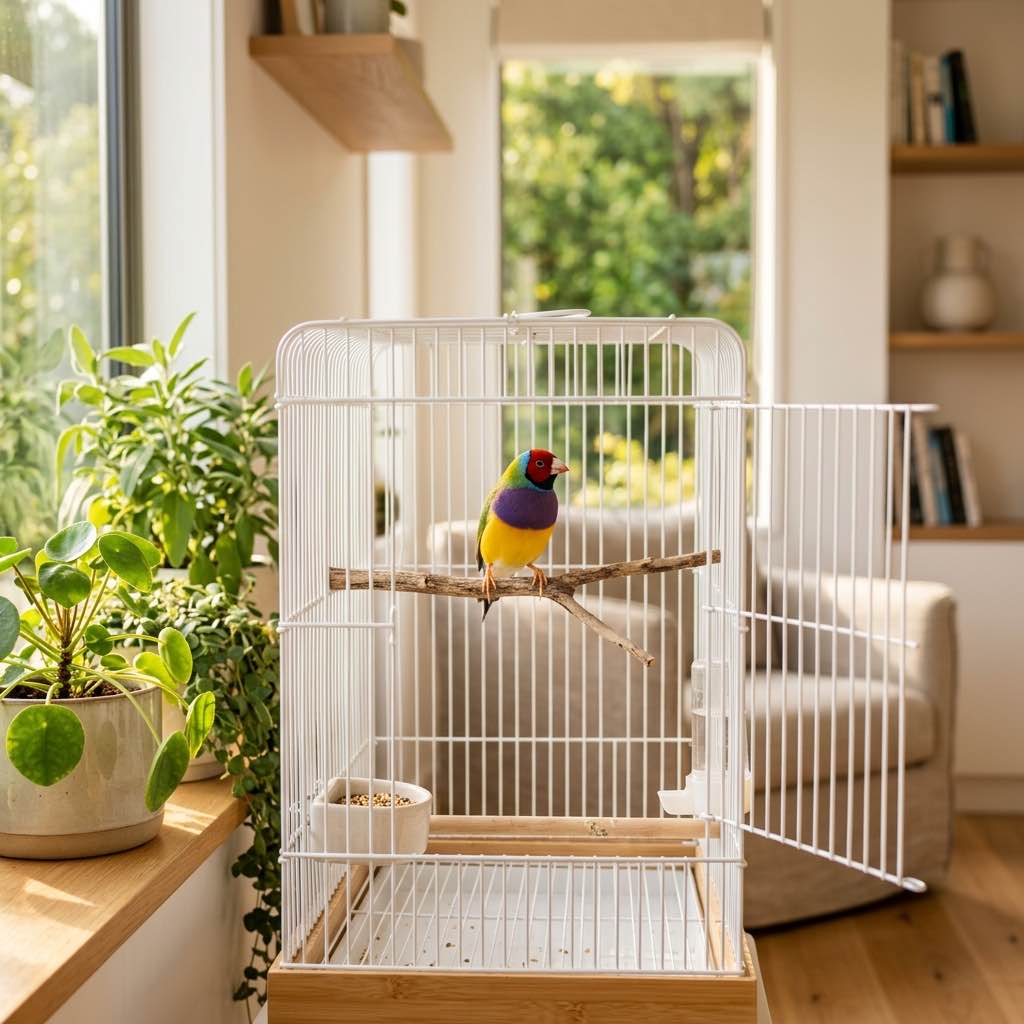
4. Finches (Zebra Finches, Bengalese Finches)
- Why they're great for beginners: Finches are small, active, and fascinating to watch. They are best kept in pairs or small flocks, making them ideal for those who want multiple birds without the extensive space requirements of larger species. They are generally hands-off pets, perfect for observing rather than direct interaction.
- NZ Climate Considerations: Finches are delicate and need protection from drafts and temperature extremes. An indoor environment with stable temperatures is best. Humidity in Auckland needs to be managed to prevent respiratory issues, while South Island cold requires a warm, sheltered spot.
- Housing: A large flight cage (minimum 75cm L x 45cm W x 45cm H for a pair) is crucial, allowing them ample space to fly. Provide multiple perches, food/water dishes, and a bird bath. They enjoy nesting material even if not breeding.
- Diet: High-quality finch seed mix, supplemented with fresh greens, finely chopped vegetables, and a small amount of fruit. Grit and cuttlebone are important for digestion and calcium.
- Social Needs: Finches are highly social with their own kind and should always be kept in pairs or small groups. They do not require human interaction but enjoy being in a busy household.
- Typical Lifespan: 3-7 years.
- Initial Cost (Bird): NZD $15 - $40 per bird.
- Ongoing Monthly Costs: NZD $15 - $30 (food, minimal toys).
General Setup & Initial Costs (NZD)
Setting up your bird's new home correctly is vital for their health and happiness. Here's what you'll need and an estimate of initial costs.
- Cage (NZD $100 - $500+): This is your biggest initial investment. Always buy the largest cage you can afford and accommodate. For a single budgie, a minimum of 45x45x60cm is needed, but bigger is always better. For a cockatiel, aim for at least 60x60x90cm. Look for sturdy construction, non-toxic materials, and appropriate bar spacing (small enough to prevent escapes, large enough not to trap body parts). Check out our range of bird cages.
- Perches (NZD $20 - $60): Provide a variety of natural wood perches (e.g., Manuka, Pohutukawa branches – ensure they are bird-safe and thoroughly cleaned) of different diameters. Avoid dowel perches as the sole option, as they can cause foot problems. Sandpaper perches are generally not recommended.
- Food & Water Dishes (NZD $20 - $50): Stainless steel or ceramic dishes are best as they are easy to clean and sanitise. You'll need at least two for food and one for water.
- Toys & Enrichment (NZD $30 - $100): Birds are intelligent and need mental stimulation. Provide a variety of toys for chewing, climbing, and foraging. Rotate toys regularly to keep things interesting. Look for safe materials like natural wood, untreated cotton rope, and stainless steel. Explore engaging bird toys.
- Substrate/Lining (NZD $10 - $20): Newspaper, paper towels, or plain butcher paper are ideal for lining the bottom of the cage. Avoid scented or dusty substrates like wood shavings, which can cause respiratory issues.
- Initial Food Supply (NZD $20 - $50): A good quality pellet diet, a small bag of species-appropriate seed mix, and fresh produce for the first week. Explore premium bird food options.
- Cuttlebone/Mineral Block (NZD $5 - $15): Essential for calcium and beak health.
- Travel Cage (NZD $40 - $100): A small, secure carrier for vet visits or emergencies.
- Cleaning Supplies (NZD $20 - $40): Bird-safe disinfectant, brushes, and cloths. See our bird cleaning supplies.
Total Estimated Initial Setup Cost (Excluding Bird): NZD $300 - $800+
Ongoing Costs (NZD)
Owning a bird is an ongoing financial commitment. Here's a breakdown of typical monthly and annual expenses.
- Food (NZD $15 - $50+ per month): This will be your primary ongoing expense. High-quality pellets are more expensive than seed mixes but are crucial for health. Factor in fresh fruits and vegetables. Larger birds will naturally cost more to feed. Explore premium bird food options.
- Toys & Enrichment (NZD $10 - $30 per month): Toys get destroyed and need regular replacement to keep your bird stimulated. Foraging toys, chew toys, and swings are popular. Find engaging bird toys.
- Substrate/Cleaning Supplies (NZD $5 - $10 per month): Newspaper, paper towels, and bird-safe cleaning solutions.
- Health Supplements (NZD $5 - $15 per month, if needed): Multivitamins, probiotics, or specific supplements recommended by your vet. Browse bird health supplements.
- Vet Care (Annual Check-ups & Emergency Fund):
- Annual Check-up: Highly recommended, even for seemingly healthy birds. Expect to pay NZD $80 - $150 for a basic avian check-up.
- Emergency Fund: Birds can hide illness well, and when symptoms appear, they can deteriorate quickly. A vet visit for an unwell bird, including diagnostics and medication, can easily range from NZD $300 - $1000+. It's wise to have this fund set aside.
Total Estimated Ongoing Monthly Cost (Excluding Vet Emergencies): NZD $30 - $100+
Housing & Environment: Adapting to NZ Climate
Creating the right environment for your bird is crucial for their well-being, and New Zealand's varied climate presents specific challenges.
- Cage Placement: Place the cage in a draft-free area, away from direct sunlight (which can cause overheating), heating vents, or air conditioning units. Kitchens are generally not ideal due to fumes from cooking (especially non-stick cookware, which can be fatal to birds) and fluctuating temperatures.
- Temperature Stability: Birds are sensitive to sudden temperature changes. Aim for a consistent room temperature between 18-24°C.
- South Island Cold: In colder regions, ensure the room is adequately heated during winter. Covering the cage at night with a breathable cover can help retain warmth and provide a sense of security. Avoid placing cages directly against cold windows.
- Summer Heat (Nationwide): NZ summers can get hot. Ensure good ventilation to prevent overheating. Never place a cage in direct sun without shade. A fan (not blowing directly on the bird) can help circulate air. Provide fresh, cool water at all times.
- Auckland Humidity: High humidity can sometimes contribute to mould growth and respiratory issues. Ensure good air circulation and keep the cage meticulously clean to prevent mould and bacterial build-up.
- Lighting: Birds need a natural light cycle. Place the cage near a window (but not in direct sun) to allow exposure to natural light. Full-spectrum avian lighting can be beneficial, especially if natural light is limited, helping with vitamin D synthesis and overall health.
- Safety: Bird-proof your home. Birds are curious and can get into trouble quickly. Watch out for:
- Toxic Plants: Many common houseplants are toxic to birds (e.g., lilies, avocado leaves, philodendrons).
- Open Windows/Doors: Escapes happen quickly.
- Other Pets: Keep cats, dogs, and other predators away from the bird's cage.
- Household Hazards: Non-stick cookware fumes, cleaning products, aerosols, candles, open toilets, hot stoves, and electrical cords are all potential dangers.
- Cleaning: Daily spot cleaning of droppings and food debris is essential. A thorough cage cleaning, including washing all perches and toys, should be done weekly. Use bird-safe disinfectants.
Diet & Nutrition: Fueling Your Feathered Friend
Proper nutrition is the cornerstone of a healthy bird. A common mistake beginners make is feeding a seed-only diet, which is akin to a human living on fast food – it leads to deficiencies and health problems.
- High-Quality Pellets (70-80% of diet): For most parrot species (budgies, cockatiels), a good quality, species-appropriate pellet diet should form the bulk of their intake. Pellets are nutritionally balanced.
- Fresh Vegetables (15-20% of diet): Offer a variety of fresh, thoroughly washed vegetables daily. Good options include dark leafy greens (kale, spinach, silverbeet), broccoli, carrots, capsicum, zucchini, and corn on the cob. Avoid avocado, onion, and garlic.
- Small Amount of Seeds (5-10% as a treat): Seeds are high in fat and should be offered sparingly as a treat or for training. Choose a quality seed mix designed for your bird's species.
- Fruits (Very Small Amounts): Fruits are high in sugar. Offer small pieces of bird-safe fruits like apple (no seeds!), berries, melon, and orange a few times a week.
- Grit & Cuttlebone: Provide a cuttlebone for calcium and beak conditioning. Some birds may benefit from a small amount of insoluble grit for digestion, but this is less crucial for birds on a pellet and fresh food diet. Consult your vet.
- Fresh Water: Always provide fresh, clean water daily. Change it multiple times a day if it becomes soiled.
- Toxic Foods to AVOID: Avocado, chocolate, caffeine, alcohol, onion, garlic, fruit seeds/pits (especially apple seeds), rhubarb, and anything processed or high in salt/sugar.
Health & Common Issues
Birds are masters at hiding illness, a survival instinct in the wild. By the time symptoms are obvious, the bird may be quite unwell. Regular observation is key.
- Signs of a Healthy Bird: Alert and active, bright clear eyes, smooth and well-kept feathers, clean vent, normal droppings, good appetite, vocalisation, and regular preening.
- Signs of Illness (Seek Vet Care IMMEDIATELY): Lethargy, ruffled feathers (especially puffed up for extended periods), sitting at the bottom of the cage, discharge from eyes or nostrils, difficulty breathing (tail bobbing), changes in droppings (colour, consistency, volume), loss of appetite or thirst, feather plucking, limping, or any unusual lumps/swellings.
- Common Ailments: Respiratory infections, psittacosis (parrot fever, zoonotic), nutritional deficiencies (often from seed-only diets), feather plucking (stress, boredom, skin issues), internal parasites, and fungal infections.
- Preventative Care: A balanced diet, a clean and stimulating environment, regular interaction, and annual vet check-ups are the best ways to prevent most health issues. Early detection is critical for successful treatment.
Vet Access in NZ: Finding Avian Expertise
Finding an experienced avian veterinarian in New Zealand can sometimes be a challenge, especially outside of major cities like Auckland, Wellington, and Christchurch. Many general practice vets may not have extensive experience with birds.
- Research Before You Buy: Before bringing a bird home, identify at least one, preferably two, avian vets in your area. Call them to confirm they see birds and are experienced with your chosen species.
- Emergency Preparedness: Know their emergency procedures and contact numbers. Birds can go downhill very quickly.
- Annual Check-ups: Even if your bird appears healthy, an annual check-up with an avian vet is crucial. They can spot subtle signs of illness, offer nutritional advice, and perform preventative screenings.
Common Mistakes to Avoid for NZ Bird Owners
- Too Small a Cage: This is the most common mistake. A small cage leads to boredom, stress, and physical health problems. Always go bigger than you think you need.
- Seed-Only Diet: A diet solely of seeds is nutritionally deficient and will lead to a host of health issues and a shortened lifespan.
- Lack of Enrichment: Birds are intelligent and need mental and physical stimulation. A cage without toys, foraging opportunities, and interaction leads to boredom, stress, and behavioural problems like feather plucking.
- Ignoring Signs of Illness: Birds hide illness. If you notice *any* change in behaviour, appetite, or appearance, consult an avian vet immediately.
- Impulsive Purchase: Never buy a bird on a whim. Research the species thoroughly, understand the commitment, and ensure you can meet all its needs for its entire lifespan.
- Lack of Socialisation: For social species like budgies and cockatiels, daily interaction with their human flock is essential. A lonely bird can become depressed or develop behavioural issues.
- Not Bird-Proofing Your Home: Birds are curious and can get into dangerous situations quickly. Be vigilant about toxic substances, open windows, and other household hazards.
- Poor Hygiene: A dirty cage is a breeding ground for bacteria and fungi, leading to illness. Regular cleaning is non-negotiable.
- Clipping Wings Incorrectly or Unnecessarily: Wing clipping is a controversial topic. If done, it should be performed by an experienced professional and only if necessary for safety, not to prevent flight entirely. Many birds thrive with full flight in a safe environment.
Product Guidance & Internal Links
At PetMall.co.nz, we're dedicated to helping you provide the best for your feathered companion. We stock a wide range of high-quality products to meet all your bird's needs:
- Cages: From spacious flight cages for finches to robust homes for cockatiels, explore our selection of bird cages designed for safety and comfort.
- Food: Ensure a balanced diet with our premium range of bird food options, including species-specific pellets, nutritious seed mixes, and healthy treats.
- Toys: Keep your bird mentally stimulated and physically active with our engaging bird toys. We have everything from chew toys to foraging puzzles.
- Health Supplements: Support your bird's vitality with our selection of bird health supplements, including vitamins, minerals, and digestive aids.
- Cleaning Supplies: Maintain a hygienic environment with our effective and bird-safe bird cleaning supplies.
Conclusion
Bringing a pet bird into your New Zealand home is a journey filled with joy, learning, and responsibility. By choosing a beginner-friendly species, understanding the true costs involved, diligently preparing their environment to suit our unique climate, and committing to their ongoing care, you'll be well on your way to a rewarding relationship with your feathered friend. Remember, a well-cared-for bird is a happy bird, and a happy bird brings immense joy to its human companions. Happy bird keeping, Aotearoa!
Sources
- Ministry for Primary Industries (MPI), Importation of Live Animals and Birds, checked 2026-07-20: https://www.mpi.govt.nz/import/animals/
- Department of Conservation (DOC), Keeping Protected Native Wildlife in Captivity Permits, checked 2026-07-20: https://www.doc.govt.nz/get-involved/apply-for-permits/keeping-native-wildlife-in-captivity/
Related guides
petmall.co.nz
Shop at PetMall
The products below are practical support items for your pet. PetMall ships across New Zealand.
- Bird Food & TreatsA quality seed or pellet base plus fresh veg keeps cage birds healthier than seed alone.
- Bird ToysForaging and chew toys prevent boredom — rotate a few rather than crowding the cage all at once.
- Bird SuppliesA well-sized cage with the right perch variety helps long-term comfort — aim for space to fully stretch wings.