Pet Breed Guide NZ
Molly
The Molly, a vibrant and adaptable freshwater fish, hails from the warm waters of Central America. Known for its diverse range of colours and fin shapes, the Molly is a popular choice for both novice and experienced aquarists. These peaceful, livebearing fish are relatively easy to care for, making them an excellent addition to a community tank. They are active swimmers and thrive in well-maintained environments, often displaying engaging social behaviours within their groups. In New Zealand, Mollies are a legal and common pet, but prospective Kiwi owners should always confirm current MPI guidelines and local council regulations to ensure compliance before introducing them to their home aquarium.
Photo Gallery
NZ Ownership Snapshot
Verified NZ Status- Noise Level
- quiet
- Social Needs
- groups
- Water Type
- freshwater
- Tank Size
- 40L minimum
- Diet Type
- Prepared aquarium food, frozen foods, and species-appropriate live or vegetable foods
- UVB Required
- No
Listed on Schedule 4 (Approved Species) of MPI's Import Health Standard: Ornamental Fish and Marine Invertebrates (ORNAMARI.ALL, 20 September 2021), flagged as a higher-risk species with additional import conditions under Schedule 3. Verified 4 September 2026. Source: https://www.mpi.govt.nz/dmsdocument/17425-Ornamental-fish-and-marine-invertebrates-from-all-countries-Import-Health-Standard
Breed Snapshot
- Size
- small
- Lifespan
- 3-5 years
- Origin
- Central America
- Care Focus
- Best researched for compatible tank mates, grouping, and stable water conditions.
- NZ Price
- NZD $8 - $25 per fish, depending on size, colour, and fin type (e.g., Sailfin or Balloon varieties typically cost more).
- Annual Vet Cost
- Annual vet costs for fish are generally low compared to other pets. For Mollies, routine care involves tank maintenance and quality food, which might cost NZD $100 - $200 annually for supplies. However, if a fish becomes ill, access to specialist exotic vets in New Zealand is limited, and consultation fees could range from NZD $80 - $150 per visit, plus medication. Many fish illnesses are treatable with over-the-counter aquarium medications available from pet stores, which are typically much cheaper.
Personality Scores
NZ Lifestyle Fit
Mollies are highly suitable for a wide range of New Zealand homes, from apartments in Auckland to family houses in Christchurch. Their relatively small size and minimum tank requirement of 40 litres make them adaptable to various living spaces. Climate considerations across New Zealand are primarily managed by maintaining a consistent tropical water temperature within the aquarium, typically between 24-28°C, which is achievable with standard aquarium heaters regardless of whether you're in a humid Auckland summer or a cold South Island winter. There are generally no specific regional restrictions for Mollies within New Zealand, as they are a widely accepted aquarium species. However, always double-check with your local council for any specific bylaws. Legally, Mollies can be sourced from most reputable pet stores and specialist aquarium retailers across New Zealand, ensuring they come from healthy, well-maintained stocks. Always verify the seller's reputation and the fish's health before purchase.
NZ legal status not yet verified against MPI, EPA, DOC and regional council records. Don't treat this page as confirmation that the species can legally be imported, bought, sold, bred or kept in New Zealand — check those official sources first.
About the Molly
Mollies (Poecilia sp.) are a genus of small, livebearing freshwater fish originating from the tropical and subtropical regions of Central America, stretching from Mexico down to Colombia. They are highly valued in the aquarium hobby for their hardiness, peaceful temperament, and wide array of colours and fin variations, including popular varieties like the Black Molly, Sailfin Molly, and Balloon Molly. With a typical lifespan of 3-5 years when properly cared for, these fish offer a relatively long-term commitment for a small aquatic pet. They are known for their adaptability, tolerating a range of water conditions, though they thrive best in stable, well-filtered freshwater environments.
What They Look Like
Mollies are generally small fish, typically growing to about 5-12 cm (2-5 inches) in length, with females usually being larger than males. Their body shape can vary from slender to more robust, especially with the 'Balloon Molly' variety, which has a distinctively rounded body. They come in an astonishing array of colours, including black, silver, gold, orange, and marbled patterns, often with iridescent scales. Their fins also show great diversity; some Mollies possess short, rounded fins, while others, like the Sailfin Molly, boast dramatically enlarged dorsal fins that can be almost as tall as their body, adding a striking visual element to any aquarium.
Personality & Behaviour
Mollies are generally peaceful and social fish, making them excellent candidates for community aquariums. They are active swimmers, often seen exploring all levels of the tank. As livebearers, they are known for their prolific breeding, with females giving birth to fully formed fry rather than laying eggs. It's best to keep Mollies in groups, ideally with a ratio of one male to two or three females, to prevent any single female from being overly harassed during breeding. While mostly docile, males can sometimes display territorial behaviour towards each other, especially if the tank is too small or overcrowded. They are curious and engaging, often interacting with their environment and tank mates.
Life in New Zealand
In New Zealand, Mollies are a legal and widely available pet fish. Their hardiness and adaptability make them well-suited to various home environments across the country, from the humid North Island to the cooler South Island, provided their tank water is kept at a consistent tropical temperature. Sourcing Mollies legally in New Zealand is straightforward, as they are commonly found in most reputable pet shops and specialist aquarium stores. However, prospective owners must always adhere to the mandatory legal instruction: confirm current MPI (Ministry for Primary Industries) guidance and any specific local council rules regarding fish keeping before purchasing. This ensures compliance with New Zealand's biosecurity regulations and responsible pet ownership.
Is This the Right Pet for You?
Mollies can be a fantastic choice for both beginner and experienced aquarists looking for an active, colourful, and relatively low-maintenance fish. Their social nature means they thrive in community tanks, and their livebearing characteristic can be a fascinating experience for those interested in breeding. However, potential owners should be prepared for their prolific breeding, which can quickly lead to an overcrowded tank if not managed. They require a minimum tank size of 40 litres, consistent water quality, and a varied diet. If you're prepared to provide a stable, clean, and appropriately sized aquatic environment, and are mindful of their social needs and breeding habits, a group of Mollies can bring immense joy and vibrant life to your New Zealand home. Remember to always check the latest MPI and local council guidelines before committing to any new pet.
Fun Facts
Fact 1
Mollies are livebearers, meaning they give birth to fully formed, free-swimming fry instead of laying eggs.
Fact 2
They can sometimes tolerate brackish water (a mix of fresh and saltwater), though they thrive best in pure freshwater for typical home aquariums.
Fact 3
The 'Balloon Molly' is a selectively bred variety known for its unique, rounded body shape.
Fact 4
Mollies come in an incredible range of colours and patterns, from solid black to iridescent silver and vibrant orange.
Fact 5
Male Mollies have a modified anal fin called a gonopodium, used for internal fertilisation.
Related Breeds
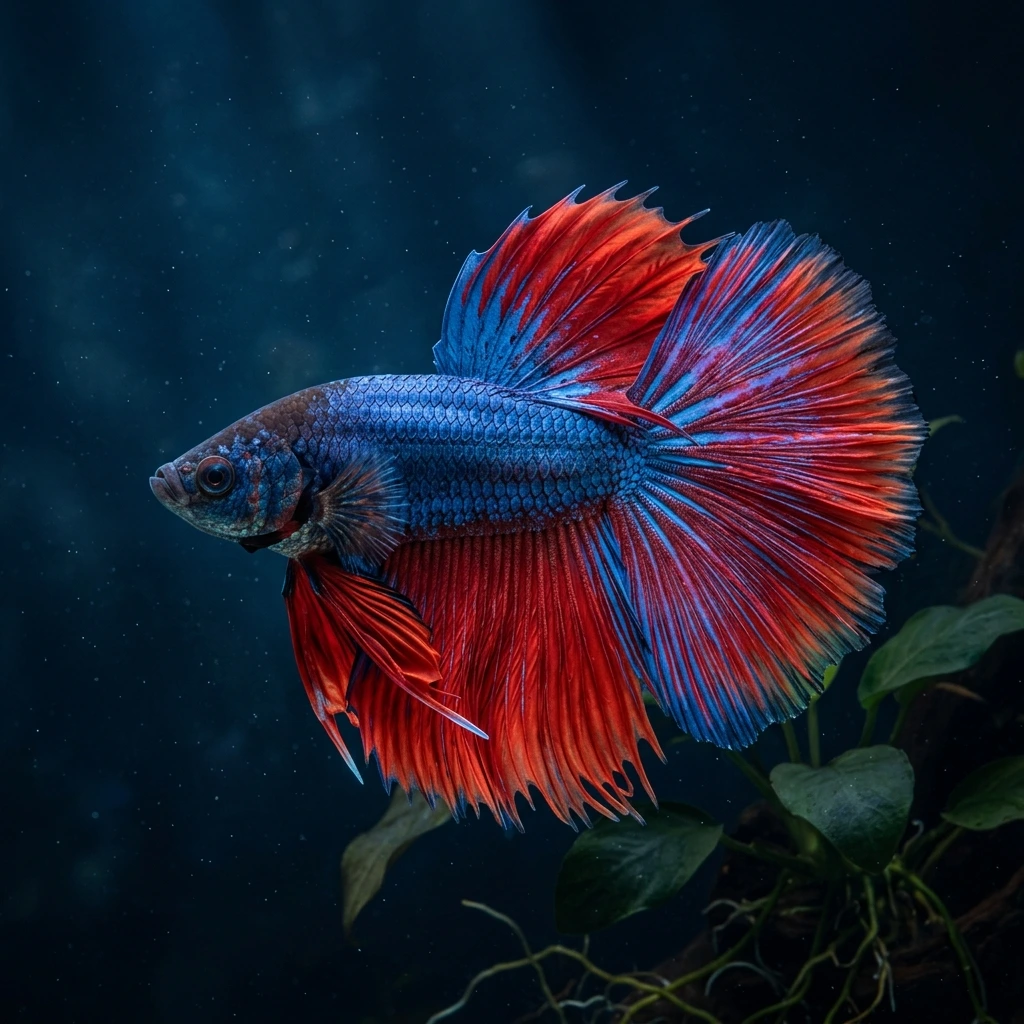
Betta Fish (Siamese Fighting Fish)
The Betta, or Siamese Fighting Fish, is a small, long-finned freshwater fish from the shallow rice paddies, canals and floodplains of Southeast Asia, usually kept alone because two males will not share a tank. The body reaches about 6-7 cm with the fins on top of that, and a labyrinth organ lets it breathe air at the surface, an adaptation to low-oxygen water that also makes it hardy in an aquarium. Males carry the long flowing fins and saturated reds, blues, greens and purples the species is known for, in forms such as veiltail, crowntail, halfmoon, plakat and doubletail; females are shorter-finned and quieter in colour. Males may also target other bright, long-finned fish, so tank mates need choosing with care. A single Betta needs at least 40 litres, a heater holding 24-27 degrees, gentle filtration, planting and a weekly water change. Typically living two to five years, it suits a keeper who wants one characterful fish rather than a crowded community tank.
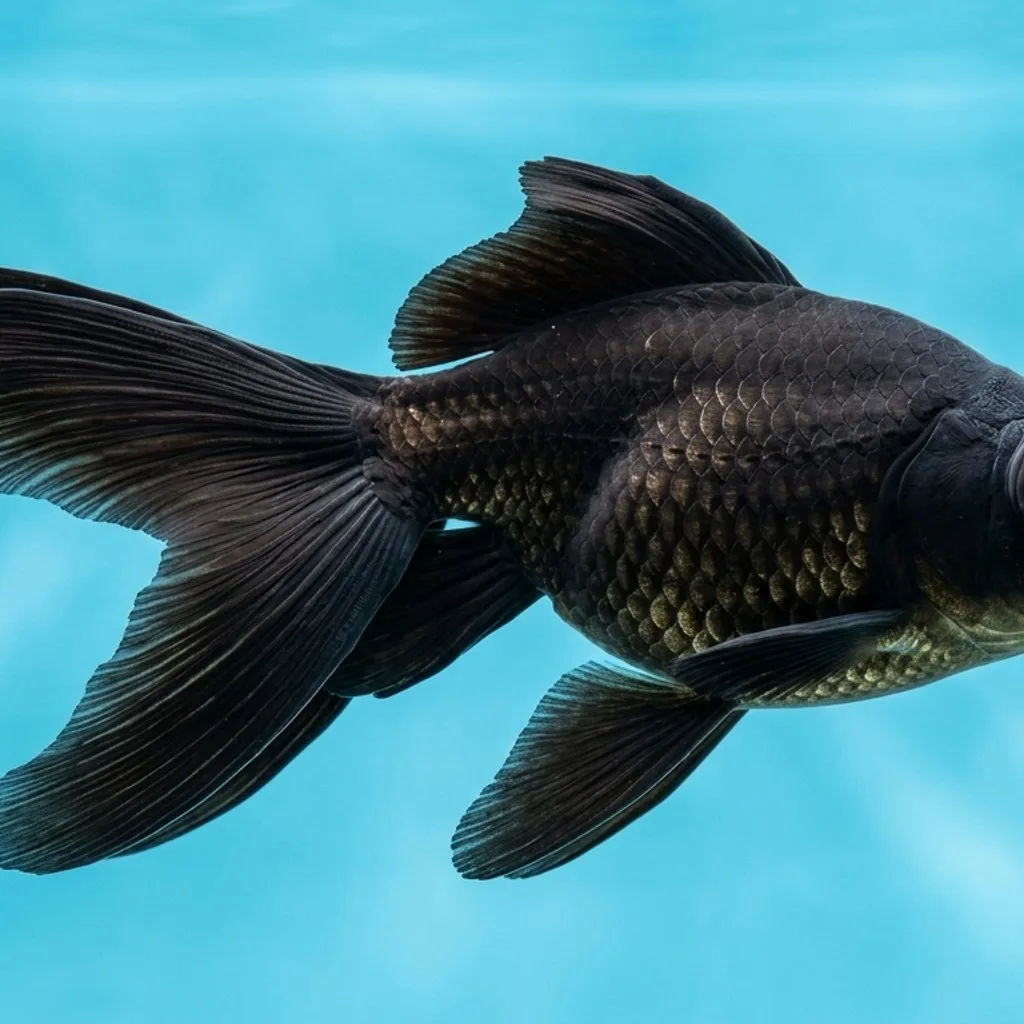
Black Moor Goldfish
Black Moor Goldfish is a small fish originating from China. It is listed on Schedule 4 (approved species) of MPI’s Import Health Standard for ornamental fish, so it can be legally imported and sold through the NZ aquarium trade. MPI classes it as a higher-risk species with additional import quarantine conditions. Typical lifespan is 10-15 years.
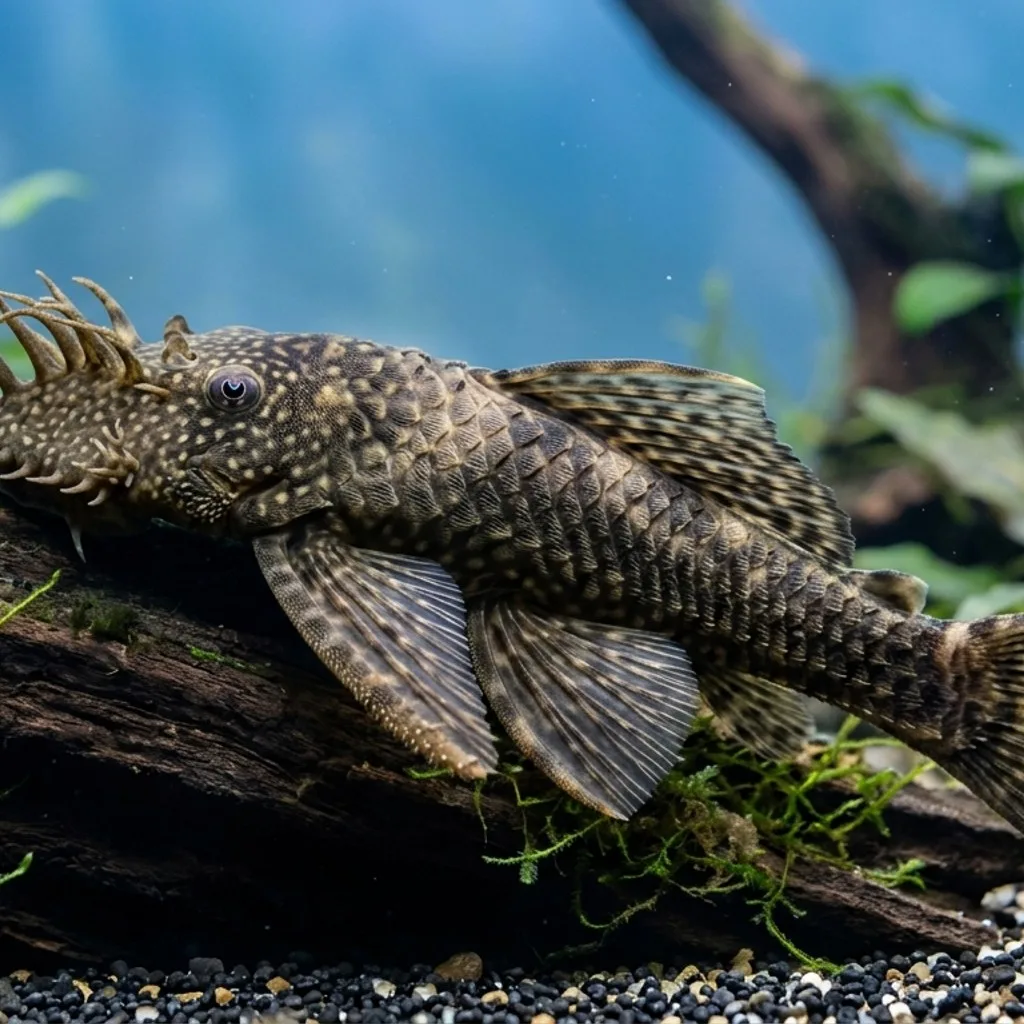
Bristlenose Pleco
Bristlenose Pleco is a small fish originating from South America. It is listed on Schedule 4 (approved species) of MPI’s Import Health Standard for ornamental fish, so it can be legally imported and sold through the NZ aquarium trade. Typical lifespan is 12-15 years.
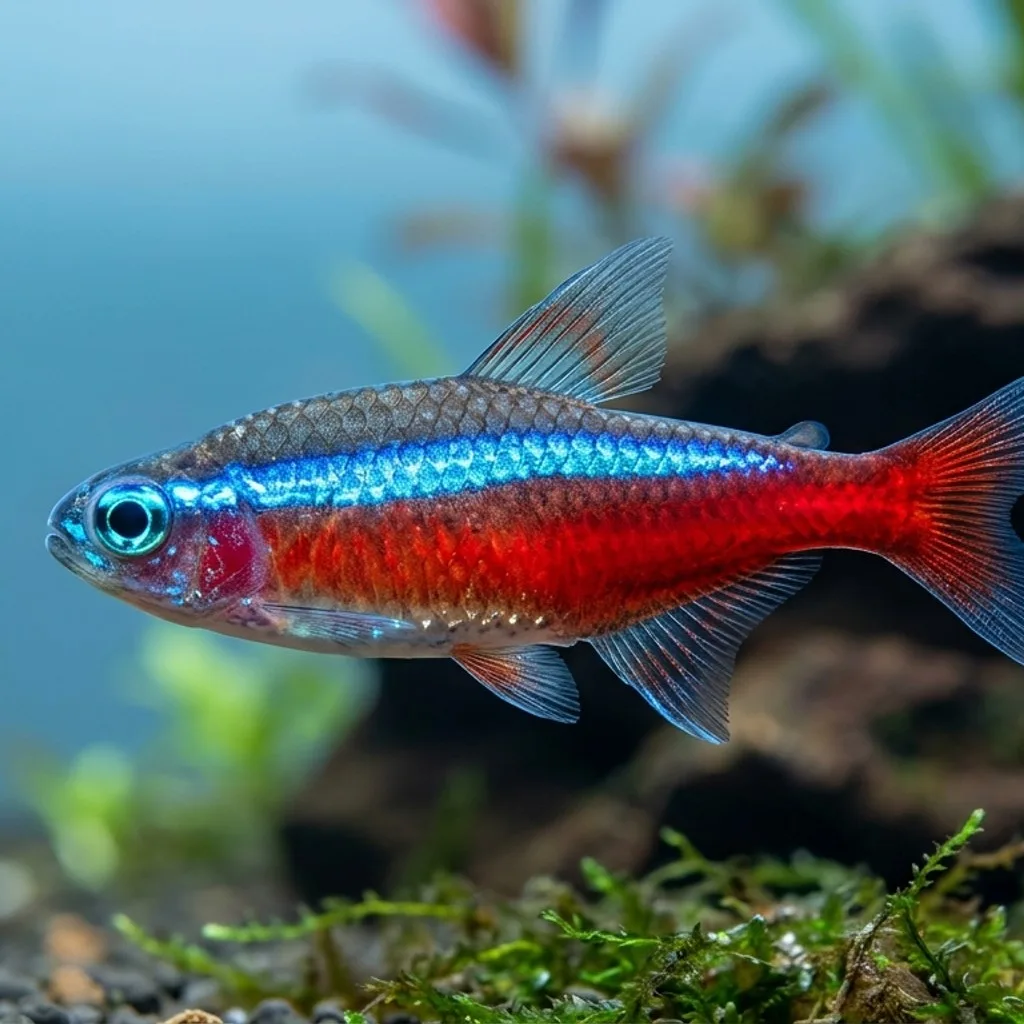
Cardinal Tetra
The Cardinal Tetra (Paracheirodon axelrodi) is a small, peaceful schooling fish from the blackwater tributaries of the Orinoco and Negro rivers, known for the iridescent stripe running the full length of its body, electric blue above and deep red below. It differs from the similar Neon Tetra in that the red band runs from snout to tail rather than stopping halfway. Adults reach about 5cm and live four to five years. Cardinals are shoaling fish that need groups of six or more to feel secure; kept in ones and twos they turn shy and their colour fades. They swim actively through the middle and upper levels of a well-planted tank, and prefer soft, slightly acidic water held between 23 and 27 degrees, with around 40 litres as a minimum for a small school. Subdued lighting, live plants and driftwood suit them. A sound choice for a calm community tank in a smaller space, provided conditions stay stable.