Pet Breed Guide NZ
Guppy
The Guppy (Poecilia reticulata) is a vibrant and popular freshwater fish, celebrated for its dazzling array of colours and fin shapes. Originating from the warm waters of South America, these small, lively fish are a staple in aquariums worldwide, known for their peaceful nature and ease of care. Guppies are livebearers, meaning they give birth to live fry, a fascinating process for any enthusiast. Their active swimming and social behaviour make them captivating to watch. In New Zealand, Guppies are a common and generally legal pet, offering Kiwi aquarists an accessible entry into the world of tropical fishkeeping, provided local regulations are checked.
Photo Gallery
NZ Ownership Snapshot
Verified NZ Status- Noise Level
- quiet
- Social Needs
- groups
- Water Type
- freshwater
- Tank Size
- 40L minimum
- Diet Type
- Prepared aquarium food, frozen foods, and species-appropriate live or vegetable foods
- UVB Required
- No
Verified MPI ornamental fish IHS pathway: Poecilia reticulata is listed in the official ornamental fish import standard. Import and keeping remain subject to MPI conditions and biosecurity rules.
Breed Snapshot
- Size
- small
- Lifespan
- 1-3 years
- Origin
- South America
- Care Focus
- Best researched for compatible tank mates, grouping, and stable water conditions.
- NZ Price
- NZD $5 - $25 per fish (depending on specific breed, colouration, and size)
- Annual Vet Cost
- Estimated annual care costs (excluding initial setup) for Guppies are minimal, typically NZD $50 - $150, primarily covering food, water conditioners, and occasional replacement filter media. Veterinary costs for fish in New Zealand are generally very low, as specialist fish vets are extremely rare. Owners typically manage common ailments themselves or consult pet store experts. The broader scarcity of exotic vets in NZ means specialised veterinary care for fish is not readily available, so preventative care and maintaining excellent water quality are paramount.
Personality Scores
NZ Lifestyle Fit
Guppies are highly suitable for a wide range of New Zealand homes, from inner-city apartments to suburban houses and rural sections. Their compact size and requirement for an indoor aquarium mean they don't demand outdoor space, making them perfect for smaller living arrangements. Climate considerations, such as Auckland's humidity or the South Island's colder winters, are easily managed by maintaining a stable, heated environment within the aquarium, typically between 22-28°C. This ensures the Guppies thrive regardless of external weather. There are no specific regional restrictions on keeping Guppies within NZ, but owners should always consult their local council for any specific bylaws regarding pet ownership. Legally sourcing Guppies in New Zealand is straightforward; they are widely available at most reputable pet stores across the country, offering a convenient and accessible option for new and experienced aquarists alike. Always choose healthy, active fish from clean, well-maintained tanks.
Verified MPI ornamental fish IHS pathway: Poecilia reticulata is listed in the official ornamental fish import standard. Import and keeping remain subject to MPI conditions and biosecurity rules.
About the Guppy
Guppies (Poecilia reticulata) are small, colourful freshwater fish belonging to the Poeciliidae family, native to the streams and rivers of South America, including Venezuela, Guyana, Trinidad, and Barbados. They are renowned for their hardiness, adaptability, and prolific breeding, making them one of the most popular aquarium fish globally. With a typical lifespan of 1-3 years, Guppies are a relatively short-term commitment, but their vibrant personalities and constant activity provide immense joy. They are omnivores, thriving on a varied diet, and prefer to live in groups, showcasing their social nature. Their small size, generally ranging from 2.5 to 6 centimetres, makes them suitable for smaller aquariums, with a minimum tank size of 40 litres recommended.
What They Look Like
Guppies are perhaps best known for their incredible diversity in appearance. Males are typically smaller and far more colourful than females, displaying elaborate caudal (tail) and dorsal fins that can come in a multitude of shapes, including fan, delta, sword, and lyre tails. Their bodies can be adorned with iridescent blues, reds, greens, yellows, and oranges, often with intricate patterns like mosaics, snakeskin, or leopard spots. Females are generally larger, with more subdued colouration, usually greyish-silver, though selective breeding has introduced some colourful female strains. Their streamlined bodies and constantly fanning fins contribute to their graceful movement through the water.
Personality & Behaviour
Guppies are generally peaceful and social fish, making them excellent candidates for community tanks. They are active swimmers, constantly exploring their environment and interacting with tank mates. Their schooling behaviour is fascinating to observe, as they often move together in loose groups. Males are known for their persistent courtship displays towards females, which can sometimes be overwhelming for a single female, hence the recommendation to keep multiple females for every male. While generally placid, occasional fin nipping can occur if kept with certain aggressive species or if the tank is overcrowded. They are not known for making noise, contributing to a tranquil home environment.
Life in New Zealand
In New Zealand, Guppies are a widely available and generally legal pet. Their popularity stems from their beauty, hardiness, and relatively easy care, making them a favourite among Kiwi aquarists. When sourcing Guppies in NZ, it is crucial to purchase from reputable pet stores or breeders to ensure healthy, disease-free fish. While Guppies are freshwater tropical fish and require heated tanks, New Zealand's varied climate, from Auckland's humidity to the South Island's colder temperatures, does not directly impact their care as long as their indoor tank environment is consistently maintained at the correct temperature (typically 22-28°C). Owners should always verify current MPI (Ministry for Primary Industries) guidance and local council rules, as regulations can change. Guppies are not considered an invasive species risk in NZ due to their specific habitat requirements and the unsuitability of most natural waterways for their long-term survival in the wild.
Is This the Right Pet for You?
Guppies are an excellent choice for both beginner and experienced aquarists. Their relatively low maintenance requirements, combined with their vibrant appearance and engaging behaviour, make them highly rewarding pets. They are ideal for individuals or families looking for a visually appealing and active pet that doesn't require direct handling or extensive space beyond their aquarium. However, potential owners must be prepared for their prolific breeding; Guppies reproduce frequently, and managing fry populations requires planning, whether it's setting up a separate tank or having a plan for rehoming. A commitment to regular tank maintenance, proper feeding, and monitoring water quality is essential for their well-being. If you're ready for the joy of a bustling, colourful aquatic world, a Guppy tank could be the perfect addition to your Kiwi home.
Fun Facts
Fact 1
Guppies are livebearers, meaning they give birth to fully formed, free-swimming fry instead of laying eggs.
Fact 2
They are sometimes called 'millionfish' due to their prolific breeding rates.
Fact 3
Male Guppies are known for their elaborate courtship dances to attract females.
Fact 4
There are hundreds of different Guppy strains, each with unique colours and fin shapes, developed through selective breeding.
Fact 5
Guppies have been used in scientific research, particularly in studies of evolution and sexual selection.
Related Breeds
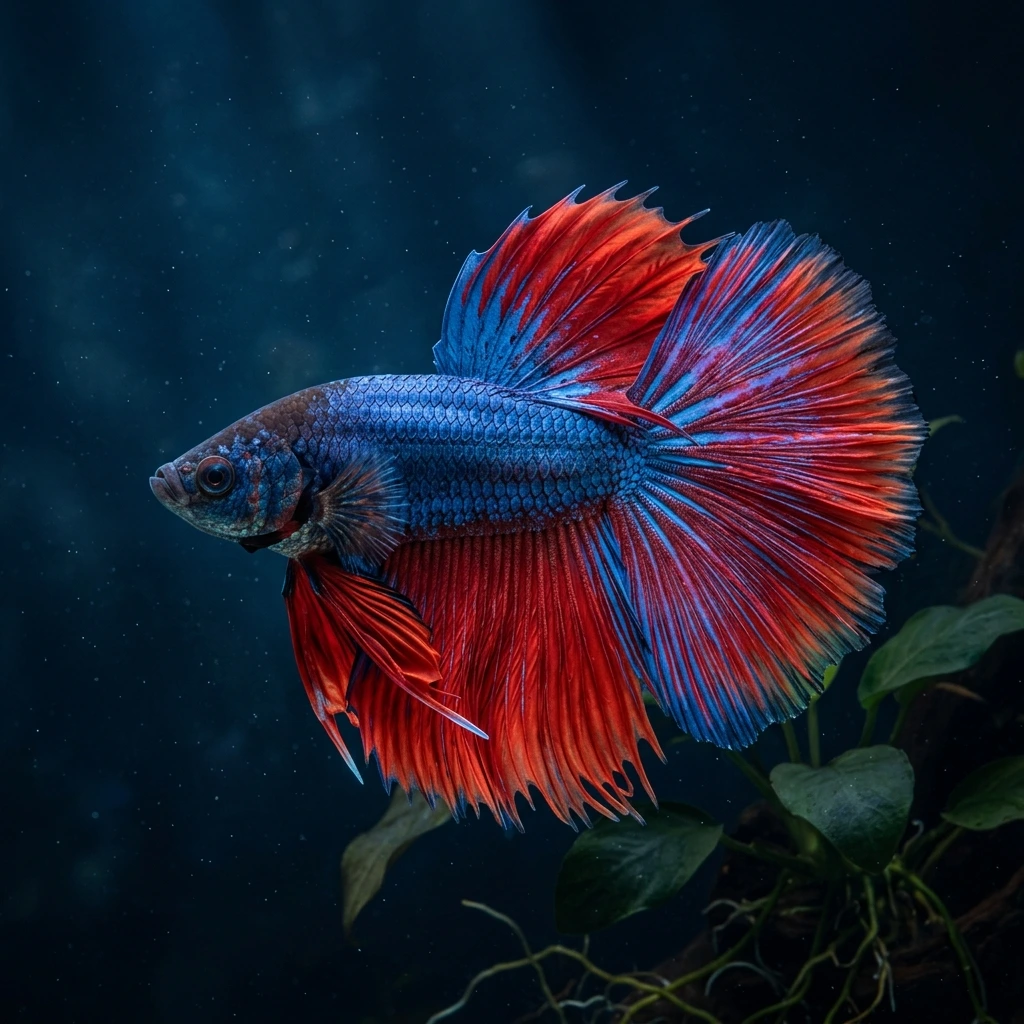
Betta Fish (Siamese Fighting Fish)
The Betta, or Siamese Fighting Fish, is a small, long-finned freshwater fish from the shallow rice paddies, canals and floodplains of Southeast Asia, usually kept alone because two males will not share a tank. The body reaches about 6-7 cm with the fins on top of that, and a labyrinth organ lets it breathe air at the surface, an adaptation to low-oxygen water that also makes it hardy in an aquarium. Males carry the long flowing fins and saturated reds, blues, greens and purples the species is known for, in forms such as veiltail, crowntail, halfmoon, plakat and doubletail; females are shorter-finned and quieter in colour. Males may also target other bright, long-finned fish, so tank mates need choosing with care. A single Betta needs at least 40 litres, a heater holding 24-27 degrees, gentle filtration, planting and a weekly water change. Typically living two to five years, it suits a keeper who wants one characterful fish rather than a crowded community tank.
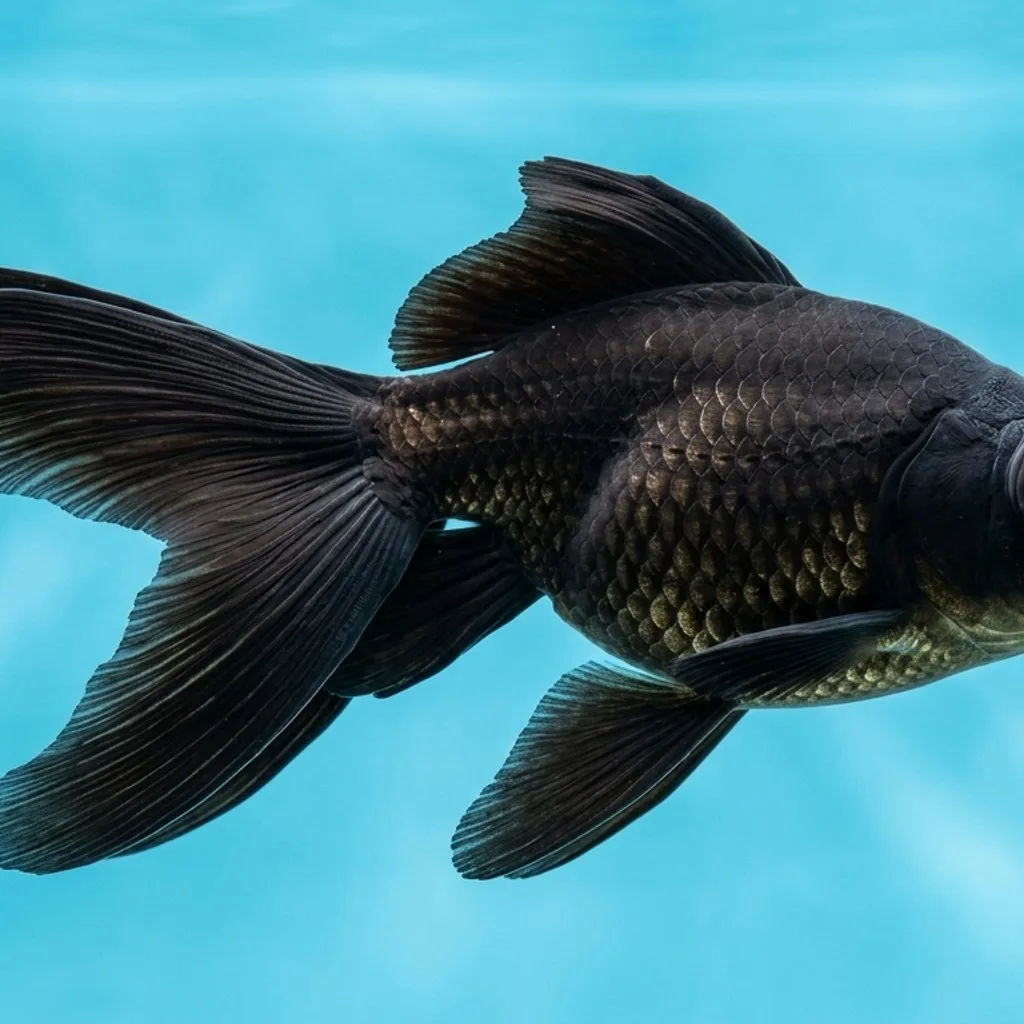
Black Moor Goldfish
Black Moor Goldfish is a small fish originating from China. It is listed on Schedule 4 (approved species) of MPI’s Import Health Standard for ornamental fish, so it can be legally imported and sold through the NZ aquarium trade. MPI classes it as a higher-risk species with additional import quarantine conditions. Typical lifespan is 10-15 years.
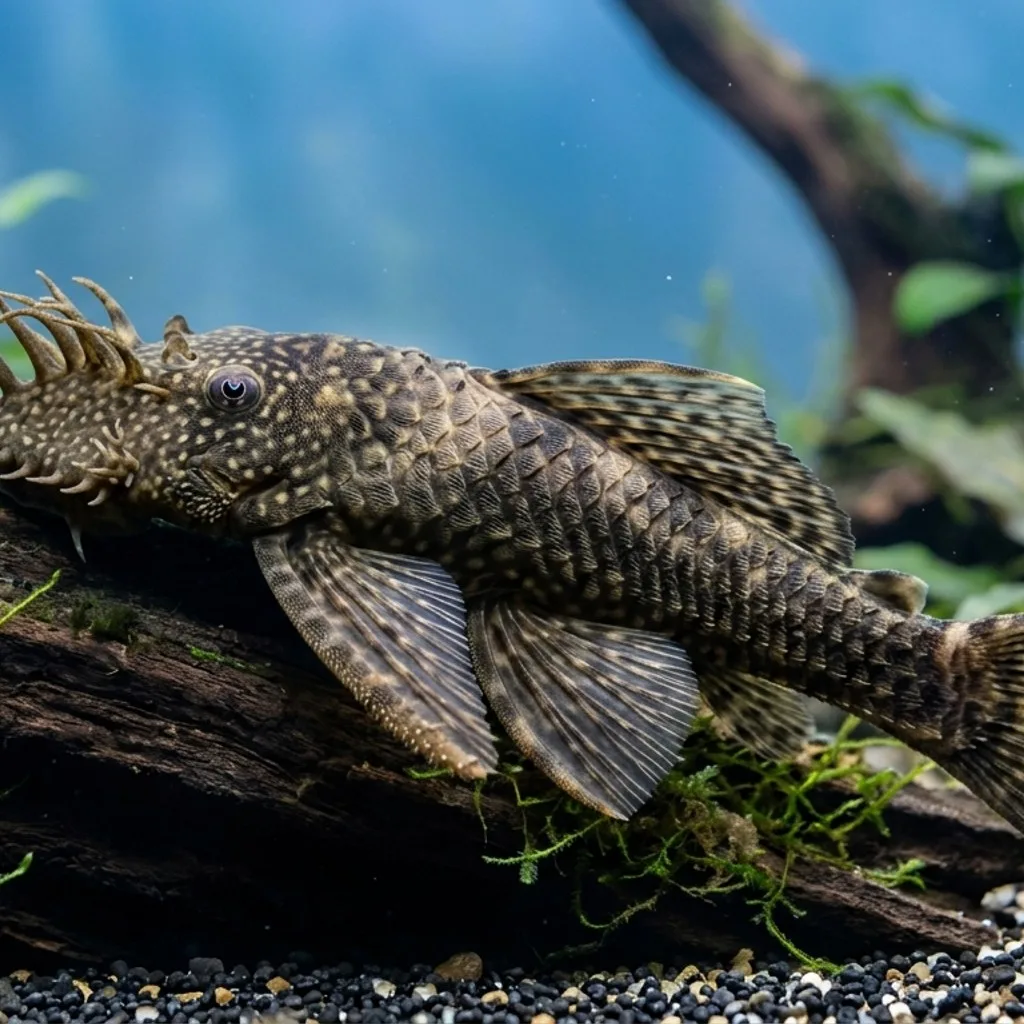
Bristlenose Pleco
Bristlenose Pleco is a small fish originating from South America. It is listed on Schedule 4 (approved species) of MPI’s Import Health Standard for ornamental fish, so it can be legally imported and sold through the NZ aquarium trade. Typical lifespan is 12-15 years.
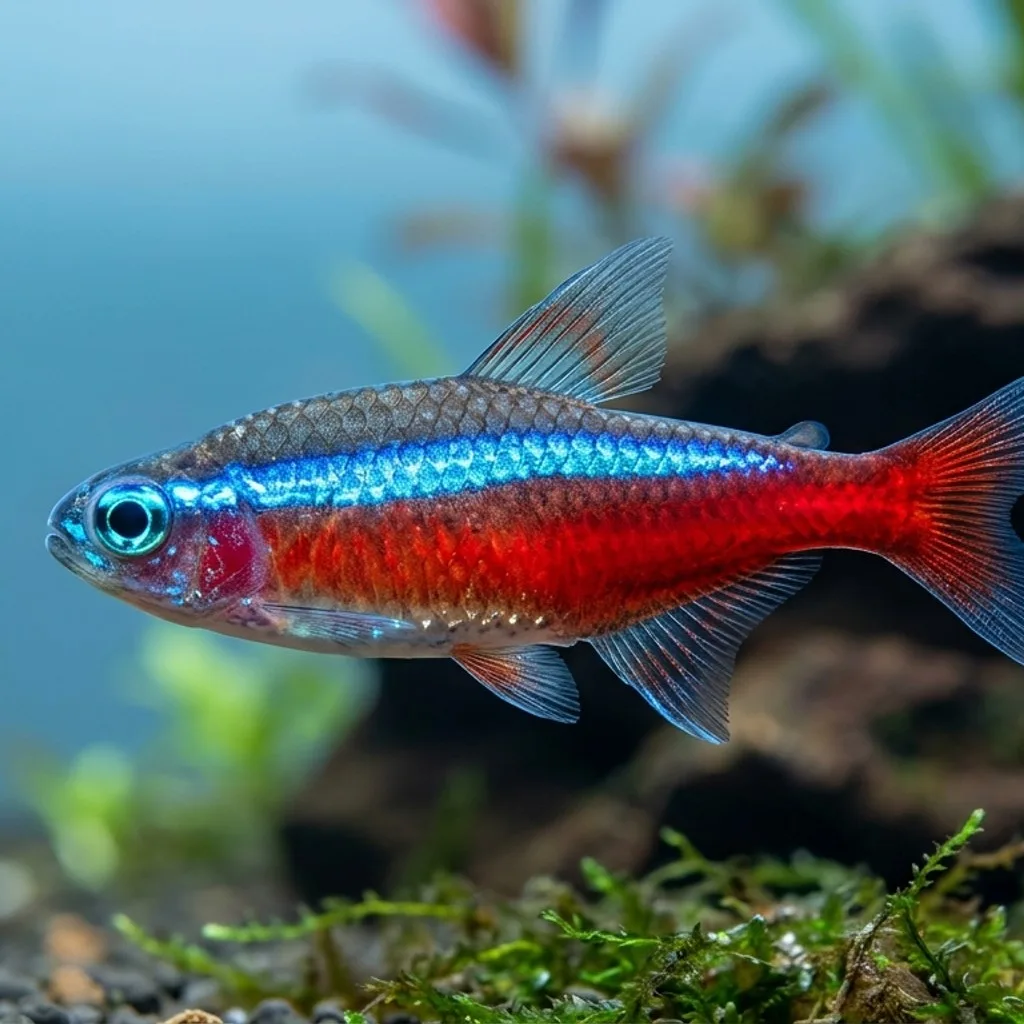
Cardinal Tetra
The Cardinal Tetra (Paracheirodon axelrodi) is a small, peaceful schooling fish from the blackwater tributaries of the Orinoco and Negro rivers, known for the iridescent stripe running the full length of its body, electric blue above and deep red below. It differs from the similar Neon Tetra in that the red band runs from snout to tail rather than stopping halfway. Adults reach about 5cm and live four to five years. Cardinals are shoaling fish that need groups of six or more to feel secure; kept in ones and twos they turn shy and their colour fades. They swim actively through the middle and upper levels of a well-planted tank, and prefer soft, slightly acidic water held between 23 and 27 degrees, with around 40 litres as a minimum for a small school. Subdued lighting, live plants and driftwood suit them. A sound choice for a calm community tank in a smaller space, provided conditions stay stable.